The Hook: A Symphony of Steel and Scenery
I stepped off the train in Florence, and the air, thick with the scent of roasting chestnuts and a hint of Tuscan earth, instantly embraced me. The rhythmic clatter of my suitcase wheels on the ancient cobblestones echoed the distant chime of a cathedral bell. This wasn't just arrival; it was immersion. No sterile airport lounges, no frantic taxi hunts. Just the raw, unfiltered pulse of Italy, delivered directly to my doorstep by the humble, yet magnificent, European train. This is the magic of how to travel Europe entirely by train worth considering – a journey that is the destination.
Why the Train? Beyond the Obvious Charm
Let's be honest, the romance of train travel is undeniable. But beyond the nostalgic charm of conductors in crisp uniforms and the ever-changing panorama outside your window, there are practical, almost genius, reasons to ditch the plane and embrace the rails.
The Unbeatable Convenience: City Centre to City Centre
This is the game-changer. When you travel by train, you're not deposited miles outside a city, facing hefty taxi fares or confusing bus routes. You arrive right in the heart of it all.
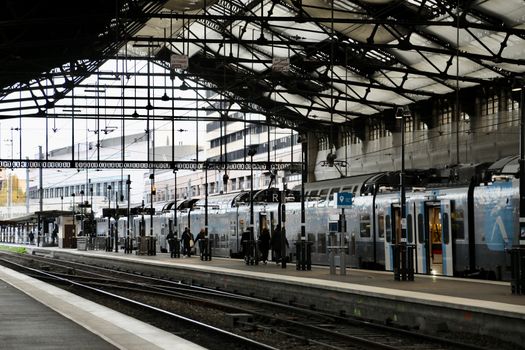
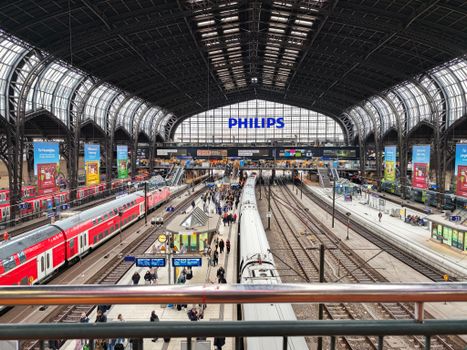
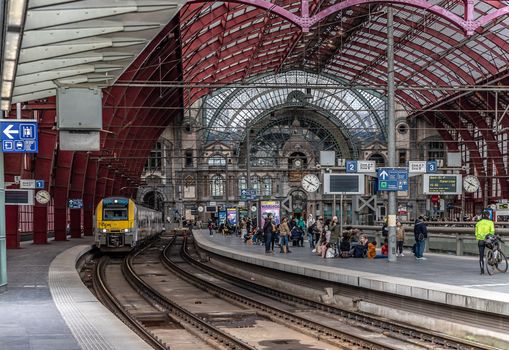
- Pro-Tip: Many major European train stations are architectural marvels themselves. Arrive 30 minutes early to explore the station's history, grab a local pastry from a bakery inside the station, and soak in the pre-journey buzz.
Sustainability: Your Eco-Conscious Choice
In an era where our planet's health is paramount, train travel emerges as a clear winner. Per passenger, trains emit significantly less CO2 than planes. Choosing the train isn't just a travel decision; it's a statement.
- Pro-Tip: Look for "eco-friendly" train operators that highlight their sustainability initiatives. Many offer carbon offsetting programs or use renewable energy sources.
The Scenic Route: Where the Journey Is the Destination
This is where the magic truly unfolds. While planes offer a sterile, sky-high view, trains plunge you into the very fabric of the landscape. You'll witness rolling vineyards in France, dramatic fjords in Norway, and sun-drenched olive groves in Spain, all from your comfortable seat.
- Pro-Tip: Book a window seat on routes known for their scenery. Websites like Seat61.com are invaluable for identifying the most breathtaking stretches. Think of the Bernina Express or the West Highland Line in Scotland – they are legendary for a reason.
Crafting Your Perfect European Rail Itinerary: Beyond the Tourist Trail
The beauty of train travel is its flexibility. You can hop between iconic capitals or delve into charming, lesser-known towns. The key is thoughtful planning.
The "Grand Tour" Reboot: Classic Connections
For a first-timer, hitting the classic route is a fantastic introduction. Think:
- Paris to Amsterdam: A swift Thalys journey, whisking you from the Eiffel Tower to the canals in just over three hours.
- Amsterdam to Berlin: Deutsche Bahn's ICE trains offer comfort and efficiency, connecting these vibrant cities.
- Berlin to Prague: A scenic ride through picturesque countryside, arriving in the heart of Bohemia.
- Prague to Vienna: The Railjet service is sleek and fast, putting you in the imperial city in no time.
- Vienna to Budapest: Another quick hop, connecting two imperial capitals with distinct flavors.
The "Off-the-Beaten-Path" Explorer: Uncovering Hidden Gems
Once you've mastered the classics, it's time to explore. The train network makes it surprisingly easy to reach places you might otherwise overlook.
- The Loire Valley, France: Instead of a day trip from Paris, take a train to Tours or Angers and rent a bike to explore chateaux at your own pace. The local wine markets here are a sensory delight.
- Cinque Terre, Italy: Forget driving the narrow coastal roads. The local train line connects all five villages seamlessly, allowing you to hike between them and enjoy fresh pesto with a view of the Ligurian Sea.
- The Douro Valley, Portugal: Board a train from Porto along the Douro River. The views of terraced vineyards, where port wine is made, are simply spectacular. The air here carries the sweet, earthy aroma of grapes.
- The Swiss Alps (Beyond Interlaken): Take the Glacier Express or Bernina Express for an unforgettable journey through snow-capped peaks and emerald valleys. The silence at higher altitudes is profound, broken only by the gentle hum of the train.
Navigating the Network: Passes vs. Point-to-Point Tickets
This is where the budget-savvy traveler shines. Understanding your options is crucial for maximizing value.
Eurail/Interrail Pass: The Freedom Pass
If you plan on taking 5-7 journeys or more within a set period (e.g., 15 days, 1 month), a Eurail (for non-European residents) or Interrail (for European residents) pass can be incredibly cost-effective. It offers flexibility and allows for spontaneous detours.
- Pro-Tip: Factor in reservation fees. While the pass covers your ticket, many high-speed and overnight trains require a mandatory seat reservation, which incurs an extra cost. Book these in advance, especially during peak season.
Point-to-Point Tickets: The Savvy Saver
For shorter trips or if you're only visiting a few destinations, buying individual tickets can be cheaper.
- Pro-Tip: Book in advance! European train companies often release "saver fares" weeks or months ahead of travel, offering significant discounts. Websites like Trainline, Omio, or the national rail carriers' own sites (e.g., SNCF for France, Trenitalia for Italy) are your best bet.
The Art of the Overnight Train: Sleeping Your Way Across Europe
Overnight trains are a fantastic way to cover long distances, save on accommodation, and wake up refreshed in a new city. They offer a unique blend of romance and practicality.
Sleeper Car Comforts: From Couchettes to Private Cabins
- Couchettes: Shared compartments with bunk beds, a more budget-friendly option.
- Sleeper Cabins: Private compartments with beds, sometimes including a small washbasin. Some offer en-suite bathrooms.
- Pro-Tip: Pack light and smart. You'll be maneuvering luggage in smaller spaces. Bring earplugs and an eye mask for optimal sleep, even in private cabins. The gentle rocking of the train can be surprisingly soothing.
Essential Tips for a Seamless European Train Adventure
Beyond the booking and the routes, a few insider tricks can elevate your experience from good to extraordinary.
Food & Drink: A Culinary Journey on Rails
Don't underestimate the dining car! Many European trains offer surprisingly good food and wine.
- Pro-Tip: Embrace local snacks. Pick up a baguette, some cheese, and a bottle of wine from a local market before boarding for a delightful picnic. It's far more authentic and affordable than station food.
Luggage Logistics: Keeping it Manageable
- Pro-Tip: Aim for one main suitcase and a daypack. Most trains have overhead luggage racks and designated luggage areas at the ends of carriages. Avoid anything too cumbersome.
Staying Connected & Powered Up
- Pro-Tip: Download offline maps of cities and train routes. While Wi-Fi is becoming more common, it's not always reliable. Bring a portable power bank to keep your devices charged.
Language & Etiquette: The Local Touch
While English is widely spoken in tourist areas, learning a few basic phrases in the local language goes a long way.
- Pro-Tip: A simple "Bonjour/Guten Tag/Buongiorno/Hola" and "Merci/Danke/Grazie/Gracias" can open doors and earn smiles. Be mindful of noise levels in carriages, especially on overnight trains.
Quick Facts: Your European Train Travel Cheat Sheet
| Feature | Details | Estimated Cost ($) | Best Time to Visit | How to Get There |
| :------------------ | :--------------------------------------------------------------------- | :----------------- | :----------------- | :----------------------------------------------------- |
| Rail Pass | Eurail/Interrail (flexible travel within zones/days) | $300 - $1000+ | Spring (Apr-May), Autumn (Sep-Oct) | Purchase online before your trip. |
| Point-to-Point | Individual tickets, book in advance for savings | $30 - $200+ per leg | Shoulder Seasons | Book via national rail sites or aggregators. |
| Accommodation | Hostels, budget hotels, mid-range hotels, Airbnb | $50 - $200+ per night | Year-round | Book online via booking platforms. |
| Food | Picnics, local markets, casual eateries, dining cars | $30 - $70+ per day | Year-round | Local markets, supermarkets, small cafes. |
| Average Trip | 2-3 weeks, covering 4-6 major cities | $1500 - $4000+ | Spring, Autumn | Fly into a major hub (e.g., London, Paris, Amsterdam). |
| Connectivity | Wi-Fi on some trains, download offline maps, portable charger essential | Minimal | Year-round | Purchase local SIM or eSIM for data. |
The Enduring Allure: More Than Just a Trip
Traveling Europe by train is more than just a mode of transport; it's a philosophy. It’s about slowing down, appreciating the journey, and connecting with the continent in a way that air travel simply cannot replicate. It’s about the subtle scent of diesel and old upholstery, the comforting rhythm of the wheels, and the ever-unfolding tapestry of landscapes and lives outside your window. It's an experience that stays with you, long after you've disembarked. So, pack your bags, embrace the adventure, and let the rails carry you to the heart of Europe.