The Ultimate Blueprint: How to Travel Europe Entirely by Train Experts Are Recommending
I stepped off the Frecciarossa 1000 onto the platform at Napoli Centrale, and the transition was instant. No baggage carousels, no customs queues, no soul-crushing suburban taxi rides. Instead, I was immediately hit by the aroma of freshly pulled espresso and warm, caramelized sfogliatella from a nearby station cart. Just four hours earlier, I had been sipping a cold Campari Spritz in Milan. My luggage was in my hand, my feet were on the ground, and my heart rate was perfectly calm.
This is the magic of European rail travel. While the post-pandemic aviation sector struggled with delays, lost baggage, and skyrocketing fares, Europe's rail network quietly underwent a massive, multi-billion-euro renaissance. Today, top travel experts are advising against short-haul flights entirely.
If you want to experience the continent the way it was meant to be seen—gliding past terraced vineyards, through jagged mountain passes, and directly into the historic centers of the world’s greatest cities—this is your definitive guide.
---
1. The Golden Age of Rail: Why Flying is Now Second-Class
For decades, the default formula for a multi-city European vacation was to book a string of cheap flights on budget carriers. But the math has changed. When you factor in the time spent commuting to distant airports (like Paris Beauvais or Stockholm Skavsta), paying exorbitant fees for carry-on bags, and waiting in security lines, a flight that "takes one hour" actually consumes five to six hours of your day.
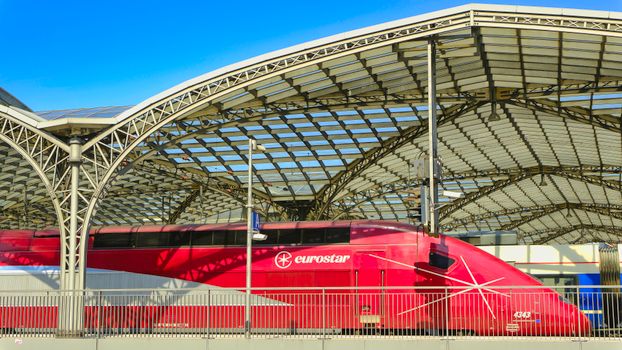
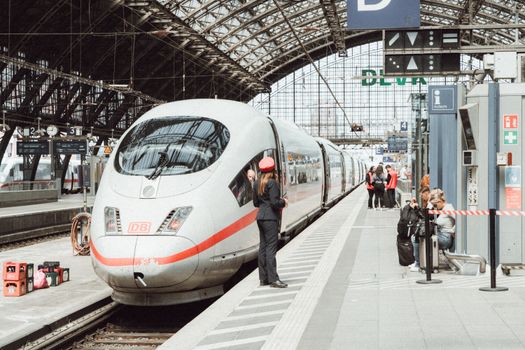
High-speed rail networks have flattened the continent. Trains like the French TGV, the Italian Frecciarossa, and the German ICE travel at speeds up to 320 km/h (200 mph). They connect city center to city center, offer free Wi-Fi, feature spacious seats with power outlets, and let you bring your own wine and cheese on board.
Furthermore, the environmental impact is incomparable. Taking a train from London to Paris instead of flying cuts your carbon emissions by a staggering 90%. It isn't just a travel choice; it’s a lifestyle upgrade.
---
2. Deciphering the Ticket Matrix: Eurail vs. Point-to-Point
The most common question travelers ask is: "Should I buy a Eurail Pass, or book individual tickets?" The answer depends on your travel style.
```
YOUR DECISION MATRIX
|
+----------------------+----------------------+
| |
Are your dates flexible? Are your dates fixed?
Do you want spontaneity? Do you want lowest cost?
| |
v v
[ BUY A EURAIL PASS ] [ BUY POINT-TO-POINT ]
```
Option A: The Eurail Pass (Best for Flexibility and Multi-Country Trips)
If you want to wake up in Munich and decide on a whim to head to Salzburg or Innsbruck, the Eurail Global Pass is your golden ticket. It covers 33 countries and allows you to hop on almost any national train.
* The Catch: On high-speed trains in France, Italy, and Spain, as well as international routes like the Eurostar, you must pay a separate seat reservation fee (typically €10 to €30). You must book these weeks in advance during peak summer months.
Option B: Point-to-Point Tickets (Best for Fixed Itineraries and Single-Country Trips)
If you have a strict itinerary and are booking 2 to 4 months in advance, buying individual tickets directly from national operators (like SNCF in France, Trenitalia in Italy, or Deutsche Bahn in Germany) is almost always cheaper than a rail pass.
* The Catch: These tickets are usually non-refundable and tied to a specific train time. If you miss your train, your ticket is worthless.
---
3. The Legendary Routes: 3 Expert-Approved Itineraries
Route 1: The Alpine Splendor (Switzerland to Italy)
* The Journey: Zurich -> Chur -> Tirano -> Milan
* The Highlight: The Bernina Express. This is not just transit; it is a UNESCO World Heritage journey. The train climbs to 2,253 meters above sea level, navigating 55 tunnels and 196 bridges without the aid of cogwheel systems. You will pass the Morteratsch Glacier and slide alongside the turquoise waters of Lago Bianco.
* Pro-Tip: Don't pay the premium for the official panoramic tourist train. Instead, take the local regional trains that run on the exact same tracks. You can open the windows on the regional trains to take glare-free photos, and they are much less crowded.
Route 2: The Central European Imperial Loop
* The Journey: Prague -> Vienna -> Budapest
* The Highlight: The RegioJet or ÖBB Eurocity lines. This route takes you through the heart of the former Austro-Hungarian Empire. The transition from the Gothic spires of Prague to the Baroque grandeur of Vienna, and finally to the thermal bath culture of Budapest, is seamless.
* Pro-Tip: Book a business-class compartment on the RegioJet. For only a few euros more than standard class, you get a plush leather seat, a complimentary bottle of sparkling wine, and high-end Italian Illy coffee delivered to your seat.
Route 3: The Mediterranean Coastal Dash
* The Journey: Barcelona -> Montpellier -> Nice -> Genoa
* The Highlight: Hugging the rugged coastline where the Pyrenees meet the Mediterranean Sea. You'll watch pink flamingos in the lagoons of southern France from your window seat.
* Pro-Tip: Break up the journey in Montpellier. The station, Montpellier Saint-Roch, is a short walk from the Place de la Comédie, where you can grab a quick lunch of fresh oysters and chilled Vermentino before catching your afternoon connection.
---
4. The Sleepers: A Masterclass in Night Trains
The night train is experiencing a massive revival, led by Austria’s national railway, ÖBB, and their sleek Nightjet services. These trains allow you to fall asleep in one country and wake up in another, saving you the cost of a hotel night.
Nightjet Accommodation Categories:
1. Seating Carriage: The cheapest option, but highly discouraged for long trips. You will share a compartment with five strangers, and the lights are rarely fully dimmed.
2. Couchette (4-6 berths): Bunk beds with sheets, blankets, and pillows. Excellent for groups or budget-conscious solo travelers.
3. Sleeper Cabin (1-3 berths): The gold standard. These private compartments feature real mattresses, a small washbasin, and sometimes a private shower and toilet. A light breakfast is included.
- Pro-Tip: Nightjet tickets sell out incredibly fast—often months in advance. Booking opens 180 days ahead. If you want a private sleeper cabin, secure it the moment your booking window opens.
---
5. Station Mastery: Navigating Europe’s Rail Hubs
European train stations are architectural marvels, but they can be overwhelming. To navigate them like a local, you need to understand the system.
- The Wagenstandsanzeiger (Train Composition Indicator): On German, Austrian, and Swiss platforms, look for the physical or digital diagrams showing how the train is arranged. It shows you exactly where to stand on the platform so that your carriage (e.g., Coach 14) stops directly in front of you. This prevents the chaotic platform sprint when the train arrives.
- The Hidden Entrances: Major stations like Paris Gare du Nord or London St. Pancras have massive main entrances with long queues. Look for secondary side entrances. For example, at Paris Gare de Lyon, there is a lower-level entrance directly from the Metro lines that bypasses the crowded main concourse.
- Luggage Storage (Deposito Bagagli): Don't drag your bags through city streets during a long layover. Almost every major European station has a secure left-luggage office or self-service lockers. Expect to pay €5 to €15 per bag for 24 hours.
---
6. The Rail Logistics & Budget Breakdown
To help you plan your finances and logistics, here is a quick-reference guide to the key rail networks and costs.
| Route / Pass | Est. Cost (USD) | Best Time to Travel | How to Book |
| :--- | :--- | :--- | :--- |
| Eurail Global Pass (Continuous 15 Days) | ~$500 - $600 | May to September | Eurail.com |
| London to Paris (Eurostar) | ~$65 - $250 (one-way) | Year-round | Eurostar.com (Book 120 days early) |
| Paris to Munich (TGV/ICE) | ~$45 - $150 (one-way) | December (for Christmas Markets) | DB Navigator App / SNCF Connect |
| Milan to Rome (Frecciarossa) | ~$35 - $110 (one-way) | Spring / Autumn | Trenitalia.com or Italo |
| Vienna to Bucharest (Nightjet) | ~$75 (Couchette) - $200 (Sleeper) | Late Spring | Nightjet.com |
---
7. The Unspoken Etiquette of the Rails
To avoid the wrath of local commuters and train conductors, commit these rules to memory:
- The Quiet Zone (Ruhebereich / Espace Calme): If your ticket places you in one of these zones, it is not a suggestion. Turn your phone on silent, use headphones with low volume, and speak only in hushed whispers.
- The Luggage Rule: There are no weight limits on European trains, but there is one golden rule: If you cannot lift your suitcase over your head into the luggage rack, it is too heavy. Do not expect train staff or fellow passengers to hoist your oversized bags for you.
- The Food Etiquette: Bringing your own picnic on board is highly encouraged. A crusty baguette, some local cheese, and a bottle of wine are rail staples. However, avoid hot, aromatic foods. Bringing a hot box of fish and chips or a garlicky kebab onto a crowded compartment is a major faux pas.
---