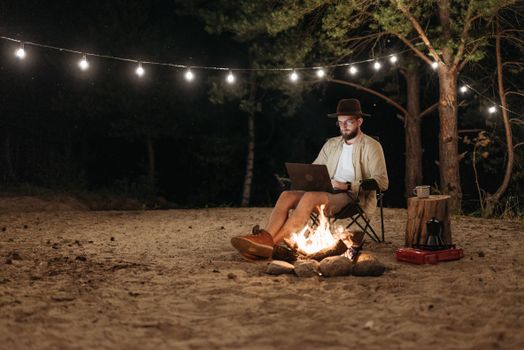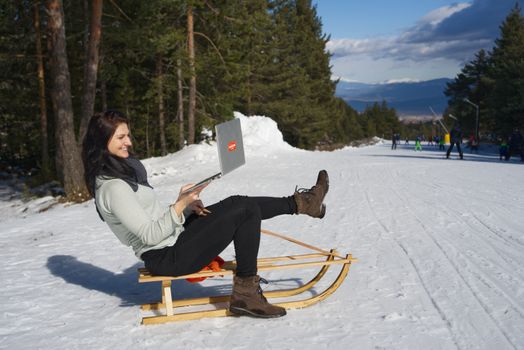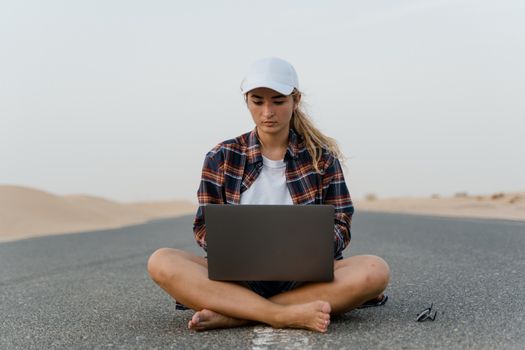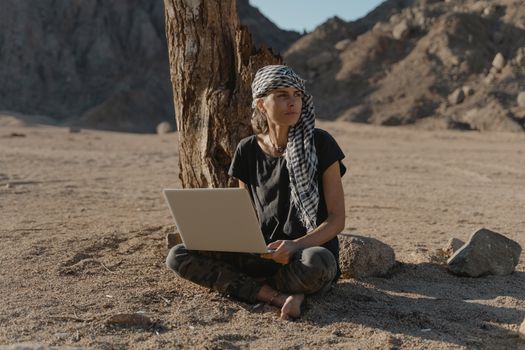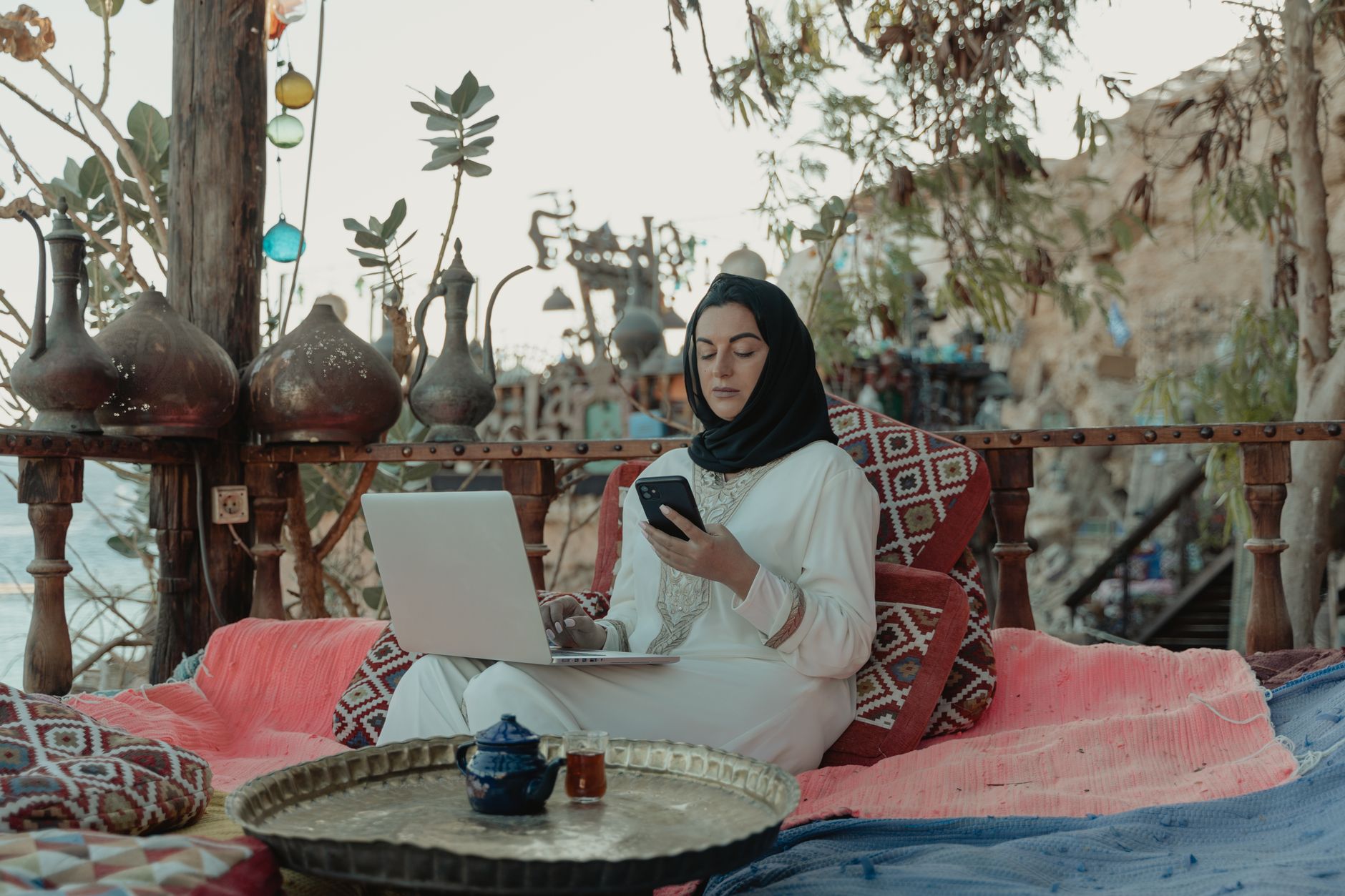
The gentle hum of a distant fishing boat, the salty breeze carrying the scent of the ocean, and the rhythmic lapping of waves against the shore. My "office" for the day? A rustic wooden table nestled under a palm tree on a secluded beach in Koh Lanta, Thailand. My screen glowed with spreadsheets, but my soul felt utterly free. Just a few years ago, my reality was a cramped cubicle, the stale air of an office building, and the relentless drone of fluorescent lights. The idea of trading that for this felt like a fantasy, a privilege reserved for the ultra-rich or the perpetually unemployed.
But here’s the secret: it’s not. It’s a choice, a strategy, and with the right tools and mindset, it’s entirely achievable for anyone with a laptop and a desire for more. This isn't just about working remotely; it’s about crafting a life where your work enables your adventures, where every new destination isn't a vacation from your life, but an integrated part of it. At Tripsora, we believe in living life to the fullest, and for many, that means breaking free from the traditional desk. Ready to ditch the daily commute for a daily adventure? Let’s build your ultimate mobile office.
The Grand Vision: Why Your Mobile Office is More Than Just a Laptop
Before we dive into gadgets and gigabytes, let’s talk about the why. For me, the turning point came after a particularly grueling quarter. I felt drained, uninspired, and deeply disconnected from the world outside my office window. A two-week vacation to Costa Rica offered a glimpse of what life could be – vibrant, spontaneous, and filled with wonder. I realized I didn't just want to visit these places; I wanted to live them, to integrate them into my everyday.
A mobile office isn't just a collection of tech; it's a philosophy. It’s the belief that productivity isn’t tied to a physical building, but to your focus, creativity, and the inspiration you draw from your surroundings. It’s about leveraging technology to design a life of freedom, where your "commute" might be a short walk to a beachside cafe, a mountain trail, or a bustling market square.
My First "Aha!" Moment:
I remember trying to work from a tiny hostel common room in Medellín, Colombia. It was noisy, the internet was spotty, and I was constantly distracted. I almost gave up on the dream right then. But then I discovered a local co-working space, Selina Medellín, with fast internet, ergonomic chairs, and a vibrant community. That's when I realized the mobile office isn't about roughing it; it's about strategically setting yourself up for success, no matter where you are. It's about intentional design, even when you're on the move.
Your Digital Nomad Toolkit: Essential Gear for Uninterrupted Flow
Think of your mobile office as a carefully curated arsenal. Every item should be lightweight, durable, and serve a crucial purpose. Over the years, I've refined my kit through trial and error (and a few unfortunate tech mishaps!). Here’s what makes the cut:
- The Brain (Your Laptop): This is your command center. Invest in something lightweight, powerful enough for your tasks, and with excellent battery life. My current go-to is a MacBook Air M2 – it’s a featherweight powerhouse, and I can often get 10-12 hours of real-world use without charging. If you're a Windows user, look for ultraportables like the Dell XPS 13 or HP Spectre x360.
- Pro Tip: Always carry a protective sleeve or hard case. Drops happen, especially when you're moving between cafes and airports.
- The Power Players (Chargers & Banks):
- Universal Travel Adapter: A non-negotiable. Look for one with multiple USB ports. I swear by my EPICKA Universal Travel Adapter with its four USB-A and one USB-C port.
- Portable Power Bank: A lifesaver. Get one with at least 20,000 mAh. My Anker PowerCore III Elite 25600mAh has saved me from countless dead laptop scenarios, especially on long bus rides or at cafes with limited outlets.
- Solar Charger (Optional but Awesome): For truly off-grid adventures. I have a small Goal Zero Nomad 10 for charging my phone and smaller devices when camping or hiking.
- Connectivity Commanders (Internet Anywhere): We’ll deep dive into this next, but at a minimum, consider:
- Unlocked Smartphone: Essential for local SIM cards and hotspotting.
- Portable Wi-Fi Hotspot (MiFi Device): Devices like the Netgear Nighthawk M1 are fantastic for creating a personal Wi-Fi network wherever you have cellular signal.
- Ergonomics on the Go: Your body will thank you.
- Portable Laptop Stand: Elevates your screen to eye level. I use a foldable Roost Laptop Stand – it’s incredibly compact and sturdy.
- External Keyboard & Mouse: Essential for long typing sessions to avoid wrist strain. I prefer a lightweight Logitech K380 Bluetooth Keyboard and a Logitech MX Anywhere 3 mouse.
- Noise-Cancelling Headphones: A non-negotiable for focus in bustling environments. My Sony WH-1000XM5s are my portable sanctuary.
- Security & Storage:
- External SSD: For redundant backups. A Samsung T7 Portable SSD is fast and tiny.
- VPN Service: Absolutely crucial for public Wi-Fi security. I use NordVPN religiously.
- Cloud Backup: Services like Google Drive, Dropbox, or iCloud are non-negotiable for real-time backup.
My Emergency Kit:
Beyond the tech, I always carry a small, waterproof pouch with a few essentials: a tiny first-aid kit, a few instant coffee packets (lifesavers!), a Moleskine notebook and pen for offline brainstorming, and a headlamp. You never know when you’ll need to work during a power outage or in a dimly lit space!
Mastering Connectivity: Your Lifeline to the Digital World
This is often the biggest hurdle and the most crucial element of a successful mobile office. Without reliable internet, your beautiful view is just... a view.
- Local SIM Cards & eSIMs: The Go-To:
- Local SIMs: In most countries, buying a local prepaid SIM card with a data package is the most cost-effective and reliable option. Just pop into a convenience store or phone shop. In Vietnam, for example, I bought a Viettel SIM with unlimited data for about $10/month. Just make sure your phone is unlocked!
- eSIMs: For ultimate convenience, eSIMs are a game-changer. Services like Airalo or Nomad allow you to download a digital SIM profile before you even land, so you're connected the moment you step off the plane. They can be slightly more expensive than local physical SIMs but are worth it for seamless transitions.
- Tripsora Tip: Always check coverage maps for your specific destination before committing to a provider.
- Portable Wi-Fi Hotspots (MiFi Devices): These are like having your own personal router. You insert a local SIM (or an international data SIM) into the device, and it broadcasts a Wi-Fi signal. They’re fantastic for connecting multiple devices or when you need a more stable connection than your phone can provide.
- Co-working Spaces: Your Professional Oasis:
- These are goldmines for digital nomads. They offer reliable, high-speed internet, ergonomic setups, meeting rooms, and best of all, a community. Websites like Coworker.com or NomadList.com are excellent resources for finding spaces.
- Personal Experience: In Lisbon, I spent a month at Second Home Lisboa in the Mercado da Ribeira. The vibrant atmosphere, incredible natural light, and constant supply of strong coffee made it an incredibly productive hub. Day passes often range from $10-25, monthly memberships from $150-300.
- Cafe Hopping Strategies:
- Ah, the classic cafe office! Look for establishments that explicitly welcome remote workers. Starbucks, for instance, is a reliable (though sometimes crowded) choice globally. Local independent cafes often have better vibes and coffee.
- Golden Rule: Always buy something (and ideally, more than just one cheap coffee) if you're using their Wi-Fi for an extended period. Don't be "that" person.
- My Favorite Cafe Office: The Library Coffee Bar in Chiang Mai, Thailand. It’s quiet, spacious, has ample outlets, and serves fantastic iced lattes. A few hours of work there costs me about $3.
- Satellite Internet (Starlink): For the truly adventurous, Starlink is making off-grid work a reality. If you're planning to work from a remote cabin in the Rockies or a sailboat in the Mediterranean, this might be your answer. It's an investment, but it offers broadband-level speeds almost anywhere.
The Art of the Workspace: Choosing Your Epic Office Location
This is where the "before you die" part truly comes alive. Imagine sending emails with a backdrop that inspires awe.
- Beachside Bliss: Bali, Indonesia (Canggu/Ubud)
- Vibe: Surfer cool meets spiritual serenity.
- Details: Canggu offers trendy cafes with strong Wi-Fi (like Revolver Espresso or Crate Cafe), co-working spaces (like Dojo Bali), and stunning sunsets. Ubud provides a more tranquil, artistic setting amidst rice paddies and lush jungles.
- Challenges: Humidity can be a factor for electronics; sand can get everywhere.
- Price Snapshot: A good coffee ~$3-4 USD. Dojo Bali day pass ~$15 USD. Scooter rental ~$5 USD/day.
- My Bali Office: One unforgettable afternoon, I worked from a beanbag at La Brisa in Canggu, watching surfers catch waves while I typed away. The vibrant energy was electrifying.
- Mountain Retreats: Dolomites, Italy
- Vibe: Breathtaking alpine scenery, crisp air, unparalleled tranquility.
- Details: Imagine working from a cozy cabin with panoramic views of jagged peaks. Connectivity might be more challenging, requiring a MiFi device or careful selection of accommodations with good Wi-Fi. Many charming villages offer small cafes.
- Challenges: Colder weather, potentially limited infrastructure.
- Price Snapshot: A good cappuccino ~$2.50-4 EUR. Cabin rentals vary wildly but can be found for ~$80-200 EUR/night.
- My Dolomite Dream: I once rented an Airbnb near Ortisei. My "office" was a small balcony overlooking the valley, the silence broken only by cowbells. It was the most focused I’d been in months.
- Vibrant Cityscapes: Lisbon, Portugal
- Vibe: Historic charm meets modern cool, with delicious food and friendly locals.
- Details: Lisbon is a digital nomad hotspot for a reason. Excellent infrastructure, abundant co-working spaces (like Impact Hub or Avila Spaces), lively cafes, and a fantastic public transport system. The city is walkable, and there's always something new to discover.
- Challenges: Can be hilly; popular areas get crowded.
- Price Snapshot: Pastel de Nata ~$1.50 EUR. Co-working monthly membership ~$200 EUR. Metro ticket ~$1.50 EUR.
- My Lisbon Routine: I loved starting my day with a coffee and pastel de nata at a local padaria, then heading to a co-working space, and ending with a walk through Alfama.
- Off-the-Grid Adventures: Van Life in Patagonia, Argentina
- Vibe: Ultimate freedom, rugged beauty, self-sufficiency.
- Details: Renting or owning a camper van and exploring the stunning landscapes of Patagonia offers an unparalleled mobile office experience. You'll rely heavily on solar power, portable power banks, and potentially Starlink for internet. Your "office" could be overlooking glaciers, vast steppes, or pristine lakes.
- Challenges: Extreme weather, very limited connectivity (unless you have Starlink), self-discipline required.
- Price Snapshot: Van rental ~$100-200 USD/day. Fuel costs are significant.
- My Van Life Moment: While not Patagonia (yet!), I spent a week in a converted van exploring the California coast. My office was set up at a picnic table overlooking Big Sur, the Pacific Ocean stretching endlessly before me. It reminded me that true freedom often comes with a bit of grit.
Productivity Hacks for the Wandering Professional
Working with a view of a volcano is incredible, but it can also be incredibly distracting. Maintaining focus and productivity on the road requires discipline and smart strategies.
- Establish a Routine (Even a Flexible One): While spontaneity is great, a loose routine helps. Decide on your core working hours. For me, it's often 9 AM - 1 PM, then a break for exploration, and another short session in the late afternoon.
- Time Blocking & Pomodoro: Use techniques like the Pomodoro Technique (25 minutes of focused work, 5-minute break) or dedicated time blocking for specific tasks. This helps prevent context switching.
- Set Clear Boundaries: It's tempting to explore all the time. Learn to say no. Dedicate specific hours to work, and specific hours to adventure. Tell friends and family when you're working.
- Embrace Digital Detoxes: The paradox of being constantly connected is the need to disconnect. Schedule screen-free days or evenings. Go for a hike, read a physical book, engage with locals.
- Prioritize Health: Travel can be exhausting. Don't neglect sleep, healthy eating, and exercise. Many co-working spaces offer gym access or host yoga classes.
- Connect with Other Nomads: Loneliness can be a real challenge. Use apps like Meetup or NomadList to find fellow remote workers. Share tips, grab a coffee, or even co-work.
- Leverage Time Zones: If you work with a team in a different time zone, use it to your advantage. Schedule calls for your morning/their evening, or vice-versa, leaving you with large blocks of uninterrupted work time.
Overcoming Challenges: The Reality Check
The mobile office life isn't always picture-perfect Instagram shots. There will be bumps in the road, but learning to navigate them is part of the adventure.
- Connectivity Catastrophes: You will encounter slow Wi-Fi, power outages, and dead zones. Always have a backup plan (e.g., a fully charged power bank, a downloaded offline version of your work, a MiFi device). I once had to tether to my phone from a moving train in Italy to meet a deadline – it was stressful, but I got it done!
- Power Struggles: Not every cafe has outlets. Always charge everything overnight and carry your power bank.
- Loneliness & Isolation: While exciting, constant movement can be isolating. Proactively seek out communities, join local classes, or use co-working spaces.
- Visa & Tax Headaches: This is a big one. Research visa requirements thoroughly for any country you plan to stay in for an extended period. Understand your tax obligations as a remote worker. Consult with a tax professional specializing in digital nomads. Many countries now offer specific "digital nomad visas" – look into them!
- Security Risks: Public Wi-Fi is inherently less secure. Always use a VPN. Be mindful of your surroundings and your gear. Don't leave your laptop unattended.
- Maintaining Discipline: When paradise is calling, it's hard to focus. This goes back to establishing routines and setting boundaries. Remind yourself that the work enables the play.
Your Adventure Awaits: Start Building Your Dream Office Today!
The world is an open-plan office, and your desk can be anywhere you choose. From the bustling streets of Tokyo to the tranquil shores of the Caribbean, the freedom to work from anywhere isn't just a trend; it's a profound shift in how we define work, life, and adventure.
It won't always be easy. There will be moments of frustration, bad internet, and perhaps even a touch of homesickness. But for every challenge, there's a sunset over an ancient ruin, a delicious street food discovery, or a conversation with a fascinating stranger that makes it all worthwhile.
Don't wait for "someday." Start small. Maybe it's working from a local park, a new coffee shop, or taking a weekend trip to a nearby town and testing your setup. Begin researching your dream destinations, curating your essential gear, and most importantly, cultivating the mindset of a true wanderer.
So, what are you waiting for? Your ultimate mobile office is calling. Where will you set up shop first? Share your dream mobile office location in the comments below, and let's inspire each other to live a life less ordinary!
---