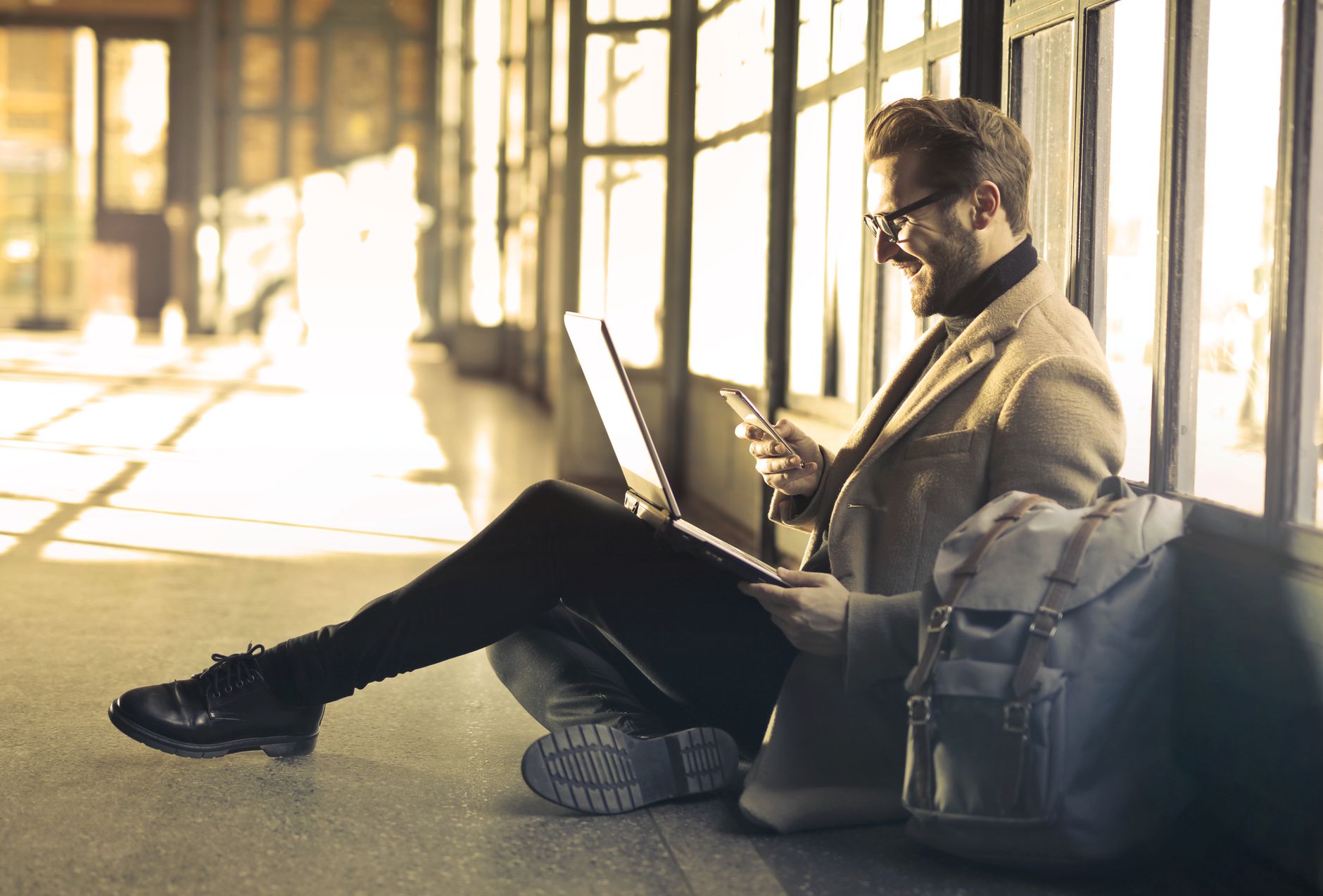
The aroma of freshly brewed coffee mingled with the distant murmur of a scooter, a familiar soundtrack to my morning in Lisbon. I was perched precariously on a wobbly stool at a tiny cafe table, my laptop teetering on the edge, neck already aching from being hunched over. The Wi-Fi flickered like a dying candle, and the power outlet I’d optimistically eyed was already claimed by someone who looked far more comfortable than I did. This was my "office" for the day, and honestly, it sucked.
I’d come to Lisbon chasing the digital nomad dream – working from anywhere, exploring new cultures, living life on my own terms. But the reality, more often than not, was a frantic hunt for reliable Wi-Fi, a comfortable seat, and a charging port. My backpack, overflowing with what I thought was "essential" gear, felt more like a burden than a liberation.
Then, I saw her.
Across the room, at a small, unassuming table, sat a local woman. Her setup was a marvel of efficiency. From a sleek, surprisingly small backpack, she produced a compact laptop stand, a slim Bluetooth keyboard, and a tiny mouse. Her laptop, propped up at eye level, was connected to a small power bank that hummed almost imperceptibly. She wore noise-canceling headphones, a picture of serene focus amidst the cafe's gentle chaos. She wasn't fighting for space or power; she was her own space. She looked comfortable, productive, and utterly self-sufficient.
That moment was my epiphany. I realized that while I was struggling to adapt to my surroundings, locals had mastered the art of creating their ideal workspace, no matter where they were. And they certainly weren't sharing their secrets with every tourist who wandered in. This wasn't about finding the best cafe; it was about building the best mobile office. And today, I'm going to spill those secrets.
Welcome, fellow wanderlusters and aspiring location-independent pros, to the ultimate guide to building a backpack workspace that locals don't want tourists to know. Because once you master this, the world truly becomes your office.
The Nomad’s Dilemma & The Local’s Secret: Why Blend In?
Most tourists, myself included initially, make a few common mistakes when trying to work remotely abroad. We head straight for the trendiest cafes, the ones plastered all over Instagram, or the popular co-working spaces with flashy signs. We jostle for power outlets, strain our necks over low tables, and often pay inflated prices for mediocre coffee and spotty Wi-Fi. It’s a recipe for frustration and inefficiency.
Locals, on the other hand, have a different playbook. They know the quiet, unassuming spots – the family-run bakeries that serve incredible pastries without the tourist markup, the tucked-away libraries with lightning-fast internet, the serene corners of city parks that offer unexpected tranquility. They don't just find these places; they create an environment within them that allows for deep work, undisturbed.
Why do they keep these spots and setups under wraps? It's simple: to preserve them. To maintain the peace, the authenticity, and often, the affordability. Imagine if every tourist descended upon their favorite quiet haunt; it would quickly lose its charm, become overcrowded, and likely raise its prices. By empowering you with the tools and knowledge to be self-sufficient, you become less of a burden and more of a respectful visitor, capable of blending into the local rhythm rather than disrupting it. This guide isn't just about gear; it's about a mindset shift that lets you work anywhere, respectfully, like a true local.
The Core Philosophy: Less is More, Multi-functional is Gold
Before we dive into specific gear, let's talk philosophy. When your office fits into a backpack, every single item must earn its place. This isn't about buying the most expensive gadgets; it's about smart, intentional choices that prioritize:
- Portability: Can it be easily carried? Is it light? Does it pack down small?
- Durability: Will it survive the bumps and scrapes of travel?
- Multi-functionality: Can one item serve several purposes? (e.g., a power bank that also charges your phone and tablet).
- Efficiency: Does it genuinely enhance your productivity or comfort?
Forget the bulky monitors and clunky keyboards. We're aiming for a sleek, minimalist setup that offers maximum utility without weighing you down. Think of yourself as a highly efficient, mobile operative whose mission is to get work done, anywhere, anytime.
Building Your Ultra-Portable Command Center: The Gear Guide
This is where the magic happens. Here’s a breakdown of the essential components for your backpack office, meticulously chosen for the discerning digital nomad.
1. The Brains: Your Lightweight Powerhouse
Your laptop or tablet is the heart of your operation.
* Recommendation: Opt for an ultra-light laptop (e.g., MacBook Air, Dell XPS 13, LG Gram) or a powerful tablet with a keyboard case (e.g., iPad Pro with Magic Keyboard, Samsung Galaxy Tab S series).
* Key Features: Prioritize excellent battery life (8+ hours minimum), sufficient RAM for your workload, and a durable build. A bright, anti-glare screen is a bonus for working outdoors.
* Personal Anecdote: I once found myself in a beautiful but remote cafe in the mountains of Northern Thailand, mid-way through a crucial client call. My aging laptop, which usually lasted 3 hours, decided to give up the ghost. The nearest power outlet was two rooms away, already occupied. That day, I vowed never again to compromise on battery life. Invest in a machine that won't leave you stranded.
2. Power Play: Never Get Caught Off Guard
Power is your lifeline. Don't underestimate its importance.
* High-Capacity Power Bank: This is non-negotiable. Look for one with at least 20,000mAh capacity and Power Delivery (PD) over USB-C, capable of charging your laptop. A good one will cost around $50-100 but is worth every penny.
* Universal Travel Adapter: Get one with multiple USB-A and USB-C ports, so you can charge several devices simultaneously. Ensure it covers all major plug types (Type A, C, G, I).
* Compact Chargers: Replace bulky laptop chargers with smaller, GaN-based chargers that offer high wattage in a tiny form factor.
* Personal Anecdote: My power bank once saved my bacon in a tiny, family-run restaurant in Oaxaca, Mexico. The Wi-Fi was surprisingly good, but there wasn't a single available outlet. My fully charged power bank meant I could work for another four hours, enjoying the local food and ambiance without a worry. Pure freedom.
3. Ergonomics on the Go: Your Body Will Thank You
Hunching over a laptop for hours is a fast track to back pain and neck strain.
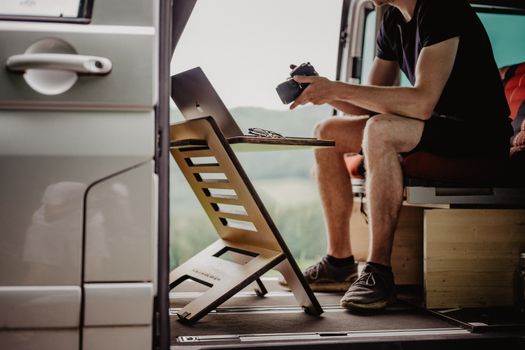
* Portable Laptop Stand: A foldable, lightweight stand is a game-changer. It raises your screen to eye level, improving posture significantly. Many options are incredibly slim and fit easily into a laptop sleeve.
* Compact Bluetooth Keyboard & Mouse: Pair your laptop stand with an external keyboard and mouse. This allows you to maintain a proper typing position. Look for slim, lightweight models that connect wirelessly.
* Noise-Canceling Headphones: Essential for focus in noisy environments. Whether it's a bustling market, a crowded cafe, or a chatty hostel common room, a good pair of ANC headphones creates a personal sanctuary.
* Personal Anecdote: For years, I dismissed a portable stand as an unnecessary luxury. My chiropractor, however, did not. After investing in a $25 foldable stand, my chronic neck pain vanished. And those noise-canceling headphones? They've turned countless chaotic airport lounges and loud hostels into productive work zones. Trust me, these are investments in your well-being and productivity.
4. Connectivity is King: Always Online, Always Secure
A digital nomad without internet is just a nomad.
* Local SIM Cards: Your primary internet solution. Upon arrival in a new country, head to a local mobile provider. For example, in Southeast Asia, you can often get 30GB of data for a month for as little as $10-20. In Europe, an eSIM or a multi-country SIM might be more practical. Always confirm data limits and validity.
* Portable Wi-Fi Hotspot (Optional but Recommended): A dedicated mobile hotspot can be a great backup or primary if you need to connect multiple devices securely. It also provides a more stable connection than relying on public Wi-Fi.
* VPN (Virtual Private Network): Absolutely essential for security on public Wi-Fi networks. A VPN encrypts your internet traffic, protecting your data from prying eyes. Many reputable services cost around $5-10/month.
* Personal Anecdote: I once relied solely on hotel Wi-Fi in Rome, only to find it was slower than a snail race. Switching to a local TIM SIM card (which cost me about €15 for 50GB) instantly transformed my productivity. I could work from literally anywhere, from a park bench overlooking the Colosseum to a quiet cafe in Trastevere, with blazing-fast speeds.
5. The Bag Itself: Your Mobile Office on Your Back
Your backpack isn't just for clothes; it's your portable office.
* Key Features: Look for a comfortable, organized, and durable backpack. Padded compartments for your laptop and tablet are crucial. Water resistance is a huge plus. Easy access pockets for chargers and headphones are convenient.
* Recommendation: Travel-specific backpacks from brands like Nomatic, Aer, or Peak Design are designed with tech organization in mind. Even a good quality daypack with a dedicated laptop sleeve can work.
* Personal Anecdote: My first "travel" backpack was a hiking pack. Great for clothes, terrible for tech. My laptop was always at the bottom, chargers tangled, and nothing felt secure. Upgrading to a backpack with smart compartments and quick-access pockets for my tech streamlined my workflow immensely and protected my valuable gear.
Unearthing the "Secret" Work Spots: Becoming a Local Nomad
Now that you're equipped, let's talk about finding those elusive, perfect work spots. This is where you truly become a local, not just a tourist.
Beyond the Obvious Cafes: Where Locals Actually Work
* Local Libraries: Often overlooked by tourists, public libraries are a goldmine. They're usually free, quiet, climate-controlled, and boast excellent, secure Wi-Fi. Many have comfortable seating and even dedicated study zones. For example, the National Library of Portugal in Lisbon or the Kyoto City Library are fantastic, serene places to work.
* University Campuses: University libraries, cafeterias, or common areas can offer a vibrant yet productive atmosphere. You might need to be discreet or ask politely if you can use their Wi-Fi (sometimes guest access is available).
* Lesser-Known Co-working Spaces: Skip the big, flashy co-working chains. Ask locals, check local expat Facebook groups, or scour Google Maps for smaller, independent co-working spaces. These often have a more authentic community feel, better prices (sometimes as low as $5-10 for a day pass), and fewer tourists.
* Park Benches with a View: With your fully charged, ergonomic setup and reliable hotspot, a beautiful park bench can become your temporary office. Imagine working with the Eiffel Tower in the distance or overlooking a serene lake.
* Quiet Corners of Museums or Cultural Centers: Many larger museums or cultural institutions have quiet cafes or seating areas that are perfect for a few hours of focused work, often with free Wi-Fi.
* Hostel Common Rooms (Off-Peak Hours): If you're staying in a hostel, the common room can be a great spot during the day when most travelers are out exploring. It’s usually quiet, has decent Wi-Fi, and often a few power outlets.
How to Find Them: Your Local Detective Skills
* Wander Off the Beaten Path: Seriously, just walk a few blocks away from the main tourist arteries. You'll be amazed at the local gems you discover.
* Ask Politely (After a Purchase): If you're in a small shop or bakery, make a purchase, then politely ask the owner, "Do you know a quiet place nearby where I could do some work for a few hours?" Locals are often happy to share their knowledge if you're respectful.
* Observe Locals: Where do they go for coffee? Where do students hang out? Follow their lead.
* Google Maps & Local Forums: Search for "quiet cafes near me," "library," or "co-working space." Join local expat or digital nomad Facebook groups for recommendations.
* Be Resourceful: Look for places with good natural light, comfortable seating, and a generally calm atmosphere.
The Golden Rule: Local Etiquette
* Be Respectful of Noise Levels: Your noise-canceling headphones are for you, not for broadcasting your music. Keep calls quiet, or step outside.
* Support Local Businesses: If you're using a cafe, buy more than just one cheap coffee. Buy a pastry, a second drink, or lunch. Don't overstay your welcome for hours on end without contributing.
* Leave No Trace: Always leave your workspace cleaner than you found it. Pack out everything you brought in.
* Blend In: The goal is to be inconspicuous. You're a visitor, not an entitled tourist.
Budgeting for the Backpack Office & Local Hacks
Building this setup doesn't have to break the bank, and it can actually save you money in the long run.
* Invest Smart, Save Later: While good gear has an upfront cost, it prevents the need for expensive co-working day passes, constantly buying overpriced cafe drinks for Wi-Fi, or dealing with costly repairs from shoddy equipment.
* Local SIMs are Cheaper: Always, always get a local SIM. It's almost always cheaper and more reliable than international roaming or relying solely on public Wi-Fi.
* Free Wi-Fi Alternatives: Libraries, parks with city-sponsored Wi-Fi, and some public transport hubs offer free internet.
* Pack Your Own Snacks/Drinks: Avoid the temptation to constantly buy expensive cafe snacks. A small thermos for coffee/tea and a few energy bars can save you significant money.
* Co-working Day Pass Deals: If you find a smaller co-working space you like, ask about discounts for multi-day passes or weekly rates. Sometimes, paying cash can even get you a small discount.
* Loyalty Programs: If you find a cafe you genuinely love, ask if they have a loyalty program. Free coffee adds up!
* Personal Anecdote: My initial investment in a high-quality power bank and a local SIM card probably paid for itself within the first month of my trip to Vietnam. I stopped stressing about finding power or Wi-Fi, which meant I saved time, money, and a lot of mental energy. That's invaluable when you're on the road.
Real-World Scenarios & My Favorite Secret Spots
Let me paint a picture of how this setup can transform your travel and work life:
- The Lisbon Cafe (My Epiphany Spot): After my initial struggle, I found a tiny, unassuming cafe in Alfama, away from the main tourist drag. It had worn wooden tables, a friendly owner, and a view of a narrow, cobbled street. With my portable stand, keyboard, mouse, and noise-canceling headphones, I transformed a small corner into my personal office. I ordered a bica (espresso) and a pastel de nata, worked for three blissful hours, bought another coffee, and left feeling refreshed and productive. The owner, seeing me work quietly and respectfully, often offered me a small treat on the house.
- The Kyoto Library: In Kyoto, I spent an entire afternoon at a modern, multi-story library. It had silent work zones, stunning views of the city, and incredibly fast, free Wi-Fi. My backpack setup allowed me to sit comfortably for hours, completely immersed in my work, only looking up to admire the serene cityscape. It was a stark contrast to the bustling Starbucks I saw tourists flocking to.
- The Chiang Mai Co-working Gem: Instead of the popular spots on Nimman Road, I discovered a smaller, independent co-working space near Wat Suan Dok. It had a lush garden, hammocks, and a community of local creatives and quiet nomads. My portable setup was perfect for moving between an indoor desk and an outdoor hammock, depending on my mood, always connected via my personal hotspot. It felt like a hidden oasis.
- The Beach Shack in Mexico: Imagine working from a simple palapa (open-sided thatched-roof dwelling) right on the beach in Tulum. With my fully charged laptop, power bank, and local SIM, I didn't need a single power outlet or reliable Wi-Fi from the shack. The gentle breeze, the sound of waves, and the occasional fresh coconut made it the most idyllic "office" I've ever had. I only needed to pop into a nearby cafe for a quick power top-up for my power bank every few days.
These experiences weren't about finding perfect infrastructure; they were about being prepared and adaptable. With your backpack office, you can turn almost any location into a productive workspace.
Staying Productive & Healthy on the Road
Having the gear is one thing; using it effectively is another.
* Set Clear Work Blocks: Just because you can work anytime doesn't mean you should. Establish clear work hours and stick to them. This creates structure and prevents burnout.
* Embrace Breaks: The beauty of remote work while traveling is the ability to explore. Take short breaks to wander, grab a local snack, or simply observe your surroundings. This recharges your mind.
* Prioritize Ergonomics: Even with your portable stand and peripherals, remember to stretch regularly. Stand up, walk around, do some neck rolls. Your body will thank you.
* Mindfulness & Digital Detox: It's easy to get caught up in the grind. Schedule time to completely disconnect – no laptop, no phone. Immerse yourself in the local culture, go for a hike, or simply relax.
* Stay Hydrated & Eat Well: Don't let travel fatigue compromise your health. Drink plenty of water and seek out healthy, local food options.
---
Conclusion: Your Passport to True Location Independence
The dream of working from anywhere isn't a fantasy; it's a tangible reality, and it starts with your backpack. By thoughtfully curating your portable workspace and adopting the respectful, resourceful mindset of a local, you unlock a level of freedom and productivity that most travelers only dream of. No more frantic hunts for power outlets, no more spotty Wi-Fi woes, no more aching necks.
You're not just a tourist with a laptop; you're a self-sufficient, location-independent professional, capable of thriving in any corner of the world. You’ll find yourself blending in, discovering hidden gems, and experiencing destinations on a deeper, more authentic level.
So, are you ready to ditch the traditional office and embrace the world as your workspace? Start building your ultimate backpack office today, and watch as your travel experiences transform.
Share your own secret work spots and ingenious backpack setups with us! Use #TripsoraNomad and #BackpackOffice on Instagram and tell us where you're working from next! What's the one piece of gear you can't live without? Let us know in the comments below!
---