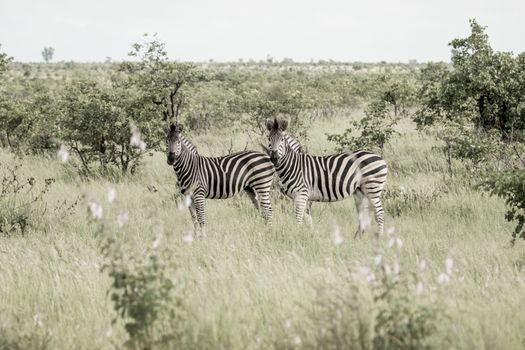
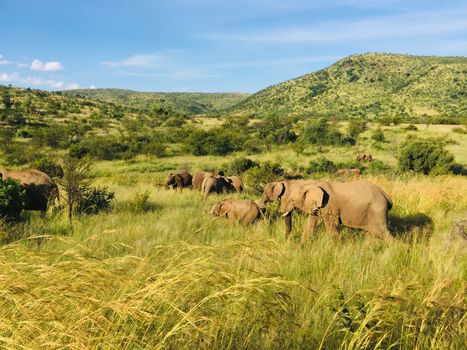
The sun dipped below the horizon, painting the Maasai Mara in fiery hues of orange and purple. A gentle breeze carried the scent of dry grass and distant rain. In front of us, a pride of lions, bellies full from a recent kill, lay sprawled in the cooling evening air. We watched, mesmerized, from a respectful distance in our safari vehicle, the only sound the click of a camera and the quiet awe of our group. Our guide, a local Maasai elder named Joseph, whispered stories of the land, of the animals, and of the delicate balance his community worked tirelessly to maintain.
It was a moment of pure, unadulterated wildness, and it hit me then: this is what ethical wildlife travel is all about. Not a staged selfie with a sedated tiger, not an elephant ride, not a swim with captive dolphins. This was real. This was impactful. And this was a far cry from the glossy, often misleading, images that flood our social media feeds.
For years, like many of you, I was drawn to those picture-perfect moments – the "look how close I am to this exotic animal!" posts. I remember almost booking a trip to a "sanctuary" in Southeast Asia, lured by photos of people petting baby elephants. Thankfully, a friend, a seasoned conservationist, intervened, gently explaining the dark side of such operations. That conversation was a turning point for me, sparking a deep dive into what truly constitutes ethical wildlife tourism. And what I found was a vibrant, rewarding world of experiences that not only fulfill your wanderlust but also actively contribute to the survival of the very creatures you yearn to see. This is the stuff Instagram influencers often miss, or worse, ignore.
The Instagram Illusion: Why 'Cute' Can Be Cruel
Let's be brutally honest: many of the "cute" animal encounters you see online are anything but. That picture of a traveler cuddling a sloth? Likely a highly stressed animal, taken from its natural habitat, possibly sedated. The iconic elephant ride? Often involves brutal "breaking" processes and years of physical abuse. Swimming with captive dolphins? These intelligent, social creatures are confined to tiny pools, performing tricks for food, their natural instincts suppressed. Even some "orphanages" or "rescue centers" are fronts for breeding programs, illegal wildlife trade, or simply keeping animals in unnatural conditions for tourist dollars.
The problem is, these images go viral. They normalize harmful practices, creating a demand that fuels exploitation. As travelers, we have the power to change this narrative. We can choose to support operations that prioritize animal welfare and genuine conservation. The good news? These ethical experiences are often far more profound, authentic, and memorable than any staged photo op.
1. Ethical Wildlife Volunteering: Get Your Hands Dirty (The Right Way)
Forget the "voluntourism" scams that charge exorbitant fees for minimal impact. True ethical wildlife volunteering means getting involved with legitimate, science-backed conservation projects where your time and effort genuinely contribute. This isn't about cuddling animals; it's about hard work, dedication, and a deep respect for the wild.
My Experience: Sloth Sanctuary & Rehabilitation in Costa Rica
One of my most rewarding experiences was volunteering at the Jaguar Rescue Center (JRC) in Puerto Viejo, Costa Rica. This isn't a place for tourist selfies with animals; it's a dedicated facility rescuing, rehabilitating, and releasing injured, orphaned, or confiscated wild animals. My days were a mix of preparing specialized diets, cleaning enclosures, helping with enrichment activities, and observing the animals from a non-intrusive distance. I wasn't allowed to directly touch or interact with the sloths, monkeys, or birds unless it was for a medical reason under strict supervision – and that's precisely how it should be. The goal is to minimize human imprinting, ensuring these animals can be successfully released back into the wild.
- What it entails: You might be involved in habitat restoration, anti-poaching patrols, data collection, monitoring nesting sites, or assisting with animal care (cleaning, food prep, facility maintenance). It's often physically demanding and requires a real commitment.
- Where to look:
- Costa Rica: JRC (Puerto Viejo), Kids Saving The Rainforest (Manuel Antonio) – both focus on rehabilitation and release.
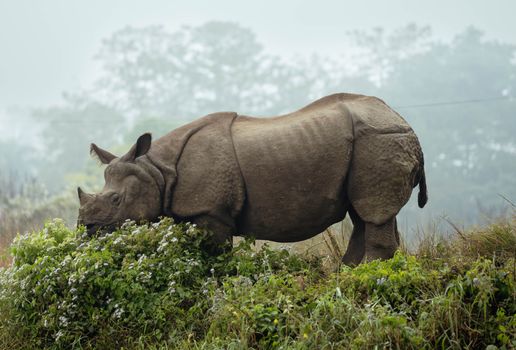
- South Africa: Shamwari Conservation Experience (Eastern Cape) – focuses on big cat and rhino conservation, anti-poaching.
- Thailand: Wildlife Friends Foundation Thailand (WFFT) – a fantastic sanctuary rescuing elephants, bears, primates, and more from exploitation.
- Practical Tips:
- Vetting is crucial: Look for organizations accredited by bodies like the Global Federation of Animal Sanctuaries (GFAS) or those recommended by reputable conservation groups (e.g., World Animal Protection - WAP).
- Ask tough questions: Do they have a clear rehabilitation and release policy? Do they allow direct contact with wild animals? Are the animals captive-bred or rescued? Where does your money go?
- Cost: Volunteering often involves a fee (typically $500-$1500+ per week/month) which covers your accommodation, food, and contributes directly to the project's operational costs. It’s an investment, but one that yields immense personal and environmental returns.
2. Responsible Ecotourism & Safaris: Witnessing Wildness, Supporting Conservation
This is where your travel dollars become a powerful tool for conservation. Ethical ecotourism and safaris prioritize minimal environmental impact, provide direct economic benefits to local communities, and actively support wildlife protection efforts.
My Experience: Gorilla Trekking in Rwanda
Standing just meters away from a magnificent silverback gorilla, watching his family forage and play in the dense Virunga rainforest, was an almost spiritual experience. The silence was broken only by the rustle of leaves and the occasional grunt of a gorilla. This was Volcanoes National Park in Rwanda, and our permit fee (around $1500 USD per person for an hour with the gorillas) went directly to the Dian Fossey Gorilla Fund and local community development. Our guides, former poachers now employed as trackers and protectors, shared their deep knowledge of the forest and the individual gorilla families.
- What makes it ethical: Small group sizes, highly trained local guides, strict rules about distance and interaction, and significant portions of your fees directly funding conservation and anti-poaching efforts. The animals are truly wild, unhabituated to human presence beyond a respectful observation.
- Where to go:
- Rwanda & Uganda: Gorilla trekking (Volcanoes National Park, Bwindi Impenetrable National Park). Hugely impactful, but permits sell out fast!
- Kenya & Tanzania: Safari in the Maasai Mara, Serengeti, or Amboseli. Look for lodges and tour operators that are community-owned, employ local staff, and actively participate in conservation initiatives (e.g., Great Plains Conservation, &Beyond, Wilderness Safaris).
- Botswana: Known for its low-impact, high-value tourism model, particularly in the Okavango Delta.
- Practical Tips:
- Research operators: Choose companies with strong conservation credentials, transparent community engagement, and eco-friendly practices (solar power, waste management).
- Ask about local employment: Do they hire and train local guides and staff? Do they source local produce?
- Understand the cost: Ethical safaris and treks are often more expensive, but this price reflects the significant investment in conservation, community development, and highly skilled personnel. It's not just a vacation; it's a contribution.
3. Citizen Science & Wildlife Monitoring: Be a Part of the Research
Ever wanted to feel like a real scientist, contributing to vital research? Citizen science projects allow travelers to do just that, collecting data that helps conservationists understand and protect various species.
My Experience: Reef Monitoring in the Maldives
I once spent a week in the Maldives, not just lounging, but actively participating in a coral reef monitoring program. After a brief training session, I learned how to identify different coral species, count fish, and assess reef health during guided snorkeling and diving expeditions. Each evening, we'd input our data, which contributed to a larger database used by marine biologists to track the impact of climate change and develop conservation strategies. It was incredible to feel like my vacation had a tangible scientific purpose.
- What it entails: Depending on the project, you might be identifying individual whales or dolphins through photo-ID, tracking migratory birds, monitoring sea turtle nesting sites, or assisting with marine debris cleanups.
- Where to look:
- Maldives/Great Barrier Reef (Australia): Coral reef monitoring and marine life identification.
- Hawaii/Mexico: Whale and dolphin identification projects.
- Various locations globally: Earthwatch Institute offers a wide range of expeditions, from tracking big cats in South Africa to studying climate change in the Arctic.
- Practical Tips:
- No experience needed: Most projects provide full training. What's needed is enthusiasm and a willingness to follow scientific protocols.
- Check the organization's mission: Ensure their primary goal is scientific research and conservation, not just tourism.
- Be prepared for varying conditions: Some projects involve rough seas, remote locations, or long hours.
4. Supporting Local Communities & Indigenous Conservation Efforts
Often, the most effective conservation happens at the local level, driven by communities who live alongside wildlife and have an intimate understanding of their ecosystems. Supporting these initiatives is paramount.
My Experience: Amazon Rainforest with Indigenous Guides, Peru
My journey into the Peruvian Amazon was transformative, largely because of our guides from the Ese Eja community. They led us through the dense jungle, not just pointing out exotic flora and fauna, but sharing their ancestral knowledge of medicinal plants, animal tracks, and sustainable living. They taught us how their traditions were intrinsically linked to the health of the rainforest, and how responsible tourism directly empowered them to protect their land from illegal logging and mining. We stayed in a lodge built and managed by the community, and every dollar spent on tours, handicrafts, and accommodation went directly back to them.
- What it entails: Choosing lodges, tours, and experiences that are owned, operated, and staffed by local and indigenous communities. This ensures that tourism revenue directly benefits those who are often the frontline guardians of biodiversity.
- Where to look:
- Peruvian Amazon: Numerous community-based lodges (e.g., Posada Amazonas) offer authentic experiences with indigenous guides.
- Borneo (Malaysia/Indonesia): Community-led initiatives for orangutan conservation and sustainable tourism.
- Namibia: Conservancies like the Torra Conservancy, where local communities manage wildlife and benefit directly from tourism.
- Practical Tips:
- Seek out community-owned enterprises: These often offer the most authentic and impactful experiences.
- Engage respectfully: Be open to learning about local cultures and traditions.
- Buy local: Support local artisans and businesses directly.
5. Before You Go: A Checklist for Ethical Wildlife Encounters
Ready to plan your next impactful adventure? Here’s a quick checklist to ensure your experiences truly help animals:
- Research, Research, Research: Don't just trust pretty pictures. Dig into reviews, check conservation accreditations (like GFAS for sanctuaries, or WAP's recommendations), and look for transparent reporting on where your money goes.
- Hands-Off Policy: A golden rule. If you can touch, ride, or take a selfie with a wild animal, it's likely not an ethical operation. True sanctuaries and conservation projects prioritize minimal human interaction.
- Wild vs. Captive: Opt for experiences where animals are truly wild, in their natural habitat. If they are in captivity (e.g., a rescue center), ensure they are there for rehabilitation and release, not for entertainment or profit.
- Observe Natural Behavior: The most rewarding experiences are watching animals behave naturally – foraging, playing, resting – without human interference.
- Small Groups, Local Guides: Smaller group sizes minimize disturbance and allow for more intimate, educational experiences. Local guides provide invaluable insights and direct economic benefit.
- Question Animal Origins: If visiting a sanctuary, ask where the animals came from. Were they rescued from the illegal pet trade, or are they being bred for tourist interaction?
- Don't Feed Wild Animals: This alters their natural behavior, makes them dependent on humans, and can lead to aggression or health issues.
- Leave No Trace: Always follow park rules, pack out what you pack in, and minimize your environmental footprint.
- Your "Instagram Moment": Focus on capturing the environment and the natural majesty of animals from a respectful distance. Use a zoom lens! Share the story of why it's an ethical experience, inspiring others to choose wisely. #EthicalWildlifeTravel #ConservationAdventures #RealWild
Conclusion: Be the Change You Wish to See in the Wild
The world of wildlife is facing unprecedented challenges, from habitat loss to poaching and climate change. As travelers, we hold immense power in our choices. We can continue to fuel the exploitative "cute animal selfie" industry, or we can choose to be part of the solution.
My journey from naive admirer to conscious traveler has shown me that the most breathtaking, soul-stirring wildlife encounters are those where respect, conservation, and genuine connection take center stage. They don't always fit into a perfectly curated Instagram square, but they leave an indelible mark on your heart and truly contribute to a better future for our planet's incredible creatures.
So, next time you plan a trip, ask yourself: Am I just looking for a photo, or am I seeking a profound experience that makes a real difference? Choose wisely. Travel ethically. And help us rewrite the narrative, one responsible adventure at a time. Let's make sure the wild remains wild, for generations to come.
What ethical wildlife experience are you dreaming of? Share your thoughts and plans in the comments below!
---