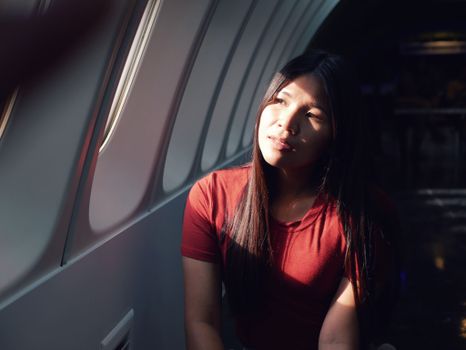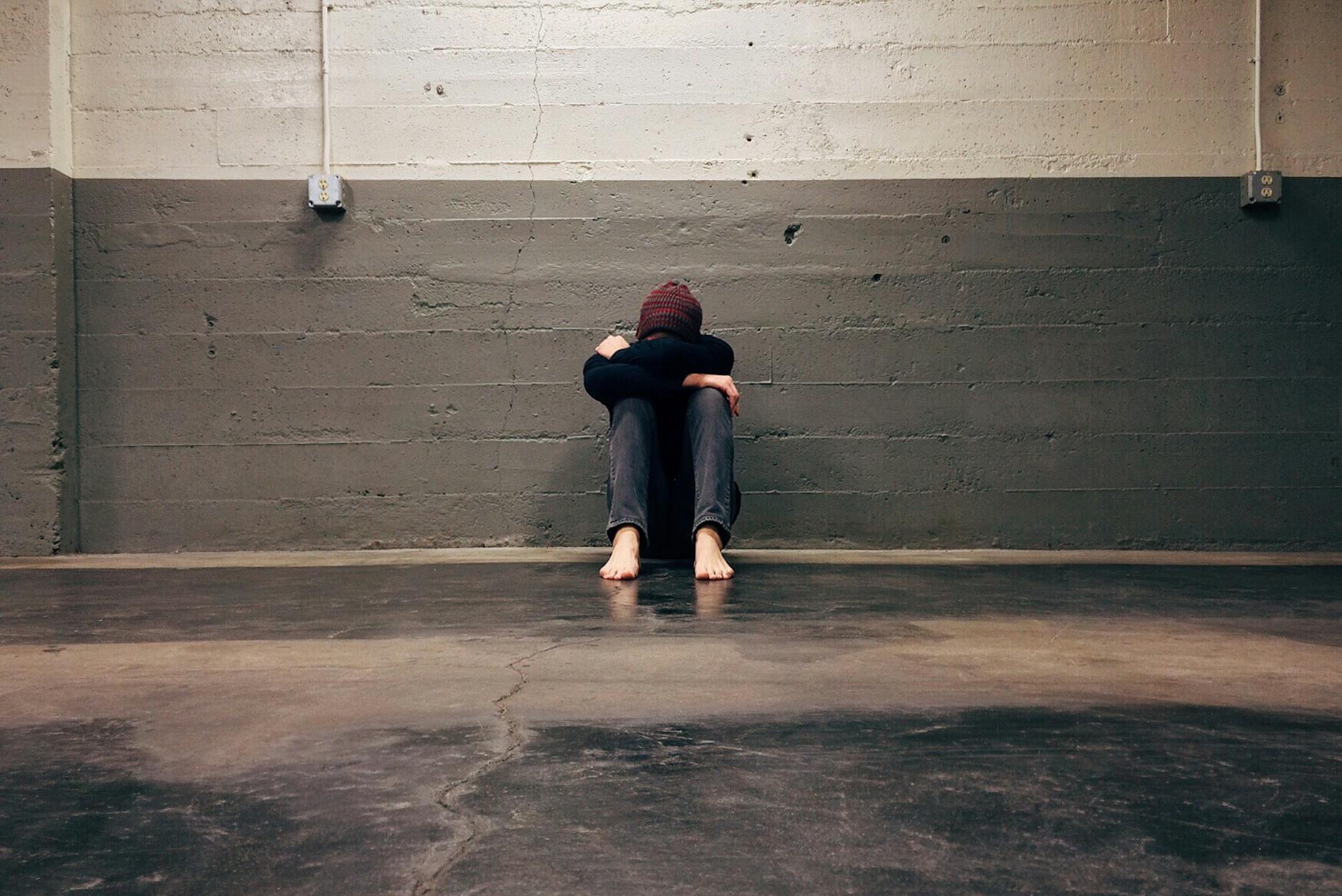
You are not the only one who is nervous
If the idea of travelling alone both thrills and terrifies you, you are in good company. Surveys of travellers and countless blogs describe the same pattern: a strong desire to go, followed by a list of worries that makes the trip feel impossible. What will I do if something goes wrong? Will I be lonely? Will I look silly eating alone? Is it safe?
The reassuring truth is that most solo trips go smoothly, and most fears shrink once you break them into practical steps. This guide will help you identify your specific worries, plan around them, and build confidence gradually. You do not have to be fearless to travel alone. You only need a plan and a willingness to start.
Step 1: Name your fears
Vague anxiety feels huge, but specific worries can be solved. Take ten minutes with a notebook and write down everything you are afraid of. Common fears include:
- Safety, theft or harassment.
- Getting lost or missing transport.
- Loneliness or boredom.
- Eating alone.
- Getting ill or having an accident.
- Language barriers.
- Not being able to handle problems.
- Spending too much money.
Next to each fear, write one action that could reduce it. For example, if you fear getting lost, download offline maps. If you worry about loneliness, plan activities where you meet people. Many fears become manageable once they have a solution attached.
Step 2: Start with an easy trip
You do not need to begin with three months in a remote region. Start with a trip that matches your comfort level.
- A long weekend in a nearby city where you speak the language or can get by easily.
- A short trip to a country with a strong tourism infrastructure, such as Portugal, Japan, Singapore, Iceland or Canada.
- A small-group tour for solo travellers, where you have company but still make some choices alone.
A successful first trip builds confidence for the next one. Gradually increase the length and difficulty.
Step 3: Plan for safety
Sensible preparation reduces risk and helps you feel secure.
- Research your destination. Check your government's travel advice, local laws and customs, and common scams.
- Choose accommodation carefully. Look for places with good recent reviews, especially about safety, location and staff helpfulness.
- Share your itinerary. Tell someone where you are staying, and check in at agreed times.
- Arrange your arrival. Book an airport transfer or know exactly how to reach your accommodation, especially if you arrive late.
- Buy travel insurance that covers medical care and theft.
- Keep copies of important documents digitally and on paper.
- Use common-sense precautions. Avoid displaying valuables, be careful about drinks, and trust your instincts.
If you are a woman travelling alone, or if you belong to a group that may face specific risks in certain places, look for advice from travellers with similar experience and check destination-specific guidance.
Step 4: Deal with loneliness before it starts
Many solo travellers say that loneliness is less of a problem than they feared, but it can happen. Plan ways to connect.
- Stay in social accommodation, such as hostels with common areas, small guesthouses or places that organise group dinners.
- Join walking tours, food tours or classes. These are easy ways to meet people.
- Use language exchange events and local meetups, which are common in many cities.
- Volunteer for a day or take a short course.
- Talk to people. Ask questions, accept invitations and be open to conversations.
Also plan time alone. Quiet moments can be restorative, and learning to enjoy your own company is one of the gifts of solo travel.
Step 5: Eating alone
Eating alone is a common fear, but it becomes easier with practice.
- Choose casual places first, such as food courts, markets, bakeries and counters.
- Sit at the bar or a shared table, which feels more natural.
- Bring a book or journal, or simply watch the room.
- Eat at off-peak times if the busy lunch or dinner rush feels intimidating.
- Try a food tour or cooking class to share a meal with others.
Remember that nobody is watching you as closely as you think. In many countries, eating alone is completely normal.
Step 6: Handling problems
Things will go wrong at some point: a delayed flight, a lost bag, an upset stomach. Preparation helps you stay calm.
- Keep a small emergency fund or a spare card.
- Know the emergency numbers for your destination.
- Keep your embassy's contact information.
- Save your insurance details and the 24-hour helpline.
- Allow buffer time between flights and commitments.
If a problem occurs, take a breath, assess the situation and ask for help. People are generally kind. Many solo travellers say that solving a problem alone was the moment they felt most confident.
Step 7: Manage language barriers
You do not need to be fluent. Learn a few phrases, such as hello, thank you, please and how much. Use a translation app, and download offline language packs. Pointing, smiling and patience go a long way.
In tourist areas, English is often widely understood, but in smaller towns it may not be. Carry your accommodation's address written in the local language for taxis.
Step 8: Control your budget
Financial worries can add to anxiety. Set a daily budget and track your spending. Choose a few splurges, such as a special meal or experience, and save elsewhere. Carry a mix of payment methods, and have a backup if your card is blocked.
Step 9: Build your skills before you go
If you are nervous about specific things, practise at home.
- Navigate your own city with only a map app.
- Eat out alone a few times.
- Take a day trip alone to a nearby town.
- Try a short solo walk or hike on a well-marked route.
These small experiments show you that you can cope.
Step 10: Give yourself permission to change plans
You do not have to stick to a rigid itinerary. If a place does not feel right, move on. If you are tired, rest. If you want to cut the trip short, that is acceptable. Flexibility reduces pressure and makes the trip more enjoyable.
Common myths about solo travel
Myth: Solo travel is dangerous.
Risks exist, but with research and common sense, most trips are safe. Many people find that solo travel makes them more aware and careful.
Myth: You will be lonely all the time.
Many solo travellers meet more people than when travelling with a companion, because they are more open to conversation.
Myth: Only extroverts can travel alone.
Introverts often enjoy solo travel because they can control their pace and downtime.
Myth: You must be adventurous.
You can have a quiet, comfortable solo trip in a well-organised destination.
A simple first-trip plan
- Choose a destination that feels manageable.
- Book a central, well-reviewed place to stay for the first two nights.
- Plan one or two activities that connect you with others.
- Download maps and translation tools.
- Share your itinerary with someone.
- Set small goals, such as eating at a local restaurant or taking public transport.
- Reflect each evening on what went well.
Frequently asked questions
What if I get sick?
Carry basic medication and know where to find a pharmacy or doctor. Insurance can help with costs and provide a helpline.
What if I feel overwhelmed?
Take a break, find a quiet cafe or return to your accommodation. It is fine to rest.
Is it better to join a group tour?
A group tour can be a good first step, especially if you want company. Many travellers combine solo exploration with short tours.
How do I overcome the fear of the unknown?
By taking small steps. Each successful experience reduces uncertainty.
Summary
Fear is a normal part of preparing to travel alone. Name your worries, prepare practical solutions, start with an easy trip, and give yourself room to adapt. Most travellers discover that the first day is the hardest, and that the trip leaves them stronger and more independent. Check your government's travel advice for your destination before you go.