Ditch the Filters: Authentic Autumn Harvests Influencers Don't Want You to Know
Let’s be honest. We’ve all scrolled through Instagram, eyes glazing over at another perfectly curated autumn travel feed. The impeccably dressed influencer sipping a pumpkin spice latte in a pristine orchard, strategically placed fallen leaves, a flawless smile. It looks beautiful, sure, but does it feel real? Does it make you feel like you’re actually experiencing anything beyond a photo op?
I used to chase those moments, armed with my camera and a mental checklist of "must-get" shots. My first apple-picking experience was less about the apples and more about finding the perfect light for a selfie. I left feeling… empty. Like I’d consumed content, not created memories.
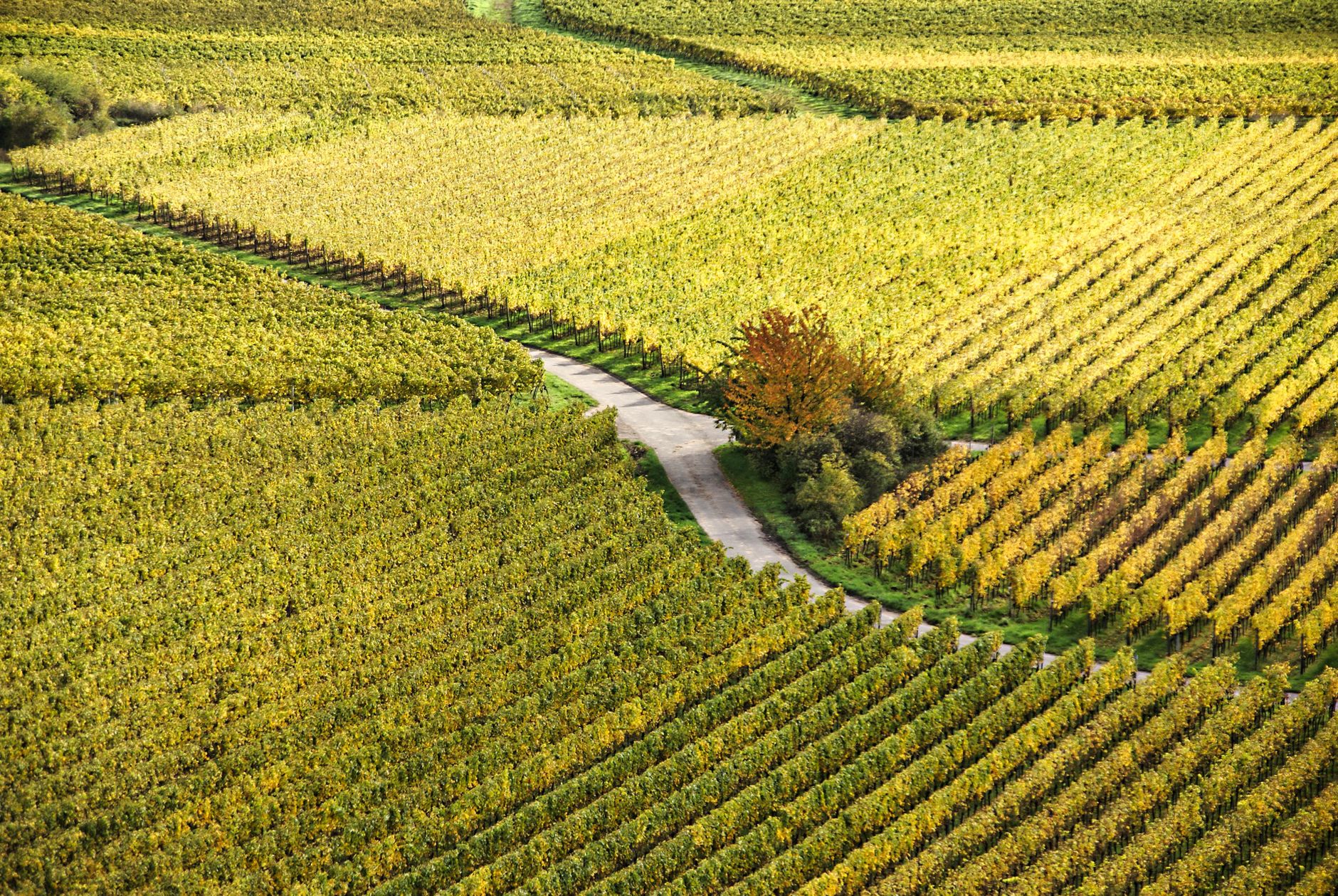
Then, a few years ago, a friend invited me to her family's small vineyard in rural France during vendemmia – grape harvest. No fancy outfits, no professional photographers. Just sticky hands, aching backs, the smell of fermenting grapes, and the most incredible, unpretentious feast I've ever had. We laughed, we toiled, and yes, we even stomped some grapes. It was messy, exhilarating, and profoundly authentic. And you know what? Those "imperfect" photos of my purple-stained feet and genuine grin? They’re my most cherished travel memories.
That experience opened my eyes to a whole world of autumn harvests that are far more rewarding than anything you’ll see trending online. These are the experiences that connect you to the land, the food, and the people who grow it. They're about tangible effort, shared meals, and the simple joy of participating in ancient traditions. And trust me, they’re incredibly Instagram-worthy in the most authentic way possible – no filters needed.
Ready to trade your perfect pose for real purpose? Let’s dive into the autumn harvests influencers don’t want you to know (because they’re too busy staging their next sponsored post).
Why Chase Authenticity? Beyond the Picture-Perfect Facade
Before we get into the nitty-gritty of where and how, let’s talk about why these experiences matter. In a world saturated with digital perfection, there’s a hunger for something real. Participating in a harvest isn't just a tourist activity; it's a dive into culture, a lesson in sustainable living, and a connection to the source of your food.
- Taste the Difference: Ever tasted olive oil pressed just hours after picking? Or a glass of wine made from grapes you personally helped gather? The flavors are incomparable.
- Connect with Locals: These aren't commercial tours; they're often family affairs. You'll work alongside locals, learn their stories, and share meals that are the heart of their culture.
- Learn a Skill: Whether it's the delicate art of picking olives without bruising them or the rhythmic swing of a grape knife, you'll gain practical knowledge and a deeper appreciation for agricultural labor.
- Mindful Travel: It’s a slow, deliberate form of travel that encourages presence and gratitude. It's about the process, not just the destination.
- Unforgettable Memories: Trust me, a photo of you covered in mud from a cranberry bog will spark more joy and conversation than another staged shot by a scenic overlook.
Now, let's explore some incredible hands-on harvest experiences awaiting you this autumn.
1. The Joyful Mess: Grape Stomping & Harvest in Wine Country
Where:
While Tuscany is famous, consider lesser-known regions like Piedmont, Italy (Barolo, Barbaresco wines), Languedoc-Roussillon, France (South of France, less formal), Douro Valley, Portugal (Port wine country), or even smaller, family-run vineyards in California's Sierra Foothills or Oregon's Willamette Valley.
When:
Typically late August through October, depending on the grape variety and climate. Early September is often prime time in many European regions.
My vendemmia experience in France was transformative. We woke early, the air crisp and dewy, and headed to the vines with clippers and buckets. The work was repetitive but meditative, filled with chatter and laughter. The real fun began in the evening: the festa della vendemmia. After a hearty meal, the old stone palmento (treading tank) was filled with grapes. Barefoot, we stepped in, the grapes cool and squishy between our toes, the sweet juice oozing out. It's surprisingly therapeutic and incredibly joyous! The best part? The shared meal afterwards, where stories flow as freely as the freshly pressed must.
How to Participate:
* Agriturismo Stays: Many agriturismos (farm stays) in Italy, France, and Portugal offer harvest experiences as part of their stay. Search "agriturismo vendemmia" or "grape harvest stay [region name]".
* Example: Agriturismo Cascina Praié in Piedmont, Italy, sometimes offers harvest participation for guests, followed by a traditional meal. Prices vary but expect around €150-€300 per night for a stay including meals and activities during harvest season.
* Small Wineries: Contact smaller, family-run wineries directly. They are often more open to having volunteers or guests participate for a day or two, especially if you offer to help.
* WWOOF/Helpx: For a deeper immersion, consider volunteering through WWOOF (World Wide Opportunities on Organic Farms) or Helpx. You’ll exchange work for accommodation and food, getting a truly authentic experience.
Tripsora Tip:
Wear old clothes you don't mind getting stained. Bring sturdy closed-toe shoes for the fields and something comfortable and washable for stomping. And definitely bring a change of clothes!
2. The Golden Harvest: Olive Picking in the Mediterranean Sun
Where:
Crete, Greece (known for its excellent olive oil), Andalusia, Spain (the largest olive oil producer), Puglia, Italy (ancient olive groves), Dalmatian Coast, Croatia.
When:
Late October to early December.
There's something incredibly serene about an olive grove. The gnarled, ancient trees, the silvery-green leaves shimmering in the autumn sun. My first olive harvest was in a small village in Crete. We used long poles to gently tap the branches, letting the olives fall onto nets spread beneath the trees. It’s meticulous work, requiring patience and a gentle touch. The air was filled with the earthy, slightly bitter scent of fresh olives.
The true magic happened at the local pressa (olive mill). Watching the olives transform into a vibrant, emerald-green oil, smelling its peppery aroma, and then tasting it, still warm, on a piece of fresh bread – it’s an experience that awakens all your senses. This isn't just food; it's liquid gold, generations of tradition in every drop.
How to Participate:
* Agriturismos & Rural Stays: Similar to grape harvests, many farm stays in olive-producing regions offer guests the chance to participate.
* Example: Masseria Cervarolo in Puglia, Italy, often has olive harvest activities for guests in November. Stays can range from €180-€400 per night, often including meals.
* Local Festivals: Look for "Festa dell'Olio Nuovo" (New Oil Festival) or similar events in November, which often include demonstrations and sometimes opportunities to try picking.
* Direct Farm Contact: Search for small, organic olive farms online and reach out. Many appreciate an extra pair of hands, especially if you’re genuinely interested in learning.
Tripsora Tip:
Bring comfortable, sturdy shoes (the ground can be uneven), work gloves, and layers. The mornings can be cool, but the midday sun can be strong. Be prepared for some bending and reaching!
3. The Ruby Tide: Cranberry Bogging in North America
Where:
Wisconsin, USA (the largest producer), Massachusetts, USA (where cranberries originated), British Columbia, Canada.
When:
Late September to late October.
This is perhaps one of the most visually stunning and unique harvests you can experience. Imagine a vast field flooded with water, thousands upon thousands of bright red cranberries floating on the surface like a ruby tide. It's truly breathtaking.
I visited a cranberry bog in Wisconsin a few years ago, and it felt like stepping into a painting. Cranberries are harvested using a "wet harvest" method, where bogs are flooded, and machines called water reels churn the water to dislodge the berries. Then, workers in waders walk through the bog, corralling the floating berries with booms. It's cold, wet, and utterly exhilarating. You're surrounded by this incredible color, the air is crisp, and the sheer scale of the operation is awe-inspiring.
How to Participate:
* Bog Tours: Many cranberry farms offer guided tours during harvest season, some even allowing you to don waders and step into the bog for photos and a hands-on experience.
* Example: Stone Bridge Farm in Massachusetts offers bog tours and "Wade in the Bog" experiences during harvest, typically around $50-75 per person. Book well in advance!
* Festivals: Look for local Cranberry Festivals (e.g., Warrens Cranberry Festival in Wisconsin, Harwich Cranberry Festival in Massachusetts), which often have farm tours and demonstrations.
* Check Local Tourism Boards: State or provincial tourism websites often list farms offering public access or volunteer opportunities during harvest.
Tripsora Tip:
Dress warmly in layers, including waterproof outer layers. Bring waterproof boots (or be prepared to rent waders if offered). A waterproof phone case is a must for those incredible ruby-red photos!
4. Beyond the Orchard: Heirloom Apple & Pear Picking for Artisanal Treats
Where:
New England, USA (Vermont, New Hampshire), Pacific Northwest, USA (Oregon, Washington), Kent, UK (the "Garden of England"), Normandy, France (for cider apples).
When:
Late August to late October, depending on variety.
Most apple-picking experiences are designed for families and Instagram. But delve a little deeper, and you can find small, independent farms specializing in heirloom varieties – apples you've never heard of, each with its own unique flavor profile. This isn't about filling a bag for a pie; it's about discovering the rich history and diversity of fruit.
I stumbled upon a small farm in Vermont that specialized in obscure cider apples. The farmer, a grizzled old-timer named Silas, had varieties that dated back hundreds of years. We spent a morning picking, learning about each apple's unique characteristics and its perfect use – some for sweet cider, some for tart hard cider, others for baking. The best part was helping him press a small batch of fresh cider right there on the farm. The aroma alone was intoxicating.
How to Participate:
* Small, Organic Farms: Seek out smaller, independent farms that emphasize heirloom varieties or artisanal cider/jam production. Use resources like LocalHarvest.org or regional farmers' market directories.
* Example: Scott Farm Orchard in Vermont specializes in heirloom apples and sometimes offers unique picking experiences or workshops. Check their events calendar.
* Cideries & Distilleries: Many craft cideries or distilleries (especially in the UK and France) source locally and might offer harvest days.
* "Pick Your Own" with a Twist: Look for PYO farms that highlight specific, unusual varieties, rather than just "apples."
Tripsora Tip:
Bring sturdy baskets or reusable bags. Ask the farmer about the best way to pick each variety to avoid bruising. Don't be afraid to ask for a taste test – that's part of the fun!
5. Into the Wild: Foraging for Autumn's Hidden Treasures
Where:
Pacific Northwest, USA (for mushrooms), Scandinavian Forests (for berries and mushrooms), Black Forest, Germany (mushrooms), Scottish Highlands, UK (berries, wild garlic).
When:
Late August to November, depending on the specific treasure.
This is perhaps the most "influencer-proof" harvest experience of all, requiring genuine knowledge and a willingness to get truly off the grid. Foraging for wild mushrooms, berries, or nuts is an ancient practice that connects you deeply to the natural world.
I joined a guided mushroom foraging tour in the Olympic National Forest in Washington State. Our guide, a passionate mycologist, taught us how to identify edible mushrooms from their poisonous lookalikes, where to find them, and how to harvest them sustainably. It was like a treasure hunt, each discovery a small victory. We found chanterelles, porcinis, and even some elusive Matsutake. The reward? A delicious meal cooked over a campfire, featuring our freshly picked bounty.
How to Participate:
* Guided Foraging Tours: This is crucial for safety, especially with mushrooms. Seek out experienced local guides or companies specializing in foraging tours.
* Example: Forage & Feast in the Pacific Northwest offers guided mushroom forays. Prices typically range from $75-150 per person for a half-day tour.
* Local Experts: Ask at local farmers' markets or health food stores if they know of local foragers who offer workshops.
* Wild Edible Workshops: Check nature centers or botanical gardens in your destination for educational programs.
Tripsora Tip:
Never, ever eat anything you've foraged unless you are 100% certain of its identification, preferably with the help of an expert. Wear sturdy hiking boots, long pants, and sleeves to protect against ticks and scratches. Bring a basket (not plastic bags, which can make mushrooms sweat) and a small knife.
Practical Tips for Your Authentic Harvest Adventure
Ready to plan your trip? Here are some essential tips to make your experience smooth and memorable:
- Do Your Research & Book Ahead: Harvest seasons are short and popular. Start looking for opportunities months in advance, especially for agriturismo stays.
- Contact Directly: Don't be shy! A friendly email or phone call to a small farm can often yield incredible opportunities. Explain your interest in learning and helping.
- Be Flexible: Harvest dates can shift due to weather or crop readiness. Keep your travel plans somewhat flexible if possible.
- Dress for the Job: Wear comfortable, durable clothing you don't mind getting dirty. Sturdy, closed-toe shoes are a must. Layers are always a good idea.
- Bring Essentials: Water bottle, snacks, sunscreen, hat, work gloves, and a small first-aid kit.
- Embrace the Imperfection: This isn't a photoshoot; it's real life. Expect dirt, sweat, and maybe a few sore muscles. That's part of the charm!
- Learn a Few Local Phrases: Even a simple "hello," "thank you," and "delicious" in the local language can go a long way in building rapport.
- Respect the Land & People: Follow instructions from farmers, don't waste produce, and be mindful of your impact. You are a guest in their livelihood.
- Capture Authentically: Take photos, of course! But focus on candid shots, close-ups of your hands at work, and the genuine interactions. These are the stories you'll want to share.
- Savor the Rewards: The best part of any harvest is enjoying the fruits (or olives, or grapes!) of your labor. Participate in the meals, taste the fresh produce, and truly appreciate the connection from farm to table.
The True Harvest: Memories Over Likes
Stepping away from the curated perfection of social media and into the messy, beautiful reality of an autumn harvest is one of the most rewarding travel experiences you can have. It’s about getting your hands dirty, connecting with the earth, and sharing moments with people who live and breathe these traditions.
These aren’t just trips; they’re lessons in gratitude, sustainability, and the simple joy of honest work. You won’t just bring home souvenirs; you’ll bring home stories, skills, and a deeper appreciation for the food on your plate.
So, this autumn, skip the influencer-approved spots. Seek out the authentic, the hands-on, the slightly off-the-beaten-path. Get dirty, taste something incredible, and create memories that are truly, uniquely yours.
What autumn harvest are you dreaming of participating in? Share your thoughts in the comments below! And if you've had an amazing authentic harvest experience, tell us about it! Let's inspire each other to travel deeper.
---