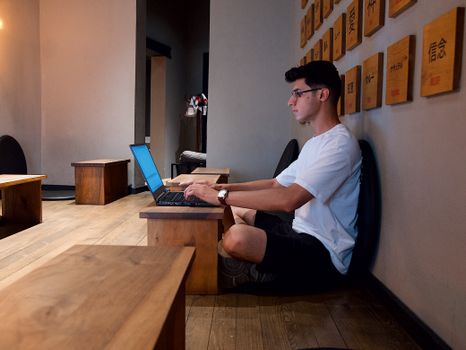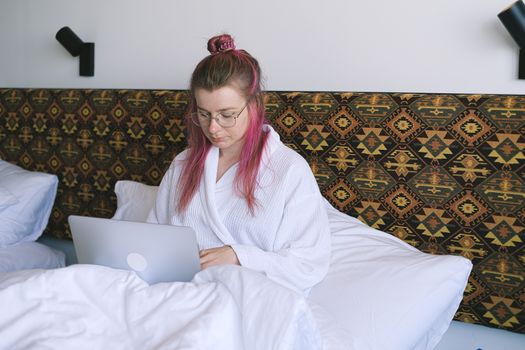
Picture this: It's 3 AM in a bustling Bangkok hostel, the air thick with humidity and distant street noise, and I'm hunched over my laptop, bleary-eyed, trying to look presentable for a client call. My "digital nomad dream" felt more like a sleep-deprived nightmare. My client, bright-eyed and bushy-tailed in London, had no idea I was running on fumes, fueled by lukewarm instant coffee and sheer willpower. For years, I believed this was the price of freedom – the endless late nights, the frantic morning dashes to find decent Wi-Fi, the constant internal battle against my body clock.
That is, until I realized something crucial: those effortlessly chic Instagram influencers, sipping coconuts on a pristine beach in Bali while supposedly "working," aren't just lucky. They've mastered time zone hacks that most remote workers – and certainly, they themselves – aren't openly sharing. It’s not about having a private jet or a team of assistants; it’s about strategic thinking, smart tools, and a profound shift in mindset.
Today, I’m pulling back the curtain. This isn't about expensive courses or complex software you don't need. It's about actionable strategies that will transform your remote work experience from a juggling act into a well-orchestrated symphony. Get ready to reclaim your sleep, supercharge your productivity, and finally live that truly location-independent life you've been dreaming of.
---
The Myth of the 9-5 & Why Time Zones Are Your New Superpower
Let’s be real: the 9-to-5 workday is a relic of the industrial age. It was designed for a world where everyone worked in the same building, on the same schedule. For us remote workers, especially those of us who love to travel, clinging to that rigid structure is the fastest route to burnout. This is the first "secret" influencers rarely talk about – they’ve shed the shackles of traditional office hours.
Instead of seeing time zones as an obstacle, it’s time to flip the script and view them as your ultimate superpower. I call it time zone arbitrage. Imagine your team is based in New York, and you're currently soaking up the vibrant energy of Lisbon. When your East Coast colleagues are winding down for the day, you're just getting started on your deep work. This means you can tackle complex tasks with uninterrupted focus, knowing that by their morning, you'll have delivered fresh ideas or completed projects, giving you a competitive edge.
My first real "aha!" moment came during a stint in Medellín, Colombia. My main clients were in Australia. Instead of trying to force myself onto their schedule, I embraced the time difference. I’d spend my mornings exploring the city, practicing my Spanish, or working out. My "workday" would then begin in the late afternoon, overlapping slightly with their morning. I was more energized, more creative, and frankly, more productive than I'd ever been trying to match a traditional schedule. This shift isn't just about convenience; it's about optimizing your peak energy times and leveraging global time differences to your advantage. It's about being strategic, not just reactive.
---
The Art of Asynchronous Work: Your Freedom Pass
This is arguably the most powerful time zone hack in the arsenal of successful remote workers, and it’s something many influencers do practice, even if they don't explicitly label it. Asynchronous work means you don't need to be online at the same time as your colleagues or clients to get things done. It’s about communicating and collaborating without immediate, real-time interaction. It’s the antithesis of the "ping me anytime" culture.
I once managed a complex website launch from a tiny, internet-challenged village in the Peruvian Andes. How? By meticulously documenting everything in Notion, using Loom videos to explain feedback instead of live calls, and setting clear expectations for response times. My team knew they’d get a detailed update from me in their morning, and I’d receive their progress reports in my evening. No frantic calls, no missed deadlines, just smooth, independent progress.
Here’s how you can master it:
- Document Everything: Use tools like Notion, Google Docs, or Confluence to create a single source of truth for projects, decisions, and processes. If it’s written down, it doesn’t need a meeting.
- Embrace Video Messages: Instead of scheduling a 30-minute call for a 5-minute explanation, record a quick video using Loom or a similar tool. Your team can watch it on their schedule, pause, rewind, and absorb the information without disrupting their flow.
- Set Clear Expectations for Response Times: Communicate when you'll be online and when replies can be expected. For example, "I'll respond to all Slack messages within 12 hours." This eliminates anxiety and allows everyone to plan their day.
- Batch Communication: Instead of constantly checking messages, dedicate specific blocks of time (e.g., 9 AM and 4 PM your local time) to respond to emails and Slack messages. This minimizes distractions and allows for focused work.
This approach isn't just about managing time zones; it's about fostering a culture of trust, clarity, and respect for individual work styles.
---
Strategic Scheduling: Playing Chess with the Clock
While asynchronous work is your foundation, some real-time interaction is often unavoidable. The trick is to schedule these strategically, like a grandmaster playing chess. This means identifying the optimal overlap windows and using smart tools to make it painless.
My go-to tool for this is Calendly. I set my availability, link it to my calendar, and let clients and colleagues book meetings within those windows. Crucially, Calendly automatically adjusts for time zones, so there's no more "Is that 3 PM EST or PST?" confusion. I also love SavvyCal for its clean interface and ability to overlay multiple calendars.
Here are my top strategic scheduling hacks:
- Identify Overlap Windows: Use a world clock app (like the one built into macOS or Windows, or a dedicated app like World Clock by timeanddate.com) to pinpoint the hours when you have the most overlap with your team/clients. For my current base in Portugal, my sweet spot for US clients is usually 2 PM - 6 PM PST, which is 10 PM - 2 AM for me. But for European clients, it's a much more civilized 9 AM - 1 PM my time.
- Batch Your Calls: Instead of scattering meetings throughout your day, dedicate specific blocks of time for calls. For example, I might dedicate 2 hours in the morning (my peak focus time, often 9 AM Lisbon time) for deep work, then an hour in the early afternoon for client calls, overlapping with PST/EST, and then another block for European calls.
- Implement "No-Meeting" Days/Blocks: Protect your deep work time fiercely. I often have "No-Meeting Fridays" or "Deep Work Tuesdays" where I decline all non-essential meetings. This allows for uninterrupted focus and ensures I'm not just reacting to others' schedules.
- Record Meetings: Always record important calls (with consent, of course!). This allows team members in drastically different time zones to catch up on their schedule, and it serves as a valuable resource for notes and action items.
I remember a crucial client presentation I had to deliver while surfing in Costa Rica. Instead of canceling my morning surf lesson, I scheduled the call for 6 AM their time (8 AM my time). I delivered the presentation feeling energized, not rushed, having already enjoyed the sunrise and the waves. It wasn't about sacrificing my travel experience; it was about integrating work into it seamlessly.
---
The Jet Lag Jedi: Beating the Body Clock Blues
This isn't strictly a "time zone hack" for work, but it's absolutely crucial for remote workers who travel frequently. There’s no point in mastering asynchronous communication if you’re a zombie for the first three days in a new country. Influencers often look effortlessly fresh after a long-haul flight – and while some of it is genetics and good lighting, a lot of it is intentional strategy.
Here’s how I’ve become a "Jet Lag Jedi":
- Pre-emptive Adjustment: If I'm flying east from NYC to Rome, I start shifting my bedtime earlier by an hour each day for 3 days before departure. For westbound flights, I shift it later. This eases your body into the new time zone.
- Hydration is Key: Drink tons of water before, during, and after your flight. Avoid excessive alcohol and caffeine, which can dehydrate you and disrupt sleep.
- Strategic Light Exposure: Upon arrival, immediately expose yourself to natural light in the morning to reset your circadian rhythm. Avoid bright screens at night. If it's daytime at your destination, stay awake until local evening. If it's night, try to sleep.
- Melatonin: A small dose (1-3mg) of melatonin for the first few nights can be a game-changer, especially for eastbound flights. Consult a doctor before using.
- Move Your Body: Even if it’s just a walk around the block, light exercise can help you feel more alert during the day and sleep better at night.
- Eat Light, Eat Local: Avoid heavy meals, especially close to bedtime. Try to eat according to the local meal schedule, even if you’re not hungry at first.
After a 12-hour flight from Lisbon to Tokyo, I landed, walked around the beautiful Shinjuku Gyoen National Garden, had a light, delicious ramen, and was ready for a decent night's sleep by 9 PM local time. I woke up feeling surprisingly refreshed, ready to tackle both work and exploration. No zombie mode for me!
---
Building a Global Dream Team (and Not Losing Your Mind)
For those managing teams, time zones can feel like a constant headache. But again, with the right strategy, it can be a massive advantage, allowing for continuous workflow and diverse perspectives. This is another area where the "effortless" influencer often has a hidden support system.
When I started building my content team for Tripsora, I specifically looked for writers and editors in different time zones. My lead editor is in Berlin, a graphic designer in Buenos Aires, and a social media strategist in Manila. This means:
- Continuous Workflow: When I'm in Portugal, and my Berlin editor finishes her work, she hands it off to the designer in Argentina who is just starting his day. By the time I wake up, significant progress has been made. It's a 24/7 productivity machine!
- Clear Communication Protocols: We have a strict "no urgent Slack messages after 6 PM your local time" rule, unless it's a genuine emergency. This respects everyone's personal time. We also use a shared "Team Status" channel for quick updates on availability or focus time.
- Empathy and Understanding: Recognize that a 9 AM call for you might be 1 AM for someone else. Always offer flexible meeting times, record meetings, and prioritize what truly needs real-time discussion. I often rotate meeting times so no one person is always sacrificing their personal hours.
- Establish a Common Ground: For project management, we often reference GMT+0 (Greenwich Mean Time) as a universal reference point, even if we convert it to local times for scheduling. This avoids confusion.
- Team Building Across Borders: Don't forget the human element. Schedule occasional virtual coffee breaks or "happy hours" that rotate times to accommodate everyone. It builds camaraderie and understanding.
This approach has allowed us to deliver high-quality content consistently, faster than a single time zone team ever could, all while maintaining a healthy work-life balance for everyone involved.
---
Tech Tools & Apps That Are Your Time Zone BFFs
You don't need a massive tech budget, but a few key tools can make all the difference. These are the unsung heroes behind every successful remote worker's time zone mastery.
- World Clock & Time Zone Converters:
- World Clock by timeanddate.com: My absolute favorite. It's not just a converter; it's a meeting planner, a time zone map, and a sunrise/sunset tracker all in one. Essential for planning international calls.
- Your OS's Built-in World Clock: Simple, effective, and always there.
- Scheduling Tools:
- Calendly / SavvyCal: As mentioned, these are non-negotiable for anyone who schedules meetings. They handle time zone conversions automatically and prevent booking clashes. Calendly has a free tier that’s perfect for most.
- Communication & Collaboration Hubs:
- Slack / Microsoft Teams: Essential for team communication. Use features like "set a status," "do not disturb," and "quiet hours" to manage notifications across time zones.
- Zoom / Google Meet: For video conferencing. Both have excellent scheduling features that account for time zones. Always encourage recording meetings!
- Project Management & Documentation:
- Asana / Notion / ClickUp: These tools are crucial for asynchronous work. They allow you to assign tasks, set due dates, track progress, and document everything, ensuring everyone knows what needs to be done, regardless of when they're working.
- Google Workspace (Docs, Sheets, Slides): For collaborative document creation. Real-time editing with comments makes it easy to work together without being on a call.
- Asynchronous Video Messaging:
- Loom: Record quick videos of your screen, camera, or both to explain complex ideas, give feedback, or provide updates. It's a lifesaver for reducing meeting fatigue.
- Time Tracking (Optional, but useful for some):
- Toggl Track: If you bill hourly or need to track time for specific projects, Toggl allows you to easily log hours and see where your time is going, which can be particularly useful when working across time zones.
These tools aren't just about productivity; they're about preventing burnout, fostering a culture of clarity, and building trust within global teams. They enable you to be location-independent without sacrificing your sanity or your sleep.
---
Your Time, Your Freedom: The True Influencer Secret
You now have the playbook: asynchronous work, strategic scheduling, jet lag mastery, global team smarts, and powerful tech tools. These aren't just "hacks"; they're fundamental shifts in how you approach remote work, designed to give you back control over your most precious resource: your time.
The real secret isn't that influencers never work; it's that they've learned to work smarter, not harder, by bending time zones to their will. They've optimized their lives to allow for both incredible travel experiences and successful careers. And now, so can you.
This isn't just about managing time; it's about owning your time, your freedom, and your life. It's about waking up in a new city, knowing you can enjoy your morning coffee and explore before seamlessly transitioning into a productive workday, all without the stress of missed deadlines or late-night calls. It's about truly living that location-independent dream.
Ready to ditch the 3 AM calls and embrace true location independence? Start implementing these hacks today! Share your favorite time zone hack in the comments below, or better yet, tag @Tripsora and use #TimeZoneMaster and #TripsoraTraveler on Instagram to show us where you're conquering the clock next!
---