Beyond the Postcard: How to Live Like a Local in Any Country (Even the Ones Locals Guard Closely)
The aroma of freshly baked pão de queijo wafted through the open window, mixing with the distant, rhythmic clang of a streetcar. I sat on a tiny balcony in Lisbon, sipping strong, dark coffee, watching elderly women haggle over fish in the market below. My phone, tucked away, was forgotten. This wasn't the postcard Lisbon of crowded Praça do Comércio or selfie sticks at Belém Tower. This was my Lisbon, a slice of authentic local life I’d painstakingly, and joyously, uncovered.
My first trip to Europe, years ago, was a whirlwind of famous sights, long queues, and overpriced tourist menus. I saw the Colosseum, yes, but I also felt like a spectator, constantly on the outside looking in. I craved something deeper, something real. That craving led me down a different path – a path less traveled, often unlisted in guidebooks, and sometimes, a path locals quite rightly prefer to keep to themselves.
But "locals don't want tourists to know" isn't about being sneaky or exploitative. It's about respecting the integrity of a place, approaching it with humility, and earning your way into its hidden corners by becoming, for a time, a part of its rhythm. It's about understanding that the most profound travel experiences aren't sold in packages; they're discovered through genuine effort and a willingness to step far outside your comfort zone.
So, if you're ready to trade the tourist bubble for true immersion, to swap generic souvenirs for unforgettable stories, and to find the heart of a destination that beats beyond its famous facades, then pull up a chair. This is how you live like a local, anywhere in the world.
---
1. The Deep Dive: Mastering Pre-Trip Reconnaissance
Before you even book your flight, your journey into local life begins. Forget the glossy travel magazines and top-10 lists. You're going deeper.
Actionable Tips:
- Local Blogs & Forums: Start searching for blogs written by locals, in their native language if possible (Google Translate is your friend!). Look for expat forums or city-specific subreddits. These are goldmines for everything from the best obscure coffee shops to local festivals nobody outside the neighborhood knows about. For instance, before my month in Kyoto, I spent weeks trawling through Japanese food blogs, translating reviews of tiny izakayas tucked away in back alleys. That's how I found a place serving the most incredible yakitori – just six seats, run by a husband and wife, and not a single English word on the menu.
- Social Media Sleuthing: Instagram isn't just for influencers. Search hashtags like #[CityName]Local, #[CityName]Life, or #[CityName]HiddenGems. Follow local photographers, artists, and small businesses. Their feeds often showcase events, spots, and daily life far removed from the tourist circuit. Look at geotags of places with few tourists.
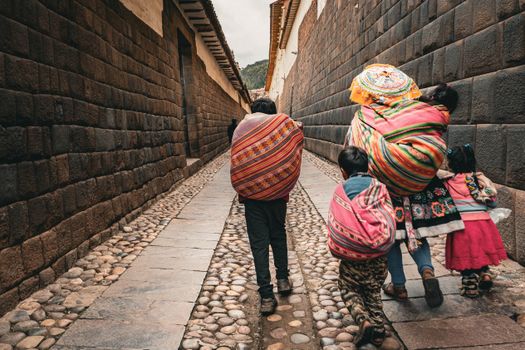
- Learn the Basics (Seriously): Even a few phrases of the local language can unlock doors. "Hello," "thank you," "please," "excuse me," and "I'm sorry, I don't speak [language] well" are non-negotiable. Knowing how to ask for directions or order food will instantly set you apart. I once stumbled into a village market in the Peruvian Andes, armed with only rudimentary Spanish. When I managed to ask a vendor for chicha morada (a purple corn drink) in his native tongue, his face lit up. We spent the next half hour chatting, and he shared stories of his family and the market, an experience far richer than any guided tour.
- Cultural Sensitivity Deep Dive: Research local customs, etiquette, and taboos. What's considered polite? How do people dress? What gestures should you avoid? Understanding these nuances prevents accidental offense and shows respect, earning you goodwill.
Why it works:
By doing your homework, you arrive not as a blank slate, but as someone who has already made an effort to understand and connect, signaling to locals that you're not just another passing tourist.
---
2. Ditch the Bubble: Living and Moving Like a Local
The biggest barrier to local immersion is often the infrastructure built specifically for tourists. To live like a local, you must actively dismantle that bubble.
Actionable Tips:
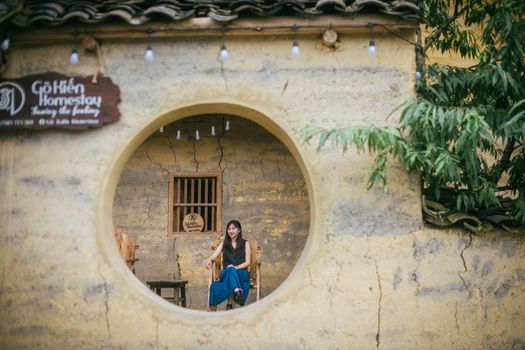
- Accommodation Beyond Hotels: Forget generic hotels. Opt for Airbnb rooms in residential neighborhoods (not just entire apartments, but a room in someone's home), guesthouses, homestays, or even house-sitting. These put you directly into a local setting, with local neighbors and local rhythms. My stay in a family-run riad in Fes, Morocco, meant waking up to the call to prayer, sharing mint tea with the family, and navigating the labyrinthine medina like a local (eventually!).
- Public Transport is Your Best Friend: Taxis, ride-shares, and tourist buses isolate you. Learn the local bus, metro, tram, or train system. It's cheaper, more environmentally friendly, and puts you shoulder-to-shoulder with daily commuters. You'll observe local interactions, overhear snippets of conversation, and discover neighborhoods you'd never see from a private car. I vividly remember navigating Tokyo's sprawling subway system with a paper map and a sense of triumph each time I surfaced at the correct station, feeling like a true urban explorer.
- Walk, Walk, Walk (or Cycle): Many cities are best explored on foot or by bicycle. This allows you to stumble upon hidden courtyards, local parks, street art, and small shops that a car would whiz past. Rent a local bike or simply put on comfortable shoes and wander aimlessly for an afternoon.
- Eat Where Locals Eat: This is perhaps the most crucial tip. Avoid restaurants with English menus, pictures of food, or touts outside. Seek out bustling street food stalls, tiny family-run eateries, and local markets. Ask your guesthouse host or a shopkeeper where they eat. The food will be more authentic, often cheaper, and you'll be surrounded by locals. In Rome, I once wandered into a tiny, unassuming trattoria tucked down an alley. No English spoken, just a handwritten menu. I pointed to something, and was rewarded with the most incredible cacio e pepe I've ever tasted, shared among boisterous Italian families. That meal cost me €8, felt like a million bucks.
Why it works:
By choosing local modes of living and transport, you naturally integrate into the daily flow of life, making incidental discoveries and interactions inevitable.
---
3. The Power of "Slow": Mindful Immersion
Our modern travel culture often dictates a frantic pace – see everything, do everything. But living like a local demands a different approach: slow down.
Actionable Tips:
- Embrace Slow Travel: Instead of hopping between cities every two days, choose one or two destinations and spend a week, a month, or even longer in each. This allows you to unpack, settle into a routine, and truly get to know a neighborhood. My month-long stay in Oaxaca, Mexico, allowed me to fall into a rhythm of morning market visits, afternoon Spanish classes, and evening mezcal tastings with new friends.
- Find Your Local Haunt: Every local has "their" spot – a favorite coffee shop, a park bench, a bar. Find yours. Become a regular. The staff will start to recognize you, perhaps even remember your order. These small connections build a sense of belonging. In Ljubljana, Slovenia, I found a tiny riverside cafe that became my morning ritual. After a few days, the barista would simply nod and start preparing my kava z mlekom without me saying a word. It felt like home.
- Observe and Absorb: Spend time simply sitting and watching. Observe how people interact, what they wear, their daily routines, their pace of life. Go to a local park and watch families. Sit in a plaza and listen to the rhythm of the city. These observations are invaluable for understanding the local culture beyond surface-level interactions.
- Engage in Local Activities: Look for community events, workshops, or classes. Take a cooking class in a local home, join a yoga session, attend a language exchange meetup, or even volunteer for a day. These are fantastic ways to meet locals with shared interests. I once joined a local hiking group in Patagonia, Chile, and not only saw breathtaking landscapes but also made lifelong friends who taught me about local flora and fauna, and shared their mate.
Why it works:
Slowing down allows you to move from being an observer to a participant, giving you the time and space to truly connect with a place and its people.
---
4. Build Bridges: Forging Genuine Connections
The heart of living like a local lies in the connections you make. This requires openness, courage, and a willingness to be vulnerable.
Actionable Tips:
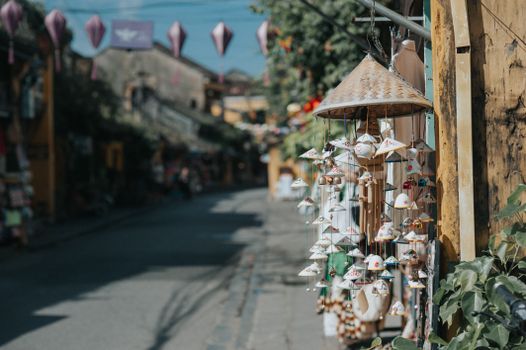
- Learn to Say "Yes": Be open to unexpected invitations. If a shopkeeper offers you tea, accept. If someone strikes up a conversation, engage. These spontaneous moments are often the most memorable. In Vietnam, I was once invited to a family dinner after a chance conversation with a shop owner about his favorite local dish. I spent the evening sharing stories, laughing, and trying homemade delicacies, an experience far beyond any restaurant meal.
- Use Connection Apps (Wisely): Apps like Meetup.com, Couchsurfing (for events, not just accommodation), or even local Facebook groups can connect you with locals and expats. Look for events related to your hobbies – hiking, photography, cooking, board games.
- Be Approachable and Curious: Smile. Make eye contact. Ask genuine questions about their lives, their culture, their city. Most people are proud of their home and happy to share it with a respectful, curious visitor. Just remember to reciprocate – be ready to share about your own life and culture too.
- Exchange, Don't Exploit: When interacting with locals, remember it’s an exchange. Don't just extract information or expect favors. Offer to share a skill, buy them a coffee, or simply listen to their stories. True connection is a two-way street.
Why it works:
Genuine human connection transforms a trip into an immersive experience. Locals are the ultimate gatekeepers to their culture, and by building rapport, you gain access to insights and experiences impossible to find otherwise.
---
5. Budget Like a Local: Smart Spending, Richer Experiences
Living like a local often means spending like one. This isn't just about saving money; it's about making choices that align with the local economy and lifestyle.
Actionable Tips:
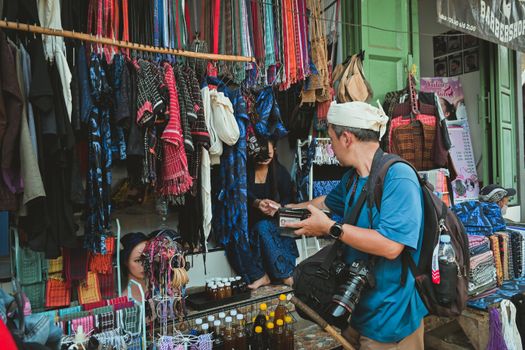
- Shop at Local Markets: For groceries, fresh produce, and unique artisanal goods, ditch the big supermarkets (unless you're in a country where they are the local norm) and head to the local markets. Not only will you find fresher, cheaper ingredients, but you'll also witness a vibrant slice of daily life. In Mexico City, a trip to Mercado de San Juan isn't just about buying food; it's a sensory overload of sights, sounds, and smells, and a chance to practice your Spanish with vendors.
- Cook Your Own Meals: If your accommodation has a kitchen, use it! Buying ingredients from local markets and cooking at home is significantly cheaper than eating out every meal. Plus, it's a fantastic way to experiment with local ingredients and flavors. I loved recreating dishes I'd tried at street stalls, like a simple pasta arrabbiata in Italy with fresh local tomatoes, or a fragrant curry in Thailand.
- Avoid Tourist Traps and Markups: Be wary of shops, restaurants, and services located directly next to major attractions. They often charge inflated prices because they cater to a captive tourist audience. Venture a few blocks away, and you'll often find better quality and prices.
- Haggle (Where Appropriate): In many cultures (e.g., parts of Asia, Africa, the Middle East, Latin America), haggling is a polite and expected part of the shopping experience, especially in markets. Do your research to understand when and how to do it respectfully. Always start with a smile and a friendly demeanor.
Why it works:
Budgeting like a local keeps you connected to the real economy of a place, allowing you to sustain longer trips and invest more in experiences rather than overpriced commodities.
---
6. The Ethical Imperative: Respect, Reciprocity, and Responsibility
The desire to live like a local comes with a profound responsibility. You're entering someone else's home, and it's paramount to do so with respect and an awareness of your impact.
Actionable Tips:
- Support Local, Truly Local: When you spend money, ensure it directly benefits the local community. Choose locally owned guesthouses, restaurants, tour operators, and shops. Avoid large international chains that siphon profits out of the country.
- Minimize Your Footprint: Be conscious of your environmental impact. Reduce plastic waste, conserve water and energy, and respect local ecosystems. Leave no trace. This means more than just not littering; it means considering the long-term impact of your presence.
- Understand and Adhere to Local Laws and Norms: This goes beyond just legal regulations. Be aware of social norms regarding dress codes (especially for religious sites), public displays of affection, noise levels, and photography. When in doubt, observe what locals are doing. In many parts of Southeast Asia, for example, it's considered disrespectful to point your feet at someone or touch someone's head.
- Be an Ambassador: Remember that you represent your own culture. Your actions, positive or negative, reflect not just on you, but on your country. Be polite, patient, and understanding. Apologize genuinely if you make a mistake.
- Give Back (Thoughtfully): If you feel compelled to give back, do so responsibly. Support reputable local charities or community projects, rather than simply handing out money, which can sometimes create dependency or unintended negative consequences.
Why it works:
Ethical and responsible travel ensures that your pursuit of authentic experiences doesn't inadvertently harm the very communities you seek to connect with. It builds trust and fosters a positive relationship between travelers and locals.
---
The Unwritten Map: Your Journey Begins Now
Living like a local isn't about perfectly imitating someone else's life. It's about opening yourself up to a place, allowing its rhythms to guide you, and engaging with its people on a human level. It's about seeing beyond the curated facades and discovering the messy, beautiful, real heart of a destination.
These are the experiences that stick with you, the stories you tell around campfires, the connections that broaden your perspective and enrich your soul. They are the moments that transform you from a tourist into a traveler, and eventually, into someone who carries a piece of every place they've truly lived within them.
So, ditch the guidebook, embrace the unknown, and start crafting your own unwritten map. The world is waiting, not to be seen, but to be truly experienced.
What's your favorite "local" secret you've uncovered on your travels? Share your tips and stories in the comments below! Let's inspire each other to go deeper.
---