The scent of freshly baked bread mingled with the earthy aroma of damp cobblestones. Rain had just kissed the ancient streets of Óbidos, Portugal, and a lone accordion player serenaded passersby from a tiny archway. I wasn't rushing to check off a list of historical sites; instead, I was simply sitting on a worn stone bench, sipping a ridiculously strong espresso, watching life unfold. A local woman, her silver hair pulled back in a neat bun, haggled playfully with a fruit vendor. Children in school uniforms chased pigeons. In that moment, I wasn't a tourist. I was just there, part of the tapestry of daily life.
That feeling, that deep, resonant connection to a place, is what we all crave when we travel, isn't it? It’s the difference between seeing a destination and truly experiencing it. As a seasoned traveler and a blogger for Tripsora, I’ve chased that feeling across continents, from bustling Asian megacities to quiet European villages. And I’m here to tell you, it’s not just possible – it’s within your grasp, especially if you plan your escape for November 2025.
November is a magical time for this kind of immersive travel. The summer crowds have long dispersed, the shoulder season brings milder weather to many regions, and locals settle back into their routines, making it easier to slip in among them. Ready to ditch the tourist traps and truly live like a local? Let’s dive in.
1. The Pre-Departure Mindset Shift: More Than Just Packing
Living like a local starts long before your passport gets stamped. It begins with a shift in perspective. You're not just visiting; you're temporarily relocating. This means moving beyond guidebooks and Instagram feeds to genuinely understand the pulse of your chosen destination.
Practical Tips & Actionable Advice:
- Become a Digital Detective: Before you even book your flight, dive deep into local online communities. Join Facebook groups for expats or locals in your target city. Read local news websites (Google Translate is your friend!). Follow local bloggers, artists, and small businesses on Instagram. This gives you an unfiltered glimpse into daily life, events, and what truly matters to the community.
- Embrace Basic Language Skills: Seriously, this is non-negotiable. Even just "hello," "thank you," "please," "excuse me," and how to order a coffee or food in the local language can open doors. I remember my first trip to Japan, armed with only a few phrases. The look of surprise and gratitude on a shopkeeper's face when I fumbled "Arigato gozaimasu" was priceless. It broke the ice instantly.
- Actionable: Download Duolingo or Memrise and commit to 15 minutes a day for at least a month before you leave. Focus on conversational basics.
- Research Beyond the "Must-Sees": Instead of just looking up the Eiffel Tower, research local parks, community centers, farmers' markets, or even where locals go for a quiet evening stroll. What are the local customs around greetings, tipping, or public transport? A quick search for "local etiquette [country name]" can save you from unintentional faux pas.
Personal Anecdote:
I once spent a week in Hanoi, Vietnam, and instead of hitting all the famous temples right away, I focused on learning how to cross the chaotic streets like a local (a skill in itself!) and discovering the best phở stall recommended by my Airbnb host. It wasn't in any guidebook, but it became my morning ritual, and the owner, though we shared few words, would always greet me with a warm smile and an extra sprig of basil. That connection was far more memorable than any monument.
2. Finding Your Home Away From Home: Beyond Hotels
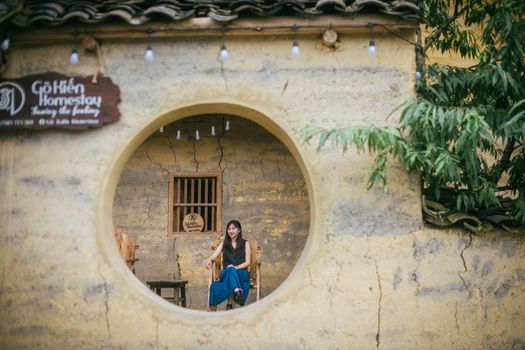
To live like a local, you need to live in a local neighborhood, not a hotel district designed for tourists. This is where your temporary "home" truly shapes your experience.
Practical Tips & Actionable Advice:
- Long-Term Rentals are Your Best Friend: Ditch the hotels! Platforms like Airbnb, Booking.com (which also lists apartments), and local rental websites offer apartments, rooms, or even entire houses. Aim for stays of a week or longer. Many hosts offer significant discounts for monthly bookings, making it surprisingly affordable.
- Specifics: For a month-long stay in, say, Medellín, Colombia, you might find a fantastic apartment in a vibrant neighborhood like Laureles for $700-$1000 USD. Compare that to $80-150 per night for a hotel, and the savings are significant, allowing for a longer, deeper immersion.
- Consider House-Sitting or Co-Living: Websites like TrustedHousesitters or MindMyHouse allow you to stay for free in exchange for caring for pets and homes. It’s a fantastic way to live in real homes in real neighborhoods. Co-living spaces, popular with digital nomads, offer private rooms but shared communal spaces, fostering instant community with both locals and other long-term travelers.
- Choose Your Neighborhood Wisely: Research areas known for their local vibe, not just their proximity to attractions. Look for places with local markets, small cafes, parks, and easy access to public transport. Ask your potential host about their neighborhood – what do they love about it?
Personal Anecdote:
My time in Lisbon was transformed by renting a small apartment in Alfama, away from the main tourist drag. Every morning, I’d wake to the sound of tram 28 rumbling past and the smell of coffee from the tiny pastelaria downstairs. The owner, a sweet lady named Maria, taught me the correct way to eat a pastel de nata (warm, with cinnamon!). This wasn't just lodging; it was an entry point into a community. For just around €900 for the month, I had a charming, authentic base that a hotel could never replicate.
3. Eating Like a Local: Your Culinary Passport
Food is the ultimate gateway to culture. To eat like a local means to understand their rhythms, their ingredients, and their daily rituals.
Practical Tips & Actionable Advice:
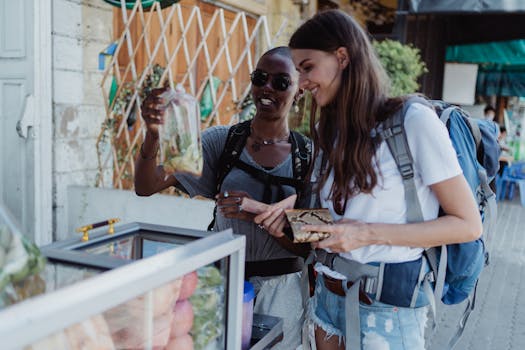
- Hit the Local Markets: This is non-negotiable. Forget the sterile supermarket aisles. Local markets (like Mercato Sant'Ambrogio in Florence or La Vega Central in Santiago, Chile) are sensory explosions. You'll find fresh, seasonal produce, local delicacies, and interact directly with vendors. This is where you'll learn about regional ingredients and perhaps even pick up a recipe.
- Seek Out Street Food & Hole-in-the-Wall Eateries: If locals are queuing, you should too. These often unassuming spots serve up the most authentic, delicious, and affordable food. Look for places with handwritten menus or where the menu is entirely in the local language.
- Actionable: Use Google Maps and filter reviews by the local language. Look for high ratings and comments that mention "local favorite" or "authentic."
- Ask Locals for Recommendations: Your Airbnb host, a friendly shopkeeper, or someone you meet at a cafe – ask them where they eat. Not where tourists eat, but where they go for their everyday meals. I once found the most incredible biryani in Hyderabad, India, after asking a rickshaw driver for his favorite spot. It was a tiny, bustling place, packed with locals, and absolutely life-changing.
- Learn to Cook a Local Dish: Buy ingredients from the market and try your hand at cooking a simple local meal in your rental kitchen. Or, even better, take a cooking class! It's a fantastic way to learn about ingredients, techniques, and connect with people. Many places, like Oaxaca, Mexico, offer amazing hands-on cooking experiences.
Specific Details:
In Paris, skip the Champs-Élysées tourist traps and find a small boulangerie in the Marais for your morning croissant, or a local brasserie for a plat du jour. In Bangkok, dive into the street food scene around Sukhumvit Soi 38 (though some stalls move, the spirit remains!). Expect to pay as little as $2-5 USD for a filling, delicious meal at a local spot in Southeast Asia or Latin America, compared to $15-30+ in tourist zones.
4. Navigating Like a Native: Public Transport & Beyond
Your mode of transport isn’t just about getting from A to B; it’s about experiencing the daily rhythm of a city and interacting with its people.
Practical Tips & Actionable Advice:
- Embrace Public Transport: Buses, metros, trams, trains – they are the lifeblood of any city. They're affordable, efficient, and offer a window into local life. You'll observe commuters, listen to conversations, and get a feel for the city's pulse.
- Actionable: Purchase a local SIM card immediately upon arrival. This allows you to use Google Maps or Citymapper for real-time public transport information. Buy a multi-day or multi-ride pass if available – it’s usually cheaper.
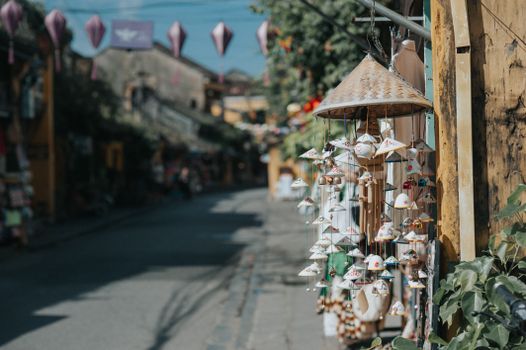
- Walk, Walk, Walk: So many hidden gems are discovered on foot. Wander aimlessly down side streets, pop into small shops, and simply observe. This is how you stumble upon charming cafes, street art, or impromptu performances.
- Understand Local Etiquette: In Japan, observe silence on the subway. In London, stand on the right on escalators. In some Latin American countries, personal space is much closer than in Western cultures. A quick observation goes a long way.
- Rent a Bike or Scooter (with Caution): In many places, like Amsterdam or Chiang Mai, renting a bike or scooter can give you incredible freedom to explore off the main routes. Just ensure you're comfortable with local traffic laws and wear a helmet!
Personal Anecdote:
I once spent a week in Mexico City, and instead of relying on taxis, I mastered their incredible metro system. For about 5 pesos (around $0.25 USD) per ride, I could traverse the entire sprawling city. It was crowded, vibrant, and sometimes a little confusing, but it allowed me to reach local markets in Coyoacán, art galleries in Roma Norte, and quiet parks in Condesa, truly living among the city's heartbeat. I even learned a few new Spanish phrases from eavesdropping!
5. Connecting with the Community: Beyond the Language Barrier
True immersion goes beyond just observing; it’s about participating and connecting. Don't be afraid to put yourself out there.
Practical Tips & Actionable Advice:
- Take a Class: Whether it’s a cooking class, a language lesson, a pottery workshop, or even a dance class (salsa in Colombia, tango in Argentina!), it’s a fantastic way to meet locals who share your interests.
- Join Local Meetups or Clubs: Websites like Meetup.com are global and can connect you with local groups for hiking, photography, board games, or language exchange. Look for local sports clubs or volunteer opportunities.
- Frequent the Same Spots: Become a regular at a local cafe, bakery, or bar. The staff will start to recognize you, and those small, consistent interactions can evolve into genuine connections. I remember in Berlin, my daily coffee shop barista eventually started recommending local art exhibits and underground music venues.
- Engage with Curiosity and Respect: Ask questions (respectfully!), listen more than you speak, and show genuine interest in their culture. A simple compliment about their city or cuisine can go a long way.
Specific Details:
In Florence, Italy, consider a pasta-making class with a local family (often found via Airbnb Experiences or local tour operators, costing around €60-€100). In Bali, Indonesia, try a Balinese cooking class starting from $30-50 USD. These aren't just activities; they're platforms for genuine interaction.
6. Embracing the Pace & Flow: Slow Travel & Observation
One of the biggest differences between a tourist and a local is pace. Tourists rush; locals live. Embrace the art of slow travel.
Practical Tips & Actionable Advice:
- Schedule "Nothing" Time: Don't over-schedule your days. Leave ample time for simply existing. Sit in a park, read a book in a cafe, or just people-watch from a bench. These unscripted moments are often where the magic happens.
- Observe Daily Routines: Pay attention to how locals spend their mornings, afternoons, and evenings. When do they eat lunch? What do they do after work? How do they socialize? This helps you understand the rhythm of the place.
- Keep a Journal: Jot down observations, feelings, and small interactions. This helps you process your experiences and remember the subtle nuances that make a place unique.
- Read Local Publications: Even if you don't understand the language perfectly, skim local newspapers or magazines. Look at the photos, the advertisements, and the headlines. It provides insight into local concerns, celebrations, and humor.
Personal Anecdote:
During a month in Girona, Spain, I made it a point to spend at least an hour each afternoon at a specific cafe in Plaça de la Independència. I'd order a café con leche and just watch the world go by. The same elderly gentlemen played chess every day, students chatted, and families strolled. It wasn't about seeing sights; it was about soaking in the atmosphere, feeling the warmth of the afternoon sun, and becoming a quiet observer of everyday life. It was profoundly peaceful and grounding.
7. Sustainable & Ethical Local Living
Living like a local also means being a responsible visitor, respecting the environment, and contributing positively to the community.
Practical Tips & Actionable Advice:
- Support Local Businesses: Whenever possible, buy from local artisans, small shops, and independent restaurants. Your money directly supports the community you're living in.
- Reduce Your Footprint: Carry a reusable water bottle and coffee cup. Say no to plastic bags. Be mindful of energy consumption in your rental. Public transport helps reduce carbon emissions.
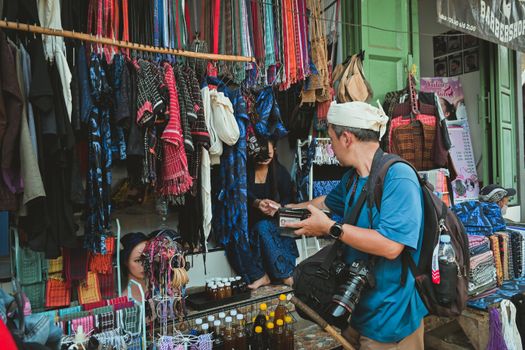
- Bargain Respectfully (if customary): In cultures where bargaining is common (e.g., many parts of Asia, Africa, and Latin America), do so with a smile and good humor. Never be aggressive or disrespectful. If a vendor says no, accept it gracefully.
- Be Mindful of Cultural Norms: Dress appropriately, especially when visiting religious sites. Ask permission before taking photos of people. Be aware of local customs regarding personal space, gestures, and public displays of affection.
Specific Details:
Instead of buying mass-produced souvenirs, seek out local craft markets. In Morocco, look for genuine leather goods or hand-woven rugs directly from the makers in the medina, rather than tourist traps. In Peru, support fair-trade initiatives for alpaca wool products.
---
November 2025 is not just another month; it's an invitation. An invitation to step out of your comfort zone, shed the tourist label, and truly embed yourself in the vibrant tapestry of another culture. It’s about more than just seeing new places; it’s about discovering new parts of yourself through the lens of local life.
These are not just tips; they are a roadmap to a richer, more meaningful travel experience. The memories you forge by sharing a laugh with a local vendor, mastering a simple phrase, or simply watching the world go by from a neighborhood cafe will be the ones that stay with you long after you’ve returned home.
So, where will your November 2025 local adventure take you? Will it be the bustling markets of Marrakech, the quiet canals of Bruges, or the vibrant streets of Buenos Aires? The world is waiting for you to not just visit, but to live it.
Share your November 2025 local living plans in the comments below! What country are you dreaming of immersing yourself in? Don't forget to tag your authentic travel moments on social media with #TripsoraLocal and #November2025Adventures – we can't wait to see your journey unfold!
---