Life-Changing Volcano Tours: Epic & Safe Journeys That Changed My Life Forever
The ground rumbled beneath my feet, a primordial heartbeat echoing through the earth. Before me, a fissure split the landscape, oozing molten orange ribbons into the crisp Icelandic air. The sheer scale, the raw power, the intoxicating smell of sulfur – it was terrifying, exhilarating, and utterly mesmerizing all at once. My heart pounded, not from fear, but from a profound connection to something ancient and alive. In that moment, watching the birth of new land, I knew my life would never be the same.
For years, the idea of visiting an active volcano felt like an impossible dream, reserved for daredevil documentarians or the terminally reckless. I imagined scaling treacherous slopes, dodging lava bombs, and flirting with disaster. The truth, I discovered, is far more accessible, incredibly safe, and infinitely more transformative than I ever imagined.
This isn't about suicidal stunts; it's about experiencing the Earth's most dramatic artistry responsibly. It's about witnessing creation in its rawest form, about connecting with our planet's pulse, and about pushing your own boundaries of wonder. If you've ever dreamt of standing on the edge of a fiery abyss, but worried about, well, dying, then this post is for you. I’m here to tell you that safe, life-changing volcano tours are not only possible, but they are an absolute must for any adventurous soul. Let me take you on a journey through some of the most incredible volcanic landscapes that changed my life forever.
The Allure of the Inferno: Why We Seek the Fire (And Why It's Safer Than You Think)
What is it about volcanoes that captivates us so deeply? Is it the raw, untamed power? The promise of seeing the Earth actively sculpting itself? For me, it’s a humbling reminder of our planet's incredible dynamism, a stark contrast to our often-stagnant daily lives. It’s a chance to feel truly small, yet incredibly alive, in the face of such immense natural forces.
But let's address the elephant in the room: safety. The media often sensationalizes volcanic activity, painting a picture of inescapable doom. While volcanoes can be dangerous, the reality for tourists is that reputable tour operators and national park services prioritize safety above all else.
How? Through:
* Constant Monitoring: Geologists and scientists continuously monitor seismic activity, gas emissions, and ground deformation.
* Designated Safe Zones: Access is restricted to areas deemed stable and safe, often at a considerable distance from active vents.
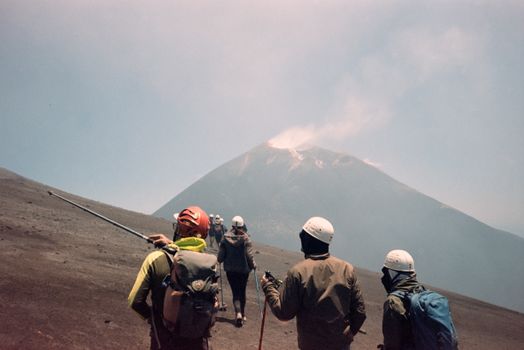
* Expert Guides: Certified guides are trained in geology, first aid, and emergency procedures, ensuring you're in capable hands. They know the terrain, the risks, and when to turn back.
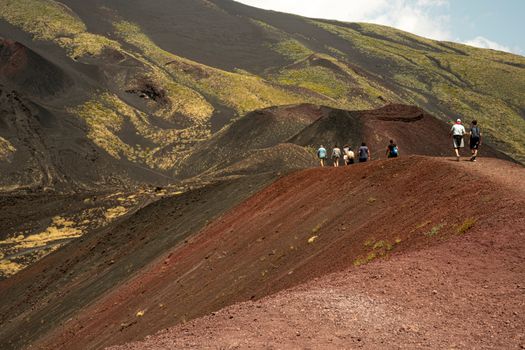
* Clear Regulations & Paths: National parks and reserves have well-maintained trails, clear signage, and strict rules to keep visitors away from hazards like unstable ground, toxic gases, or sudden eruptions.
My experiences have been overwhelmingly safe, guided by professionals who prioritize education and awe over unnecessary risk. So, take a deep breath, shed those Hollywood fears, and let's dive into some of the world's most incredible and accessible volcanic wonders.
Iceland: Land of Fire and Ice – My First Love Story
My journey into the heart of volcanoes began in Iceland, a place where the Earth's crust is literally tearing itself apart, creating a landscape unlike any other. It was here, on the Reykjanes Peninsula, that I witnessed my first active eruption – a memory etched into my soul.
The Experience:
While the Fagradalsfjall eruptions (2021-2023) were truly spectacular, even when there isn't an active lava flow, Iceland's volcanic landscapes are breathtaking. I hiked across vast, craggy lava fields, still steaming in places from eruptions decades ago, their black, glassy surfaces shimmering under the arctic sun. The air often carries a faint, metallic scent of sulfur, a constant reminder of the geothermal energy bubbling beneath. I visited geothermal areas like Krýsuvík and Gunnuhver, where mud pots gurgled, and powerful steam vents hissed, painting the ground in vibrant reds, yellows, and oranges. It’s like walking on a living, breathing planet.
Personal Anecdote:
I remember standing on a hill overlooking the Fagradalsfjall eruption site. The sun had just set, painting the sky in fiery hues that mirrored the molten rock flowing below. The sound was a mesmerizing crackle, like a million tiny glass shards breaking, interspersed with deep, rhythmic thuds as new lava burst forth. I spent hours there, completely absorbed, taking dozens of photos, but none could truly capture the primal energy of that moment. It was cold, but the heat radiating from the lava was palpable, a stark contrast to the glacial wind.
Practical Tips:
* Best Time to Visit: Summer (June-August) for longer daylight hours and milder weather, but winter offers dramatic contrasts with snow and ice. Active eruptions are unpredictable, so check official sources (like RÚV or Icelandic Met Office) before your trip.
* What to Pack: Layers, layers, layers! Waterproof and windproof outer shells are essential. Sturdy hiking boots are non-negotiable for navigating uneven lava fields. Hat, gloves, and a good camera.
* Tours & Cost: Many reputable companies offer guided tours from Reykjavik. A typical guided day tour to volcanic sites on the Reykjanes Peninsula can range from $100-$200+. If there's an active eruption, specialized "lava tours" might be available, often including transport and a guide for similar prices. Self-driving is also an option if you're confident with Icelandic roads and weather.
Hawaii: Where Pele's Spirit Dances – An Island of Living Earth
From the icy North Atlantic to the tropical Pacific, my next volcanic pilgrimage took me to the Big Island of Hawaii, home to Kīlauea, one of the world's most active volcanoes. Here, the energy is different – lush, vibrant, and deeply spiritual, intertwined with the legend of Pele, the goddess of fire.
The Experience:
Hawaii Volcanoes National Park is an incredible playground for volcano enthusiasts. I walked through the Nāhuku (Thurston Lava Tube), a subterranean tunnel formed by flowing lava, feeling the cool, damp air and imagining the fiery river that once carved it out. I hiked across the desolate, yet beautiful, Kīlauea Iki crater floor, a landscape that felt utterly alien, surrounded by steam vents and native ferns. The most profound experience was standing on the rim of the Kīlauea caldera, especially at dusk, watching the glow from the Halemaʻumaʻu crater. When the lava lake is active, it’s a mesmerizing, fiery spectacle against the inky black night sky.
Personal Anecdote:
I rented a bicycle within the park and rode along Crater Rim Drive, stopping at various viewpoints. As evening approached, I found a quiet spot near the Jaggar Museum (now closed, but other viewpoints exist) overlooking Halemaʻumaʻu. The initial faint orange glow intensified as darkness fell, painting the clouds above in a fiery dance. The sheer scale of the caldera, combined with the visible, pulsing heart of the volcano, was breathtaking. I remember feeling a deep sense of peace, a connection to the Earth's enduring power that was both ancient and ever-present. The air smelled faintly of sulfur, a reminder of the living earth beneath.
Practical Tips:
* Best Time to Visit: Year-round. The weather is generally pleasant, though rain can occur. Lava viewing is best at night.
* What to Pack: Comfortable walking shoes, rain jacket, water bottle, flashlight (for lava tubes and night viewing), and binoculars.
* Tours & Cost: Park entrance is $30 per private vehicle (valid for 7 days). Guided tours are available, ranging from half-day hikes ($50-$100) to full-day excursions that include other Big Island highlights ($150-$250+). Check the National Park Service website for current conditions and viewing recommendations, as volcanic activity can change rapidly.
Italy: Stromboli & Vesuvius – A Date with History and Fire
My European volcanic adventure led me to Italy, a land where volcanic history is deeply interwoven with human civilization. I experienced two very different, yet equally compelling, volcanoes: the regularly erupting Stromboli and the historically devastating Vesuvius.
Stromboli: The Lighthouse of the Mediterranean
The Experience:
Stromboli, one of the Aeolian Islands off Sicily, is often called the "Lighthouse of the Mediterranean" because of its persistent, mild eruptions. The only way to experience its fiery spectacle safely is on a guided night hike. After a challenging trek up its steep, ash-covered slopes, you reach designated viewing areas where you can witness regular, explosive bursts of lava and incandescent rock. It's an unforgettable show, every 10-20 minutes, lighting up the night sky.
Personal Anecdote:
The hike up Stromboli was tough, especially in the dark with only headlamps to guide us. But the moment we reached the viewing point, all fatigue vanished. We sat in silence, a group of strangers united by anticipation, and then – boom! – a burst of red-hot lava shot into the sky, followed by a shower of glowing rocks tumbling down the slopes. Gasps and cheers erupted. It felt like watching nature's own fireworks display, raw and untamed. The smell of sulfur was strong, but the spectacle was worth every lung-burning step.
Practical Tips:
* Best Time to Visit: Spring (April-May) or Autumn (September-October) for pleasant hiking weather. Summer can be very hot.
* What to Pack: Sturdy hiking boots (mandatory), long pants and sleeves (for ash protection), headlamp, plenty of water, and a warm layer (it gets chilly at the summit).
* Tours & Cost: You must go with a certified guide. Several companies operate from the island's port. Prices for a guided hike are typically €30-€40 per person, excluding ferry travel to the island. Book in advance, especially in peak season.
Mount Vesuvius: The Sleeping Giant
The Experience:
Overlooking the Bay of Naples, Vesuvius is a stark reminder of nature's destructive power, famous for burying Pompeii and Herculaneum. Hiking to its crater is a journey through history. The ascent offers increasingly panoramic views of the bay, Naples, and the ruins below. At the summit, you can walk around a portion of the crater rim, peering into the steaming abyss, a stark reminder of the immense forces contained within.
Personal Anecdote:
Standing on the rim of Vesuvius, looking down into its vast, desolate crater, I couldn't help but imagine the terror of 79 AD. The sheer scale of the mountain and its potential for destruction was chilling. Yet, the view outwards, towards the vibrant city of Naples and the sparkling Bay, was breathtaking. It was a powerful juxtaposition of life and death, creation and destruction. The wind whipped around me, carrying a faint, earthy smell, and I felt a profound connection to the generations who have lived, and sometimes died, in its shadow.
Practical Tips:
* Best Time to Visit: Spring or Autumn for cooler temperatures and clearer views.
* What to Pack: Sturdy walking shoes, water, sunscreen, and a light jacket (it can be windy at the top).
* Tours & Cost: You can take a bus or drive partway up, then hike the rest. Entrance to the Vesuvius National Park is around €10. Guided tours from Naples or Pompeii often include transport and entry, ranging from €40-€80.
Indonesia: Bromo & Ijen – The Adventurer's Call to the East
My most adventurous volcanic expedition took me to East Java, Indonesia, a land of mystical landscapes and challenging treks. Mount Bromo and Ijen Crater offered experiences that were truly otherworldly and pushed my limits in the best way possible.
Mount Bromo: A Sunrise Spectacle
The Experience:
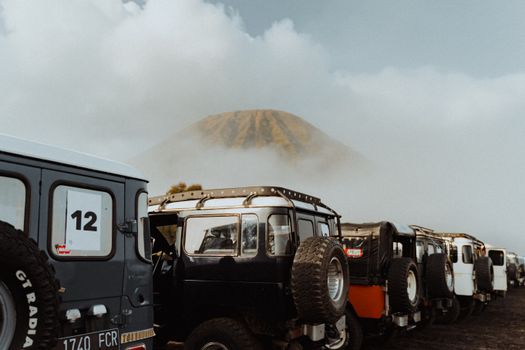
Imagine waking up at 3 AM, driving in a jeep across a vast, volcanic "sea of sand," and then hiking in the dark to a viewpoint to watch the sunrise. As the sun slowly illuminates the scene, the magnificent Bromo volcano, surrounded by its smoking siblings and a vast caldera, emerges from the mist. It's a surreal, almost spiritual experience. Afterwards, you descend into the sea of sand, cross to the base of Bromo, and climb a steep set of stairs to peer into its rumbling, sulfurous crater.
Personal Anecdote:
The sunrise over Bromo was truly one of the most Instagram-worthy moments of my life. The sky exploded in oranges and purples, slowly revealing the alien landscape below. The cone of Bromo, perpetually puffing white smoke, looked like something from another planet. Climbing to the crater rim, I felt the ground vibrate and heard the deep roar from within. The smell of sulfur was intense, but the view into the churning, smoking abyss was utterly captivating. I felt like I was standing on the edge of the world, witnessing creation and destruction simultaneously.
Ijen Crater: The Blue Fire Phenomenon
The Experience:
Ijen offers one of the most unique volcanic phenomena on Earth: the "blue fire." This requires a midnight trek down into the crater to witness sulfuric gases igniting into electric blue flames as they escape from cracks. It's an arduous, steep descent in the dark, and you'll be sharing the path with incredibly resilient sulfur miners who carry heavy loads up and down the crater daily. The ethereal blue fire, combined with the acidic turquoise lake at dawn, creates an unforgettable, almost hallucinatory landscape.
Personal Anecdote:
The Ijen trek was physically demanding and emotionally profound. Descending into the crater in the pitch black, the air thick with sulfur, seeing the blue flames flicker like ghostly spirits was an experience I'll never forget. But what truly moved me were the sulfur miners, toiling in such harsh conditions. Watching them, I gained an immense appreciation for human resilience and the stark realities of life for some. As dawn broke and the blue flames faded, the magnificent turquoise lake revealed itself, a stunning, yet deadly, beauty. I wore a proper gas mask, which was absolutely essential.
Practical Tips:
* Best Time to Visit: Dry season (April-October) for clearer skies and safer trekking conditions.
* What to Pack: Very warm layers for Bromo sunrise, sturdy hiking boots, headlamp, water, snacks, and a gas mask for Ijen (essential for sulfur fumes).
* Tours & Cost: Most visitors book multi-day tours that include both Bromo and Ijen, often starting from Surabaya or Malang. Prices vary widely but expect to pay IDR 1,500,000 – 3,000,000 (approx. $100-$200+) per person for a 2-3 day tour, excluding flights. This usually covers transport, guides, and basic accommodation.
Your Life-Changing Volcano Journey: Practical Tips for a Safe & Epic Adventure
Ready to embark on your own life-changing volcanic adventure? Here’s what you need to know to make it safe, smooth, and utterly unforgettable.
- Do Your Research & Choose Wisely:
- Reputable Operators: Always choose tour companies with excellent safety records, certified guides, and positive reviews. Check local tourism boards for recommended operators.
- Activity Levels: Be honest about your fitness. Some hikes are strenuous, while others are more accessible.
- Current Conditions: Volcanic activity can change. Always check official national park websites or local meteorological agencies for the latest updates and safety warnings before you go.
- Pack Smart, Pack Safe:
- Footwear is Key: Sturdy, broken-in hiking boots with good ankle support are non-negotiable for uneven volcanic terrain.
- Layers: Weather at volcanoes can change rapidly. Bring moisture-wicking base layers, insulating mid-layers, and waterproof/windproof outer shells.
- Protection: Sunscreen, hat, sunglasses for daytime. Headlamp/flashlight for night hikes. For areas with strong sulfur fumes (like Ijen), a proper gas mask (not just a surgical mask) is crucial.
- Hydration & Snacks: Always carry more water than you think you'll need. High-energy snacks are a lifesaver on long treks.
- Camera Gear: Don't forget extra batteries! A wide-angle lens is great for capturing vast landscapes, and a tripod is essential for night shots of lava.
- Physical Fitness & Preparation:
- Many volcano tours involve significant hiking, often on steep or uneven terrain. Start a walking or hiking regimen before your trip to build stamina.
- Listen to your body. If you feel unwell, inform your guide. Altitude sickness can also be a factor on higher volcanoes.
- Respect Nature and Local Communities:
- Stay on Marked Paths: This is for your safety and to protect fragile ecosystems.
- Leave No Trace: Pack out everything you pack in. Do not litter.
- Cultural Sensitivity: Especially in places like Indonesia, be mindful of local customs and traditions. Support local businesses and guides.
- No Souvenirs: Resist the urge to take rocks or other natural elements. In Hawaii, it's even believed to bring bad luck (Pele's curse!).
- Travel Insurance:
- Never travel without comprehensive travel insurance that covers adventure activities and potential medical emergencies.
The Earth's Fiery Heart Awaits: My Call to You
My journey through the world's volcanoes wasn't just about seeing impressive geological formations. It was about feeling the pulse of our planet, about connecting with something ancient and powerful, and about finding a new perspective on my own place in the world. Each tour pushed my boundaries, humbled me, and filled me with an awe that lingers to this day.
These are not just trips; they are profound encounters with creation itself. They are perfectly safe when approached with respect and guided by experts, offering an adventure that will undoubtedly change your life forever.
So, are you ready to trade your mundane routine for molten magic? Are you prepared to witness the Earth's fiery heart? Trust me, the view from the edge of a volcano is unlike anything you've ever experienced. It’s raw, it’s real, and it’s waiting for you.
What volcano will you conquer next? Share your volcanic dreams in the comments below!
Let's inspire each other to explore the incredible, powerful wonders of our world.
---