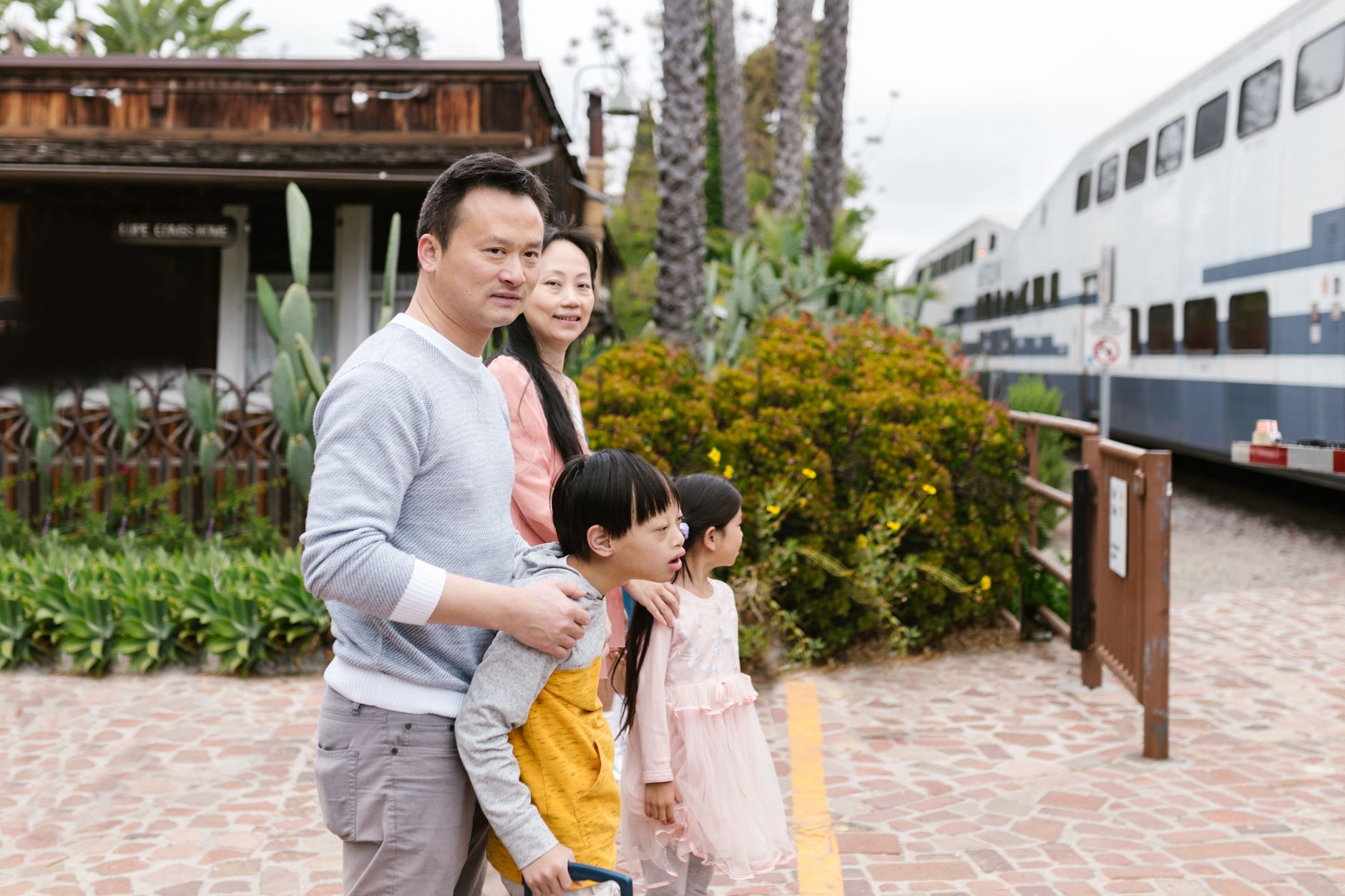
Every family that travels will eventually face a delay: a late train, a stuck queue, a gate change followed by another gate change, a road closed for hours. For children, the wait is not just boring. It is physically uncomfortable, confusing and unpredictable. For parents, it can feel like a test of endurance.
This article takes a different approach from a general checklist. It organises advice into seven practical strategies, each one a separate tool you can reach for, with notes on when it works best and how to avoid common pitfalls. You will not need all seven in every delay. Pick the ones that suit your children, your journey and your own energy.
A note on the word "hacks": none of these ideas is a magic trick. They are simply sensible habits that many parents find useful. Children vary a great deal, and what works for a calm six-year-old may fail for a tired two-year-old. Stay flexible.
Strategy 1: Build a Snack Plan, Not Just a Snack Bag
Hunger makes delays feel worse. Instead of tossing random snacks into a bag, think of food as a schedule that gives the wait some shape.
- Break the wait into mini events. "In a little while we will have our fruit pouch, and after that we will have crackers" gives children something to look forward to.
- Offer a mix. Combine something filling (bread, crackers, a sandwich), something sweet (dried fruit, a small treat), and something crunchy (breadsticks, rice cakes, popcorn if your child is old enough to eat it safely).
- Choose low-mess options. Sticky or crumbly food in a crowded seating area becomes a headache.
- Keep water going. Offer sips regularly, and refill bottles after security.
- Mind allergies. If your child has allergies, bring safe food rather than relying on what may be available, and tell staff if you need help.
- Check rules. Border and airline rules on food and liquids vary, and some countries restrict certain items such as fresh produce or dairy. Look up the rules for your route.
A snack plan will not solve every problem, but it removes one of the most common ones.
Strategy 2: Use the "Surprise Bag" Wisely
A small bag of new items can turn a long wait into something exciting. The key is novelty and pacing.
What to include depends on age, but good low-cost options are:
- A small notebook and pencils or crayons.
- Reusable stickers.
- A mini puzzle or a pack of cards.
- A small figure, car or toy animal.
- A fresh picture book or a comic.
- Pipe cleaners, which children can bend into animals and shapes.
- A cheap torch for under-the-coat shadow puppets, if allowed and safe.
Wrap each item loosely in paper or put it in a separate bag, and hand them out one at a time. Do not reveal everything at once. If you are on a short delay, you may not need to open the bag at all, and the items can be saved for the next time.
Avoid items with many tiny pieces, loud sounds or liquids that can spill. Think about what you can easily pack away and track in a crowded space.
Strategy 3: Turn Waiting Into Movement
Children need to move, and a delay is a good excuse to build movement into the day.
- Terminal treasure hunt. Give children a list of things to find: a red suitcase, a person in uniform, a plane with a particular logo, a coffee shop, a clock, a sign with an arrow. Older children can search for a flag from a particular country or a word in another language.
- Walking challenges. Count steps between two points, count gates, or walk "like a penguin" down a corridor.
- Find the quiet corner. Use a clear area for stretches, stretching games or yoga poses with animal names.
- Go outside if the situation allows. A brief walk in fresh air near a station or a service area can reset moods.
- Make use of facilities. Look for play areas, observation windows, viewing decks or family zones, and ask staff if you are unsure.
If you are on a road trip, rest areas and small parks are ideal for running, jumping and kicking a ball. Even five minutes of sprinting on a patch of grass can change the mood in the car.
Safety note: stay aware of surroundings, keep children away from roads, escalators and luggage belts, and keep sight of them at all times.
Strategy 4: Tell Stories Together
Storytelling is one of the most portable forms of entertainment, and it works for almost any age.
Simple story starters
- "Once upon a time, a suitcase woke up and found itself in the wrong airport..."
- "A small dragon was trying to catch the same train as us, but..."
- "What if the departure board could talk?"
Ways to play
- Round-robin stories. Each person adds a sentence. If the story veers into silliness, let it.
- Story cubes or pictures. Draw simple pictures on scraps of paper and build a story from them.
- Character creation. Invent a character together, with a name, a favourite food and a secret talent.
- Retell a favourite book with a twist: a different ending, a different character or a different setting.
- Describe the people around you with kind invented stories. Be careful to keep these respectful and quiet, because nobody wants to hear themselves narrated by a stranger's child.
Storytelling also supports language skills, builds imagination and creates a shared memory of the delay that may be funnier later than it feels now.
Strategy 5: Lean on Audio
Audio is often underused. It is restful for the eyes, works with headphones or a quiet speaker, and lets a child lie down or curl up.
- Audiobooks and story podcasts. Choose age-appropriate content and download in advance.
- Music and sing-along songs. Use headphones or a low volume. Songs with actions are good for small children.
- Guided relaxation or calming sounds. These can help a tired child wind down. Look for options aimed at children.
- Language-learning games. Short, playful audio lessons in the language of your destination can turn waiting time into preparation.
Audio can also be useful for the adults. If you are managing rebooking or phone calls, a child who is happily listening to a story gives you the space to do it.
Strategy 6: Give Children a Real Job
Children often feel powerless during a delay, and a task gives them purpose.
Possible jobs:
- Departure board detective. They check the board for updates and tell you when something changes. Younger children can look for their flight number or a colour.
- Map reader. Show them the route on a printed or digital map and ask them to track progress.
- Snack manager. Let them hand out snacks fairly, which is a good exercise in sharing.
- Photographer. Give an older child permission to take pictures of interesting things, using a camera or your phone, with clear limits.
- Trip journalist. They keep a short diary of the delay: what happened, what they saw, what they ate.
- Luggage guardian. An older child can be in charge of counting bags regularly. This works only if you are also checking, but it gives a responsible role.
Responsibility lifts mood and attention, and it often reduces whining because children feel useful.
Strategy 7: Create a Calm-Down Routine
Sometimes the most valuable tool is not an activity but a way to settle. Develop a routine your child recognises, and use it consistently on trips.
- Pause and get low. Crouch to their level and speak softly.
- Name what is happening. "You are tired and fed up with waiting."
- Breathe together. For example, breathe in for four counts and out for four, or "smell the flower, blow out the candle" for young children.
- Offer comfort. A cuddle, a blanket, a soft toy.
- Offer two small choices. "Do you want to read or listen?"
- Move on gently. Once calm, shift to a quiet activity.
If you rehearse this at home, it becomes a familiar anchor in unfamiliar settings. For children who are very sensitive to noise or crowds, a small pair of ear defenders designed for children can be helpful. If you have concerns about a child's sensory needs or anxiety, a qualified professional can offer personalised advice.
Planning Ahead Reduces Delay Stress
Some of the best preparation happens before you leave the house.
- Charge devices and pack a power bank.
- Download shows, games and audio while on reliable wifi.
- Pack layers. Terminals can be freezing or hot, and a spare top is always useful.
- Carry copies of key information, such as booking numbers, important phone numbers and any medical information, in a form you can reach quickly.
- Allow extra time for transfers when you can, and consider flexible tickets if your plans are tight.
- Know where family facilities are. Many airports publish maps, and some stations list parent rooms or quiet zones.
- Check your insurance and booking terms for what happens in a long delay.
What to Do When the Delay Becomes Long
If a delay stretches well past a few hours, shift from entertainment to comfort and logistics.
- Ask staff what help is available, such as meal vouchers, hotel stays or rebooking. Policies depend on the carrier, the reason for the delay and local rules, so ask politely and check official information.
- Find a quiet area where children can sleep or rest, and set up a comfortable space with coats and bags.
- Rotate responsibilities if there are two adults. One rests while the other supervises.
- Keep a simple routine: snacks, toilet, short walk, quiet time.
- Plan the next step: where you will eat, sleep and how you will reach your destination once the delay ends.
Rights and compensation rules vary by country and travel type. Check official sources or consumer organisations for information that applies to you. This is general information and not legal advice.
Frequently Asked Questions
How early should I bring out the activities?
Hold them back until you need them. Start with basic needs such as snacks and a toilet trip, then use free games, and bring out the surprise bag when attention starts to drop.
What if my child refuses every activity?
That usually means they are tired, hungry or overwhelmed. Try quiet time, a snack, a change of scene or physical comfort before offering more options. Sometimes a child just needs to be near you.
Can I use these ideas on road trips and train journeys?
Yes. Most of them work anywhere. On roads, add safe rest stops for movement. On trains, quiet games, audio and drawing are especially useful.
How many items should I pack for a delay?
Quality beats quantity. A handful of small items, plus snacks and a charged device, is often enough. Rotating a few items works better than carrying a heavy bag of toys.
Summary
Seven simple strategies can make a travel delay far easier for children and parents: a snack plan, a pacing-friendly surprise bag, movement breaks, shared stories, audio, small jobs and a reliable calm-down routine. None of them requires special equipment or a big budget, and all of them can be adapted to different ages and situations. Prepare a little before you travel, stay flexible during the delay, ask staff about available help, and remember that your calm presence matters more than any single activity. Check current rules for your carrier and destination, and look after yourself as well as your children.