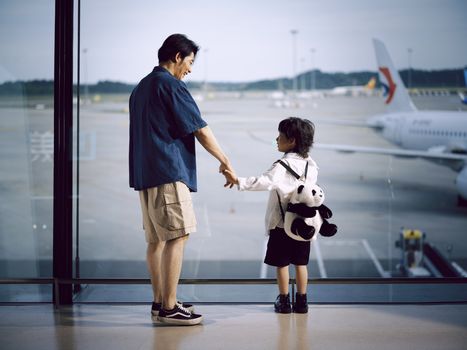
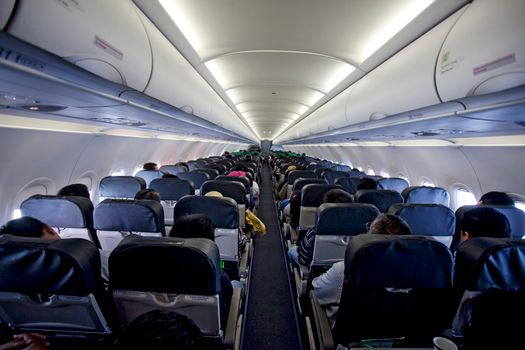
A long flight with children is not something to conquer. It is something to get through well, with enough preparation that the hard moments stay small. Plenty of families cross oceans every year, and the ones who seem relaxed are usually not lucky; they have simply lowered their expectations, packed sensibly and made a few smart decisions before they ever reached the airport.
This guide walks through those decisions in the order you will face them, from picking flights to the final descent. It is written for children of roughly toddler age through the early teens, with notes where the age makes a real difference.
Start With the Flight Itself
The best long-flight strategy begins at booking, because some choices cannot be fixed later.
Think about timing.
An overnight flight lets children sleep through much of the journey, which is often the single biggest help. A daytime flight can work for older kids who enjoy films and games, but it asks more of everyone's patience. Many parents of babies and toddlers lean toward flights that overlap with the child's usual bedtime. Think about your own children rather than any rule: some kids sleep anywhere, others cannot sleep upright however tired they are.
Consider a stopover.
One very long leg is not always better than two shorter ones. A break of two to four hours in the middle lets children run, eat a proper meal and use a real bathroom. The risk is a tight connection, so leave enough buffer that a delayed first flight does not strand you. If you can afford a longer layover with a hotel or airport lounge, a short rest can reset the whole family. Compare both options honestly, including how tiring a connection is when you are carrying bags and a tired five-year-old.
Choose seats deliberately.
Airlines differ, so check the seat map and the airline's family policies. Some things to look for:
- Seats together in one row, ideally with an aisle so a parent can get up without climbing over strangers.
- Bulkhead rows, which offer floor space for small children and are where bassinets are usually attached, though armrests there often do not lift and some airlines restrict who can sit there.
- Window seats for children who love watching the world, since they also give a wall to lean against while sleeping.
- Avoiding seats directly beside exit rows or the emergency doors, where children are generally not allowed to sit.
Airlines handle seat selection fees, infant bassinets and lap-infant rules differently, and they change their policies over time, so confirm details directly with your airline rather than relying on what a forum says.
Prepare Children Before You Leave
Children cope better with what they understand. A few days beforehand, talk through the journey in plain terms: the airport, security, the plane, the long sit, the food, the sleeping, the landing. Show younger children a picture book about airplanes or a short video of what a flight looks like. Walk older children through the route on a map so they know roughly where they are over at any time.
Let kids take part in the planning. A child who has packed their own small backpack, chosen two favourite toys and picked a film to watch feels like a participant instead of luggage. This tiny sense of ownership reduces a great deal of complaining later.
It also helps to rehearse boredom a little. If your child has never sat still for more than an hour without a screen, a flight is a hard place to learn. A quiet afternoon with the activities you plan to bring is a gentle test run.
Pack a Carry-On That Actually Works
The carry-on is where long flights are won or lost. Each child should have their own small bag if they are old enough to carry it, and parents should keep one organised bag within easy reach under the seat, not in the overhead bin. Anything you will want in the first hour should not need standing up.
The essentials
- Documents and boarding passes in one accessible pocket, plus any consent letters needed if a child travels with only one parent. Check entry rules for your destination with official government sources.
- A change of clothes for each child, and a spare top for each adult. Spills, motion sickness and nappy leaks all happen.
- Wipes, tissues and small plastic bags for messes and for sealing dirty clothes.
- Any medicines your child may need, in original packaging, with a doctor's guidance where relevant. This is general information only; speak to a doctor or pharmacist about anything specific, including motion sickness or sleep.
- A refillable water bottle, emptied before security and filled after.
- Layers, because cabins can be warm in the morning and cold overnight. A light blanket or scarf helps.
- Chargers, a power bank and headphones that fit the child's head properly. Children's volume-limited headphones are a thoughtful buy.
For babies and toddlers
Bring more nappies than the flight seems to require, a changing mat, spare bottles or feeding supplies, and a familiar comfort object. Rules about carrying liquids for infant feeding vary by country and airport, so check the security rules for each departure point.
Snacks Are Not Optional
Hungry children become difficult quickly, and airline meals do not always arrive when they are hungry. Bring more snacks than you think you need, and favour things that are:
- Not too messy (crackers, dried fruit, plain biscuits, cut vegetables, cheese sticks if kept cool).
- Slow to eat, such as small pieces that take time to pick up, or a bag of cereal loops.
- Free of strong smells, out of courtesy to the people around you.
Be careful with nuts, as other passengers may have serious allergies and some airlines request no nut snacks. If your child has allergies themselves, contact the airline ahead of time and carry any prescribed emergency medication, as instructed by their doctor.
Snacks can also serve as small rewards or a structure for the flight. Many parents plan something to look forward to every hour or so, and that gives a long block of time shape.
Entertainment Without Panic
A tablet loaded with downloaded shows is perfectly reasonable on a long flight. This is not the moment for strict screen-time rules, and most families stop feeling guilty about it fairly fast. But screens alone usually run out of steam, so pack a mix.
Ideas that tend to work:
- A small bag of new, inexpensive items wrapped up, to be opened one at a time. Novelty is the point; it does not need to be costly.
- Sticker books, colouring pads with fat pencils (crayons melt, markers leak), and magnetic drawing boards.
- Audiobooks and children's podcasts, which are restful and let eyes rest from screens.
- Card games and travel-sized board games for older children, particularly those that work on a small tray table.
- Simple games that need nothing at all: "I spy", twenty questions, story chains where each person adds a sentence.
- Window time. Younger children enjoy tracking the little plane icon on the seat-back map.
Download everything before you leave home. In-flight wifi may be slow, costly or absent, and offline content never lets you down.
Sleep and Comfort
Sleeping upright is hard at any age, so help children get comfortable.
- Bring a small travel pillow or let them use a rolled jacket.
- Dress them in soft, loose clothes; consider pyjamas for overnight flights, which also signals bedtime.
- Keep their usual routine where possible: a story, teeth brushed, the same comfort toy.
- Reduce light and noise with an eye mask for older kids and quiet headphones.
- Some families use a seat-extension device or inflatable footrest to make a flatter bed. Airlines differ on whether these are allowed, so check the airline's rules before buying one.
Remember that a baby or toddler who sleeps in your arms may be tiring for you. If your airline offers a bassinet, request it early, since there are limited numbers and weight and length limits apply.
Ear Comfort and Landing
Pressure changes during take-off and landing can be uncomfortable for children's ears. Swallowing helps, so encourage sipping water, sucking on a lollipop or chewing something (age appropriate; avoid choking hazards for small children). Babies can feed during descent, with a bottle or breastfeeding, which usually helps. Wake sleeping children gently before landing if they are old enough to otherwise feel discomfort, though many parents choose to let sleeping children sleep. If your child has a cold or ear infection, talk to a doctor before flying.
Moving Around the Cabin
Kids need to move. Build short walks into the flight: to the bathroom, to the galley for water, up and down the aisle when the seatbelt sign is off. A walk every hour or two gets energy out and helps circulation. Encourage simple seat exercises as well, such as ankle circles, stretching arms or marching feet.
Be mindful of the rules, though: if the seatbelt sign is on or turbulence is expected, stay seated and buckled. Flight attendants are usually very kind to families and happy to suggest quiet spots to stand for a few minutes.
Managing the Hard Moments
At some point, a child will cry, refuse to sit, or have a meltdown. This is normal, and most fellow passengers have been there or will be understanding.
Some approaches that help:
- Stay calm yourself. Children read your tension. A slow voice and a relaxed face help more than any gadget.
- Change something. A new location (a walk), a new activity, a new snack or a trip to the bathroom can break a spiral.
- Get help. Flight attendants have seen all of it and can offer water, a quiet corner or a tip.
- Do not apologise to everyone. A brief, friendly acknowledgement to neighbours is plenty.
- Remember it ends. Every flight lands.
If your child is air-sick, keep bags handy and a change of clothes close by, and sit them near a window or in a spot with air flow. Ask your doctor or pharmacist about remedies appropriate for their age.
Arrival and Jet Lag
Landing is not the end. Customs queues, baggage claim and the transfer to your hotel can take as long as another flight.
- Keep snacks and water for the arrival hall.
- Have everything the next step needs, such as car seat arrangements, within reach.
- On arrival, get daylight and outdoor time, and try to follow local meal and bedtimes quickly, which usually helps body clocks adjust.
- Expect some odd sleeping for a few days. Short naps in the afternoon can help younger children without ruining the night.
- Plan an easy first day with no tight schedule, ideally one close to bed, a pool or a park.
Jet lag affects children differently, and a day or two of being cranky is quite ordinary.
Frequently Asked Questions
What is the best age to fly long-haul with a child?
There is no perfect age. Very young babies often sleep a lot, but you carry more gear; toddlers are active and hard to contain; school-age children are easier but still need entertainment. Choose what works for your family, and ask your doctor about flying with newborns, as airlines have minimum ages.
Should I give my child medicine to sleep?
Do not give sedatives or sleep aids without your doctor's advice. Their effects on children can be unpredictable. Focus instead on routine, comfort, darkness and tiredness.
Is it better to book a night flight or a day flight?
It depends on your child. Night flights suit children who sleep well in unfamiliar places. Day flights suit those who struggle to sleep upright but enjoy films and games. Many families try one and learn from it.
How early should I arrive at the airport?
Allow extra time with children, because everything takes longer. Check your airline and airport guidance, and leave plenty of margin for queues, bathroom stops and unexpected delays.
Summary
Long flights with children go best when you plan the journey rather than hoping for luck. Choose flights and seats that suit your family, prepare your children for what to expect, pack a carry-on with snacks, spare clothes and varied entertainment, and give sleep and movement the same attention as everything else. Expect at least one hard moment, meet it calmly, and remember that it ends. Check airline rules, entry requirements and health advice from official sources before you travel, and give yourself an easy first day at your destination. Then you can enjoy what the long flight was for in the first place.