The Whispers of a Hidden World: Festivals Locals Don’t Want You to Know About (Yet!)
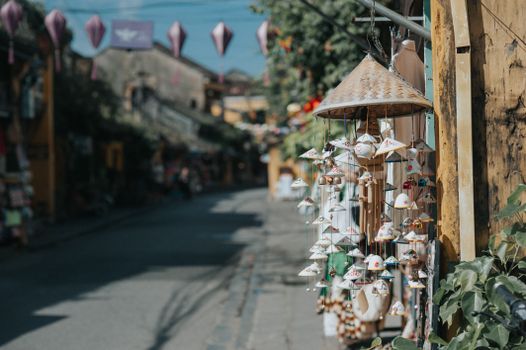
I remember the exact moment. It was a humid afternoon in Hoi An, Vietnam, the lanterns glowing famously, but something felt… off. Don’t get me wrong, it was beautiful, but as I watched a tourist bus unload another fifty eager photographers, I felt a familiar pang. That yearning for something more. Something beyond the curated, the Instagram-famous, the easily discoverable. I wanted the real pulse, the beating heart of a culture that hadn’t been packaged for mass consumption.
That yearning led me down countless dusty roads, through forgotten hamlets, and into conversations fueled by broken language and shared smiles. It led me to the whispers – the hushed tales of annual celebrations so deeply woven into the fabric of a community that they remain largely untouched by the global travel industry. These aren't festivals hiding from tourists, but rather ones so intrinsically local, so profoundly sacred, that they simply haven't needed to advertise. And trust me, when you find one, it's like unearthing a priceless treasure.
This isn't about gatekeeping; it's about respectful discovery. It's about earning your place as an observer, sometimes even a participant, by showing genuine curiosity, humility, and a willingness to step far outside your comfort zone. If you're ready to trade your guidebook for a local's hand gestures and your luxury hotel for a humble homestay, then pull up a chair. I’m about to share five of the most incredible, once-a-year festivals I’ve had the privilege to stumble upon – the kind locals often don't want tourists to know.
1. The Whispering Ember Festival (Lễ Hội Đèn Lửa Thầm Kín) – Ha Giang Province, Vietnam
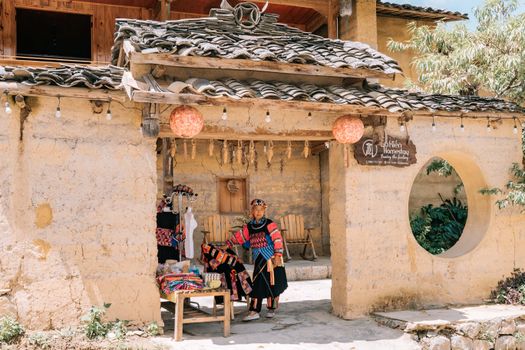
My journey to the Whispering Ember Festival began with a wrong turn and a flat tire in the remote, mist-shrouded mountains of Ha Giang. Stranded near a tiny Hmong village, I was taken in by an elderly woman whose hospitality transcended language barriers. It was during a shared meal of sticky rice and fiery chili that her grandson, a young man named Linh, cautiously mentioned "the fire dance." Not the famous lantern festival, he stressed, but something older, deeper, performed only once a year to honor ancestral spirits and ward off evil.
What it is:
The Whispering Ember Festival, or Lễ Hội Đèn Lửa Thầm Kín, is an ancient Hmong ritual usually held on the full moon of the 10th lunar month (typically late November/early December). It’s a captivating, deeply spiritual event where villagers gather after dusk. Small, intricately woven baskets filled with glowing embers are passed from hand to hand, creating trails of light in the darkness. The highlight is a mesmerizing "fire dance" performed by elders, their faces illuminated by the flickering flames, as they chant ancient prayers. It's not a performance; it's a living prayer, a communal act of remembrance and protection.
Why locals keep it quiet:
It’s a sacred, family-oriented event. The Hmong people value tradition and privacy deeply. They fear commercialization would dilute its spiritual significance and attract disrespectful crowds. My presence was tolerated, even welcomed, only after I had spent days helping Linh with chores and demonstrating genuine respect for their way of life.
My experience:
I remember the crisp mountain air, the smell of woodsmoke and damp earth, and the hypnotic rhythm of the Hmong flutes. As the embers glowed, casting dancing shadows on the faces around me, I felt an almost primal connection to something ancient and profound. Linh explained the chants, not word for word, but their essence: a plea for good harvests, healthy children, and peace for the ancestors. It was raw, authentic, and utterly unforgettable. I was the only non-local, and every glance, every shared smile, felt like an invitation into a secret world.
Practical Tips:
* When to go: Full moon of the 10th lunar month (check lunar calendar for specific dates, usually late Nov/early Dec).
* How to get there: Extremely challenging. Fly into Hanoi, then a long overnight bus to Ha Giang city. From there, you'll need to hire a local motorbike driver or a sturdy 4x4 (with driver) to reach remote villages like Lung Cu or Dong Van, then ask around. Be prepared for rough roads and potential language barriers.
* Accommodation: Expect basic homestays. Don't expect hot water or Western toilets. Offer to pay a fair price and bring small gifts (medicines, school supplies, sturdy tools).
* Cost: Minimal. Your main costs will be transport and a modest payment for your homestay. Food is usually shared.
* Etiquette: Dress modestly. Always ask for permission before taking photos, especially of people. Participate respectfully if invited, but primarily observe. Offer help where you can.
2. The Green Man's Awakening (Prebujanje Zeleni Človek) – Dinaric Alps, Slovenia
After a particularly strenuous hiking trip through the Julian Alps, I found myself in a tiny, almost forgotten village nestled deep in the Dinaric Alps, close to the Croatian border. I was nursing a sprained ankle in a small guesthouse when my host, an elderly woman named Anja, noticed my fascination with the ancient symbols carved into the wooden beams of her home. "These are for Zeleni Človek," she whispered, her eyes twinkling. "He awakens with the spring."
What it is:
The Green Man's Awakening (Prebujanje Zeleni Človek) is a pre-Christian, pagan fertility festival held annually around the Spring Equinox (March 20-22). It’s a celebration of nature’s rebirth, fertility, and the warding off of winter's chill. Villagers craft elaborate costumes from leaves, moss, and branches, with one central figure embodying the "Green Man." They parade through the fields, singing ancient songs, scattering seeds, and performing ritualistic dances to encourage a bountiful harvest. The air is thick with the scent of damp earth and fresh greenery.
Why locals keep it quiet:
It's a deeply rooted cultural practice, not a spectacle. The community guards its traditions fiercely, fearing that an influx of tourists would commercialize or trivialize their sacred rituals. Anja explained that the rituals must be performed with pure intent; outside observers are tolerated only if they understand this and maintain respectful silence.
My experience:
I watched from a respectful distance as the villagers, some adorned with masks woven from natural materials, moved with a solemn grace. The Green Man himself, a towering figure made entirely of living foliage, seemed to merge with the forest around him. The sound of ancient flutes and drums echoed through the valley, and the communal feast that followed, with its wild game and foraged greens, felt like a journey back in time. It was a profound reminder of humanity's ancient connection to the earth. I helped prepare some of the food, learning about local herbs, and felt a quiet sense of belonging.
Practical Tips:
* When to go: Around the Spring Equinox (March 20-22). Exact date depends on local tradition and the moon cycle.
* How to get there: Fly into Ljubljana, then rent a car. Drive towards the Dinaric Alps near the Croatian border (e.g., Snežnik Castle region). You'll need to stay in a small village and build trust with locals. This is a discovery by serendipity, not by planning.
* Accommodation: Small guesthouses or farm stays (turistična kmetija). Book well in advance, and be prepared for basic amenities.
* Cost: Moderate. Slovenia is generally affordable, but these remote areas require self-sufficiency.
* Etiquette: Learn a few basic Slovenian phrases. Be discreet and respectful. Dress warmly, as spring in the mountains can still be chilly. Offer to help with chores or contribute to the communal meal.
3. La Danza del Sol y la Luna (The Dance of Sun and Moon) – Altiplano, Bolivia
My quest for authentic experiences often leads me to high altitudes, and Bolivia's Altiplano is a treasure trove of ancient traditions. I was trekking near the less-visited shores of Lake Titicaca, far from the tourist hub of Copacabana, when a sudden, unexpected blizzard forced me to take shelter in a small Aymara village. There, a shaman, Don Mateo, shared stories of Pachamama (Mother Earth) and the annual dance performed to honor the sun and moon at the solstices.
What it is:
La Danza del Sol y la Luna is an ancient Aymara festival celebrated during both the Winter Solstice (June 21) and Summer Solstice (December 21). It's a vibrant, deeply spiritual event that pays homage to the cosmic balance of Inti (Sun God) and Mama Killa (Moon Goddess), and offers gratitude to Pachamama for life and sustenance. Villagers don colorful traditional clothing, play panpipes and drums, and perform intricate dances that mimic the movements of celestial bodies. Offerings of coca leaves, llama fetuses (symbolic, usually), and chicha (corn beer) are made at sacred sites.
Why locals keep it quiet:
These are sacred indigenous ceremonies, not public spectacles. The Aymara people have long fought to preserve their cultural identity against colonial influences and modern commercialism. They are wary of outsiders who might not understand or respect the profound spiritual significance of their rituals. Don Mateo explained that true participation comes from the heart, not from a camera lens.
My experience:
I was invited to observe the Winter Solstice celebration, a stark, breathtaking event against the backdrop of the snow-capped Andes. The air was thin, the cold biting, but the warmth of the community was palpable. I watched as the shaman performed rituals, invoking ancient spirits, and felt the earth tremble under the rhythmic stomping of the dancers. The music was hauntingly beautiful, carrying the weight of centuries. I was offered a small cup of chicha, its taste sweet and earthy, and for a moment, I felt a deep connection to the ancient land and its people. I helped prepare the watia (earth oven) and shared stories by a crackling fire.
Practical Tips:
* When to go: Winter Solstice (June 21) or Summer Solstice (December 21). The June celebration is often more significant in the Andes.
* How to get there: Fly into La Paz. Take a bus to a smaller town near Lake Titicaca (e.g., Achacachi, not Copacabana). From there, you'll need to arrange transport with a local driver or hike to remote villages. High altitude acclimatization is crucial.
* Accommodation: Very basic guesthouses or homestays. Be prepared for cold nights and limited electricity.
* Cost: Low. Transport is the main expense. Homestays are inexpensive.
* Etiquette: Learn some basic Spanish and ideally a few Aymara phrases. Dress warmly and modestly. Bring small gifts (coca leaves, sugar, useful household items). Be patient, humble, and respectful of their beliefs. Ask permission before taking any photos, and be prepared for refusal.
4. The Festival of the Painted Canoes (Pesta Perahu Berukir) – Raja Ampat, Indonesia
My love for diving often takes me to the most remote corners of the world, and Raja Ampat, with its unparalleled marine biodiversity, is one such place. But beyond the vibrant coral reefs, I discovered something even more colorful on land. While exploring a less-visited island in the Misool area, I met a local fisherman, Wayan, whose family belonged to a small, isolated tribe. He spoke of an annual festival celebrating their ancestral navigators and the intricate art of canoe painting.
What it is:
The Festival of the Painted Canoes, or Pesta Perahu Berukir, is a unique celebration held annually around late September/early October, after the main fishing season. It's a vibrant spectacle where the community showcases their intricately carved and painted traditional canoes (longboats). Each canoe tells a story through its designs – tales of ancestral journeys, mythical sea creatures, and bountiful harvests. The festival culminates in a ceremonial race, but it's less about competition and more about showcasing craftsmanship, communal pride, and connection to the ocean. There's traditional music, dancing, and a feast of fresh seafood.
Why locals keep it quiet:
This festival is a deeply personal expression of their identity and heritage. Their art, their stories, and their connection to the sea are sacred. They are wary of mass tourism that could exploit their culture or lead to the commercialization of their crafts, thus losing their authentic meaning. Wayan explained that the beauty of the festival lies in its purity, not its audience size.
My experience:
I was invited to observe the preparations, watching in awe as intricate patterns were painted onto the canoes using natural pigments. The air was filled with the rhythmic sounds of carving, the smell of fresh wood, and the distant murmur of the sea. On the day of the festival, the colorful canoes, each a floating masterpiece, were launched with great ceremony. The communal feast that followed, with grilled fish and tropical fruits, was a joyous affair. I helped carry supplies and learned a few basic phrases in their local dialect, earning smiles and nods of approval.
Practical Tips:
* When to go: Late September/early October, after the main fishing season. Specific dates depend on the lunar calendar and local custom.
* How to get there: Fly into Sorong (SOQ), then take a ferry or chartered boat to Waisai (Waigeo Island). From there, you'll need to arrange a private boat charter to the more remote islands in the Misool or Wayag areas. This is expensive and requires significant planning and local connections.
* Accommodation: Very basic homestays or eco-lodges. Be prepared for limited electricity, no internet, and bucket showers.
* Cost: High due to remote location and boat charters. Homestays are relatively inexpensive once you're there.
* Etiquette: Dress modestly. Be extremely respectful of their customs and environment. Ask before taking photos. Offer to help with daily tasks. Bring small, useful gifts like fishing hooks, school supplies, or first-aid items.
5. The Storyteller's Masquerade (Kente Nkrabea Afahyɛ) – Ashanti Region, Ghana
My travels through West Africa often lead me to the heart of rich oral traditions. In Ghana's Ashanti region, known for its vibrant kente cloth and ancient kingdoms, I found myself in a village known for its master weavers. Over cups of sweet palm wine, an elder named Nana Kwasi shared tales of the Kente Nkrabea Afahyɛ – the "Kente Destiny Festival" or "Storyteller's Masquerade" – an annual event where masked figures embody ancestors and recount communal history through dance and mime.
What it is:
The Storyteller's Masquerade, or Kente Nkrabea Afahyɛ, typically takes place in late August/early September, coinciding with the harvest season. It's a profound annual celebration of ancestral wisdom, communal memory, and the power of storytelling. Villagers, adorned in intricate Kente cloth and elaborate masks (often carved from wood and adorned with cowrie shells and feathers), embody ancestral spirits. Through a mesmerizing blend of dance, mime, and rhythmic drumming, they recount the history of the village, tales of bravery, morality, and the wisdom of their forebears. It's an immersive, living history lesson.
Why locals keep it quiet:
This festival is central to their cultural preservation and identity. The stories told are sacred, passed down through generations. The community values the authenticity of the experience and fears that a large influx of tourists would turn a sacred ritual into a performance, diminishing its spiritual and educational value for their youth. Nana Kwasi emphasized the importance of understanding, not just seeing.
My experience:
The air thrummed with the beat of drums, a primal rhythm that vibrated through my very bones. The masked figures, moving with an almost otherworldly grace, seemed to truly embody the spirits they represented. Each movement, each gesture, told a story that transcended language. I watched, mesmerized, as the history of the village unfolded before me, a vibrant tapestry woven from dance and tradition. I was given a small stool to sit on and offered a portion of the communal feast, feeling like a silent witness to something truly profound. I spent time with the weavers, learning about the symbolism in Kente, which helped me appreciate the festival even more.
Practical Tips:
* When to go: Late August/early September, coinciding with the harvest.
* How to get there: Fly into Accra. Take a bus or shared taxi to Kumasi. From Kumasi, you'll need to hire a private taxi or arrange local transport to a specific village in the Ashanti region (e.g., Bonwire, Ntonso, but go deeper). Building trust with local elders is key.
* Accommodation: Basic guesthouses or homestays. Be prepared for limited amenities and potential power outages.
* Cost: Low to moderate. Transport is the main cost. Homestays and food are generally inexpensive.
* Etiquette: Dress modestly. Always ask for permission before taking photos, especially of the masked figures. Learn a few Twi phrases. Be patient, friendly, and respectful. Bring small gifts like school supplies, fabric, or snacks.
The Art of Discovery: How to Find Your Own Hidden Gems
Finding these festivals isn’t about Googling "secret festivals." It’s about a mindset, a way of traveling.
- Go Off-Season & Off-Grid: Head to places when tourist numbers are low. Venture beyond the main attractions. The more remote, the better your chances.
- Talk to Locals (Seriously!): Stay in small guesthouses, eat at local eateries, and strike up conversations. Learn a few phrases in the local language. Show genuine interest in their culture. Often, the information comes from a casual chat, a shared meal, or an act of kindness.
- Be Flexible & Patient: Plans will change. Roads will be rough. You might not find what you’re looking for immediately. Embrace the journey.
- Research Local Calendars (Indirectly): Look up lunar calendars, agricultural cycles, and historical dates for regions you're interested in. Many ancient festivals align with these. Then, once you're on the ground, ask about local customs around these times.
- Be Respectful & Humble: This is paramount. You are a guest in someone else’s sacred space. Dress appropriately, ask permission before taking photos (and accept "no" gracefully), and if invited to participate, do so with an open heart and a respectful demeanor. Contribute, don't just consume.
- Travel Light & Stay Longer: The longer you stay in a community, the more you become part of its rhythm, and the more likely you are to be trusted with local insights.
Beyond the Postcard: Why These Experiences Matter
These aren't just festivals; they're windows into the soul of a culture. They are living archives of history, spirituality, and community resilience. Experiencing them isn't about ticking off a bucket list item; it's about connecting on a human level, understanding diverse ways of life, and fostering a deep appreciation for the world's incredible tapestry of traditions.
It’s about the feeling of being the only outsider, yet feeling completely at home. It’s about the quiet pride in a local's eyes when they share their heritage with you. It’s about the profound realization that the most precious travel experiences are often the ones you never planned, the ones that find you when you're open enough to receive them.
So, are you ready to trade the well-trodden path for the whisper of a secret? Are you willing to put in the effort, embrace the unknown, and truly connect with a culture at its most authentic?
Tell me in the comments below: What’s your most incredible off-the-beaten-path travel discovery? Let’s inspire each other to seek out the truly unique!
---