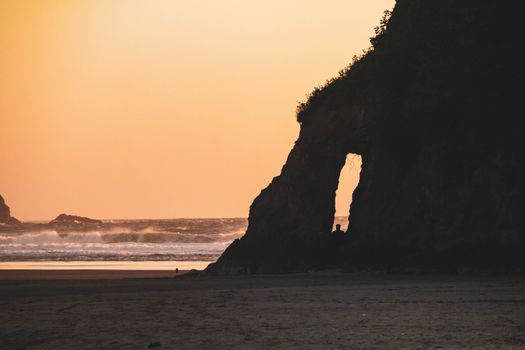
The Golden Hour Obsession: Why Locals Keep the Best Spots Secret
I remember my first "viral" golden hour shot. It was of Santorini, Oia, with its iconic white-washed buildings bathed in that surreal, buttery light. The photo was stunning, yes, but the memory? Less so. I recall jostling for position with literally hundreds of other photographers, all aiming for the exact same frame. It felt less like a magical moment and more like a high-stakes competition. That experience sparked a mission: to find the real golden hour magic, the kind locals cherish, away from the tourist hordes.
It’s a universal truth among travelers: the best spots are often the ones you stumble upon, the ones shared by a whispered recommendation from a friendly local, or the ones that require a little extra effort to reach. These are the places where the light feels more sacred, the air more still, and the moment truly yours. Locals guard these spots fiercely, and for good reason – they’re sanctuaries of beauty and tranquility.
After years of traversing continents, getting lost down winding alleys, and befriending countless locals over strong coffee or local brews, I’ve curated a list. A list of places where the golden hour doesn’t just paint the sky; it transforms the entire landscape into an ethereal masterpiece, and you might just be the only one there to witness it. These aren't just pretty places; they're experiences, often requiring a bit of adventure, a dash of local insight, and a willingness to step off the well-trodden path. So, put away your guidebooks, open your mind, and let's uncover these truly hidden golden hour gems.
---
1. Praia da Ursa, Portugal: The Wild Heart of the Atlantic Sunset
Location:
Near Cabo da Roca, Sintra-Cascais Natural Park, Portugal. Roughly 40km west of Lisbon.
Why it's a secret: While Cabo da Roca is well-known as the westernmost point of mainland Europe, the stunning Praia da Ursa (Bear Beach) just north of it remains a local secret. Its challenging, unmarked hiking trail keeps most tourists away, preserving its raw, untamed beauty.
My first encounter with Praia da Ursa was almost accidental. After a rather crowded sunset at Cabo da Roca, a local fisherman, seeing my disappointment, gestured vaguely north and mumbled something about "Ursa" and "hard path." Intrigued, the next day I returned, found the barely-there trail, and embarked on what felt like a descent into another world. The path is steep, rocky, and requires sturdy shoes and a good sense of balance – definitely not for flip-flops!
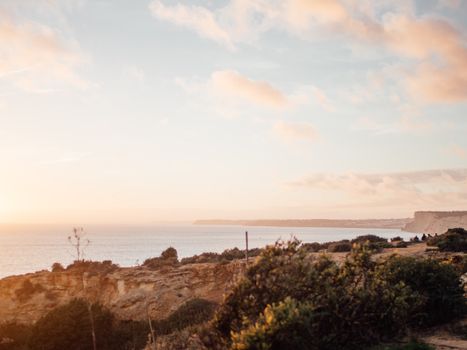
But oh, the reward! As you emerge from the scrub, the view opens up to a dramatic coastline dominated by two towering sea stacks – the "Ursa" (bear) and "Gigante" (giant). The beach itself is a pristine crescent of golden sand, often completely deserted. As the sun dips towards the Atlantic, the cliffs ignite in fiery oranges and deep purples, casting long, dramatic shadows. The waves crash against the unique rock formations, creating a symphony of nature. It’s a photographer’s dream and a soul-seeker’s haven.
Practical Tips:
* Getting there: Drive or take a bus from Sintra to Cabo da Roca. From there, the trail starts a few hundred meters north of the lighthouse. Look for a dirt path leading down towards the coast. Parking at Cabo da Roca is free.
* Best Time: Aim to arrive about 90 minutes before sunset to comfortably make the descent and find your spot. Golden hour here is truly spectacular, lasting well after the sun dips below the horizon.
* What to bring: Good hiking shoes, water, snacks, a headlamp for the ascent back up after dark, and a wide-angle lens for your camera. There are no facilities on the beach.
* Cost: Free! Just your effort.
---
2. Gili Meno's West Coast, Indonesia: Serenity and Swings
Location:
Gili Meno, West Lombok, Indonesia.
Why it's a secret: While Gili Trawangan buzzes with party-goers and Gili Air offers a lively but relaxed vibe, Gili Meno is the quiet middle child, often overlooked. Its west coast, in particular, remains blissfully undeveloped, offering pristine beaches and unadulterated sunset views.
After the whirlwind of Bali and the lively Gili T, Gili Meno felt like a deep exhale. No motor vehicles, just horse-drawn carts (cidomo) and bicycles. I rented a bike and circumnavigated the island, eventually finding myself on the tranquil west coast. Unlike the more popular swing spots on Gili T, which often have queues, Gili Meno’s west coast has several rustic, often empty, swings and hammocks hanging over the water.
One evening, I found a particularly charming swing tied to a leaning palm tree. As the sun began its descent, painting the sky in cotton-candy hues of pink, orange, and purple, I sat there, gently swaying, watching the distant silhouettes of Lombok and Bali. The only sounds were the gentle lapping of waves and the rustling of palm leaves. It was pure, unadulterated bliss – a moment that felt like it belonged solely to me. No crowds, no vendors, just peace.
Practical Tips:
* Getting there: Take a fast boat from Bali (Padang Bai or Serangan) to Gili Trawangan, then a local public boat or a small private boat to Gili Meno (around IDR 35,000-50,000 / $2.50-$3.50 for public boat, more for private). Once on Meno, rent a bicycle (IDR 50,000 / $3.50 per day) and cycle to the west coast.
* Best Time: Golden hour here is truly magical, start looking for your spot about an hour before sunset. The light is soft and perfect for photography.
* What to bring: Swimsuit, sarong, camera, and a good book. There are a few small beach bars that pop up, but it’s best to bring your own water.
* Cost: Minimal. Boat transfers and bike rental are the main costs. A simple bungalow on Gili Meno can be found for IDR 200,000-400,000 ($14-$28) per night.
---
3. Mirador Llao Llao, Bariloche, Argentina: Patagonian Peaks in Gold
Location:
Circuito Chico, Bariloche, Patagonia, Argentina.
Why it's a secret: Bariloche is famous for its stunning Nahuel Huapi Lake and Andean peaks, but many tourists stick to the main viewpoints along Circuito Chico. Mirador Llao Llao, a specific, easily accessible but often overlooked spot just before the famous Llao Llao Hotel, offers an unparalleled, crowd-free panorama.
During a road trip through Patagonia, I was determined to find a sunset spot that wasn't overrun. My hostel owner in Bariloche, a gruff but kind man named Miguel, scribbled directions on a napkin for "un mirador pequeño, antes del hotel grande." Following his advice, I rented a car (highly recommended for Circuito Chico) and drove the scenic route.
Just before the grand Llao Llao Hotel, there's a small, unmarked dirt pull-off. From here, a short, easy walk leads to a rocky outcrop. The view that unfolded before me was breathtaking: the majestic peaks of the Andes, including Mount Tronador, reflected in the glassy waters of Lago Nahuel Huapi, all bathed in the most incredible golden light. The sky turned from soft peach to fiery orange, then to deep violet as the mountains stood sentinel. I shared the view with perhaps two other people and a family of wild guanacos – a truly authentic Patagonian experience.
Practical Tips:
* Getting there: Rent a car in Bariloche (prices vary, but expect around ARS 20,000-30,000 / $20-$30 per day, check current exchange rates). Drive Circuito Chico counter-clockwise. Mirador Llao Llao is a small viewpoint on the right, just before the entrance to the Llao Llao Hotel. You can also take Bus 20, but you'll need to walk a bit from the bus stop.
* Best Time: Aim for 45 minutes to an hour before sunset. The way the light hits the mountains and water is simply divine.
* What to bring: A good camera with a wide-angle lens, warm layers (Patagonian evenings can get chilly even in summer), and a thermos of mate or hot chocolate.
* Cost: Free! Car rental is the main expense if you choose that option.
---
4. Point Dume State Preserve, Malibu, California: Coastal Cliffs and Pacific Glow
Location:
Malibu, California, USA.
Why it's a secret: While Malibu beaches are famous, Point Dume State Preserve offers a more rugged, less crowded experience, especially if you venture beyond the main beach access. The dramatic cliffs and hidden coves provide unique perspectives for golden hour.
Living in Los Angeles, you quickly learn that popular spots come with a price: crowds. I’d seen countless stunning sunset photos from Malibu, but always pictured the packed beaches. One evening, a local photographer friend tipped me off to Point Dume. "Go to the preserve, hike up the bluff, and find a spot away from the main stairs," he advised.
I followed his advice, parking near the residential streets and taking the less-trafficked trails up the bluffs. The views were immediately spectacular. Below, surfers rode the last waves of the day, their silhouettes against the shimmering Pacific. The cliffs, carved by wind and sea, glowed golden as the sun dipped towards the horizon. I found a secluded spot overlooking a small, rocky cove, completely alone with the vast ocean. The air smelled of salt and wild sage, and the only sound was the rhythmic roar of the waves. It felt miles away from the hustle of LA.
Practical Tips:
* Getting there: Drive to Point Dume State Preserve in Malibu. Parking can be found on local streets (check signs for restrictions) or in the small paid lot near the main beach access. From the main beach, you can hike up the bluffs, or find trails from the residential areas (e.g., Westward Beach Road).
* Best Time: About an hour before sunset. The light on the cliffs and the ocean is incredible. Stay a bit after sunset for the lingering twilight colors.
* What to bring: Comfortable walking shoes, water, a light jacket (Malibu breezes can be cool), and a camera with both wide-angle and telephoto lenses to capture the vastness and details.
* Cost: Parking fees if you use the main lot (around $3-$10 depending on the time of year), otherwise free if you find street parking.
---
5. Essaouira Ramparts – Southern Section, Morocco: Ancient Walls, Golden Seas
Location:
Essaouira, Morocco. Specifically, the less-visited southern ramparts near Bab Sbaa.
Why it's a secret: Most tourists flock to the northern ramparts (Skala de la Ville) for sunset views, which can get crowded. The southern section, near the fishing port and Bab Sbaa gate, offers equally stunning views, often with the added charm of local life and far fewer people.
Essaouira is a dream – a charming, windswept coastal town with a vibrant medina. On my first visit, I naturally headed to the main ramparts for sunset. It was beautiful, but busy. Later, exploring the medina's labyrinthine alleys, I found myself near the fishing port as the sun began to dip. Curious, I climbed a set of worn stone steps leading to a different section of the ramparts.
Here, the scene was completely different. Local boys played football on the sand below, fishing boats bobbed in the harbor, and the ancient stone walls themselves glowed a warm ochre in the fading light. Far from the tourist chatter, I heard the calls of seagulls and the distant murmur of the port. The sun, a fiery orb, cast a golden path across the Atlantic, silhouetting the small fishing vessels returning to shore. It felt like stepping back in time, witnessing a daily ritual bathed in magical light.
Practical Tips:
* Getting there: Essaouira is easily accessible by bus from Marrakech (around MAD 80-100 / $8-$10). Once in the medina, navigate towards the fishing port and look for the ramparts near Bab Sbaa. It's a short walk from most accommodations within the medina.
* Best Time: About 45 minutes before sunset. This area is also wonderful for sunrise, as the eastern light illuminates the medina walls beautifully.
* What to bring: Your camera, of course! A small tripod could be useful for long exposures. Respect local customs and ask before taking close-up photos of people.
* Cost: Free! Just the cost of getting to Essaouira. You can find charming riads in Essaouira for MAD 300-600 ($30-$60) per night.
---
6. Piha Beach – Near Lion Rock Base, New Zealand: Rugged Beauty, Pacific Fire
Location:
Piha, West Coast, Auckland Region, New Zealand.
Why it's a secret: Piha Beach is well-known, but often visitors stick to the main beach area. The specific spots around the base of Lion Rock, or further along the beach towards the north or south, offer more secluded and dramatic golden hour experiences away from the main crowds.
New Zealand’s wild west coast beaches are legendary, and Piha is a prime example with its iconic black sand and the majestic Lion Rock. On my first visit, I joined the small crowd near the main surf club, but felt a pull to explore. I ventured towards the base of Lion Rock, where the tide was out, revealing tide pools and unique rock formations.
As the sun began its theatrical descent, the black sand shimmered with gold, reflecting the fiery sky. The rugged coastline, battered by the Tasman Sea, seemed to ignite. I climbed a small, less-obvious path up a lower part of Lion Rock (be careful and mindful of safety warnings!) and found a perch overlooking a dramatic cove. The waves crashed with immense power, sending spray high into the air, all backlit by the intensely colorful sky. It felt raw, powerful, and incredibly beautiful – a true testament to New Zealand's untamed spirit.
Practical Tips:
* Getting there: Piha is about a 45-minute drive west of Auckland. A rental car is essential (expect NZD 50-100 / $30-$60 per day). Drive to Piha and park near the main beach.
* Best Time: Arrive an hour before sunset. Check tide times – low tide can reveal more of the dramatic rock formations and tide pools.
* What to bring: Sturdy shoes for walking on sand and potentially slippery rocks, warm layers (it can get windy), a wide-angle lens, and a tripod for long exposures of the waves. Be respectful of the powerful ocean; always check local safety warnings.
* Cost: Free! Car rental is the main cost.
---
7. The Lesser-Known Rooftops of Palermo, Sicily: Urban Glow and Ancient Charm
Location:
Palermo, Sicily, Italy. Specific rooftops are often found through local connections or smaller, boutique accommodations.
Why it's a secret: While popular cities have famous rooftop bars, Palermo's true golden hour magic lies in its less-commercial, often family-run, or boutique hotel rooftops. These spots offer intimate views of the historic center, including stunning cathedral domes and ancient palazzi, without the tourist crush.
Palermo is a city of incredible history, chaotic charm, and hidden beauty. I was staying in a small, family-run B&B near the Quattro Canti, and on my first evening, the owner, Maria, insisted I join her for an aperitivo on their "terrazza segreta." It wasn't advertised anywhere, a simple set of stairs leading to a surprisingly spacious rooftop.
From there, the city unfolded beneath me. The dome of Palermo Cathedral, the intricate facades of Baroque buildings, and the narrow, bustling streets were all bathed in a soft, golden light. The air was filled with the sounds of the city – distant church bells, the murmur of conversations, the faint aroma of street food. Maria brought out fresh arancini and a local white wine, and we watched as the sky turned from gold to fiery orange, then a deep, velvety blue. It was a truly authentic Palermo experience, a private show of the city's timeless beauty, a secret shared only with a few fortunate guests.
Practical Tips:
* Getting there: Fly into Palermo (PMO). To find these hidden rooftops, your best bet is to book a stay at a smaller, boutique hotel or B&B in the historic center and ask the owners about their rooftop access or local recommendations for similar spots. Look for accommodations with "terrazza" in their description.
* Best Time: About 45 minutes before sunset. The light on the ancient stone buildings is particularly enchanting.
* What to bring: A camera with a versatile lens (24-70mm equivalent is great for cityscapes), a light jacket, and an appetite for local snacks and wine.
* Cost: The cost is typically included in your accommodation. Expect boutique B&Bs in Palermo to range from €70-150 ($75-$160) per night.
---
Your Golden Hour Quest: Beyond the Postcard Perfect
Discovering these secret golden hour spots has transformed my travel experiences. It’s no longer just about the photo; it’s about the journey to find the spot, the quiet moments of reflection, the local interactions that lead you there, and the profound sense of connection to a place when you’re not sharing it with hundreds of others.
The "locals don't want tourists to know" aspect isn't about exclusion; it's about preserving the magic, the tranquility, and the authenticity of these places. So, when you visit, do so with respect. Leave no trace, be mindful of local communities, and cherish the privilege of experiencing such raw beauty.
Now, it’s your turn. Pack your bags, charge your camera, and step off the beaten path. Seek out that whispered recommendation, take that slightly harder trail, and be open to the unexpected. The world is full of golden hour secrets, waiting for you to discover them. And when you do, don't forget to share your finds (responsibly, of course!) and tag @Tripsora!
What's your most memorable golden hour experience? Have you stumbled upon a local secret that took your breath away? Share your stories in the comments below – we'd love to hear them!
---