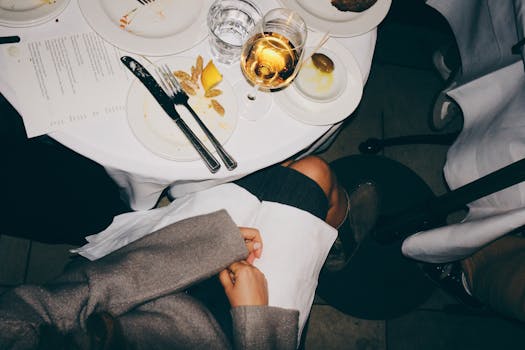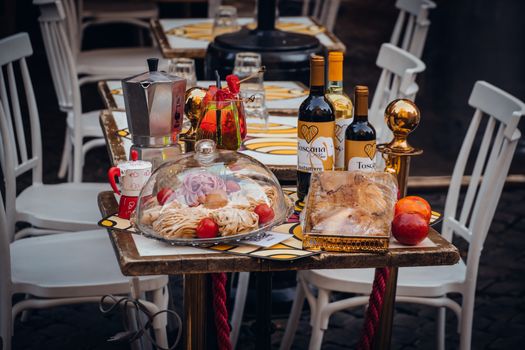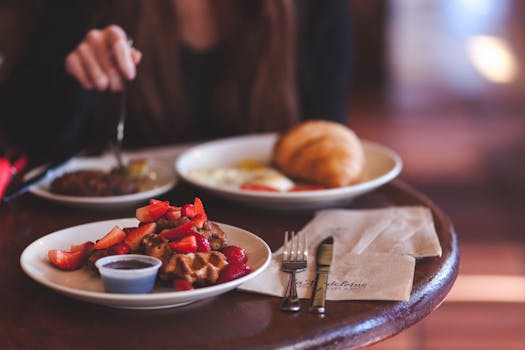
The clinking of cutlery, the murmur of happy conversations, the seductive aroma of garlic and butter… these are the hallmarks of a great dining experience. But for years, the mere thought of enjoying them alone filled me with a primal dread. My first solo trip to Rome, a city synonymous with convivial feasting, was a gastronomic challenge. I’d sneak slices of pizza from a street vendor, gobble them down in a park, or retreat to my Airbnb with a pre-made sandwich. The idea of walking into a bustling trattoria and asking for a table for one felt like announcing my deepest, most embarrassing secret to the world.
Then, something shifted. It was a rainy evening in Kyoto, and every ramen shop I passed had a line. I was starving, tired, and desperate for something warm. I saw a tiny, unassuming spot with a single empty stool at a counter. My stomach won the battle against my social anxiety. I squeezed onto the stool, ordered a steaming bowl of tonkotsu ramen, and as I slurped the rich broth, something clicked. The world faded away. It was just me, the ramen, and the quiet symphony of the kitchen. There was no awkward small talk, no pressure to entertain, just pure, unadulterated culinary bliss. That night, I discovered the superpower of solo dining – and trust me, it’s a skill you need to experience before you die.
Dining alone isn't about being lonely; it's about being present. It’s about reclaiming your meal, your time, and your senses. It’s an act of radical self-care, a moment of profound independence, and often, the birthplace of unexpected adventures. If the thought still makes your palms sweat, fear not. I’ve navigated the solo dining landscape from bustling street food stalls to Michelin-starred establishments, and I’m here to arm you with everything you need to transform awkwardness into absolute epicurean joy.
The Mindset Shift: From Pity to Power
The biggest hurdle to solo dining isn't the restaurant; it's the narrative we tell ourselves. We imagine judgmental glances, pitying smiles, or worse, being completely ignored. Let’s dismantle that right now.
Reframing Your Inner Dialogue:
* You are not a spectacle. Most people are too engrossed in their own meals, conversations, or phones to notice you, let alone judge you. And if they do? They’re likely admiring your confidence.
* This is a choice, not a last resort. You chose this moment of solitude. You chose to treat yourself. This isn't a fallback; it's a deliberate act of self-indulgence.
* It’s a luxury. In our hyper-connected world, uninterrupted time with your thoughts (and delicious food) is a rare luxury. Embrace it.
* You're the main character. This is your story, your adventure.
Think of it this way: when you see someone confidently dining alone, do you feel pity? Or do you think, "Wow, they look so relaxed," or "Good for them, enjoying their own company"? Most likely, it's the latter. Cultivate that same perspective for yourself. My shift truly began when I stopped seeing my solo plate as a sign of being 'left out' and started seeing it as a golden ticket to 'tuning in' to myself. It's empowering, trust me.
Choosing Your Solo Sanctuary: Location, Location, Location
Not all restaurants are created equal for the solo diner. While you can eventually conquer any establishment, starting smart builds confidence.
The Best Solo Dining Havens:
1. Counter Seating & Bars: This is your solo dining superpower. Sushi bars, ramen counters, oyster bars, and restaurant bars are perfect. You’re part of the action, often facing the kitchen or the bartender, which provides a natural focal point and often, friendly conversation.
* Personal Anecdote: My first truly enjoyable solo fine dining experience was at the bar of The NoMad Hotel in New York City. I ordered a beautifully crafted cocktail and a gourmet burger, watching the bartenders mix drinks with surgical precision. It felt less like eating alone and more like being a VIP guest at an exclusive show. Price point: Cocktails $18-25, mains $30-50.
2. Cafes & Bistros: Especially during off-peak hours (mid-morning, late afternoon). These places often have smaller tables, cozy corners, and a relaxed atmosphere conducive to reading or journaling.
* Recommendation: Any charming Parisian café. Grab a tiny table outside, order a croque monsieur and a coffee, and watch the world go by. The French excel at the art of the solo meal. Expect to pay €12-€20 for a light lunch.
3. Casual & Bustling Spots: Places with a high turnover and lively atmosphere can be great because your presence blends into the general hum. Think tapas bars in Spain, food halls, or popular ethnic restaurants.
* Tip: La Boqueria market in Barcelona offers countless counter-style eateries. Grab a stool, order some pulpo a la gallega and a glass of cava, and soak in the vibrant energy. You'll be too busy enjoying the fresh seafood to feel out of place. Tapas dishes range from €5-€15.
4. Fine Dining (with a caveat): Don't shy away from treating yourself! But for your first few forays, look for establishments known for excellent service, or those with a tasting menu where the focus is on the food experience rather than social interaction.
* Pro Tip: Call ahead and mention you’re dining solo. They might offer a more discreet or comfortable table. I once did this for a birthday dinner at a lovely restaurant in San Francisco, and they seated me at a beautiful banquette, offering an exquisite view of the bay. It felt incredibly special. Expect higher prices, e.g., $100+ for a tasting menu.
What to Avoid (initially):
Large, empty restaurants during peak hours, or places primarily geared towards large groups (like some family-style Italian restaurants). You want to feel comfortable, not conspicuous.
The Art of Arrival: Owning Your Entrance
Walking into a restaurant alone requires a touch of confidence. Here's how to master it.
- Dress the Part (for you): Wear something that makes you feel good, whether it's smart casual or your favorite travel outfit. When you feel good, you project confidence.
- Head High, Shoulders Back: Body language is everything. Walk in with purpose, not hesitation. You're not apologizing for being there; you're asserting your right to a fantastic meal.
- "Table for one, please." Say it clearly and confidently. Don't add "just me" or sound apologetic. It's a simple request.
- Be Prepared to Wait (or not): If there's a wait, ask if you can sit at the bar. Often, solo diners get seated faster because they can fill small gaps. If you do wait, pull out your book or phone, but try to remain aware of your surroundings.
- Don't Fear the "Best Table": Sometimes, they'll try to seat you in a corner. If you want a different spot (e.g., near a window, or closer to the action), politely ask. "Would it be possible to sit near the window, if one becomes available?" is perfectly acceptable.
My breakthrough moment came at a bustling dim sum restaurant in Vancouver. I used to dread the "table for one?" question. This time, I walked in, made eye contact, and said, "Just one, please!" The hostess barely blinked, led me to a small table, and handed me a menu. No drama, no pity, just efficient service. It was a revelation.
The Table for One: What to Do Once Seated
So, you’re seated. The menu is in hand. Now what? This is where the magic happens.
- Put Away Your Phone (Initially): Resist the urge to immediately scroll. Take a moment to truly arrive. Look around. Absorb the ambiance. What music is playing? What are the other diners enjoying? What details do you notice in the decor? This grounds you in the experience.
- Embrace the Menu: Read it thoroughly. Take your time. Ask questions. You don't have to consult anyone else, so order exactly what you want, not what you think someone else might prefer. This is pure freedom.
- Tip: Don't be afraid to order an appetizer and a main, or even two appetizers if they catch your eye. You're treating yourself!
- Your Solo Diner’s Toolkit:
- A Book or E-Reader: My go-to. It provides a natural barrier, signals "I'm content," and offers engaging company.
- A Journal: Perfect for jotting down observations, reflections, or even planning your next adventure. I often use this time to write postcards or plan my next day's itinerary.
- Headphones (optional): For a podcast or music, but use them sparingly. You don't want to completely block out the world; part of the joy is being in it.
- Sketchbook: If you're artistically inclined, sketch the scene around you.
- The Art of People-Watching: This is a fantastic, free form of entertainment. Observe without judgment. Invent stories about the couples, families, and other solo diners around you. It connects you to the human experience without requiring interaction.
- Mindful Eating: Without distractions, you can truly savor each bite. Pay attention to the textures, flavors, and aromas. How does the food make you feel? This elevates eating from a necessity to a meditative practice. I once had a simple pasta dish in a small Roman trattoria, and by focusing purely on the food, I discovered nuances I'd never noticed before. The al dente bite, the rich tomato, the fresh basil – it was a symphony on my palate.
Engaging with Your Surroundings (Optional, but Rewarding)
While the beauty of solo dining is not needing to interact, sometimes a little connection can enhance the experience.
- Chat with the Staff: Bartenders and servers often appreciate a friendly, engaged solo diner. Ask for recommendations, inquire about local ingredients, or simply compliment the food. A genuine smile and a "This is delicious!" can open up a brief, pleasant exchange.
- Anecdote: At a tiny tapas bar in Seville, I struck up a conversation with the bartender about my favorite sherry. He ended up pouring me a taste of a rare, aged fino "on the house," and shared stories about the local wine region. It turned a simple meal into a memorable cultural exchange.
- Overhear & Observe: Sometimes, the best interactions are those you don't actively participate in. Eavesdropping (discreetly!) on a lively conversation or observing a chef at work can be fascinating.
- Be Open to Serendipity: Occasionally, a fellow solo diner or a friendly local might strike up a conversation. Be open to it! These spontaneous connections are often the most rewarding aspects of travel. I once shared a table (and many laughs) with an elderly Italian woman at a communal table in Florence. Neither of us spoke much of the other's language, but we communicated through gestures, smiles, and shared appreciation for the pasta.
Conquering the Inner Critic and External Stares
Even seasoned solo diners can have moments of self-doubt. Here’s how to navigate them.
- Acknowledge the Feeling: It’s okay if a flicker of awkwardness arises. Don't fight it. Acknowledge it ("Oh, there's that feeling again") and then gently redirect your focus back to your food, your book, or your surroundings.
- Remember Your "Why": Why are you doing this? For freedom? For a delicious meal? For self-discovery? Reconnecting with your motivation helps to anchor you.
- The Illusion of Judgment: Most "stares" are not judgment; they're curiosity, or simply people looking in your direction without any specific thought about you. If someone is judging you, that reflects more on them than on you. You're living your best life; they're stuck in their own narrow perspective.
- Practice Makes Perfect: The more you dine alone, the more natural it becomes. Start small – a coffee shop, a casual lunch. Gradually work your way up to busier places or dinner. Each successful solo meal builds your confidence. My first solo dinner in Paris, at a small bistro near my hotel, had me constantly checking my phone. By the end of the trip, I was confidently ordering wine and dessert, feeling completely at ease.
Elevating the Experience: Making it Unforgettable
Solo dining isn't just about tolerating being alone; it's about celebrating it.
- Treat Yourself: This is your meal. Order the appetizer you’ve been eyeing, the dessert you usually skip, or that slightly more expensive glass of wine. You've earned it.
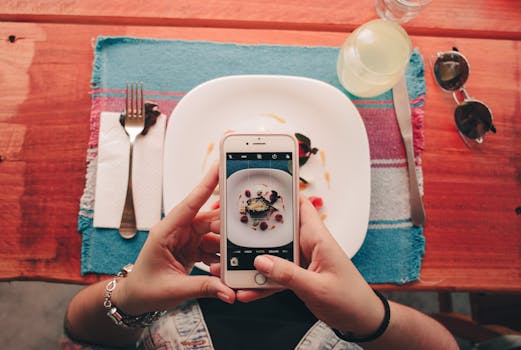
- Document It (Mindfully): Take a beautiful photo of your dish (without disturbing others). Capture the ambiance. Use hashtags like #solodining #travelingfoodie #meandmyfood #treatyoself. Share it on Instagram, not to prove you're not lonely, but to inspire others and celebrate your moment.
- Reflect and Journal: After your meal, take a few minutes to jot down your experience. What did you eat? What did you observe? How did you feel? These notes become cherished memories. I still have journal entries from that ramen night in Kyoto, detailing the warmth of the broth and the quiet satisfaction I felt.
- Make it a Ritual: If you’re traveling, make solo dining a regular part of your routine. If you’re home, designate one night a week or month for a solo meal out. It becomes something to look forward to, a sacred time just for you.
Conclusion: Your Table Awaits!
The journey from fearing the table for one to embracing it is one of the most rewarding transformations you can undergo, both as a traveler and as an individual. It teaches you self-reliance, mindfulness, and the profound joy of your own company. It opens up new culinary adventures and unexpected connections. It transforms a simple meal into an act of empowerment.
So, the next time you find yourself alone, whether on a bustling street in Lisbon or in your own hometown, don't retreat. Square your shoulders, flash a confident smile, and walk into that restaurant. Ask for a table for one. Order exactly what your heart desires. Put away your phone, look around, and truly taste the experience.
It’s more than just a meal; it’s a masterclass in self-discovery. And trust me, it’s an experience you absolutely need to have before you die.
Now it's your turn! Have you embraced solo dining? What's your favorite tip or memory? Share your stories in the comments below, and let's inspire each other to savor every solo bite!
---