Conservation volunteering combines an interest in nature with practical work on research, habitat restoration, monitoring or community education. Some volunteers count birds along a coastline, others help remove invasive plants or record data from camera traps. For travelers who want their trip to contribute something beyond sightseeing, these projects can be attractive. They can also be complex. The quality of a placement depends on the organization behind it, the skills it requires, the way volunteers are supervised and whether the work genuinely serves local conservation goals.
This guide offers a framework for evaluating conservation volunteer projects abroad. It does not recommend specific organizations, because programs change and each should be checked individually.
What Conservation Volunteering Involves
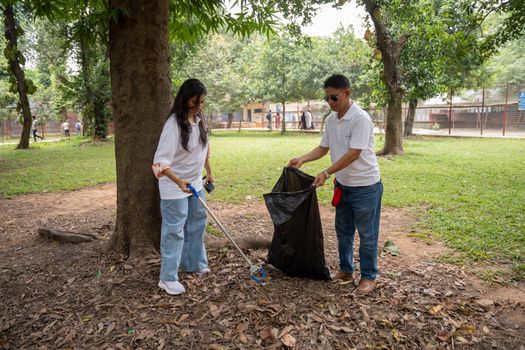
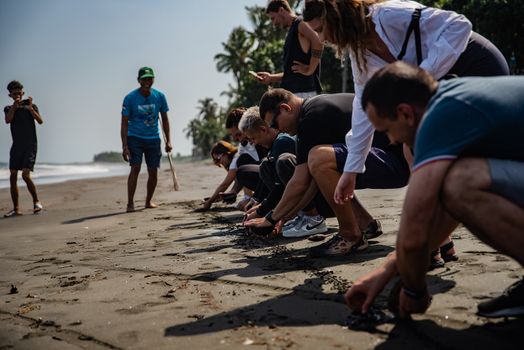
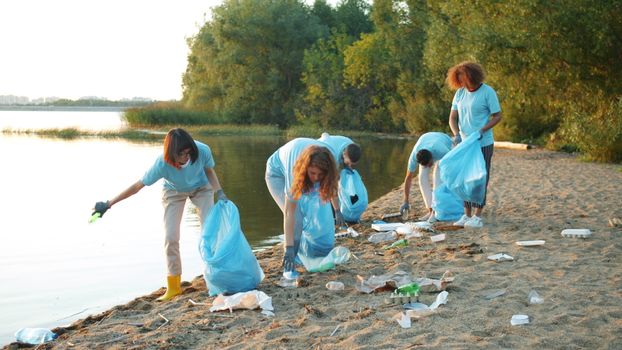
Conservation projects range from short, structured programs of a few days to placements lasting several months. Many involve fieldwork in remote or sensitive environments, where weather, terrain and wildlife can present real risks. Typical tasks include surveys, planting, litter collection, data entry and supporting staff with routine maintenance. Some projects also offer teaching or outreach in local schools, which can be valuable when designed well.
Expectations should match reality. Many field projects are physically demanding, involve early starts and basic accommodation, and may not allow much free time. Volunteers who expect a relaxed holiday with occasional conservation tasks may be disappointed, while those who expect hands-on work may find the experience deeply rewarding.
Judging the Organization Behind a Project
Credibility starts with the host organization. Look for clear information about its mission, legal status, partners and funding sources. A reputable project usually explains who leads the science or fieldwork, what qualifications staff hold and how the work connects to local management plans or research institutions. Ask whether the project publishes reports, datasets or outcomes, since transparency is a useful sign of accountability.
Be cautious of programs that are vague about how work is supervised, that rely mainly on marketing images, or that promise dramatic results in a short time. Conservation outcomes usually take years to measure, and honest organizations tend to describe progress modestly.
Understanding Costs and Where Fees Go
Many conservation placements charge fees to cover accommodation, food, transport, insurance and project costs. These fees vary widely. Ask for a clear breakdown of what is included and what is not, such as flights, visas, equipment or activity costs. A fee does not automatically indicate poor value, but the explanation should be transparent. Find out how much of the money supports field work and local staff, and whether any portion is returned to community or conservation programs.
Some projects are funded through grants and offer free or subsidized placements in exchange for skills or commitment. Others operate on a fee basis. Neither model is inherently better, but each should be understood before you pay.
Avoiding Unhelpful Placements
Some volunteer arrangements can cause harm, even when they appear well-intentioned. Placements that involve direct handling of wildlife for photographs, unsupervised contact with animals or children, or short visits that disrupt local routines deserve careful scrutiny. Ask whether volunteers are needed at all for the tasks offered, or whether a paid local team could do the work more effectively. Projects that rely on constant turnover of unskilled volunteers may struggle to provide continuity for research or habitat recovery.
Check safety arrangements, insurance coverage, emergency procedures and whether the project has a clear code of conduct. Reputable programs usually have written policies on these topics and will answer questions openly.
Practical Tips
Contact the organization directly with specific questions about training, supervision, daily schedules and expected outcomes. Ask to speak with previous volunteers if possible. Check your own fitness and any medical needs, and confirm that your travel insurance covers field activities. Research local laws and any permits required for the work. Consider a shorter placement first if you are unsure, and keep expectations realistic about what a few weeks can achieve. Finally, look for ways to continue supporting the project after you return, such as sharing accurate information or following its published results.
Common mistakes to avoid
A common mistake is choosing a placement because it sounds meaningful, without asking what skills are needed or what the role will involve day to day. Volunteers sometimes arrive expecting hands-on research and find that much of their time goes on repetitive tasks, which can be valuable but should be understood in advance. Another error is assuming that a short placement will leave a lasting result, when many projects rely on long-term monitoring and continuity. Travelers also tend to pack for a holiday rather than for fieldwork, and find that boots, layers and insect protection were overlooked. Finally, people sometimes forget that their own presence adds demands on staff, so asking how much supervision and induction time is needed can help you plan realistically and respectfully.
Who this suits and who it does not
Conservation volunteering tends to suit people who are patient, comfortable with physical work and interested in the detail of ecological monitoring. It can suit students, career changers and retirees who have time and a clear purpose for their trip. It may be less suitable for people who need strict comfort, have limited mobility, or have medical needs that have not been discussed with a professional. It is also a poor fit for anyone who wants a restful holiday, since most field roles involve early starts and tiring days. Some projects need volunteers with specific skills, such as species identification or data handling, so an honest self-assessment helps match you to a role where you can contribute.
Frequently asked questions
Do I need experience to volunteer?
Many projects welcome beginners for basic tasks, but specialist roles may require training or prior knowledge. Check the requirements for each role before applying.
Is it better to choose a longer placement?
Longer placements often allow more continuity, but they also cost more and demand more time. A shorter first placement can be a sensible way to test whether the work suits you.
Should I expect a certificate or reference?
Some projects provide one, but this varies widely. Ask what documentation is available before you commit.
Conservation volunteering can be a meaningful way to combine travel with environmental work, but its value depends on careful choices. A transparent organization, clearly defined tasks and honest accounts of costs and outcomes are the best guides when deciding which project is worth your time.