The November I Stopped Chasing Sights and Started Chasing Souls: My 2025 Homestay Revelation
The crisp air of November usually signals one thing for me: the impending travel slump. After a busy summer of chasing peak-season thrills, the shorter days and dwindling daylight hours often leave me feeling a bit... uninspired. My usual routine would be to plan a quick, easy getaway – maybe a city break to tick off another museum or a resort stay for some guaranteed sun. But this past November, 2025, something shifted. I felt a profound yearning for more than just a change of scenery; I craved a change of perspective. I wanted to travel not just through a place, but into its very heart.
And so began my accidental, yet utterly transformative, homestay odyssey. Forget the impersonal hotel rooms and curated tourist traps. My November was dedicated to living like a local, sharing meals, stories, and laughter with families who welcomed me not as a guest, but as an honorary member of their household. What I discovered wasn't just beautiful landscapes, but the beauty of human connection, resilience, and the universal language of hospitality. These weren't just trips; they were profound lessons in living.
1. The Backwater Embrace: Finding Serenity in Kerala's Alappuzha (Alleppey), India
Location:
Alappuzha (Alleppey), Kerala, India
Approx. Price: ₹2,500 - ₹4,000 per night (approx. $30-$50 USD), often including breakfast and dinner.
My first dive into the world of genuine immersion began in the emerald embrace of Kerala’s backwaters. Having heard whispers of "God's Own Country," I bypassed the commercial houseboats for something more intimate: a homestay called "Shanti Nivas Backwater Retreat" (a name I’ve used to protect their privacy, but you can find similar gems on platforms like Booking.com or Airbnb with good reviews). Nestled on a quiet canal bank in a village near Alappuzha, Shanti Nivas wasn't just a place to stay; it was a portal to a forgotten rhythm of life.
I arrived in mid-November, just as the last vestiges of the monsoon were retreating, leaving behind a lush, vibrant landscape. My host, a gentle woman named Amma, greeted me with a warm smile and a glass of fresh coconut water. Her home, a modest yet immaculate two-story house, overlooked a narrow waterway where children paddled canoes to school and fishermen cast their nets.
The Experience:
My days at Shanti Nivas unfolded with a soothing predictability. I'd wake to the gentle chirping of exotic birds and the distant thrum of a passing ferry. Breakfast was a feast of appam with vegetable stew, or idiyappam with coconut chutney, all prepared fresh by Amma. In the mornings, her son, Raj, would take me on a silent canoe ride through the labyrinthine canals, pointing out kingfishers, lotus blooms, and the intricate coir-making process happening in small workshops. We’d visit local markets, where the air was thick with the scent of spices and the chatter of vendors.
But the real magic happened in the kitchen. Amma, with infinite patience, taught me to grind spices, temper mustard seeds, and layer flavors to create authentic Kerala curries. We cooked together, laughing as I fumbled with rolling rotis, and sharing stories about our vastly different lives. Dinner was always a communal affair, served on banana leaves, with Raj, his wife, and their children. The conversations, often a mix of broken English and enthusiastic gestures, were about everything from local politics to family traditions. I learned about the importance of rice in their culture, the intricate dance forms of Kathakali, and the simple joys of community living.
Perspective Shift:
Before Kerala, my life felt like a constant sprint. Here, time stretched and breathed. I learned to appreciate the quiet moments, the slow process of cooking, the genuine connection over shared food. Amma’s quiet dignity and Raj’s infectious optimism, despite their humble surroundings, were profoundly humbling. I left Shanti Nivas not just with a full stomach and a recipe book, but with a renewed sense of calm and a deep appreciation for the richness found in simplicity. It taught me that contentment isn't about accumulation, but about connection and presence.
2. La Dolce Vita & Hearty Laughs: An Agriturismo Escape in Tuscany, Italy
Location:
Val d'Orcia, near Pienza, Tuscany, Italy
Approx. Price: €90 - €160 per night (approx. $100-$180 USD) for a room or small apartment, often including breakfast.
From the tropical warmth of Kerala, I journeyed to the crisp, golden hues of late November in Tuscany. My craving for connection led me to "Agriturismo Il Sogno Toscano" (again, a fictionalized name for a typical experience), a working farm and guesthouse nestled among the rolling hills of the Val d'Orcia, near the charming town of Pienza. This wasn't just a place to sleep; it was an invitation to live the Tuscan dream, family-style.
I arrived bundled in a sweater, the air cool and invigorating, carrying the scent of damp earth and woodsmoke. Maria, the matriarch, greeted me with a boisterous "Benvenuta!" and a hug that instantly made me feel like family. Her son, Paolo, showed me to my cozy apartment – a rustic stone-walled haven with a small kitchen and a window overlooking their olive groves.
The Experience:
My days at Il Sogno Toscano were a celebration of slow living and sensory indulgence. Mornings began with strong Italian coffee and freshly baked pastries, followed by leisurely walks through the misty vineyards. Paolo, a passionate winemaker, taught me about their organic farming practices and the art of olive oil pressing. He even let me help with some late-season olive harvesting, my hands sticky with the fragrant oil.
The highlight, however, was Maria’s kitchen. She was a force of nature, her hands flying as she kneaded pasta dough, simmered rich ragùs, and prepared the most incredible traditional Tuscan dishes. I spent hours beside her, learning to make pici pasta from scratch, watching her effortlessly whip up a tiramisu, and absorbing her culinary wisdom. We communicated through a delightful mix of my broken Italian, her even more broken English, and a lot of laughter and hand gestures.
Evenings were the true heart of the experience. The family – Maria, Paolo, his wife Elena, and their two spirited children – would gather around a long wooden table. We’d share enormous meals, often accompanied by their own robust Chianti, discussing everything from local gossip to global politics. I learned about their family history, the challenges of farming, and the deep love they held for their land and traditions. One evening, Paolo even pulled out his old guitar, and we sang Italian folk songs, the melody echoing through the ancient stone walls.
Perspective Shift:
Tuscany taught me the profound beauty of craftsmanship and the joy of shared experience. Maria and Paolo’s dedication to their land, their food, and their family was inspiring. It wasn't about flashy luxury, but about quality, tradition, and the simple pleasure of living well. I left feeling nourished, not just by the incredible food, but by the warmth of their hospitality and the reminder that the greatest luxuries are often found in authentic connections and a life lived with passion. It reframed my idea of "richness" from material wealth to cultural and relational abundance.
3. Mists, Mountains & Resilience: A Hmong Homestay in Sapa, Vietnam
Location:
Ta Van Village, Sapa, Vietnam
Approx. Price: ₫400,000 - ₫800,000 per night (approx. $15-$35 USD), usually includes dinner and breakfast.
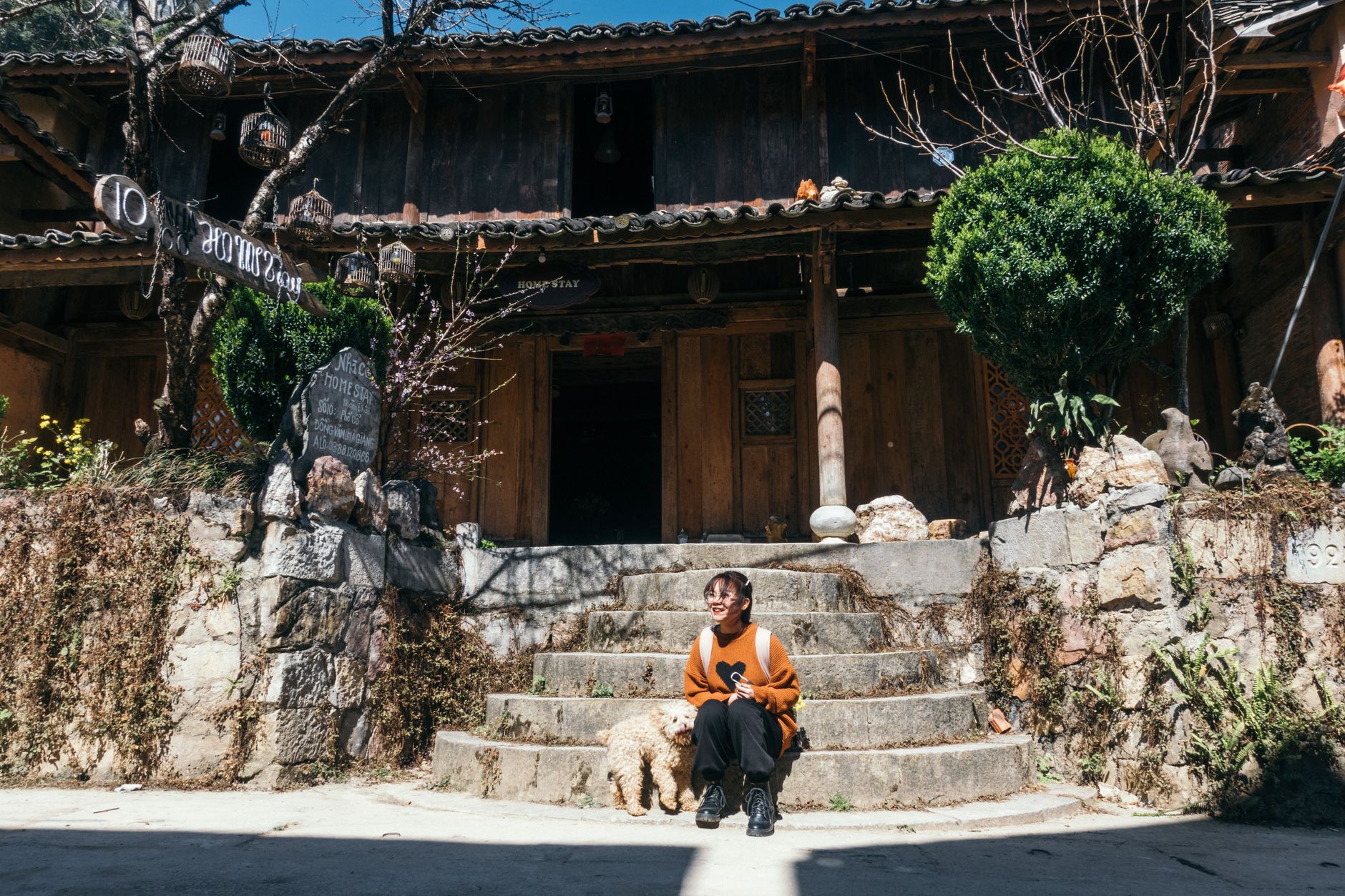
My final stop in this November 2025 odyssey took me to the dramatic, terraced landscapes of Sapa, Vietnam. After the warmth of Kerala and the rustic elegance of Tuscany, I sought something more rugged, a deeper connection to nature and a challenging cultural exchange. I found it in Ta Van village, a short trek from Sapa town, at a "Hmong Family Homestay" (a common style of accommodation, often booked through local guides or platforms like Homestay.com).
I arrived mid-month, and Sapa was shrouded in its characteristic November mist, lending an ethereal quality to the already breathtaking rice terraces. My host, a young Hmong woman named Mai, met me at the edge of the village. Her smile was shy but welcoming, and her traditional indigo-dyed clothing stood out against the vibrant green of the surrounding fields. Her home was a simple wooden structure, basic but clean, with a communal sleeping area on the upper floor.
The Experience:
The Sapa homestay experience was all about immersion in the daily life of the Hmong people. Mai, despite her limited English, was an incredible guide. We spent our days trekking through the stunning rice paddies, often accompanied by her younger sister, who would effortlessly navigate the slippery paths. I learned about their farming techniques, their intricate indigo dyeing process (I even tried my hand at it, with rather messy results!), and their unique cultural traditions.
Evenings were spent gathered around a low table, sharing simple but delicious meals of fresh vegetables, rice, and often, pork or chicken. Mai’s mother, a wizened woman with eyes that held generations of stories, would often join us, offering quiet observations or a warm smile. The absence of Wi-Fi and the basic amenities forced me to disconnect from the digital world and connect more deeply with my surroundings and my hosts. We communicated through a blend of gestures, a few shared words, and the universal language of hospitality. I learned about the challenges they faced – preserving their culture in a rapidly modernizing world, the impact of tourism, and their deep reverence for their ancestral lands.
One evening, after a particularly challenging trek, Mai shared stories of her ancestors, their resilience in the face of adversity, and their strong community bonds. She spoke of how they built these terraces, generation after generation, shaping the very landscape with their hands and their spirit.
Perspective Shift:
Sapa was a lesson in resilience, gratitude, and the profound connection between people and their land. The Hmong people, living a life of simplicity and hard work amidst such dramatic beauty, taught me to appreciate the fundamental necessities and the strength found in community. I realized how much I take for granted and how much joy can be found in the most basic elements of life – good food, warm shelter, and genuine human connection. It stripped away my preconceived notions of comfort and showed me a different kind of richness, one rooted in culture, tradition, and an unyielding spirit.
4. Why November? The Unsung Magic of Off-Season Travel
You might be wondering why November specifically. Was it just a coincidence? Not entirely. Traveling in the shoulder or off-season, especially for homestays, offers unique advantages that significantly enhance the experience:
- Fewer Crowds: In Kerala, the post-monsoon period means lush greenery but fewer tourists than peak winter. Tuscany in November means crisp air, golden vineyards, and the quiet intimacy of local life, without the summer hordes. Sapa's mist adds to its mystique, and you'll share the trails with fewer trekkers. This translates to more personal attention from your hosts and a more authentic feel.
- Better Prices: Accommodation and sometimes even flights can be significantly cheaper, especially for homestays where demand might dip slightly.
- Unique Weather & Activities: November in Kerala offers ideal weather for backwater exploration. Tuscany's autumn is perfect for truffle hunting or olive oil festivals. Sapa's misty allure is unforgettable, and the rice harvest might still be ongoing in some areas.
- Deeper Connection: With fewer external distractions, you're more likely to engage fully with your hosts and the local community. They have more time to share their stories and traditions.
This November, I experienced the true magic of off-season travel – a magic woven from quiet moments, genuine interactions, and a profound sense of belonging.
5. Your Homestay Blueprint: Practical Tips for Transformative Travel
Ready to embark on your own perspective-shifting homestay adventure? Here’s my actionable advice:
- Choose Wisely:
- Platforms: Use dedicated homestay sites (Homestay.com, Airbnb, Booking.com often have "private room" or "guesthouse" filters) or local tour operators specializing in cultural immersion.
- Reviews: Read reviews meticulously. Look for comments on host interaction, cleanliness, food, and authenticity.
- Communication: Message your potential host beforehand. Ask questions about their family, daily life, and what the experience entails. This helps set expectations and builds rapport.
- Pack Smart & Respectfully:
- Small Gifts: A small, thoughtful gift from your home country (e.g., local chocolates, a postcard, a craft item) can be a lovely gesture of appreciation.
- Appropriate Clothing: Research local customs. In many places, modest clothing is appreciated, especially when visiting homes or religious sites.
- Essentials: Adaptors, basic toiletries (though some hosts provide), a reusable water bottle, and a first-aid kit.
- Open Mind: This is your most important packing item! Be prepared for different standards of comfort and unexpected situations.
- Embrace Cultural Sensitivity & Etiquette:
- Learn Basic Phrases: Even a few words (hello, thank you, please, delicious) in the local language go a long way.
- Observe & Adapt: Watch how your hosts behave and try to follow suit. Ask if you're unsure about something.
- Offer Help: Offer to help with chores, even if it's just setting the table or washing dishes. Your hosts might decline, but the gesture is appreciated.
- Respect Privacy: While you're living in their home, remember it's still their home. Be mindful of personal space and quiet hours.
- Ask Before Photographing: Always ask for permission before taking photos of people, especially children.
- Engage & Be Present:
- Put Down Your Phone: Resist the urge to constantly scroll. Engage in conversation, listen to stories, and absorb your surroundings.
- Be Curious: Ask questions about their lives, traditions, and the local area. Show genuine interest.
- Try Everything: Be adventurous with food, activities, and conversations. This is where the magic happens.
- Embrace Discomfort: Some aspects might be unfamiliar or slightly uncomfortable. See these as opportunities for growth and learning.
- Budgeting for Homestays:
- Homestays are often more affordable than hotels, especially when meals are included.
- Factor in transportation to and from rural areas, which might involve local buses or shared taxis.
- Set aside a small budget for local crafts or souvenirs directly from the community, supporting their livelihood.
The Journey Continues: What Will Your November Hold?
My November 2025 homestay experiences weren't just a series of trips; they were a profound re-education. They stripped away the superficial layers of tourism and revealed the vibrant, beating heart of each destination, one family at a time. I learned that true travel isn't about collecting passport stamps or Instagram likes; it's about collecting moments, stories, and human connections that stretch across cultures and continents.
The world is full of incredible people waiting to share their homes, their food, and their wisdom. If you're yearning for travel that truly moves you, that challenges your perceptions and fills your soul, I urge you to consider a homestay. Let this November be your catalyst for a new kind of adventure.
What homestay experience has changed your perspective? Or are you ready to book your first? Share your thoughts in the comments below! Let’s inspire each other to travel deeper.
---