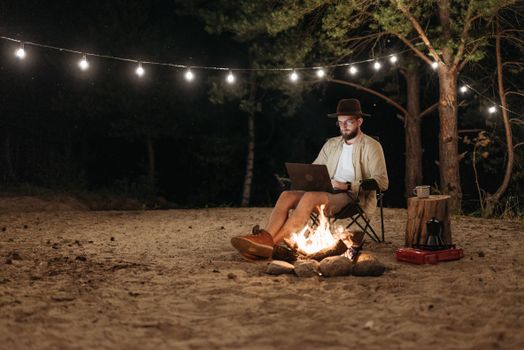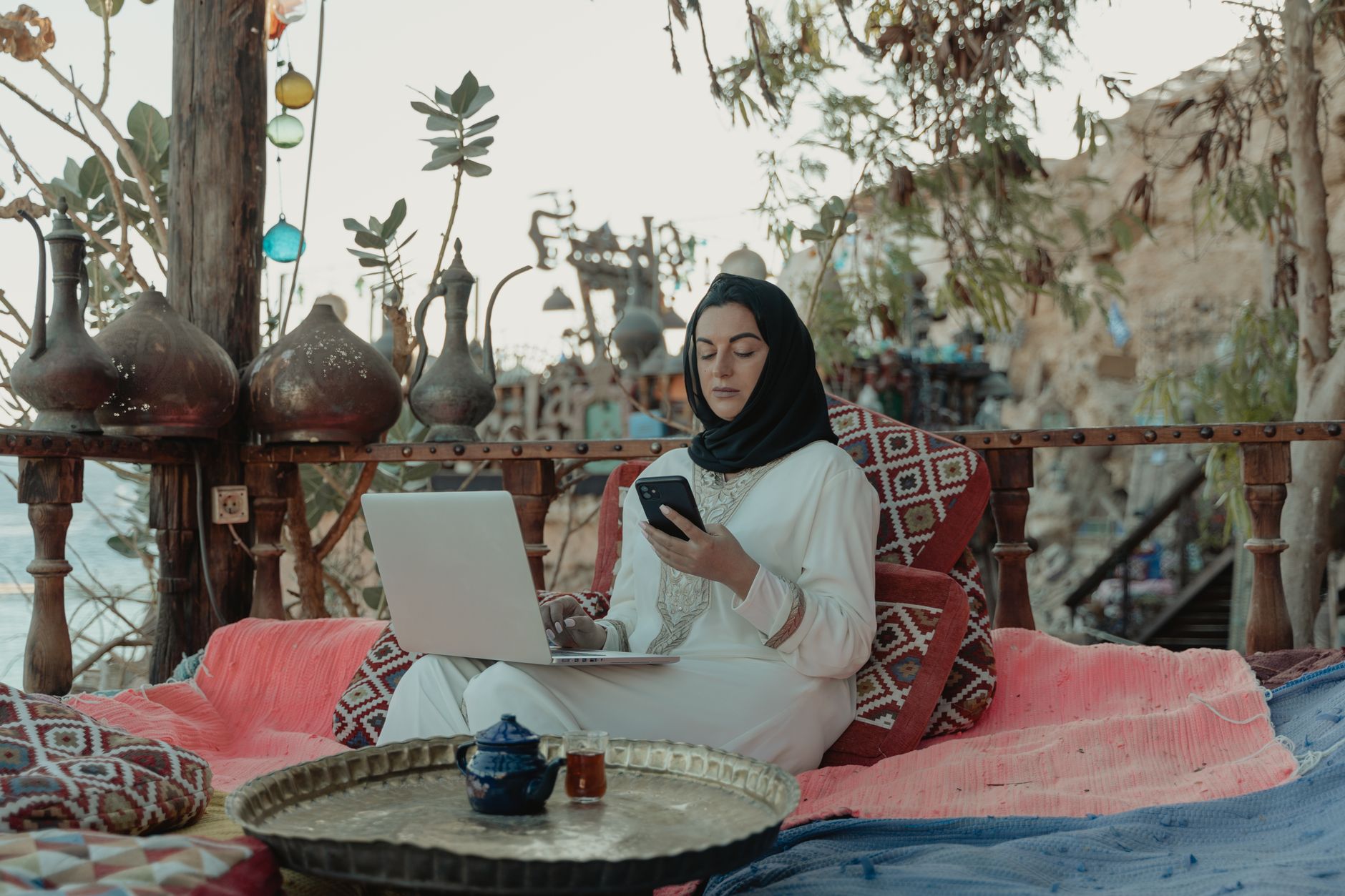
The scent of salt and sunshine on my skin, the gentle lapping of waves just beyond my balcony, and the rhythmic clack of my keyboard – this is my office today. Not a grey cubicle, not a bustling city high-rise, but a sun-drenched terrace overlooking the Aegean Sea. Just a few years ago, this was an unimaginable fantasy. I was stuck in the relentless grind, dreaming of escaping the 9-to-5, convinced that travel was an expensive luxury reserved for vacations, not a way of life.
Then, something shifted. The world embraced remote work, and I, like many, realized the golden handcuffs were finally off. But it wasn't enough to just work from anywhere; I wanted to thrive anywhere. I wanted to travel not just without breaking the bank, but in a way that actually enhanced my financial well-being. That’s when I stumbled upon the incredible truth: there are countries out there that, in essence, pay you to work remotely within their borders.
No, they're not sending you a monthly paycheck (wouldn't that be nice?!). Instead, they offer a potent cocktail of incentives: enticing tax breaks, incredibly low costs of living, streamlined digital nomad visas, and an unparalleled quality of life that makes your money stretch further than you ever imagined. It’s like getting a raise just by changing your zip code. Over the past few years, I’ve dipped my toes, and sometimes my whole self, into these fascinating corners of the globe, and let me tell you, the hype is real.
So, pack your bags (or at least start dreaming about it), because Tripsora is about to unveil the trending countries that are literally inviting you to live your best remote work life, and effectively paying you to do it.
---
The "How" Behind the "Pay": Unpacking Digital Nomad Incentives
Before we dive into specific destinations, let's clarify what we mean by "countries that pay you." This isn't about direct employment by a foreign government. It's about a combination of factors that significantly reduce your expenses or increase your disposable income, making your remote salary go further. Think of it as a financial superpower unlocked by geography.
Here are the main ways these countries "pay" you:
- Tax Incentives: This is the most direct form of financial benefit. Some countries offer significant tax breaks or even exemptions on foreign-sourced income for digital nomads or new residents. This means more of your hard-earned money stays in your pocket.
- Low Cost of Living: Imagine paying a fraction of your current rent, groceries, and entertainment expenses. When your basic needs cost significantly less, your existing income effectively becomes much larger. This is often the biggest "paycheck" you'll receive.
- Digital Nomad Visas & Streamlined Processes: While not a direct payment, an easy, affordable, and long-term visa process saves you immense time, stress, and potentially legal fees, allowing you to focus on work and exploration rather than bureaucratic hurdles.
- Quality of Life Upgrade: While harder to quantify financially, the ability to live in a beautiful, culturally rich, safe, and vibrant environment with access to nature, delicious food, and a strong community can be priceless. It reduces stress, boosts creativity, and improves overall well-being, which indirectly "pays" dividends in your productivity and happiness.
Ready to see where your money can work harder for you? Let's explore some of my top trending picks!
---
1. Greece: The Aegean Advantage – Tax Breaks & Island Life
Picture this: your morning coffee overlooking whitewashed villages clinging to cliffs, the turquoise Aegean sparkling below, followed by a productive work session, and an afternoon dip in the sea. This isn’t just a vacation fantasy; it’s a daily reality for digital nomads in Greece, and it comes with a fantastic financial perk.
Greece has emerged as a major player in the digital nomad scene, not just for its unparalleled beauty and ancient history, but for its incredibly attractive tax incentive. The Greek government introduced a special tax regime offering a 50% income tax exemption for seven years for new tax residents, including digital nomads, who relocate to Greece. That's right – you pay half the income tax you normally would for seven glorious years!
My Experience:
I spent a glorious month on Crete, splitting my time between Chania and a small village near Rethymno. Working from my Airbnb balcony with fresh oranges and a view of olive groves felt surreal. The internet was surprisingly robust, even in more rural areas, and the local hospitality was heartwarming. I remember a moment, after a particularly productive morning, grabbing a delicious, fresh seafood lunch for under €15, then heading to the beach. The thought of how much that same experience would cost back home, combined with the tax savings, made me feel like I was truly getting paid to be there.
Practical Details:
* Digital Nomad Visa: Greece offers a straightforward Digital Nomad Visa, requiring proof of remote employment/income (typically €3,500/month, plus 20% for a spouse and 15% for each child), health insurance, and accommodation.
* Cost of Living: While Athens and Santorini can be pricey, places like Crete, Rhodes, or even Thessaloniki offer a significantly lower cost of living. You can find a decent apartment in Chania for €500-€800/month. Groceries are affordable, and eating out at local tavernas is a delightful bargain.
* Instagram Moment: Sunset drinks in Oia, Santorini (even if you just visit for a weekend!), or a secluded beach on Milos. Don't forget the iconic blue domes!
* Actionable Tip: Research the 50% tax exemption criteria carefully. You generally need to not have been a tax resident in Greece for the previous five years. Consult with a local tax advisor to ensure eligibility.
---
2. Georgia: The Caucasus Cash Cow – Unbeatable Affordability & Culture
If you're looking for a place where your money stretches so far it practically does yoga, look no further than Georgia. This enchanting country at the crossroads of Europe and Asia is a digital nomad's dream for its rock-bottom cost of living, easy entry, and vibrant culture. While there's no direct "tax break" like Greece, the sheer affordability here acts as a constant, generous "payment."
Georgia launched its "Remotely from Georgia" program during the pandemic, welcoming remote workers with open arms. While the specific program has evolved, Georgia remains incredibly accessible for many nationalities, often allowing visa-free stays for up to a year. This ease of entry, combined with a cost of living that makes you double-check your receipts, is a massive draw.
My Experience:
Tbilisi, the capital, stole my heart. The juxtaposition of ancient churches, Soviet-era buildings, and modern glass architecture creates a unique vibe. I found a spacious, modern apartment in the trendy Vera district for just $450 USD a month. A delicious, hearty Khachapuri (cheese bread) for lunch cost less than $5, and a fancy dinner with wine might set me back $20. I remember thinking, "I could live like royalty here on my current salary!" This financial freedom allowed me to explore extensively, take cooking classes, and even learn a few Georgian phrases without feeling a pinch. The internet speed was consistently excellent, making work seamless.
Practical Details:
* Visa/Entry: Many nationalities can enter Georgia visa-free for up to a year. Check your specific country's requirements. This makes it one of the easiest places to start your digital nomad journey.
* Cost of Living: This is where Georgia shines. Rent in Tbilisi can range from $300-$700 USD for a modern 1-bedroom apartment. Utilities are low, and food (especially local produce and wine) is incredibly inexpensive. You can easily live comfortably on $800-$1200 USD per month, allowing significant savings or more travel.
* Instagram Moment: The colorful balconies of Tbilisi's Old Town, the dramatic Gergeti Trinity Church nestled against the Caucasus mountains, or a shot of you toasting with a traditional Qvevri wine.
* Actionable Tip: Download Bolt or Yandex Go for cheap and reliable ride-sharing in Tbilisi. Also, learn a few basic Georgian phrases like "Gamarjoba" (hello) and "Madloba" (thank you) – locals genuinely appreciate the effort.
---
3. Portugal: The European Dream – Quality of Life & Digital Nomad Hub
Portugal has long been a darling of the digital nomad community, and for good reason. It offers a captivating blend of stunning coastlines, historic cities, delicious food, welcoming people, and a relatively affordable cost of living compared to much of Western Europe. While its tax incentives for digital nomads aren't as aggressive as Greece's, the overall package of quality of life and financial accessibility makes it feel like you're getting a fantastic deal.
Portugal recently introduced a dedicated Digital Nomad Visa, making it easier than ever for remote workers to establish a legal residency. Before this, many used the D7 Passive Income Visa, but the new DN visa is tailored specifically for those earning active remote income. This demonstrates the country's commitment to attracting international talent and investment.
My Experience:
I've spent several months hopping between Lisbon, Porto, and the Algarve. Lisbon’s vibrant energy, Fado music spilling from tavernas, and endless miradouros (viewpoints) captivated me. Working from a coworking space in the trendy Chiado district, I felt plugged into a buzzing international community. A personal highlight was a weekend trip to Ericeira, a surf town, where I managed to catch some waves before a Monday morning meeting. The cost of living in Lisbon is higher than in Georgia, but significantly less than London or Paris. I found a lovely 1-bedroom apartment for €900/month, and a delicious pastel de nata and coffee became my daily ritual for under €3.
Practical Details:
* Digital Nomad Visa: Requires proof of income (typically around €3,040/month – 4x the Portuguese minimum wage), a clean criminal record, and health insurance. It offers a pathway to long-term residency.
* Cost of Living: Lisbon and Porto are the most expensive, but still very manageable. Expect €800-€1500/month for a decent apartment. Smaller towns or the interior can be much cheaper. Groceries are reasonable, and wine is famously affordable and excellent.
* Instagram Moment: A tram 28 ride through Lisbon's historic Alfama district, surfing lessons in Nazaré or Ericeira, or a picturesque sunset over the Douro River in Porto.
* Actionable Tip: Join local digital nomad Facebook groups (e.g., "Digital Nomads Portugal," "Lisbon Digital Nomads") before you arrive. They are invaluable for finding accommodation, community events, and practical advice. Consider living outside Lisbon/Porto for lower costs and a more relaxed pace.
---
4. Italy: La Dolce Vita, Remotely – Culture, Food & New Visa
Ah, Italy. The land of ancient ruins, Renaissance art, unparalleled cuisine, and la dolce vita. For years, working remotely from Italy felt like a pipe dream, tangled in bureaucratic red tape. But that’s all changing! Italy has finally launched its highly anticipated Digital Nomad Visa, opening the doors to remote workers seeking to immerse themselves in its timeless charm.
While specific tax incentives like Greece’s aren't the primary draw, the "payment" here comes in the form of an incredibly rich cultural experience, world-class food, and the opportunity to live in a country that consistently tops travel wish lists, often at a much lower cost than you might expect, especially outside the major tourist hubs.
My Experience:
I've only just started exploring Italy with the prospect of the new visa, but my previous trips have always left me yearning for more. I once spent two weeks living in a small town in Puglia, working from a local café in the mornings, then exploring olive groves and trulli houses in the afternoons. The sheer joy of fresh pasta for lunch, a gelato break, and an evening passeggiata (stroll) made every day feel like a mini-vacation. With the new visa, the dream of a longer stay, perhaps in Sicily or Umbria, feels within reach, offering a lifestyle that truly enriches your soul.
Practical Details:
* Digital Nomad Visa: This is brand new (launched early 2024), so specifics are still solidifying, but it aims to offer a smooth pathway for non-EU remote workers. It requires proof of high income (significantly above the minimum wage, likely €28,000-€30,000 annually), suitable accommodation, and health insurance. Stay tuned to official government websites for the latest updates.
* Cost of Living: This varies dramatically. Rome, Florence, and Venice are expensive. However, regions like Sicily, Puglia, Calabria, or even smaller towns in Tuscany offer incredible value. You could find a charming apartment in a Sicilian town for €400-€700/month, allowing your remote salary to provide a luxurious lifestyle.
* Instagram Moment: A vibrant plate of cacio e pepe in Rome, a gondola ride in Venice, exploring the colorful cliffside villages of Cinque Terre, or a stunning view of the Tuscan countryside.
* Actionable Tip: Don't limit yourself to the big cities. Explore smaller towns and southern regions for a more authentic, affordable, and deeply immersive Italian experience. Start learning basic Italian phrases – it opens so many doors!
---
5. Costa Rica: Pura Vida Productivity – Nature, No Local Income Tax
Crossing continents, we land in the lush, vibrant paradise of Costa Rica, a country synonymous with "Pura Vida" (pure life). For nature lovers and those seeking a slower, more mindful pace, Costa Rica offers a compelling proposition for remote work. While it might not have the aggressive tax incentives of Greece, its digital nomad visa comes with a significant financial perk: exemption from local income tax on foreign-sourced income. This means you pay taxes only in your home country, simplifying your financial life and effectively "paying" you by not adding an extra tax burden.
Costa Rica’s commitment to sustainability, incredible biodiversity, and a relaxed lifestyle makes it an irresistible choice for many. Imagine starting your day with a fresh cup of local coffee, spotting monkeys or toucans from your window, then diving into your work, knowing that your evenings are reserved for surfing, hiking, or simply enjoying a spectacular sunset over the Pacific.
My Experience:
My time in Costa Rica was a profound reset. I spent a few weeks in Santa Teresa, a surf town on the Nicoya Peninsula. My "office" was a rustic co-working space nestled in the jungle, where the sounds of howler monkeys occasionally punctuated my video calls. The internet was surprisingly reliable, even in this relatively remote area. The "Pura Vida" philosophy isn't just a saying; it's a way of life that encourages balance and appreciation for nature. While some aspects, like imported goods, can be pricier, the cost of fresh produce, local meals (casados!), and the sheer beauty of the surroundings felt like an immense return on investment for my well-being.
Practical Details:
* Digital Nomad Visa: Costa Rica's "Rentista" or Digital Nomad Visa is designed for those earning at least $3,000 USD per month (or $4,000 for a couple). It grants a one-year stay, renewable for a second year, with the key benefit of no local income tax on your remote earnings.
* Cost of Living: This can vary significantly. While local food is affordable, imported goods and certain tourist areas can be expensive. Rent for a decent 1-bedroom apartment might range from $600-$1200 USD, depending on location (San Jose vs. popular beach towns). Utilities can be higher due to AC usage.
* Instagram Moment: Ziplining through the cloud forest of Monteverde, surfing at Playa Hermosa, spotting sloths in Manuel Antonio National Park, or a vibrant sunset over the Pacific Ocean.
* Actionable Tip: Research internet providers and reliability in your chosen area, especially if you plan to live outside San Jose. Consider learning some basic Spanish to enhance your experience and navigate local markets. Embrace the slower pace – things might not always happen quickly, but they eventually get done.
---
Conclusion: Your Passport to a Richer Remote Life Awaits!
The world of remote work has truly opened up a universe of possibilities, transforming not just how we work, but where we live and how we experience life. These trending countries aren't just offering a place to plug in your laptop; they're inviting you to a richer, more fulfilling existence where your professional life intertwines seamlessly with adventure, cultural immersion, and financial savvy.
Whether it's the direct financial boost of Greece's tax breaks, the incredible savings offered by Georgia's low cost of living, the balanced quality of life in Portugal, the cultural richness of Italy, or the natural paradise of Costa Rica, each destination offers a unique flavor of "getting paid" to live your digital nomad dream.
Stop dreaming and start planning! Your journey to a life where travel and work harmonize, and where your bank account actually benefits from your wanderlust, is closer than you think. Which country will be your next remote office with a view?
Share your remote work dreams in the comments below! Have you experienced any of these countries as a digital nomad? We'd love to hear your stories! And don't forget to share this post with fellow wanderlusters and remote workers – let's inspire more people to live their best lives!
---