The air in Bangkok was thick with humidity and the ceaseless hum of tuk-tuks. My phone buzzed relentlessly with work emails, and the vibrant chaos that once thrilled me now felt like a suffocating blanket. I was, by all accounts, living the dream of a full-time travel blogger, but something was missing. That deep, soul-stirring connection, the kind of transformative experience I initially sought, had been replaced by a checklist of "must-see" attractions and the pressure to produce "viral content." I felt hollow.
It was during this period of existential travel crisis that I stumbled upon a grainy photo online: a tiny, car-free village nestled precariously on a Swiss mountainside, accessible only by a steep trail or a precarious cable car. No five-star resorts, no bustling nightlife, just mountains, cows, and what looked like profound peace. A seed was planted. I yearned for authenticity, for places where the rhythm of life beat to an older, slower drum. I wanted to hike not just for the views, but for the profound silence at the end of the trail, for the chance to connect with communities that live in harmony with their surroundings, largely untouched by the frenetic pace of the modern world.
What followed were some of the most challenging, rewarding, and utterly life-altering journeys of my career. These weren't just hikes; they were pilgrimages to places that whispered forgotten stories, where the genuine warmth of human connection felt like a balm to my weary soul. These hidden villages, reached only by the sweat of my brow and the determination in my heart, didn't just offer stunning vistas; they offered new perspectives, a renewed sense of purpose, and ultimately, they changed my life forever. If you, too, are searching for something more than just a vacation, if your soul craves genuine connection and breathtaking beauty far from the madding crowds, then lace up your boots. This is for you.
The Ethereal Echoes of Gimmelwald, Switzerland: A Symphony of Silence
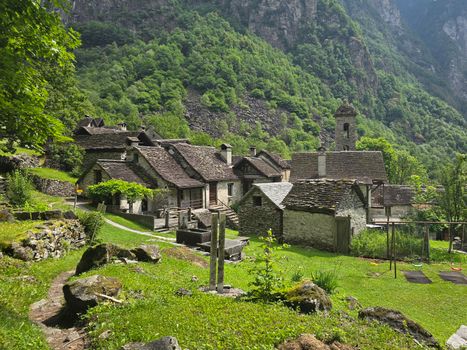
My first foray into the world of hidden villages began in the Swiss Alps, a region often associated with luxury resorts and crowded ski slopes. But tucked away in the Lauterbrunnen Valley, high above the valley floor, lies Gimmelwald. This car-free hamlet, with a permanent population barely scraping 100, felt like stepping into a postcard from a forgotten era.
The journey itself is part of the magic. I started my hike from the valley floor in Lauterbrunnen, following a steep, winding trail that cut through lush green pastures, past roaring waterfalls (Staubbach Falls and Trümmelbach Falls are visible from the trail), and through dense pine forests. The air grew crisper with every upward step, carrying the faint scent of pine and wildflowers. After about an hour and a half of steady ascent, the trees thinned, and there it was: a cluster of wooden chalets clinging to the mountainside, framed by the towering peaks of Eiger, Mönch, and Jungfrau. It was so quiet I could hear the distant clanging of cowbells, a melodic soundtrack to an untouched paradise.
I spent three nights at the legendary Mountain Hostel Gimmelwald (check their website for current pricing, typically around 40-60 CHF per night for a dorm bed). It's not fancy, but it's authentic, friendly, and offers million-dollar views from its communal balcony. Each morning, I'd wake to the sun painting the snow-capped peaks in hues of pink and gold, sipping coffee while watching paragliders leap from the cliffs. Days were spent hiking the myriad trails – a gentle stroll to Mürren for more panoramic views, or a challenging ascent towards the higher alpine pastures. Evenings were for sharing stories with fellow travelers and locals over a hearty rösti at the hostel's cozy bar.
What changed me here? It was the profound simplicity. No cars, no shops selling tourist trinkets, just genuine human connection and nature in its purest form. The locals, many of whom have lived here for generations, radiated a quiet contentment. They taught me that true wealth isn't measured in possessions, but in the quality of your surroundings and the strength of your community. I left Gimmelwald feeling a sense of peace I hadn't known in years, a deep appreciation for the unadulterated beauty of the world, and a realization that sometimes, the greatest adventures are found in the quietest corners.
Practical Tips for Gimmelwald:
* Getting There: Take a train to Lauterbrunnen, then a bus to Stechelberg. From Stechelberg, take the cable car up to Gimmelwald. Alternatively, hike from Lauterbrunnen (challenging) or Mürren (easier, mostly downhill).
* Accommodation: Mountain Hostel Gimmelwald is iconic. Book well in advance, especially for summer.
* Best Time to Visit: Late spring (May-June) for wildflowers and fewer crowds, or early autumn (September-October) for stunning fall colors and crisp air.
* Cost: Switzerland is expensive. Budget for cable car fares (consider a Swiss Pass if staying longer), and be prepared for higher food prices. Cooking at the hostel can save money.
* Must-Do: Hike to Sprutz waterfall, enjoy a beer on the Mountain Hostel balcony, and simply soak in the silence.
Instagram-Worthy Moment:
A wide-angle shot of wooden chalets nestled against dramatic alpine peaks, with cowbells in the foreground and not a single car in sight. Use #GimmelwaldMagic #SwissHiddenGem.
Where Time Forgets: The Ancient Paths of Omodos, Cyprus
From the pristine Alps, my journey took me to the sun-drenched island of Cyprus, specifically into the heart of the Troodos Mountains. Here, amidst pine forests and terraced vineyards, I discovered Omodos, a village that feels like a living museum. It's not as dramatically remote as Gimmelwald, but its ancient charm and deep-rooted traditions make it a truly special find.
I rented a car in Limassol (essential for exploring the Troodos region) and drove up winding mountain roads, the scent of pine and wild herbs filling the air. The hike wasn't about reaching Omodos itself, but about exploring the network of ancient, often unmarked, footpaths that connect it to surrounding villages and vineyards. One day, I embarked on a self-guided trek from Omodos, following a dusty track that led me through olive groves and past small, family-run wineries. The views were of rolling hills covered in grapevines, with the distant glint of the Mediterranean Sea on the horizon.
Omodos itself is a labyrinth of narrow, cobblestone streets, traditional stone houses with wooden balconies, and a vibrant central square dominated by the imposing Monastery of the Holy Cross (Timios Stavros). Legend has it that a piece of the True Cross is housed here, and the monastery has been a spiritual heart for centuries. I spent hours simply wandering, getting lost in the alleys, discovering hidden courtyards, and stumbling upon tiny craft shops where artisans continued ancient traditions.
The true magic of Omodos, however, lies in its people and its wine. Cypriot hospitality is legendary, and in Omodos, it's palpable. I found myself chatting with an elderly woman selling homemade lace, sharing a strong Cypriot coffee with a local shopkeeper, and most memorably, spending an afternoon at a small, family-run winery, sampling Commandaria (a sweet dessert wine unique to Cyprus) and mezze. The owner, a man whose family had been making wine for generations, shared stories of his ancestors, of the land, and of a way of life deeply connected to the earth.
This experience redefined my understanding of "richness." It wasn't about grand sights, but about the texture of ancient stones, the taste of sun-ripened grapes, and the genuine warmth of people who cherish their heritage. Omodos taught me the beauty of slow living, of savoring each moment, and of finding joy in traditions that have endured for centuries.
Practical Tips for Omodos:
* Getting There: Rent a car from Larnaca or Paphos airport or Limassol. Public transport to the Troodos villages is limited.
* Accommodation: Stay in a traditional guesthouse within Omodos (e.g., Omodos Village Houses, typically 80-120 EUR/night).
* Best Time to Visit: Spring (March-May) for wildflowers and pleasant hiking temperatures, or autumn (September-October) for grape harvest season.
* Cost: Accommodation and food are reasonably priced compared to Western Europe. Wine tasting is often free or a small fee.
* Must-Do: Visit the Monastery of the Holy Cross, explore the labyrinthine streets, do a wine tasting, and enjoy traditional Cypriot mezze at a local taverna.
Instagram-Worthy Moment:
A shot of Omodos's cobblestone streets leading to the ancient monastery, with vibrant bougainvillea climbing stone walls. Use #OmodosCyprus #CyprusHiddenGem #WineVillage.
A Whisper in the Himalayas: Ghandruk, Nepal – Where Mountains Meet Culture
My next journey took me to the roof of the world, to the majestic Annapurna region of Nepal. While many trekkers aim for Annapurna Base Camp or Poon Hill, my heart was set on Ghandruk, a large Gurung village nestled on a hillside, offering unparalleled views of Annapurna South, Hiunchuli, and Machhapuchhre (Fishtail Mountain). The hike to Ghandruk is a segment of longer treks, making it an accessible yet deeply rewarding experience for those seeking cultural immersion amidst epic landscapes.
I began my trek from Nayapul (accessible by bus or taxi from Pokhara), following the Modi Khola river, crossing suspension bridges that swayed precariously over rushing glacial waters. The trail wound its way through terraced rice fields, rhododendron forests, and past smaller Gurung and Magar villages. Each step was a challenge and a revelation. The air grew thinner, but the views expanded, revealing layer upon layer of Himalayan grandeur. The sounds of distant prayer flags fluttering, the rhythmic clang of mule bells, and the cheerful greetings of "Namaste!" from fellow trekkers and locals filled the air.
Reaching Ghandruk after a challenging day of ascent felt like arriving at a sacred sanctuary. The village is a stunning collection of traditional slate-roofed Gurung houses, many of them offering basic teahouse accommodation. I stayed at a small guesthouse (prices vary, but expect around 500-1000 NPR per night for a room, plus food) with a balcony that offered a front-row seat to the Annapurna range. Waking up before dawn to watch the sunrise paint the colossal peaks in fiery oranges and soft pinks was a moment of pure, unadulterated awe. It was a spiritual experience, truly.
Beyond the views, Ghandruk offered a deep dive into Gurung culture. I visited the local Gurung Museum, a small but insightful collection of traditional tools, clothing, and artifacts. I spent an evening at a local teahouse, sharing stories with the family who ran it, learning about their daily lives, their farming practices, and their deep respect for the mountains that provide for them. The simplicity of their lives, their resilience, and their incredible hospitality left an indelible mark.
Ghandruk taught me humility. Standing before those colossal mountains, I felt incredibly small yet profoundly connected to something ancient and powerful. It stripped away all my urban anxieties, reminding me of the sheer majesty of nature and the strength of human spirit that thrives in challenging environments. It was a lesson in perspective, in finding joy in the basics, and in the profound beauty of a life lived in harmony with the earth.
Practical Tips for Ghandruk:
* Getting There: Take a bus/taxi from Pokhara to Nayapul or Kande, then trek for 1-2 days depending on your starting point and fitness.
* Permits: You'll need an Annapurna Conservation Area Permit (ACAP) and a Trekkers' Information Management System (TIMS) card. Get these in Kathmandu or Pokhara.
* Accommodation: Teahouses are abundant. Expect basic rooms, shared bathrooms, and delicious Nepali food (dal bhat is a must-try!).
* Best Time to Visit: Spring (March-May) for rhododendrons and clear skies, or autumn (September-November) for the clearest mountain views and pleasant temperatures. Avoid monsoon (June-August).
* Cost: Budget for permits (around $30-40 total), food (budget $20-30/day), and accommodation. Hiring a guide/porter is recommended for first-timers (approx. $25-30/day).
* Must-Do: Witness sunrise over the Himalayas, visit the Gurung Museum, and interact with the friendly locals.
Instagram-Worthy Moment:
A panoramic shot of the Annapurna range at sunrise, framed by traditional Gurung houses, with prayer flags fluttering in the foreground. Use #Ghandruk #NepalTrek #HimalayanHiddenGem.
The Emerald Heart of Slovenia: Logarska Dolina and Solčava's Secrets
My quest for hidden villages led me next to the heart of Europe, to Slovenia's breathtaking Julian Alps. While Lake Bled gets all the glory, the Logarska Dolina (Logar Valley) and its surrounding villages, particularly Solčava, offer an entirely different, deeply immersive experience into pristine nature and sustainable living. This isn't just a village; it's a living landscape, an "eco-museum" where traditional farm life blends seamlessly with stunning alpine scenery.
My journey began with a drive into the Solčava region, a designated European Destination of Excellence for sustainable tourism. The road wound deeper into the valley, eventually revealing Logarska Dolina – a U-shaped glacial valley, framed by towering peaks of the Kamnik-Savinja Alps. The hike here isn't about reaching a single village, but about exploring the valley's numerous trails that lead to isolated farms, guesthouses, and stunning natural features like the Rinka Waterfall.
I chose to stay at a traditional tourist farm (kmetija) just outside Solčava, a small village that acts as the gateway to the valley. My room, at a place called Kmečka hiša Ojstrica (prices around 70-100 EUR/night, including breakfast), was rustic yet comfortable, and the meals were prepared with ingredients straight from their own garden and farm. Waking up to the smell of fresh bread and the sight of cows grazing in emerald pastures, with the sound of a nearby stream, was pure bliss.
Days were spent hiking the valley's well-marked trails, cycling along the scenic road, and discovering hidden corners. One particularly memorable hike led me up to a small, family-run mountain hut, where I was served a hearty jota (bean and sauerkraut stew) and a glass of local elderflower cordial. The conversations were simple but genuine, often involving hand gestures and shared smiles, bridging language barriers with ease.
What Logarska Dolina offered was a profound connection to the land and a lesson in sustainable living. The people here live in harmony with nature, their livelihoods intrinsically linked to the cycles of the seasons. They are proud of their traditions, their pristine environment, and their commitment to preserving it for future generations. It was a reminder that true progress doesn't always mean technological advancement, but sometimes, a return to simpler, more mindful ways of living. This experience instilled in me a renewed sense of responsibility towards our planet and an appreciation for communities that champion ecological balance.
Practical Tips for Logarska Dolina & Solčava:
* Getting There: Best reached by rental car from Ljubljana (approx. 1.5-2 hours drive). Public transport is very limited.
* Accommodation: Look for "turistična kmetija" (tourist farms) in Solčava or within Logarska Dolina itself. Book well in advance.
* Best Time to Visit: Late spring/early summer (May-July) for lush greenery and wildflowers, or early autumn (September-October) for stunning fall foliage.
* Cost: Slovenia is generally more affordable than its Western European neighbors. Valley entry fee (per car, around 7-10 EUR) applies during peak season.
* Must-Do: Hike to Rinka Waterfall, cycle the valley road, try traditional Slovenian farm-to-table cuisine, and visit the Solčava Panoramic Road for incredible views.
Instagram-Worthy Moment:
A vibrant green valley framed by dramatic jagged peaks, with a traditional wooden farmstead in the foreground and a sparkling stream. Use #LogarValley #SloveniaHiddenGems #SustainableTravel.
The Unnamed Sanctuary: A Personal Secret, A Universal Lesson
While I've shared some incredible locations, there are some places so deeply personal, so utterly untouched, that to reveal their exact coordinates would be to betray their very essence. One such place is a tiny, nameless hamlet I stumbled upon in the rugged mountains of Georgia (the country, not the state!). It wasn't a planned destination; it was the result of a wrong turn, a curious detour, and a willingness to simply follow the path less traveled.
I was hiking a lesser-known trail in the Svaneti region, aiming for a different, slightly larger village, when a faint, overgrown track caught my eye. It looked barely used, a thin ribbon disappearing into a dense forest of ancient trees. My adventurous spirit, rekindled by my previous hidden village experiences, urged me forward. The path was challenging, steep, and at times, barely discernible, but the silence was profound, broken only by the rustle of leaves and the distant call of a hawk.
After what felt like hours, the forest opened up into a small clearing. There, nestled in a bowl of mountains, was a cluster of stone towers and houses, smoke curling from a few chimneys. No paved roads, no shops, no internet signal. Just a handful of families, their lives seemingly unchanged for centuries. I was greeted with wary curiosity, then with open-hearted hospitality. A grandmother, her face a roadmap of wrinkles, offered me a cup of strong, sweet tea and a piece of khachapuri (cheese bread). She spoke no English, and I, very little Georgian, but through gestures and shared smiles, a connection formed.
I spent only one night there, sleeping on a sheepskin rug by a crackling fire, under a sky ablaze with stars. The experience was raw, unpolished, and utterly authentic. It wasn't about the "sights" (though the mountains were breathtaking), but about the profound sense of being welcomed into a life so different from my own. It was a reminder that genuine human connection transcends language, culture, and even geography.
This unnamed sanctuary taught me the most profound lesson: that the greatest treasures in travel are not found on maps or in guidebooks, but in the serendipitous detours, the unexpected kindness of strangers, and the courage to step into the unknown. It taught me to trust my instincts, to embrace vulnerability, and to truly listen – not just with my ears, but with my heart. It solidified my belief that the "life-changing" aspect of travel isn't about grand revelations, but about a slow, quiet unfolding of understanding, empathy, and a deeper appreciation for the diverse tapestry of human existence.
Practical Tips for Finding Your Own Secret Spot:
* Go Local: Talk to locals in established villages. Ask about "old paths" or "small settlements" nearby.
* Off-Season Travel: Tourist numbers drop, increasing your chances of finding untouched spots and engaging with locals.
* Responsible Travel: If you do find a true hidden gem, respect its privacy. Don't overshare exact locations publicly. Be a respectful guest.
* Be Prepared: Always carry essential supplies (water, snacks, first-aid, power bank, map/compass) when venturing off-trail. Inform someone of your route.
* Embrace Serendipity: Don't over-plan every detail. Leave room for spontaneous detours and unexpected discoveries.
Instagram-Worthy Moment:
A close-up of a local artisan's hands at work, or a candid shot of a shared meal with a local family (always ask permission!). Use #OffTheBeatenPath #AuthenticTravel #HiddenGemsFound.
The Journey Continues: Your Call to the Unseen Path
These hidden villages, reached by sweat and determination, have fundamentally reshaped my understanding of travel and of life itself. They taught me that true richness isn't measured in material possessions or Instagram likes, but in the depth of connection, the purity of nature, and the resilience of communities that live authentically. They taught me to slow down, to listen, to observe, and to simply be.
If you've felt that familiar ache for something more, that yearning for genuine connection beyond the curated tourist experience, then I urge you: answer the call of the unseen path. Trade your crowded city breaks for the quiet solitude of a mountain trail. Swap five-star resorts for a humble guesthouse where stories are shared over a communal meal. Embrace the discomfort, the challenge, and the unknown, for it is in these moments that true transformation occurs.
The world is full of these quiet sanctuaries, waiting to be discovered by those willing to walk a little further, look a little closer, and open their hearts a little wider. These aren't just trips; they are invitations to rediscover yourself, to connect with humanity on a deeper level, and to witness the profound beauty of lives lived differently.
So, what are you waiting for? Pack your backpack, lace up your boots, and set off on a journey that might just change your life forever. And when you find your own hidden gem, come back and share your story with us – because the best adventures are always better when shared.
Which hidden village calls to your soul? Share your thoughts in the comments below, or better yet, plan your own life-changing hike and tell us all about it!
---