The Call of the Unseen: Hiking Trails to Villages Time Forgot
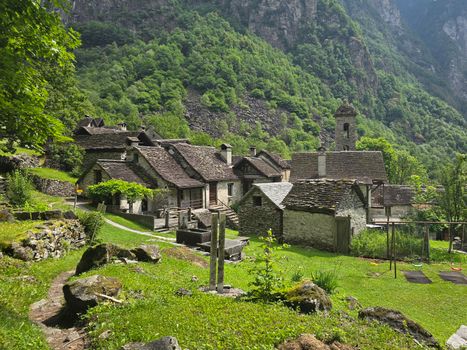
I remember the first time I stumbled upon a truly hidden village. It wasn't on any major map, nor was it advertised in glossy brochures. After days of trekking through rugged mountains, with only the rustle of leaves and the distant bleating of goats for company, a cluster of ancient stone houses emerged from the mist. The air was thick with the smell of woodsmoke, children played in dirt lanes, and an old woman, her face a roadmap of life, offered me a cup of tea with a warmth that transcended language. In that moment, the world of Wi-Fi, deadlines, and tourist traps faded into oblivion. I wasn't just a traveler; I was a discoverer, an accidental guest in a living, breathing piece of history.
This, my fellow adventurers, is the magic of hiking to hidden villages. These aren't just scenic spots; they are portals to another era, places where traditions are fiercely guarded, and life moves to a rhythm dictated by nature, not clocks. They demand effort, grit, and a willingness to step far outside your comfort zone, but the rewards? They are immeasurable. They change you. They redefine what's possible. And frankly, you absolutely need to experience them before they inevitably change, or worse, disappear.
At Tripsora, we live for these transformative journeys. So, lace up your boots, pack your sense of wonder, and prepare to be inspired. Here are 7 epic hiking trails that lead to hidden villages you need to experience before you die.
---
1. Havasupai Village, Arizona, USA: A Turquoise Oasis in the Grand Canyon
The Journey:
This isn't just a hike; it's a pilgrimage to a desert paradise. The Havasupai Reservation, nestled deep within a side canyon of the Grand Canyon, is home to the Supai people and their breathtaking turquoise waterfalls. The hike itself is a challenging 10-mile (16 km) descent from Hualapai Hilltop, followed by another 2 miles (3.2 km) to the main campgrounds and waterfalls. The return journey is an uphill climb that will test your endurance.
The Village:
Supai Village is a small, vibrant community of the Havasupai Tribe. It's the only village in the United States that still receives its mail via mule train! As you trek into the canyon, the vibrant blue-green waters of Havasu Creek appear like a mirage, leading you to the village. Here, life revolves around the canyon's natural beauty and the ancient traditions of its people. You'll find a small store, a café, and a lodge, but the real draw is the raw, untouched beauty of the land and the incredible waterfalls like Havasu Falls, Mooney Falls, and Beaver Falls.
My Experience:
Getting a permit for Havasupai is harder than winning the lottery, but when I finally secured one, I understood why. The descent into the canyon felt like stepping onto another planet. The sheer scale of the red rock walls, the silence, and then, the sudden explosion of turquoise water – it was almost spiritual. Staying in the village, even just briefly, offered a glimpse into a community deeply connected to their land. The stars at night are so bright, they feel like diamonds scattered across velvet. It's a truly humbling experience.
Practical Tips:
* Permits: Absolutely essential and incredibly difficult to obtain. They are released annually in February and sell out within minutes. Check the official Havasupai Tribe website.
* Gear: Sturdy hiking boots, plenty of water, sun protection, a first-aid kit, and a good backpack are non-negotiable.
* Cost: Permits are expensive (several hundred dollars per person for a 3-night stay, subject to change) and include environmental fees.
* Respect: This is a sovereign nation. Respect tribal rules, stay on marked trails, and leave no trace. Alcohol and drones are prohibited.
---
2. Gokyo Valley & Villages, Nepal: Sherpa Life in the Shadow of Giants
The Journey:
Forget Everest Base Camp – for a truly authentic Himalayan experience, trek to the Gokyo Lakes and the small Sherpa villages scattered throughout the Gokyo Valley. This multi-day trek (typically 10-14 days round trip from Lukla) takes you through diverse landscapes, from rhododendron forests to stark, high-altitude terrain, reaching elevations over 5,000 meters (16,400 feet).
The Villages:
As you ascend, you'll pass through charming Sherpa villages like Phortse, Machhermo, and finally, Gokyo village itself, nestled beside the stunning Third Gokyo Lake. These villages are vibrant hubs of Sherpa culture, where life is dictated by the rhythm of the mountains and Buddhist traditions. You'll find yak herders, traditional stone houses, and small teahouses offering basic but hearty meals.
My Experience:
The air thinned with every step, but the views of Everest, Lhotse, and Cho Oyu growing larger with each pass were an incredible motivator. Staying in the teahouses in these remote villages, sharing stories with fellow trekkers and local Sherpas around a yak dung fire, was a profound experience. Waking up to the sunrise over Gokyo Ri, overlooking the emerald lakes and the vast expanse of the Himalayas, felt like standing on the edge of the world. The warmth and resilience of the Sherpa people are truly inspiring.
Practical Tips:
* Best Time: Spring (March-May) and Autumn (September-November) offer the clearest skies.
* Permits: You'll need a Sagarmatha National Park permit and a Khumbu Pasang Lhamu Rural Municipality entry permit.
* Guide/Porter: Highly recommended for safety and to support the local economy.
* Cost: Expect to spend $40-60 USD per day for food and accommodation (teahouses) once on the trek, plus flight costs to Lukla and guide/porter fees.
* Acclimatization: Crucial for high-altitude treks. Plan rest days.
---
3. Longji Rice Terraces Villages, China: A Dragon's Backbone of Culture
The Journey:
In the Guangxi region of China, the Longji Rice Terraces are a mesmerizing landscape carved into the mountainsides by generations of Zhuang and Yao ethnic minorities. While there are roads to some points, the real magic lies in trekking between the various villages like Ping'an, Dazhai, and Gusun, navigating narrow, winding paths that crisscross the terraces. Hikes can range from a few hours to multi-day treks.
The Villages:
These villages are living museums of traditional culture. The Zhuang people of Ping'an are known for their colorful clothing and unique wooden architecture, while the Red Yao women of Dazhai are famous for their incredibly long hair, often reaching the ground. Life here is intimately connected to the rice cycle, from planting in spring to harvesting in autumn. You'll find guesthouses built into the hillsides, offering unparalleled views of the terraces.
My Experience:
I arrived during planting season, and the terraces, filled with water reflecting the sky, looked like shattered mirrors. Trekking from Ping'an to Dazhai, I passed farmers tending their fields, children playing in the village squares, and the aroma of local dishes like bamboo-cooked rice wafting from kitchens. Staying in a traditional guesthouse, waking up to the mist-shrouded terraces, and watching the sunrise paint them in hues of gold was an unforgettable immersion into a different way of life. The Red Yao women's hair ritual was particularly fascinating.
Practical Tips:
* Best Time: Spring for water-filled terraces, summer for vibrant green, autumn for golden harvest.
* Transport: From Guilin, take a bus to the Longji Scenic Area, then local shuttle buses or start hiking.
* Accommodation: Book guesthouses in advance, especially during peak season. Prices for a basic room can range from $20-50 USD.
* Food: Don't miss the local specialty: rice cooked in bamboo tubes over an open fire.
* Footwear: Bring good hiking shoes, as paths can be muddy and uneven.
---
4. Kalaw to Inle Lake Trek, Myanmar: Hill Tribe Encounters
The Journey:
This popular but still authentic multi-day trek (2-3 days) from the charming hill station of Kalaw to the iconic Inle Lake offers a deep dive into rural Myanmar. The trail winds through rolling hills, pine forests, and vast agricultural lands, passing through countless villages of the Pa-O, Danu, Palaung, and Taung Yo ethnic groups.
The Villages:
The true highlight of this trek is the opportunity to stay overnight in local villages. You'll be welcomed into traditional homes, often on stilts, and share meals with families. These are not tourist performances; this is real life. You'll see villagers farming, weaving, and carrying on daily routines, largely untouched by modern tourism. The simplicity and hospitality are profound.
My Experience:
My trek from Kalaw was a sensory feast. The vibrant colors of the Pa-O women's headscarves, the rhythmic sound of farmers working in the fields, the smell of freshly brewed tea in a village home – every step was an immersion. Staying with a local family, sharing a simple dinner, and attempting to communicate with gestures and smiles, was one of the most heartwarming travel experiences I've ever had. It humanized a country I had only known from headlines. The trek culminates with a boat ride across Inle Lake, a dramatic contrast of bustling lake life after the quiet solitude of the hills.
Practical Tips:
* Guide: A local guide is essential for navigation, cultural interpretation, and arranging homestays.
* Cost: Trekking tours typically cost $30-50 USD per person per day, including guide, food, and homestay.
* Packing: Light backpack, comfortable shoes, layers of clothing (it can get cool at night), a headlamp, and a small gift for your host family (e.g., school supplies for children).
* Respect: Ask permission before taking photos, especially of people. Dress modestly.
---
5. Wae Rebo Village, Flores, Indonesia: The Mystical Mbaru Niang
The Journey:
Tucked away in the misty mountains of Flores, Indonesia, Wae Rebo is a traditional Manggaraian village that feels like something out of a fairy tale. The hike to Wae Rebo is a challenging 3-4 hour ascent through dense rainforest, crossing rivers and navigating steep, sometimes muddy, paths. The reward at the end is unlike anything you've ever seen.
The Village:
Wae Rebo is famous for its seven unique, cone-shaped traditional houses called Mbaru Niang. These multi-story houses are an architectural marvel, designed to withstand the elements and house multiple families. Upon arrival, visitors undergo a traditional welcoming ceremony (Wae Lu'u) before being invited to stay overnight in one of the Mbaru Niang, experiencing village life firsthand.
My Experience:
After a grueling hike through the humid jungle, the sight of Wae Rebo emerging from the clouds was breathtaking. The Mbaru Niang stood majestically, almost otherworldly. The welcoming ceremony, with its ancient chants and offerings, immediately made me feel connected to the village's history. Sleeping inside the Mbaru Niang, on a woven mat, surrounded by the quiet hum of village life and the scent of wood and earth, was a truly unique and humbling experience. I spent hours simply watching the villagers go about their daily lives – grinding coffee, weaving, and sharing stories. It’s a testament to resilience and community.
Practical Tips:
* Access: From Labuan Bajo (gateway to Komodo), take a shared taxi or bus to Denge village, the starting point for the trek.
* Accommodation: Overnight stays in the Mbaru Niang are mandatory to experience the culture fully. Cost is typically around IDR 350,000-450,000 (~$25-30 USD) per person, including meals.
* Gear: Good hiking shoes, rain gear, insect repellent, and a headlamp are essential.
* Respect: Dress modestly, especially during ceremonies. Be mindful of photography.
* Contribution: Your visit directly supports the preservation of Wae Rebo's unique culture and architecture.
---
6. Simien Mountains Trek, Ethiopia: Ancient Highlands and Gelada Baboons
The Journey:
The Simien Mountains National Park in northern Ethiopia is often called the "Roof of Africa" and offers some of the most dramatic mountain scenery on the continent. A multi-day trek (3-10 days, depending on route) takes you through vast plateaus, deep canyons, and past towering peaks, leading to small Amhara villages that cling to the harsh landscape.
The Villages:
As you trek through the Simiens, you'll encounter small, traditional Amhara villages like Gich and Chennek. These communities live a subsistence lifestyle, farming small plots of land and herding livestock. Their houses are typically circular, made of stone and thatch. The interaction with these resilient people, often shy but welcoming, is a profound part of the Simien experience. You'll also encounter the endemic Gelada baboons, often grazing peacefully alongside villagers.
My Experience:
The sheer scale of the Simien Mountains took my breath away. Jagged peaks, deep valleys, and endless vistas. Trekking through the park, I felt a deep connection to the ancient land. Passing through the villages, I saw children herding goats, women grinding grain, and men working in the fields. My guide, a local Amhara, helped bridge the cultural gap, allowing for simple, authentic interactions. One evening, after a long day of hiking, a group of village children shyly approached our camp, singing traditional songs. It was a moment of pure, unadulterated joy that I'll never forget.
Practical Tips:
* Permits & Guide: Mandatory to enter the park with a scout and a guide. Arrange through tour operators in Gondar or Debark.
* Best Time: October to May for dry weather.
* Accommodation: Camping is common, with designated campsites near villages. Some villages offer basic guesthouses.
* Cost: Park fees, guide, scout, and cook can add up, expect $100-150 USD per person per day for a fully supported trek.
* Wildlife: Keep an eye out for the Gelada baboons, Walia ibex, and Ethiopian wolves.
---
7. Choquequirao, Peru: The Other Lost City of the Incas
The Journey:
Often called the "sister city" of Machu Picchu, Choquequirao is an equally impressive Inca citadel, but unlike its famous sibling, it can only be reached by a challenging multi-day trek (typically 4-5 days round trip). The hike involves steep ascents and descents, crossing a deep canyon (the Apurímac River), and navigating high-altitude mountain passes. It's tough, but incredibly rewarding.
The Villages:
While Choquequirao itself is an ancient ruin, the trek passes through small, remote Quechua-speaking villages like Capuliyoc, Marampata, and Maizal. These communities exist largely without modern amenities, their lives still closely tied to ancient farming practices and the rhythms of the Andes. You'll find basic accommodation and food offered by local families, providing a glimpse into their resilient way of life.
My Experience:
The trek to Choquequirao was physically demanding – perhaps the toughest I've ever done. But every painful step was worth it. The sheer solitude of the trail, the dramatic Andean landscapes, and the feeling of truly earning the view of the ruins was unparalleled. Staying in Marampata, a tiny village clinging to the mountainside, I felt a deep connection to the land and its people. The simple meals prepared by the local family, the clear night sky, and the anticipation of seeing Choquequirao the next day made for an unforgettable experience. When I finally reached the citadel, shrouded in morning mist, with only a handful of other trekkers, it felt like I had discovered a true lost city. The famous llama terraces are a sight to behold!
Practical Tips:
* Guide/Porter: Highly recommended, especially for carrying gear and providing local knowledge. Mules are also available for hire.
* Best Time: Dry season (May to October).
* Accommodation: Basic guesthouses or camping in designated areas.
* Cost: Trekking companies offer guided tours for $500-1000+ USD, or you can do it independently for less, hiring a muleteer.
* Preparation: Excellent physical fitness is required. Acclimatize to altitude in Cusco for a few days before starting.
---
Beyond the Trailhead: Essential Tips for Your Hidden Village Adventure
Embarking on a journey to these remote, often untouched places requires more than just a good pair of boots. It demands preparation, respect, and an open heart.
- Do Your Homework (Thoroughly!): Research permits, visa requirements, best travel seasons, and local customs well in advance. These aren't spontaneous trips.
- Physical & Mental Preparation: These hikes are challenging. Train physically, but also prepare mentally for discomfort, basic amenities, and being disconnected.
- Pack Smart, Pack Light: Essential hiking gear (sturdy boots, layers, rain gear, first-aid, water purification, headlamp) is crucial. Leave room for cultural sensitivity – modest clothing is often appropriate.
- Embrace Digital Detox: Most of these places have little to no cell service or Wi-Fi. See it as an opportunity to truly disconnect and be present.
- Respect Local Culture & Environment:
- Ask Permission: Before taking photos of people, especially children.
- Dress Modestly: Especially when visiting sacred sites or entering homes.
- Learn Basic Phrases: Even "hello" and "thank you" in the local language can go a long way.
- Leave No Trace: Pack out everything you pack in. Support local businesses and guides.
- Be Patient & Flexible: Things operate on a different timeline in these remote areas.
- Travel Insurance: Non-negotiable. Ensure it covers emergency evacuation and high-altitude trekking if applicable.
- Support Local Economies: Hire local guides, stay in local guesthouses, buy local crafts. Your visit can make a significant positive impact.
---
Your Adventure Awaits: A Call to Discovery
These hidden villages are more than just pin-drops on a map; they are living testaments to human resilience, cultural richness, and the enduring power of nature. They offer a rare chance to step back in time, to connect with communities far removed from the globalized world, and to rediscover a part of yourself that gets lost in the daily grind.
The trails leading to them are not easy, but the view from the other side – a view not just of stunning landscapes, but of a different way of life – is a reward that will stay with you long after your boots are put away. These are the journeys that redefine your understanding of the world, and indeed, of yourself.
So, which hidden village will you discover first? Which trail will call your name? Share your dreams in the comments below, and let's inspire each other to seek out these incredible, unforgettable corners of our planet.