The steam curled around me, carrying the scent of pine and damp earth. Above, a canopy of ancient firs dripped with morning dew, and the only sound was the gentle rush of a nearby creek. Below, the water was liquid silk, perfectly heated by the earth's fiery core. I was utterly alone, submerged in a natural hot spring so pristine, so utterly perfect, it felt like I’d stumbled into a forgotten paradise. This wasn't a commercial spa; there were no changing rooms, no gift shops, no crowds. This was a secret, a whispered legend among those who truly seek connection with the wild.
That moment, perched precariously on a mossy rock in the Pacific Northwest, was a revelation. It changed how I travel, how I seek out experiences, and how I understand the true meaning of "getting away." For years, I’d chased the popular thermal baths, the well-photographed pools. But it’s in these hidden hot springs, these wild, untamed pockets of geothermal bliss, that the real magic lies. These are the places locals guard with a quiet reverence, the spots you won't find on the first page of a Google search. And today, I’m going to share how you, too, can discover them – not by giving away specific, cherished secrets (because that would defeat the purpose!), but by equipping you with the knowledge, the mindset, and the respect to find your own.
Welcome, fellow adventurers, to the ultimate guide to uncovering the hidden hot springs that will truly blow your mind.
The Irresistible Lure of the Unknown: Why Go Off-Grid for a Soak?
Let's be honest: there's a certain thrill in discovery. It's the same feeling that drives explorers to scale unclimbed peaks or divers to plumb unknown depths. When it comes to hot springs, this allure is amplified. Commercial hot springs, while often luxurious and relaxing, can sometimes feel like an expensive public pool. They lack the raw, untamed essence that makes natural springs so captivating.
Hidden hot springs offer:
- Unparalleled Solitude: Imagine soaking under a blanket of stars, the only sounds being the wind through the trees or a distant owl's hoot. No splashing kids, no chattering crowds, just pure, unadulterated peace.
- Deep Connection with Nature: These aren't manicured pools. They are carved by nature, often nestled in stunning landscapes – beside roaring rivers, at the base of snow-capped mountains, or tucked away in sun-drenched canyons. You're not just soaking; you're immersing yourself in the wild.
- The Thrill of the Hunt: Finding these spots often requires effort – a hike, a drive down a bumpy road, asking a local (politely!). The reward of that first glimpse of steaming water after a long journey is immense. It’s an earned relaxation.
- Authenticity: These are often primitive, untouched places. The experience is raw, real, and unforgettable. It's a taste of what the earth truly offers, without human intervention.
My first truly "hidden" soak was after a grueling 8-mile hike through dense forest. My muscles ached, my feet throbbed, and I was convinced I'd taken a wrong turn. Then, through a break in the trees, I saw it: a small, perfectly round pool of steaming water, clear as glass, bubbling gently from the earth. The fatigue melted away instantly, replaced by a surge of pure joy and accomplishment. That feeling? That’s what we’re chasing.
Decoding the Map: How to Find Your Own Secret Soak
So, how do you find these elusive gems? It’s less about a precise GPS coordinate and more about cultivating a detective's mindset and a respectful approach.
- Local Intelligence (The Art of Gentle Inquiry): This is perhaps the most effective, but also the most delicate, method.
- Be Respectful: Never demand information. Engage in genuine conversation. Start with "I'm looking for a truly natural hot spring experience, away from the crowds. Do you know of any lesser-known spots?"
- Who to Ask: Park rangers (sometimes!), seasoned hikers, rock climbers, river guides, small-town cafe owners, or folks at independent outdoor gear shops. Avoid asking at popular tourist info centers; they're likely to direct you to commercial spots.
- Offer Something in Return: Share a story from your travels, buy a coffee, or simply be a genuinely pleasant person. Trust is key.
- The Nod and the Smile: Sometimes, you won't get a direct answer, but a knowing nod or a vague direction will be enough. Learn to read between the lines. I once got directions that were literally, "Go past the big dead tree, turn when you see the two rocks that look like they're hugging, then listen for the frogs." And it worked!
- Topographic Maps & Satellite Imagery: Become an armchair explorer!
- Topo Maps: Look for squiggly lines indicating water, especially near areas known for geothermal activity (volcanic regions, fault lines). Look for "HP" (hot pool) or "HS" (hot spring) notations, though these are rare for truly hidden spots.
- Google Earth/Satellite View: Scan for steam plumes (especially on cold mornings!), discoloration in water bodies (mineral deposits), or unusual clearings near rivers or creeks in remote areas. This requires patience and a keen eye.
- Overlaying Data: Combine geological maps showing fault lines or volcanic activity with satellite imagery. Geothermal activity is often concentrated along these features.
- Online Forums & Niche Blogs:
- Search for "primitive hot springs," "wild hot springs," or "backcountry hot springs" specific to a region you're interested in.
- Be aware that even on these forums, specific locations are often hinted at rather than explicitly revealed, to protect them. Look for clues in photos or vague descriptions.
- Hiking and backpacking forums are excellent resources for trail conditions, which might mention a "warm creek crossing" or "steaming ground."
- Know the Signs of Geothermal Activity:
- Smell: A faint sulfuric smell (like rotten eggs) is a dead giveaway.
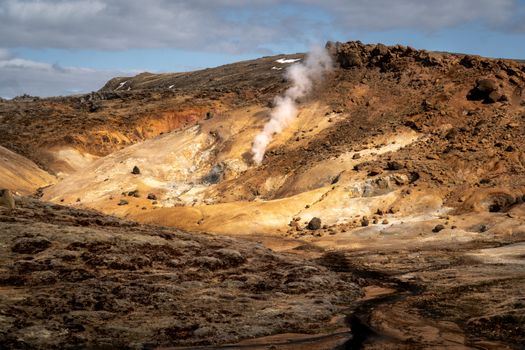
- Steam: Rising steam, especially noticeable in cooler weather.
- Vegetation: Unique plant life that thrives in warm, mineral-rich soil.
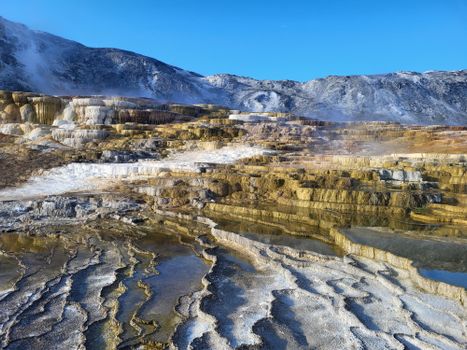
- Mineral Deposits: Orange, yellow, or white staining on rocks or stream beds.
- Warm Ground: Feel for unusually warm patches of earth.
Remember, the goal isn't to exploit these places, but to experience them responsibly. The more effort you put into finding them, the more you'll appreciate their pristine beauty.
A Glimpse into the Unseen: Hypothetical Hidden Gems (Types of Soaks You Might Find)
While I won't reveal actual secret locations (that's for you to discover!), let me paint a picture of the types of mind-blowing hidden springs you could find, inspired by my own adventures and the whispers of the trail.
1. The Whispering Cascade (Inspired by the Pacific Northwest, USA):
* Location Type: Deep within old-growth temperate rainforest, often along a river or creek.
* The Experience: Imagine a multi-tiered series of small, naturally carved pools, fed by a warm waterfall. The air is thick with the scent of ancient cedars and damp moss. Steam rises through the dappled sunlight, creating an ethereal glow. You might find small, smooth river rocks forming natural seats, and the sound of the cascading water is a constant, soothing lullaby. Access usually involves a moderate to strenuous hike on an unmarked or minimally marked trail, perhaps crossing a few fallen logs or shallow streams.
* Best Time to Visit: Early morning or late afternoon, especially on a misty day, to enhance the magical atmosphere. Avoid peak summer weekends for maximum solitude.
* Cost: Free, beyond your transportation and gear.
2. Desert Oasis Hot Pot (Inspired by the American Southwest):
* Location Type: Remote, arid canyon lands or stark desert plateaus, often requiring a high-clearance vehicle and a good map.
* The Experience: Picture a small, almost perfectly circular pool, nestled at the base of a towering red rock cliff or in a secluded wash. The water is often crystal clear, reflecting the endless blue sky or the fiery desert sunset. At night, the stars are an unbelievable spectacle, undimmed by city lights. The contrast of the hot water against the cool desert air is invigorating. These spots are often primitive, with no facilities whatsoever. The journey itself, through vast, empty landscapes, is part of the adventure.
* Best Time to Visit: Fall, winter, or early spring when desert temperatures are milder. Soaking under the full moon is an unforgettable experience.
* Cost: Free.
3. Alpine Serenity Soak (Inspired by the Rockies or European Alps):
* Location Type: High-altitude meadows or glacial valleys, typically above the tree line or near it.
* The Experience: This is an earned soak. Reaching these springs often involves a challenging hike or snowshoe trek. Your reward? A small, steaming pool with breathtaking panoramic views of jagged peaks, pristine lakes, and vast wilderness. In winter, snow might dust the edges of the pool, creating a surreal contrast. The air is crisp, clean, and invigorating. The effort of the journey amplifies the feeling of bliss and accomplishment.
* Best Time to Visit: Mid-summer after snowmelt, or late fall before heavy snows. For the truly adventurous, a winter snowshoe trek to a steaming alpine pool is epic.
* Cost: Free.
4. Coastal Geothermal Grotto (Inspired by Iceland or New Zealand):
* Location Type: Near volcanic coastlines, sometimes right on the beach or in sea caves accessible at low tide.
* The Experience: The ultimate sensory overload. Imagine a naturally heated rock pool just meters from the crashing ocean waves. The smell of sulfur mixes with salty sea air. The sound of the surf provides a powerful backdrop to your soak. Some of these might be tidal, meaning they're only accessible or warm at certain times. Others might be small caves where warm water seeps directly from the earth. The rugged beauty of the coastline combined with the warmth of the spring is truly unique.
* Best Time to Visit: Low tide for coastal pools, or during a storm for a dramatic, unforgettable experience (exercise extreme caution!).
* Cost: Free.
These are just examples, designed to spark your imagination. The world is full of such wonders, waiting for the respectful adventurer to find them.
The Unwritten Rules: Etiquette for the Secret Soaker
Finding these hidden gems is only half the battle. Preserving them for future generations – and maintaining the trust of those who share their secrets – requires adherence to an unwritten code of conduct.
- Leave No Trace, Seriously: This is paramount. Pack out everything you pack in, including all trash, food scraps, and even hair. Leave the area cleaner than you found it. This means no soap, shampoo, or any chemicals in the water, as it contaminates the natural ecosystem.
- Respect Solitude & Privacy: If someone is already there, give them space. Ask politely if it's okay to join. If they decline or seem to prefer solitude, respect that and find another spot or wait your turn. Keep voices low.
- Keep it Small: These pools are often small and fragile. Don't bring a huge group. A quiet pair or a small, respectful group is ideal.
- No Glass: Glass breaks, and broken glass in a remote hot spring is a hazard and a nightmare to clean up. Use reusable plastic or metal bottles.
- Stay on Established Paths (or be mindful): If there’s a faint trail, use it. If not, tread lightly to minimize impact on vegetation.
- Understand Clothing Optional: Many primitive hot springs are clothing optional. Be prepared for this and be respectful. If you’re uncomfortable, you can choose not to go, or politely find a spot where you feel more at ease.
- Respect Wildlife: You're in their home. Observe from a distance, don't feed them, and don't disturb their habitat.
- Be a Keeper of Secrets: If a local shares a spot with you, don't broadcast it on social media with exact coordinates. Share the experience, the feeling, but protect the location. This is crucial for maintaining the "hidden" aspect and preventing overcrowding.
My most awkward hot spring moment involved accidentally stumbling upon a group of completely nude older gentlemen meditating in a spring. I quickly, and respectfully, retreated. Lesson learned: always approach with caution and be prepared for anything!
Gear Up, Get Ready: Essentials for Your Hot Spring Adventure
Preparation is key to an enjoyable and safe hidden hot spring experience.
- Sturdy Hiking Shoes: You’ll likely be walking on uneven terrain, mud, or slippery rocks.
- Towel: A quick-drying travel towel is ideal.
- Water & Snacks: Hydration is important, especially in hot water. Bring enough for your hike and soak.
- Headlamp/Flashlight: Essential if you plan to soak at dawn, dusk, or night.
- Swimsuit (Optional): As mentioned, many primitive springs are clothing optional. Bring one if you prefer, or be ready to go au natural.
- Trash Bag: For packing out all your trash.
- First-Aid Kit: Basic essentials for cuts, scrapes, blisters.
- Map/GPS & Compass: Don't rely solely on your phone. Download offline maps.
- Warm Layers: Even if the water is hot, the air can be chilly, especially after you get out.
- Water Shoes/Sandals: Great for navigating slippery rocks around the spring.
- Camera (Waterproof Recommended): For those Instagram-worthy, shareable moments (but remember to protect the location!).
- A Sense of Adventure & Respect: The most important items on your packing list!
The Ultimate Reward: Soaking in Silence
There’s a profound difference between a hot tub and a natural hot spring. One is a manufactured luxury; the other is a raw, ancient gift from the earth. When you find yourself in a hidden hot spring, surrounded by wilderness, feeling the earth's pulse beneath you, you're not just relaxing – you're connecting. You're part of something bigger, something wild and untamed.
These aren't just places to visit; they're experiences to cherish, stories to tell (without giving away coordinates!), and reminders of the incredible beauty our planet holds. The effort to find them, the respect you show them, and the silence you embrace within them will create memories that truly blow your mind.
So, ditch the crowds, pack your sense of adventure, and start looking for those tell-tale wisps of steam. Your next unforgettable journey, a secret soak known only to a few, is waiting.
What's your most memorable off-grid travel experience? Share your stories (not locations!) in the comments below, and inspire fellow Tripsora explorers to seek their own hidden wonders! Don't forget to bookmark this guide for your next adventure planning!
---