Chasing Whispers: Unearthing the World's Most Trending Hidden Waterfalls
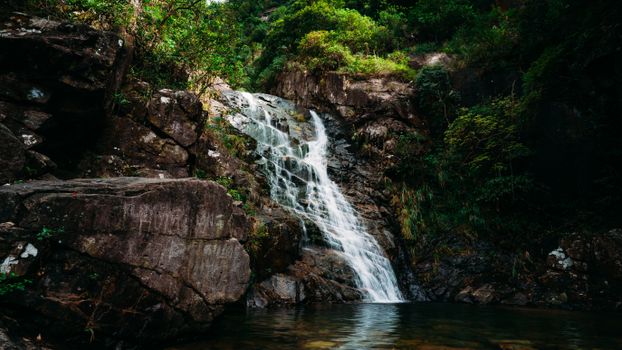
There’s a moment I often replay in my mind: standing alone, the roar of water filling my ears, mist cooling my face, and the overwhelming sense that I've stumbled upon a secret. No crowds, no selfie sticks, just me and the raw, untamed power of nature. This isn't a fantasy; it's the magic of discovering a hidden waterfall. For years, I've crisscrossed continents, always with an ear to the ground for those whispers of secret cascades, those elusive drops that haven't yet made it onto every tour bus itinerary. And lately, something incredible has been happening – a new wave of intrepid travelers, much like you, are seeking out these untouched wonders, quietly turning them into the next big "hidden" trend.
Forget the mainstream, overcrowded cascades you’ve seen a thousand times. We’re talking about the truly off-the-beaten-path gems that offer an unparalleled sense of discovery and a connection to nature that feels profoundly personal. These are the waterfalls that are trending, not because they’re plastered on billboards, but because word-of-mouth (and a few discerning Instagram posts) among true adventurers is spreading like wildfire. Ready to trade concrete jungles for emerald pools? To swap Wi-Fi for wild wonder? Let's dive in.
1. The Whispering Falls of Columbia Gorge, Oregon, USA: A Pacific Northwest Secret
My first encounter with Oregon's "Whispering Falls" was almost accidental. I was on a well-trodden path in the Columbia River Gorge, heading to a popular viewpoint, when a local hiker, seeing my camera gear, gave me a knowing wink and pointed to a barely visible trail marker. "Go left at the old growth cedar," she mumbled, "and listen for the whispers." Intrigued, I veered off. What followed was a scramble through dense, moss-draped forest, the air thick with the scent of pine and damp earth. And then, there it was: a delicate, multi-tiered cascade, its waters fanning out over ancient basalt columns, creating a soft, almost ethereal sound – hence, the whispers.
This isn't a single, monolithic plunge but a series of gentle drops and pools, perfectly framed by ferns and towering old-growth trees. It feels like stepping into a forgotten corner of an elven forest. It's trending because it offers the quintessential Pacific Northwest waterfall experience without the usual throngs. It’s a place for quiet contemplation, not mass tourism.
Getting There:
From Portland, drive east on I-84 into the Columbia River Gorge. Take the exit for Historic Columbia River Highway. The trailhead (look for an unmarked pull-off near a specific, large cedar tree – ask locals or check recent online hiking forums for the exact spot) is about 30 minutes past Multnomah Falls. The hike is moderate, about 2 miles round trip, with some slippery sections.
Best Time to Visit: Spring for lush greenery and robust flow, or late autumn for vibrant fall colors and fewer people.
What to Expect: Solitude, incredible photography opportunities, and a refreshing mist. Swimming is not recommended due to cold water and unpredictable currents.
Estimated Costs: Free! Just parking.
Tripsora Tip: Pack waterproof hiking boots and a good quality rain jacket, even on a sunny day. The mist can be pervasive. Bring a wide-angle lens for those panoramic shots of the tiered falls.
2. The Emerald Plunge, North Carolina, USA: Sliding Rock's Secret Sister
Everyone knows Sliding Rock in North Carolina's Pisgah National Forest – a natural water slide that's a summer favorite. But just a few miles deeper into the forest, known only to local adventurers and those with a keen eye for subtle clues, lies "The Emerald Plunge." I heard about it from a park ranger who shared a story of a hidden swimming hole that locals used to frequent before it became "too popular." I asked if there was anything less popular. He smiled, "There's a spot... if you know where to look, just past the old mill ruins."
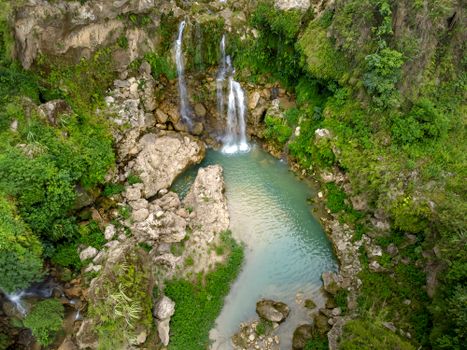
This waterfall is a true plunge, a powerful stream of water dropping into a deep, crystal-clear emerald pool. The rock formations around it are slick with moss, giving it a primordial feel. What makes it trending is the incredible swimming experience it offers – a deep, refreshing pool perfect for a dip after a challenging hike, far from any crowds. It's nature's perfect infinity pool, surrounded by the dense, vibrant green of the Appalachian forest.
Getting There:
This one requires a bit more effort and local knowledge. From Brevard, NC, head towards Pisgah National Forest. Drive past the turn-off for Sliding Rock. Look for a small, unmarked pull-off adjacent to what appears to be old stone foundations (the 'mill ruins'). The trail is an unmaintained, steep descent of about 1.5 miles. GPS coordinates are often shared in private hiking groups, but not publicly listed.
Best Time to Visit: Summer, when the water is most inviting for swimming, but go early morning to truly have it to yourself.
What to Expect: A challenging hike, a rewarding swim, and incredible photo ops from the surrounding rocks. Bring sturdy water shoes.
Estimated Costs: Free! Just a parking pass for Pisgah National Forest ($5/day or America the Beautiful Pass).
Tripsora Tip: This trail can be tricky. Consider downloading offline maps or going with someone who knows the area. Leave no trace, as this spot is pristine and deserves to stay that way.
3. Kuang Si's Lesser-Known Layers: The Turquoise Terraces, Luang Prabang, Laos
Kuang Si Falls near Luang Prabang is undoubtedly famous – and for good reason. Its multi-tiered, turquoise pools are breathtaking. But on my last trip to Laos, after experiencing the main falls, a local guide, Mr. Vang, saw my thirst for more. "There are layers above," he whispered, "where the water truly begins its journey. Few go there." He led me on a narrow, almost invisible path that snaked above the main tourist areas, through dense jungle, past small Hmong villages, and eventually, to a series of smaller, even more vibrant turquoise pools and cascades.
These "Turquoise Terraces" are where the water's magic truly begins. The pools are shallower, the falls more intimate, and the feeling of discovery profound. It’s trending because it offers the same iconic Kuang Si beauty but with an added layer of adventure and cultural immersion. You might even see local children playing in the pools, a glimpse into authentic Laotian life.
Getting There:
Hire a tuk-tuk or private car from Luang Prabang to Kuang Si Falls (approx. 45-60 minutes). Once at the main falls, instead of following the main path, ask a local guide (like Mr. Vang, easily found near the entrance) to take you to the upper, less-traveled sections. This usually involves a small additional fee for their time.
Best Time to Visit: During the dry season (November to April) for the clearest, most vibrant turquoise water.
What to Expect: A slightly more adventurous hike, incredibly serene swimming spots, and opportunities to interact with local villagers.
Estimated Costs: Kuang Si Falls entrance fee (around 25,000 LAK / $1.50 USD). Guide fee (negotiable, usually $10-20 USD for a few hours).
Tripsora Tip: Wear swimwear under your clothes. The upper pools are perfect for a refreshing dip. Support the local communities by buying snacks or handicrafts from the villages you pass.
4. The Mossy Veil of Tolmin Gorges, Julian Alps, Slovenia: Europe's Emerald Secret
Slovenia is a country of unparalleled natural beauty, and the Tolmin Gorges in the Julian Alps are a testament to that. While the main gorges are popular, I heard whispers of a particular, less-visited section, tucked away where the Tolminka and Zadlaščica rivers meet. My journey there involved renting a car from Ljubljana, driving through picturesque villages, and then a slightly more challenging hike down into the gorges, bypassing the main tourist routes.
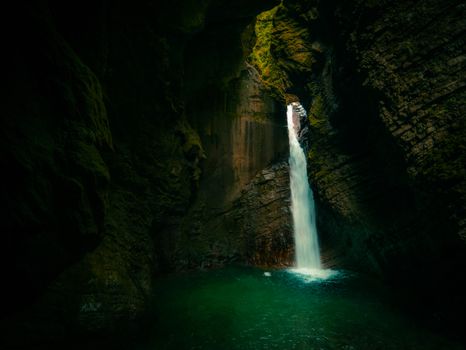
"The Mossy Veil" is less of a thunderous fall and more of a delicate cascade, where water seeps and flows over a vast, moss-covered rock face, creating a living, breathing green tapestry. It's utterly mesmerizing. The air is cool and damp, and the light filters through the canopy, painting the scene in dappled greens and golds. It’s trending because it offers the fairytale beauty of Slovenia without the crowds of Lake Bled or even the main gorge areas, providing a truly peaceful, almost spiritual experience.
Getting There:
Drive from Ljubljana (approx. 1.5-2 hours) to Tolmin. Follow signs for Tolmin Gorges (Tolminska korita). Instead of entering the main paid entrance, look for a less obvious, free trail that follows the river upstream from a small parking area near the village of Zatolmin. This requires some navigation and potentially asking locals for the "secret path to the mossy wall."
Best Time to Visit: Late spring to early autumn. Summer offers longer daylight, but spring brings vibrant greens.
What to Expect: A moderate hike with some slippery sections, breathtaking natural architecture, and a profound sense of tranquility. The water is too cold for swimming, but perfect for photography.
Estimated Costs: Free if you find the alternative entrance. Main gorge entrance is around €6-10.
Tripsora Tip: Bring a tripod for long-exposure photography to capture the silky flow of the "mossy veil." Pack layers, as the gorge can be significantly cooler than the surrounding area.
5. Salto del Caballo, A Lost Jewel of the Andes, Colombia: The Horse's Leap
Colombia's coffee region is famous, but few venture deep enough to discover "Salto del Caballo" – the Horse's Leap. I was exploring the wax palm forests near Salento when my local guide, Mateo, a man whose family had farmed coffee for generations, told me of a waterfall so powerful, it sounded like galloping horses. "It's a long ride, a hike, but worth it," he promised. We set out on horseback, winding through emerald valleys and cloud forests, the air thick with the scent of damp earth and exotic flowers. The final approach was a steep, muddy hike, but the sound grew louder, more insistent.
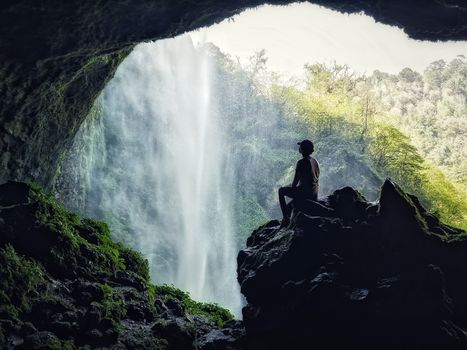
And then, it revealed itself: a colossal torrent of water plummeting hundreds of feet from a sheer cliff face, creating a thunderous roar and a perpetual rainbow in the mist. It's trending because it embodies the spirit of raw, untamed South American adventure. It’s a journey, not just a destination, offering a full immersion into the dramatic landscapes of the Andes.
Getting There:
From Salento, arrange a jeep (Willys) to take you to the trailhead, or better yet, hire horses and a local guide (highly recommended, as the trail is not marked and crosses private land). The horse ride can be 3-4 hours, followed by a 1-2 hour hike. Negotiate prices with guides in Salento; expect around 100,000-150,000 COP ($25-40 USD) per person for the full day, including horses and guide.
Best Time to Visit: The dry season (December to March and July to August) for easier trekking, but the falls will still be powerful.
What to Expect: An adventurous journey, stunning Andean scenery, and a truly awe-inspiring waterfall. The base of the falls can be very misty and slippery.
Estimated Costs: Guide/horse fees as above, plus snacks/water.
Tripsora Tip: Wear sturdy, waterproof hiking boots. Pack a waterproof cover for your camera and electronics. Be prepared for mud and unpredictable weather. Supporting local guides is crucial for these remote treks.
6. Rio Celeste's Azure Falls: The Uncharted Path, Tenorio Volcano National Park, Costa Rica
Costa Rica's Rio Celeste is famous for its impossibly blue river and waterfall, a natural marvel caused by volcanic minerals. However, the main viewpoint can get crowded. On my last visit, I noticed a faint trail leading away from the main viewing platform, partially obscured by dense foliage. A local park ranger, seeing my curiosity, gave me a knowing nod and a brief, hushed instruction: "Stay on the path, but if you go just a little further past the main viewpoint, there's a smaller, quieter pool. No ropes, no crowds."
This "uncharted path" leads to a series of smaller, less dramatic but equally vibrant azure cascades and pools, where the water is so clear, it feels like liquid sky. You can’t swim in the main Rio Celeste fall, but these hidden pools offer a chance to simply sit by the water's edge, listen to the jungle, and truly appreciate the unique chemistry that creates such vivid color. It's trending among those seeking the iconic blue without the bustling crowds, offering a more intimate connection to this natural phenomenon.
Getting There:
Drive to Tenorio Volcano National Park (approx. 2-3 hours from La Fortuna or Liberia). Park entrance fee is $12 USD. Follow the main trail to the Rio Celeste waterfall viewpoint. Instead of turning back, look for a faint, unmarked path (ask park rangers discreetly for "el camino secreto del color") leading further downstream, away from the main crowds.
Best Time to Visit: Dry season (December to April) for the most vibrant blue. Heavy rain can make the water cloudy.
What to Expect: A moderate jungle hike, the magical blue water, and a chance for quiet reflection. No swimming is allowed in the main river or the hidden pools to preserve the unique ecosystem.
Estimated Costs: Park entrance fee ($12 USD).
Tripsora Tip: Wear sturdy, closed-toe shoes, as the trails can be muddy and rocky. Bring plenty of water and insect repellent. Respect the park rules to protect this fragile environment.
7. The Hidden Falls of Palawan's El Nido Archipelago, Philippines: Island Paradise Undiscovered
El Nido, Palawan, is renowned for its limestone karsts, turquoise lagoons, and white-sand beaches. But beyond the famous island hopping tours, there are still pockets of untouched beauty. On a private boat tour, I convinced our captain, a seasoned local named Kuya Rey, to take us "somewhere truly unique, away from everyone." After navigating through a maze of towering islands, he anchored in a secluded cove. "From here," he said, pointing to a dense jungle wall, "we walk."
What we found was a series of small, freshwater cascades tumbling down moss-covered rocks into a hidden, deep emerald pool, fed by an underground spring. It was utterly surreal – a freshwater oasis tucked away in a saltwater paradise. It's trending because it offers a completely different side of El Nido, a quiet, freshwater escape that feels like a discovery in a place many think they already know. It's the ultimate "secret beach" but with a waterfall twist.
Getting There:
This one truly requires a custom boat tour. From El Nido town, arrange a private boat (rather than a group tour) and specifically ask the captain if they know of any "hidden freshwater falls" or "secret inland cascades." Be prepared to negotiate the price (expect $80-150 USD for a full day private tour, depending on boat size and itinerary). The hike from the beach to the falls is short but can be slippery.
Best Time to Visit: Dry season (November to May) for calm seas and easier access.
What to Expect: A unique combination of island hopping and jungle trekking, a refreshing freshwater swim, and unparalleled privacy.
Estimated Costs: Private boat tour fee.
Tripsora Tip: Bring a dry bag for your electronics. Wear water shoes for the short trek to the falls. Pack a snorkel and mask for the boat trip – you'll likely pass incredible reefs on the way!
Practical Tips for Your Hidden Waterfall Quest
Venturing off the beaten path requires preparation and respect. Here's how to make your hidden waterfall adventure safe, sustainable, and unforgettable:
- Do Your Research (and then some): These places are "hidden" for a reason. Online forums, local guides, and even subtle clues on Instagram can be your best friends. Don't be afraid to ask locals, but always be respectful of their knowledge.
- Gear Up Appropriately:
- Sturdy Hiking Boots: Essential for uneven, slippery, and muddy trails.
- Water Shoes: For crossing streams or navigating rocky pools.
- Quick-Dry Clothing & Swimwear: You'll likely get wet!
- Waterproof Backpack/Dry Bag: Protect your electronics and valuables.
- First-Aid Kit: Blisters, scrapes, and insect bites are common.
- Water Filter/Purification Tablets: Don't rely on finding potable water.
- Navigation: Offline maps (Maps.me, AllTrails Pro) and a compass are vital where cell service is unreliable.
- Prioritize Safety:
- Inform Someone: Always let someone know your itinerary and expected return time.
- Check Weather Conditions: Flash floods can be a serious danger near waterfalls.
- Go with a Guide: For truly remote or unmarked trails, a local guide is invaluable for safety and cultural insight.
- Assess Water Conditions: Don't swim if currents are strong, water levels are too high, or if there are submerged hazards.
- Embrace Leave No Trace Principles:
- Pack it in, Pack it out: Leave absolutely no trash behind.
- Stay on Trails: Protect fragile ecosystems and prevent erosion.
- Respect Wildlife: Observe from a distance; do not feed animals.
- Minimize Impact: Don't carve into rocks, pick plants, or disturb the natural environment.
- Master Photography (Responsibly):
- Waterproof Camera/Phone Case: Essential for capturing those misty, magical shots.
- Tripod: For silky smooth long-exposure shots of the falling water.
- Golden Hour/Blue Hour: Visit early morning or late afternoon for the best light and fewer crowds.
- Drone Usage: Check local regulations. Many protected areas prohibit drones.
- Be Mindful: Don't risk your safety or damage the environment for a photo.
- Engage with Locals: Learn a few basic phrases. Support local businesses, guides, and eateries. Their knowledge and hospitality are part of the adventure.
The Call of the Unseen
There’s an undeniable allure to the hidden. In a world saturated with information and popular destinations, finding a place that still feels like your discovery is a rare and precious thing. These trending hidden waterfalls are more than just beautiful spots; they are invitations to adventure, to connect with nature on a deeper level, and to experience the profound joy of the unknown.
So, pack your bags, lace up your boots, and set your sights on the horizon. The whispers of these secret cascades are calling. Which hidden gem will you chase first? Share your discoveries with us using #TripsoraHiddenFalls and inspire the next wave of adventurers to step off the beaten path. The world's most breathtaking secrets are waiting for you.
---