The Hook: A Whispered Secret in the Adriatic Breeze
I stepped off the train in Dubrovnik, and it wasn't the clamor of tourist chatter that hit me first, but the smell. A heady mix of salt-laced air, sun-baked stone, and something subtly floral, perhaps jasmine from a hidden courtyard. The afternoon sun, a liquid gold, cast long shadows across the ancient walls, making the limestone shimmer like polished bone. The distant cry of seagulls and the gentle lapping of the Adriatic Sea against the harbour walls created a symphony that was both ancient and utterly alive. This wasn't just a city; it was a feeling, a tangible embrace. And in that moment, with the terracotta rooftops stretching out before me like a rumpled velvet carpet, I knew I'd found a place that whispered secrets far more captivating than the well-worn tales of Paris.
Beyond the Seine: Where Data Meets Desire
Paris. The undisputed darling of romantic European city breaks. For years, it's held the crown, a beacon of art, fashion, and je ne sais quoi. But what if the data, the whispers from fellow travelers, and the undeniable magic of certain destinations are starting to tell a different story? At Tripsora, we've delved deep, analyzing social media trends, travel forum discussions, and expert opinions to identify cities that are not just as beautiful as Paris, but, dare we say it, more so. This isn't about diminishing Paris's charm; it's about celebrating the incredible, often overlooked, beauty that Europe has to offer.
The Methodology: What Makes a City "More Beautiful"?
Beauty is subjective, of course. But when we talk about "more beautiful," we're looking for a confluence of factors:
- Architectural Grandeur: Unique, well-preserved, and historically significant buildings and urban planning.
- Natural Setting: Integration with stunning landscapes – coastlines, mountains, rivers.
- Atmosphere & Vibe: The intangible feeling a city evokes – romance, mystery, vibrancy, tranquility.
- Sensory Experience: The unique smells, sounds, and tastes that define a place.
- "Wow" Factor: That immediate, breathtaking first impression that leaves you speechless.
Our research, informed by recent travel data and a deep dive into traveler sentiment, points to a few standout contenders.
1. Prague, Czech Republic: The Fairytale Woven in Stone
Stepping into Prague feels like walking onto the set of a medieval epic. The sheer density of Gothic spires, Baroque palaces, and Romanesque cellars is astounding. It’s a city where history isn't just preserved; it’s lived.
The Old Town Square & Astronomical Clock:
This is Prague's beating heart. The Old Town Square is a masterpiece of architectural styles, from the Gothic Church of Our Lady before Týn with its dramatic twin spires, to the Baroque St. Nicholas Church. But the real star is the Astronomical Clock. Watching the Apostles parade on the hour is a ritual, a moment of shared wonder that transcends language.
Pro-Tip:
Arrive at the square 30 minutes before the hour to secure a good viewing spot and soak in the atmosphere before the crowds descend. For a truly unique perspective, climb the Old Town Hall Tower for panoramic views that will steal your breath.
Charles Bridge: A Stroll Through Centuries:
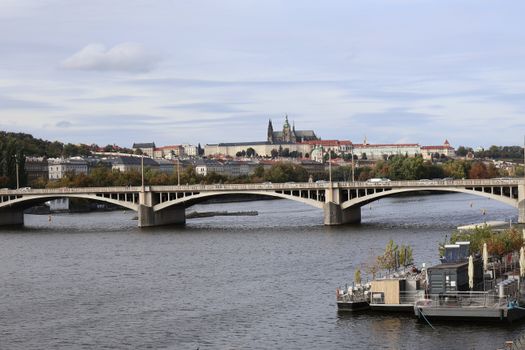
Connecting the Old Town with Malá Strana, the Charles Bridge is more than just a crossing; it's an open-air gallery. Lined with statues of saints, it offers unparalleled views of Prague Castle and the Vltava River. The atmosphere at dawn, with mist rising from the water and the statues cloaked in shadow, is pure magic.
Pro-Tip:
Visit before sunrise for an almost spiritual experience. The bridge is yours, the city is waking, and the light is ethereal. Later in the day, the street artists and musicians add a vibrant buzz, but the quiet solitude of dawn is unmatched.
Mala Strana (Lesser Town): The Baroque Enchantment:
Across the bridge lies Malá Strana, a district of charming cobblestone streets, hidden gardens, and stunning Baroque palaces. It feels more intimate, more secluded, a perfect contrast to the grandeur of the Old Town.
Pro-Tip:
Seek out the Vrtba Garden, a hidden Baroque gem with incredible sculptures and city views, often missed by the main tourist throngs.
Quick Facts: Prague
- Estimated Costs ($): $$-$$$ (Budget-friendly to mid-range)
- Best Time to Visit: Spring (April-May) for blooming gardens and fewer crowds; Autumn (September-October) for stunning fall colors.
- How to Get There: Prague Václav Havel Airport (PRG) is well-connected internationally. Trains and buses are also viable options from major European cities.
2. Sintra, Portugal: Where Romanticism Meets Mystical Forests
Sintra isn't a city in the traditional sense; it's a dreamscape. Nestled in the hills just outside Lisbon, this UNESCO World Heritage site is a collection of whimsical palaces, ancient castles, and lush, enchanted forests that feel plucked from a fairytale.
Pena Palace: A Kaleidoscope of Color:
The Pena Palace is an absolute showstopper. A riot of color – yellow, red, blue – perched dramatically on a hilltop, it’s a stunning example of 19th-century Romanticism. Its eclectic architecture, with Moorish, Gothic, and Manueline influences, is utterly unique.
Pro-Tip:
Book your tickets online in advance to skip the notoriously long queues. Arrive early to explore the palace before the peak crowds. The surrounding park is just as magical, with hidden trails and breathtaking viewpoints.
Quinta da Regaleira: The Enigmatic Estate:
This estate is a labyrinth of mystical gardens, hidden tunnels, and symbolic grottos. The Initiation Well, a spiral staircase descending deep into the earth, is an unforgettable, almost surreal experience.
Pro-Tip:
Wear comfortable walking shoes and be prepared to explore! The sheer scale and intricate details of Quinta da Regaleira demand time and an adventurous spirit. Don't miss the Poço Iniciático (Initiation Well) – it’s the highlight.
Moorish Castle: Echoes of the Past:
For a dose of history and spectacular panoramic views, the Moorish Castle offers ancient ramparts and a sense of stepping back in time. The views of the surrounding countryside and out to the Atlantic are simply sublime.
Pro-Tip:
Combine your visit to the Moorish Castle with Pena Palace for a full day of exploration. The trails connecting them offer stunning vistas.
Quick Facts: Sintra
- Estimated Costs ($): $$-$$$ (Palace entrance fees can add up)
- Best Time to Visit: Spring (March-May) for pleasant weather and blooming flora; Autumn (September-October) for fewer tourists and beautiful light.
- How to Get There: Easily accessible by a direct train from Lisbon (Rossio Station) – a short, scenic 40-minute journey.
3. Bruges, Belgium: The Venice of the North, Unfiltered
Bruges is a postcard come to life. Its medieval city center, crisscrossed by picturesque canals and lined with gabled houses, exudes an undeniable charm. It’s a place where time seems to have slowed, allowing you to savor every cobblestone street and every swansong on the water.
The Markt & Belfry: A Medieval Spectacle:
The Markt (Market Square) is the vibrant heart of Bruges. Dominated by the imposing Belfry, this square is a feast for the eyes with its colorful guildhalls and the statue of Jan Breydel and Pieter de Coninck. Climbing the Belfry is a rite of passage, offering a breathtaking 360-degree view of the city.
Pro-Tip:
The climb up the Belfry is 366 steps and quite narrow. Go early in the morning to avoid the crowds and enjoy the view in relative peace. The reward is immense.
Canal Cruises: A Different Perspective:
A canal cruise is quintessential Bruges. Gliding along the waterways, you’ll see the city from a unique angle, passing under charming bridges and getting glimpses into private courtyards. The gentle rhythm of the boat and the reflections of the historic buildings in the water are incredibly romantic.
Pro-Tip:
Look for the smaller, less crowded boats. They often offer a more intimate and informative experience. Ask your guide about the history of the Groenerei (Green Canal) – it’s particularly beautiful.
Begijnhof (Beguinage): An Oasis of Tranquility:
Escape the bustle in the serene Begijnhof. This tranquil courtyard, founded in the 13th century, was once home to religious women. Today, it's a peaceful haven with white-washed houses and a beautiful garden, perfect for quiet contemplation.
Pro-Tip:
Visit during spring when the daffodils are in bloom for an extra touch of magic. Remember to be respectful of the quiet atmosphere.
Quick Facts: Bruges
- Estimated Costs ($): $$ (Mid-range, can be more affordable if you avoid tourist traps)
- Best Time to Visit: Spring (April-May) for mild weather and fewer crowds; Early Autumn (September) for beautiful light and harvest festivals.
- How to Get There: Easily accessible by train from Brussels (approx. 1 hour).
4. Hallstatt, Austria: The Alpine Gem That Stole Our Hearts
Imagine a village so picturesque it looks like a meticulously crafted model. That's Hallstatt. Nestled on the shores of a crystal-clear lake, surrounded by dramatic alpine peaks, this charming Austrian village is pure enchantment.
The Iconic Lakeside View: Postcard Perfect:
The classic view of Hallstatt, with its pastel-colored houses cascading down the hillside to the lake, framed by towering mountains, is instantly recognizable and utterly captivating. It’s the view you see on all the postcards, and it doesn't disappoint.
Pro-Tip:
For that iconic photo, head to the viewpoint near the Lutheran Church. Arrive early in the morning to catch the soft, golden light and avoid the peak tourist rush.
The Salt Mine: A Journey into History:
Hallstatt's history is deeply intertwined with its salt mine, one of the oldest in the world. A visit here is an adventure, involving a funicular ride up the mountain and a fascinating guided tour through the ancient tunnels, complete with underground slides!
Pro-Tip:
Wear warm, sturdy clothing as it’s cool inside the mine. The Miner's Slide is a highlight for the adventurous!
The Dachstein Krippenstein: Skywalk and Ice Caves:
Take the cable car up to the Dachstein Krippenstein for jaw-dropping panoramic views from the "5 Fingers" viewing platform and explore the magnificent ice caves (Dachstein Ice Caves). The contrast between the crisp mountain air and the glittering ice formations is breathtaking.
Pro-Tip:
The ice caves are best explored on a guided tour. The "5 Fingers" platform offers incredible photo opportunities, but be prepared for heights!
Quick Facts: Hallstatt
- Estimated Costs ($): $$$ (Can be expensive due to its popularity)
- Best Time to Visit: Late Spring (May-June) for blooming flowers and pleasant weather; Early Autumn (September-October) for vibrant fall colors and fewer crowds.
- How to Get There: Accessible by train and ferry. Take a train to Hallstatt Bahnhof, then a short ferry ride across the lake to the village.
5. Giethoorn, Netherlands: The "Venice of the North" Without the Roads
Forget traffic jams; in Giethoorn, your primary mode of transport is a boat. This charming Dutch village, often dubbed the "Venice of the North," has no roads in its old center. Instead, picturesque canals are lined with thatched-roof farmhouses and connected by over 170 wooden bridges.
Navigating the Canals: A Peaceful Pursuit:
The magic of Giethoorn lies in its tranquility. Renting a "whisper boat" (electric-powered) allows you to glide silently through the canals, past immaculate gardens and under charming bridges. The gentle putter of the boats is the only sound breaking the peaceful atmosphere.
Pro-Tip:
Rent a boat early in the morning to experience the village at its most serene. Pack a picnic to enjoy on the water. Be mindful of the residents and keep noise to a minimum.
The Thatched-Roof Houses: A Glimpse into Rural Charm:
The iconic thatched-roof farmhouses are the architectural stars of Giethoorn. Many are still inhabited, and their immaculate gardens, often bursting with colorful flowers, add to the village's fairytale charm.
Pro-Tip:
Wander off the main canal paths and explore the smaller waterways for a more intimate experience. Respect private property and admire the houses from the canals.
Museum Giethoorn 't Olde Maat Uus: Stepping Back in Time:
For a deeper understanding of the village’s history and traditional way of life, visit Museum Giethoorn 't Olde Maat Uus. This historic farmhouse offers a glimpse into how life was lived here centuries ago.
Pro-Tip:
This museum provides valuable context for the beauty you're experiencing. It’s a great addition to a boat trip.
Quick Facts: Giethoorn
- Estimated Costs ($): $$ (Boat rental is the main expense; can be budget-friendly otherwise)
- Best Time to Visit: Late Spring (May-June) for lush greenery and blooming flowers; Early Autumn (September) for beautiful colors and fewer crowds.
- How to Get There: Take a train to Steenwijk or Zwolle, then a bus (line 70) to Giethoorn.
The Verdict: Your Next Unforgettable European Adventure Awaits
While Paris will always hold a special place in the hearts of travelers, these destinations offer something truly extraordinary. They provide a potent blend of breathtaking beauty, rich history, and an authentic charm that, according to our data and countless traveler experiences, rivals and sometimes surpasses the allure of the City of Lights.
Whether you're drawn to the fairytale spires of Prague, the romantic mystique of Sintra, the medieval charm of Bruges, the alpine perfection of Hallstatt, or the tranquil waterways of Giethoorn, Europe is brimming with hidden gems waiting to be discovered. It's time to broaden your horizons, embrace the unexpected, and find your own definition of European beauty.