Golden Hour Secrets: Uncover the World's Most Breathtaking Photo Spots Influencers Don't Want You to Know
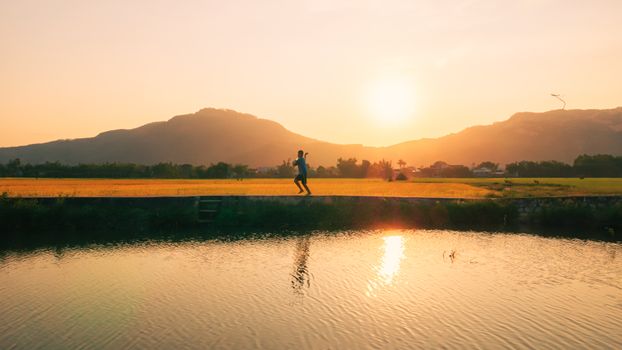
There’s a moment, right at dawn or dusk, when the world seems to hold its breath. The light turns liquid gold, painting landscapes in hues so rich and warm, they feel almost spiritual. This, my friends, is the golden hour – a photographer’s dream, a traveler’s solace, and increasingly, an Instagram influencer’s carefully curated backdrop.
I’ve been there. You’ve been there. Standing shoulder-to-shoulder at a "famous" golden hour spot, tripods jostling, drone buzzing overhead, a queue forming for that perfect shot. My most vivid memory is of Santorini, the iconic Oia sunset. Breathtaking, yes, but also a chaotic symphony of clicking shutters, selfie sticks, and the low murmur of a thousand conversations. The magic was undeniably there, but it felt… shared, diluted, and frankly, a little manufactured.
It was in that moment, jostled by a woman adjusting her flowing dress for the tenth time, that I vowed to seek out a different kind of golden hour. The kind where the only sound is the wind, the only company is a friend or loved one, and the only "influencer" is the sun itself, painting a canvas just for you.
What if I told you there's a whole world of golden hour magic out there, untouched by staged photoshoots and perfectly posed props? Places where the light hits differently, the silence is profound, and the experience is authentically yours. Places that influencers, for all their "discovery" posts, often skip because they require a little more effort, a little less polish, and a lot more genuine wonder.
Welcome, fellow adventurers, to my personal black book of golden hour locations – the ones I've stumbled upon, researched tirelessly, and sometimes, even guarded selfishly. But now, it's time to share. Get ready to bookmark, pack your bags, and chase the light like never before!
1. The Soul of the Dolomites: Seceda's Secret Dawn (Italy)
The Italian Dolomites are a UNESCO World Heritage site, a jagged symphony of limestone peaks that beg to be photographed. Seceda, with its iconic blades rising dramatically from rolling green pastures, has certainly gained popularity. But here's the secret: most people visit during the day, taking the cable car up and down. To truly experience Seceda's golden hour magic, you have to stay.
Why it's unique:
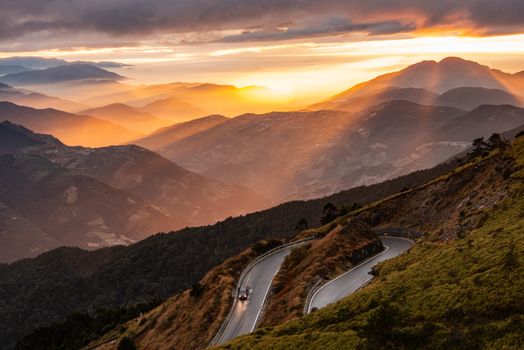
Imagine waking up in a cozy rifugio (mountain hut), stepping outside before dawn, and watching the first rays of sun ignite those majestic peaks in fiery oranges and soft pinks. The valley below is still shrouded in mist, the air is crisp, and you're almost entirely alone. No crowds, no rush, just you and the raw, untamed beauty of the Alps. The light hits the unique geological formations of Seceda in a way that is utterly surreal, creating shadows and highlights that change by the minute.
My Anecdote:
My first time experiencing Seceda at dawn was after an overnight stay at Rifugio Firenze. I had hiked up the previous afternoon, enjoyed a hearty meal and a glass of local wine, and then set my alarm for 4:30 AM. Pulling on layers in the dark, I stumbled out, tripod in hand. The silence was profound, broken only by the distant chime of cowbells. As the sun crept over the horizon, the Seceda ridgeline slowly, dramatically, came to life. Each blade of rock seemed to catch fire, casting long, ethereal shadows across the pastures. It wasn't just a photo op; it was a meditation, a communion with nature that I'll never forget.
Practical Tips:
* Stay Overnight: This is key. Book a bed at Rifugio Firenze or Rifugio Malga Pieralongia well in advance (prices typically range from €50-€80 per person for half-board).
* Timing: Research sunrise times and give yourself at least an hour before to hike to your chosen viewpoint. The hike from Rifugio Firenze to the Seceda viewpoint is about 30-45 minutes.
* Gear: Bring a sturdy tripod, wide-angle lens, and telephoto lens. Layers are crucial – it gets cold before sunrise, even in summer. A headlamp is essential for the pre-dawn hike.
* Access: Take the Seceda cable car from Ortisei (check operating times; it usually starts around 8:30 AM). If you're staying overnight, you'll need to plan your arrival around the last cable car.
2. Whispers of the Sahara: Erg Chebbi's Unseen Dunes (Morocco)
Most travelers flock to the Sahara for sunset over the vast dunes of Erg Chebbi, and it is indeed spectacular. But the true magic, the one less captured and more deeply felt, happens at dawn.
Why it's unique:
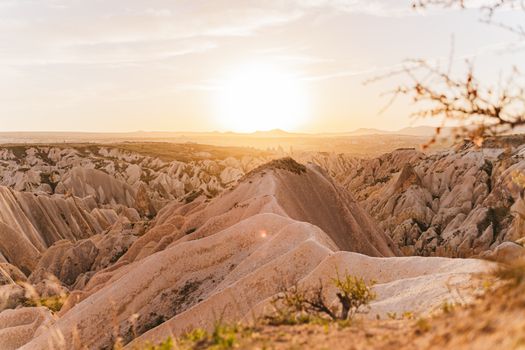
While sunset draws groups of tourists to the nearest dune, sunrise often finds you deeper within the desert, far from the main camps. The light is softer, the shadows are longer, and the silence is absolute. The way the golden light slowly spills over the undulations of the sand, illuminating the wind-sculpted curves, is a sight that feels ancient and profoundly peaceful. The sand itself seems to glow, shifting from deep purples to soft oranges and eventually, brilliant gold.
My Anecdote:
After a night under a blanket of stars at a desert camp near Merzouga, I was gently woken by my Berber guide. It was still dark, but a faint luminescence hinted at the approaching dawn. We climbed a nearby dune, our footsteps the only sound on the cool sand. As the sun peeked over the horizon, painting the sky in fiery oranges and deep reds, the desert transformed. The dunes around us, previously monochromatic, now revealed a tapestry of textures and colors. I sat there for what felt like an eternity, simply watching the light play, feeling utterly insignificant and yet completely connected to the vastness of it all. It was a moment of pure, unadulterated awe.
Practical Tips:
* Choose Your Camp Wisely: Opt for a camp that is a bit further into the dunes, not right on the edge. Many reputable tour operators in Merzouga offer overnight camel treks (prices vary greatly, but expect €50-€150 per person depending on luxury and duration).
* Camel Trek or 4x4: Arrange for an early morning camel trek or 4x4 ride to a prime sunrise spot.
* Protect Your Gear: Sand is the enemy of electronics. Bring lens covers, dust-proof bags, and avoid changing lenses in windy conditions.
* What to Pack: Layers (it gets surprisingly cold before dawn), a headlamp, plenty of water, and a wide-angle lens to capture the expansive landscape.
3. Beyond the Blue Domes: Oia's Lesser-Known Edges (Santorini, Greece)
Yes, I just mentioned Oia's crowds. But Santorini isn't just Oia, and even within Oia, there are ways to experience its golden hour without the elbow-to-elbow struggle. The trick is to either go against the grain or venture slightly off the main tourist path.
Why it's unique:
While everyone else is jostling for a view of the sunset over the caldera in Oia, you could be experiencing the sunrise golden hour, when the island is still asleep and the light is incredibly soft, painting the white-washed buildings in gentle pastel hues. Or, you could explore one of Santorini's other charming villages, offering equally stunning views without the throngs.
My Anecdote:
After my initial crowded Oia sunset experience, I was determined to find a different perspective. The next morning, I set my alarm for an ungodly hour and walked through the deserted streets of Oia. The famous blue domes, usually buzzing with activity, were silent. The sun slowly rose, casting a warm, gentle glow on the iconic white houses and the Aegean Sea. It was a completely different island – serene, peaceful, and utterly magical. Another time, I ventured to Imerovigli, a village just a short drive from Oia, known for its "balcony to the Aegean." The sunset there was equally stunning, but with a fraction of the crowds, allowing for a more intimate experience. I found a quiet spot on a low wall, away from the main path, and just watched the sky ignite.
Practical Tips:
* Embrace Sunrise: Wake up early! The sunrise over the caldera is just as beautiful, if not more so, than sunset, and you'll have it mostly to yourself.
* Explore Other Villages: Consider Firostefani, Imerovigli, or even Pyrgos for stunning caldera views with fewer crowds. Renting a car or ATV gives you flexibility.
* Find Hidden Alleys: Even in Oia, venture down narrow pathways and side streets. You might discover a secluded spot with an equally breathtaking view.
* Gear: A versatile zoom lens (e.g., 24-70mm) is great for capturing both wide vistas and architectural details. A tripod is useful for low-light shots during sunrise/sunset.
4. The Wild Heart of Patagonia: Torres del Paine's Fiery Peaks (Chile)
Patagonia is a land of epic landscapes, and Torres del Paine National Park is its crown jewel. While popular with trekkers, experiencing the golden hour here requires effort, which naturally thins out the crowds, especially at the most iconic viewpoints.
Why it's unique:
The granite spires of Torres del Paine, particularly the famous "Torres" themselves, catch the morning and evening light in a way that is utterly dramatic. The changing weather means no two golden hours are ever the same. One moment, the peaks are shrouded in clouds; the next, they burst into fiery orange and red as the sun breaks through. This is golden hour for the adventurous soul, earned through sweat and perseverance.
My Anecdote:
Hiking the "W" trek in Torres del Paine was one of the most physically demanding, yet rewarding, experiences of my life. On the final day, after a grueling pre-dawn ascent to Mirador Base Torres, I stood shivering in the biting wind, waiting. As the first light touched the peaks, they slowly turned from grey to a brilliant, almost unbelievable, orange-red. The reflection in the glacial lake below doubled the spectacle. There were maybe 50 other people there – a crowd by some standards, but in that vast, majestic landscape, it felt like a shared, sacred moment among fellow pilgrims. The sheer scale and raw power of nature, bathed in that incredible light, made every aching muscle worth it.
Practical Tips:
* Plan Your Trek: To see the Torres at sunrise, you'll need to stay at a nearby campsite (e.g., Campamento Chileno or Campamento Torres) the night before and start hiking in the dark (2-4 hours).
* Book Well in Advance: Refugios and campsites within the park sell out months ahead, especially during peak season (November-March).
* Be Prepared for All Weather: Patagonia's weather is notoriously unpredictable. Pack layers, waterproof gear, and sturdy hiking boots.
* Park Fees: Check the latest entrance fees for Torres del Paine National Park (around $35 for foreigners).
* Gear: A wide-angle lens is essential for capturing the vastness. A tripod is a must for long exposures in low light. Protect your gear from wind and rain.
5. Ancient Glow in the Jungle: Koh Ker's Untouched Temples (Cambodia)
When people think of Cambodian temples, Angkor Wat immediately comes to mind, and for good reason. But Angkor also comes with crowds, especially at sunrise. For a truly unique and solitary golden hour experience amidst ancient ruins, head to Koh Ker.
Why it's unique:
Koh Ker was once a rival capital of the Khmer Empire, boasting a unique seven-tiered pyramid temple, Prasat Thom, and numerous smaller, jungle-clad temples. Because it's further from Siem Reap (about a 2.5-hour drive), it sees a fraction of Angkor's visitors. At golden hour, the light filters through the dense jungle canopy, illuminating the ancient stones with an ethereal glow, creating a sense of profound mystery and discovery. You'll likely have the place almost entirely to yourself.
My Anecdote:
After experiencing the incredible but undeniably crowded sunrise at Angkor Wat, I felt a pull towards something quieter. My tuk-tuk driver suggested Koh Ker. Arriving in the late afternoon, the sun was already starting its descent. We explored Prasat Thom, climbing its steep steps to the top. From there, the panoramic view of the surrounding jungle, bathed in the soft, golden light, was breathtaking. As the sun dipped lower, the shadows lengthened, and the ancient stones seemed to come alive. The silence was punctuated only by the chirping of crickets and the rustling of leaves. It felt like stepping back in time, discovering a lost civilization, with no one else around to break the spell.
Practical Tips:
* Hire a Driver: The easiest way to get to Koh Ker is by hiring a private car or tuk-tuk driver from Siem Reap for the day (expect to pay $60-$100, negotiate beforehand).
* Timing: Aim to arrive 2-3 hours before sunset to explore a few temples and then position yourself for golden hour at Prasat Thom or another favored spot.
* Entrance Fee: Koh Ker has a separate entrance fee (around $10-15 USD).
* What to Bring: Insect repellent (it's the jungle!), comfortable walking shoes, and plenty of water. A wide-angle lens and a tripod for low-light conditions are recommended.
* Respect the Site: These are ancient, sacred ruins. Tread carefully and do not climb on fragile structures.
6. The Golden Hour of Fireflies: Congaree National Park (South Carolina, USA)
This golden hour is entirely different. It’s not about the sun’s light, but nature’s own bioluminescent spectacle. Congaree National Park hosts one of only a few synchronous firefly species in the world, and during their brief mating season, the forest floor comes alive with a magical, blinking light show.
Why it's unique:
This isn't your typical sunset shot. This is a twilight-to-night golden hour, where the "light" is emitted by thousands upon thousands of tiny insects. The experience is surreal, enchanting, and utterly unforgettable. It requires patience and a specific window of time, ensuring it remains a truly special, less-known phenomenon for most.
My Anecdote:
I'd heard whispers of the synchronous fireflies for years, but nothing prepared me for the reality. After winning a coveted lottery ticket (yes, it's that popular among those who know), I found myself on a boardwalk in the humid South Carolina night. As twilight faded, the first few blinks appeared. Then, a few more. Soon, the entire forest floor and canopy around us erupted in a perfectly synchronized, silent ballet of light. Thousands of fireflies blinking in unison, then dark, then light again, in a mesmerizing rhythm. It felt like stepping into a fairy tale, a living, breathing light show that made me forget my camera for long stretches, simply watching in wonder.
Practical Tips:
* Timing is Everything: The synchronous fireflies typically appear for 2-3 weeks in late May/early June. The exact dates vary each year.
* Lottery System: Due to their popularity and the need to protect them, the park uses a lottery system for vehicle passes. You MUST enter and win the lottery to attend. Plan well in advance!
* Photography: This is challenging but rewarding. You'll need a tripod, a fast wide-angle lens, and a remote shutter release. Long exposures (30 seconds to several minutes) are key. Avoid using flash or headlamps, as it disturbs the fireflies.
* Respect the Fireflies: Follow all park rules. Stay on the boardwalks, be silent, and do not try to catch or disturb the fireflies.
7. Arctic Canvas: Lofoten's Midnight Sun Glow (Norway)
In the Lofoten Islands during summer, "golden hour" isn't an hour; it's a marathon. Above the Arctic Circle, the midnight sun paints the dramatic fjords and fishing villages in a continuous, soft, golden light that can last for hours.
Why it's unique:
The concept of a sun that never truly sets creates an extended golden hour that is unparalleled. You can photograph stunning landscapes at 1 AM with the light of late afternoon. This unique phenomenon allows for unhurried exploration and photography, free from the rush of a typical sunset, and often with fewer people out and about in the "wee" hours.
My Anecdote:
Driving through the Lofoten Islands in mid-June felt like living in a dream. My internal clock was completely thrown off. One evening, after a late dinner in Reine, I decided to go for a drive. It was 11 PM, but the sky was ablaze with the most incredible golden light, reflecting off the glassy fjords and illuminating the red fishermen's cabins. I pulled over countless times, simply marveling at the sheer beauty. At 1:30 AM, I was still photographing, the sun hanging low on the horizon, casting long, dramatic shadows. It was an experience of boundless light and infinite possibility, a photographer's paradise where time seemed to stand still.
Practical Tips:
* Best Time: Visit between late May and mid-July for the midnight sun phenomenon.
* Rent a Car: This is essential for exploring the islands at your own pace and chasing the light wherever it leads.
* Embrace the Light: Don't be afraid to go out in the middle of the "night." That's when some of the most magical light occurs.
* Accommodation: Book rorbuer (traditional fishermen's cabins) for an authentic experience. Prices vary but expect €100-€250+ per night.
* Gear: A good travel zoom lens is versatile. A tripod is useful for capturing reflections in the calm waters. Polarizing filters can help manage reflections and deepen blue skies.
Your Golden Hour, Your Rules: Practical Tips for Chasing the Light
Beyond specific locations, here are some universal tips to help you find your own secret golden hour spots and capture truly unforgettable moments:
- Do Your Homework: Use apps like PhotoPills or Sun Surveyor to precisely track sunrise and sunset times, and the direction of the light, for any location.
- Scout Ahead: If possible, visit your chosen spot during the day. Identify interesting foregrounds, leading lines, and compositions.
- Arrive Early, Stay Late: For sunrise, aim to be at your spot at least 45-60 minutes before the official sunrise. For sunset, stay 30 minutes after the sun dips below the horizon for the magical "blue hour."
- Look Beyond the Obvious: Instead of the main viewpoint, look for side paths, elevated spots, or even reflections in water that offer a unique perspective.
- Pack Smart:
- Tripod: Essential for sharp, low-light photos.
- Wide-angle lens: For expansive landscapes.
- Telephoto lens: To compress distant elements or capture intimate details.
- Remote Shutter Release: To avoid camera shake.
- Layers: Temperatures can drop quickly at dawn/dusk.
- Headlamp: For navigating in the dark.
- Snacks & Water: Especially if you're hiking.
- Be Patient: The best light often comes in fleeting moments. Wait for the clouds to break, the mist to lift, or the perfect color to appear.
- Respect the Environment: Leave no trace. Pack out everything you pack in. Stay on marked trails.
- Experience, Don't Just Photograph: While capturing the moment is wonderful, don't let your lens be the only way you see the world. Take time to simply be there, to feel the air, hear the sounds, and soak in the beauty with your own eyes.
The True Gold: Authenticity
The real golden hour isn't about perfectly posed shots or viral potential. It's about the feeling you get when the world slows down, and nature puts on its most spectacular show, just for you. It's about the adventure of seeking out those moments, the joy of discovery, and the profound connection you feel to the world around you.
So, next time you plan your travels, think beyond the influencer-approved hotspots. Ask yourself: "Where can I find a golden hour that feels truly mine?" Go a little further, wake up a little earlier, or stay a little later. You might just discover a secret so beautiful, you'll want to keep it just for yourself – but please, share it with us in the comments below!
What's your most unforgettable golden hour memory? Where have you found a hidden gem that made your heart sing? Share your stories and inspire fellow Tripsora travelers to chase the light less traveled!
---