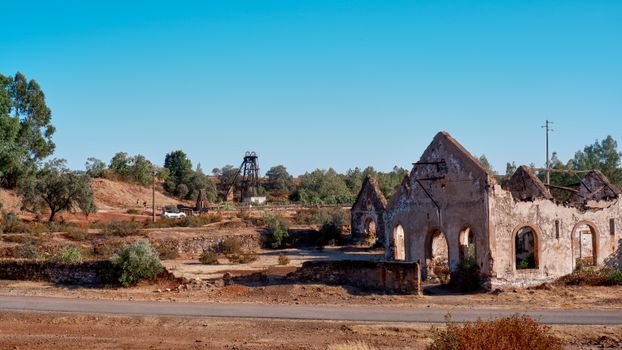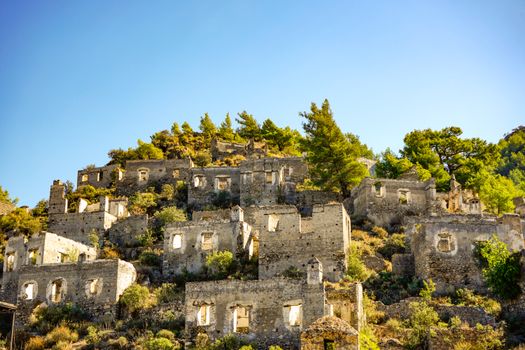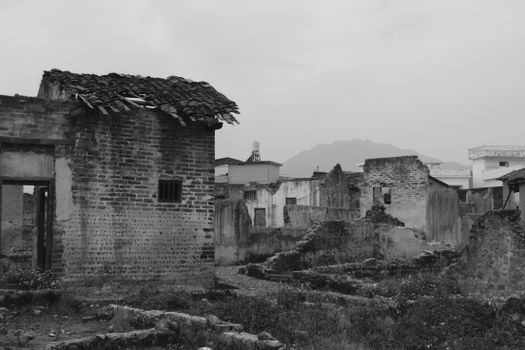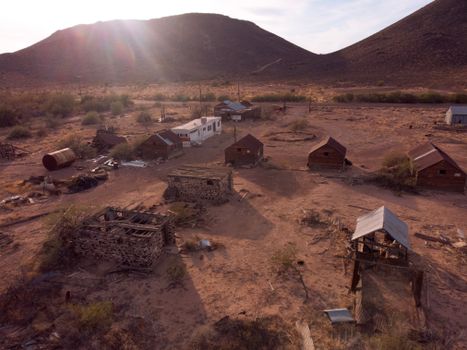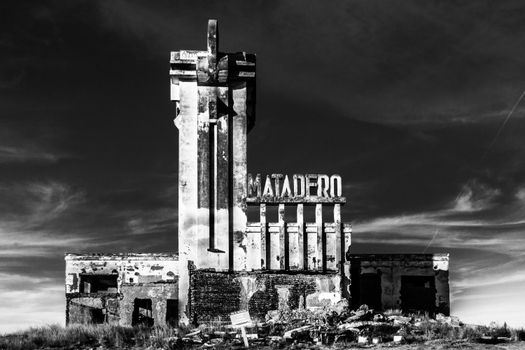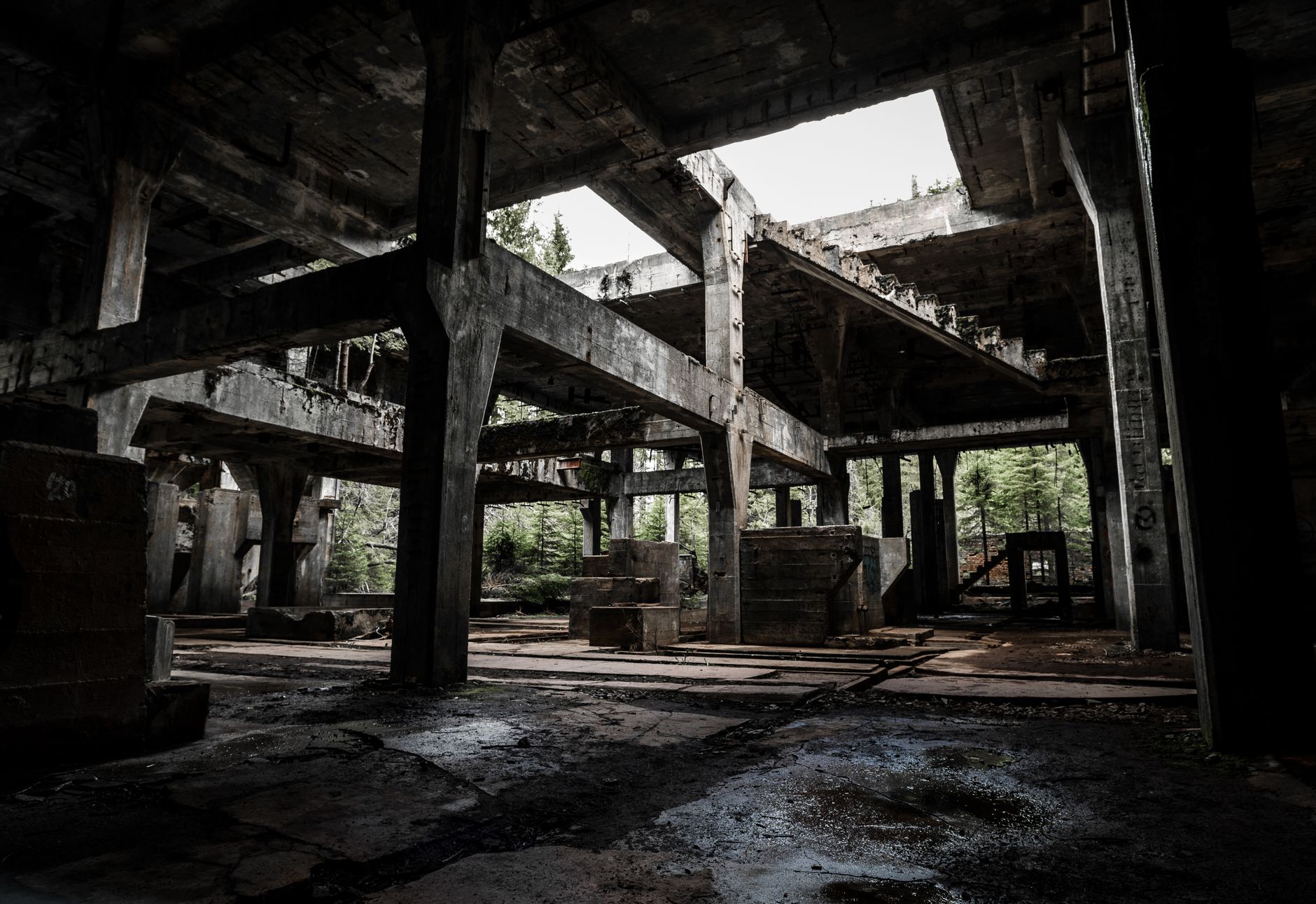
The air hung heavy with the scent of damp earth and forgotten dreams. Dust motes danced in the slivers of sunlight piercing through shattered windows, illuminating a child’s forgotten doll, its ceramic eyes staring blankly at a wall peeling like old skin. I was standing in an abandoned farmhouse, deep in the Welsh countryside, a place I’d stumbled upon during a solo hiking trip. The silence was profound, broken only by the creak of the floorboards beneath my boots and the frantic beat of my own heart. It was a moment of pure, unadulterated awe – the beauty of decay, the stories whispered by crumbling walls, the tangible presence of lives once lived.
That day sparked an obsession, a deep-seated fascination with places left behind. There's something undeniably magnetic about the forgotten, the derelict, the spaces where time has paused, leaving behind echoes of human endeavor and nature's relentless reclamation. For years, these places were off-limits, dangerous, or simply ignored. But today, a growing number of these hauntingly beautiful sites have been carefully preserved and opened to the public, offering a unique, often profound, travel experience.
Welcome, fellow adventurers, to Tripsora! Today, we’re diving into the captivating world of abandoned places turned into tourist attractions – destinations that aren't just Instagram-worthy, but deeply moving, thought-provoking, and absolutely essential for any traveler seeking an experience beyond the ordinary. Trust me, these are the kinds of trips that stay with you, etched into your memory long after the dust has settled.
---
1. The Echoes of a Nuclear Disaster: Chernobyl Exclusion Zone, Ukraine
If there's one place that epitomizes the allure of the abandoned, it's the Chernobyl Exclusion Zone. My visit here wasn't just a trip; it was a pilgrimage to the epicenter of one of humanity's greatest environmental catastrophes. Stepping into Pripyat, the abandoned city just kilometers from the infamous Reactor No. 4, is like walking onto a film set, except the silence is real, the overgrown trees are real, and the chilling history permeates every crumbling building.
My Experience:
I remember the crisp autumn air, the rustle of leaves underfoot as our small group moved through what was once a bustling Soviet city of 50,000. Seeing the iconic Ferris wheel in the abandoned amusement park, its yellow cabins frozen mid-spin, was a powerful moment. The empty swimming pool, the decaying classrooms filled with scattered textbooks, the kindergarten with tiny shoes and gas masks – each scene was a visceral reminder of lives abruptly uprooted. Our guide, a former liquidator, spoke with quiet reverence, sharing tales of the disaster and the incredible bravery that followed. The Duga Radar, a colossal, abandoned "Russian Woodpecker" Soviet over-the-horizon radar system, loomed like a metallic leviathan against the sky, a testament to Cold War paranoia. It's a place of profound sadness, but also of resilience, as nature slowly reclaims its territory.
Practical Tips & Details:
* Booking: You must go with an authorized tour operator. I highly recommend SoloEast Travel or Chernobyl Welcome. Book well in advance, especially for multi-day tours.
* Safety: Follow your guide's instructions meticulously. Radiation levels are monitored, and safe routes are established. You'll wear long sleeves, trousers, and closed-toe shoes. Expect to be scanned for radiation on exit.
* What to Bring: Passport, comfortable walking shoes, layers of clothing (weather can change), water, snacks, and a good camera. Don't touch anything, and definitely don't take "souvenirs."
* Cost: A one-day group tour from Kyiv typically costs around $100-$150 USD. Multi-day private tours are significantly more expensive but offer deeper exploration.
* Instagram Moment: The Ferris wheel, the Pripyat sign, and the Duga Radar. Just remember to be respectful and mindful.
---
2. Japan's Forbidden City of Concrete: Hashima Island (Battleship Island)
From a nuclear ghost town to a maritime one, Hashima Island, or Gunkanjima ("Battleship Island"), off the coast of Nagasaki, Japan, is a sight to behold. Once the most densely populated place on Earth, a thriving coal-mining community, it was abruptly abandoned in 1974 when coal was replaced by petroleum. Today, its towering concrete structures, battered by typhoons and time, rise from the sea like a phantom fleet.
My Experience:
The boat ride to Hashima was itself an adventure, cutting through choppy waters. As we approached, the island truly lived up to its "Battleship Island" moniker, its formidable silhouette evoking a warship. Stepping onto the specially constructed viewing platforms, the sheer scale of the abandonment was overwhelming. Apartment blocks, schools, hospitals – all stood empty, their windows like vacant eyes. Our guide, a descendant of a former island resident, painted vivid pictures of daily life there – the bustling streets, the communal baths, the children playing. It felt less like a ruin and more like a petrified memory, a poignant testament to Japan's rapid industrialization and subsequent shift. The wind howled through the decaying buildings, a mournful song of forgotten lives.
Practical Tips & Details:
* Access: Only authorized boat tours are allowed to land on Hashima Island, and access is restricted to designated safe viewing paths due to the unstable structures. Tours depart from Nagasaki Port.
* Booking: Book well in advance, especially during peak season, as capacity is limited. Companies like Gunkanjima Concierge and Gunkanjima Cruise offer tours.
* Weather: Tours can be canceled due to rough seas, so check forecasts and have a backup plan.
* Cost: Tours typically range from ¥4,000-¥5,000 (approx. $30-$40 USD).
* Instagram Moment: The iconic silhouette of the island from the sea, the crumbling apartment blocks against the ocean backdrop.
---
3. Sand-Swallowed Dreams: Kolmanskop, Namibia
Imagine a once-thriving diamond mining town, built in the early 20th century in the middle of the Namib Desert, now slowly being swallowed by shifting sands. That's Kolmanskop, Namibia – a truly surreal and visually stunning ghost town.
My Experience:
Waking before dawn in nearby Lüderitz, I drove to Kolmanskop to catch the magical morning light. The desert air was cool and crisp, and as the sun rose, it cast long, dramatic shadows over the sand dunes that had crept into the buildings. Walking through the doctor's house, the bowling alley, the theatre – each room was a masterpiece of natural erosion. Sand piled knee-deep in living rooms, poured in through broken windows, and formed graceful dunes over staircases. The silence was profound, broken only by the crunch of sand under my feet and the occasional whisper of the desert wind. It felt like an archaeological dig in real-time, a beautiful, stark reminder of nature's ultimate power. The pastel colors of the remaining paint on walls, contrasted with the golden sand, created an otherworldly palette.
Practical Tips & Details:
* Location: Kolmanskop is located a few kilometers inland from Lüderitz, Namibia.
* Access: You need a permit to enter Kolmanskop, which can be purchased at the gate. Guided tours are available in the mornings and are highly recommended for historical context.
* Photography: This place is a photographer's dream! The best light is early morning or late afternoon. Tripods are permitted.
* What to Bring: Water, sturdy shoes (sand gets everywhere!), sun protection (hat, sunscreen), and your camera.
* Cost: Entry permits are around NAD 100-150 (approx. $6-$9 USD). Special photography permits for extended access outside tour hours are available for a higher fee.
* Instagram Moment: Rooms completely filled with sand, the decaying pastel buildings against the stark desert landscape.
---
4. A Glimpse into Incarceration: Eastern State Penitentiary, USA
From the wild, untamed desert to the urban decay of a historic prison, Eastern State Penitentiary in Philadelphia, Pennsylvania, offers a chillingly unique experience. Opened in 1829, it was once the most famous and expensive prison in the world, pioneering the system of solitary confinement and housing infamous inmates like Al Capone. Today, it stands in "preserved ruin," a deliberate choice to showcase its decay while telling its complex history.
My Experience:
The sheer scale of the Gothic-revival architecture is impressive, but it's the atmosphere within the crumbling cellblocks that truly resonates. I opted for the self-guided audio tour, narrated by Steve Buscemi, which led me through the radial cellblocks, the infirmary, and even Al Capone's surprisingly plush cell. The peeling paint, the rusted bars, the silent, echoing hallways – it all conjured a palpable sense of the suffering and isolation that once permeated these walls. Hearing the stories of inmates and guards, learning about the controversial "separate system," and seeing the stark conditions left a profound impression. During Halloween, they transform it into "Terror Behind the Walls," a haunted house attraction, which offers a very different, but equally intense, experience.
Practical Tips & Details:
* Location: Philadelphia, Pennsylvania, USA. Easily accessible within the city.
* Tickets: Purchase tickets online in advance, especially during peak seasons or for special events like the Halloween "Terror Behind the Walls."
* Audio Tour: The audio tour is excellent and highly recommended for context and stories. It's included in the admission price.
* Accessibility: The site is largely accessible, with some areas requiring careful navigation due to the "preserved ruin" state.
* Cost: General admission is around $17-$20 USD. Special events cost more.
* Instagram Moment: The dramatic arched entryway, the long, eerie cellblock hallways, Al Capone's cell.
---
5. The Wild West Frozen in Time: Bodie State Historic Park, USA
For a taste of the authentic American Old West, look no further than Bodie State Historic Park in California. This isn't just a collection of old buildings; it's a genuine gold-mining ghost town, preserved in a state of "arrested decay" since it was abandoned in the 1940s. Everything remains as it was left, offering an unparalleled glimpse into a bygone era.
My Experience:
Getting to Bodie is part of the adventure, involving a drive down a partially unpaved, dusty road that feels like a journey back in time. As I rounded the final bend, the sprawling town appeared, nestled in a high-desert valley against the backdrop of the Sierra Nevada mountains. Walking the dirt streets, peering into the general store still stocked with goods, the saloon with its bar intact, the schoolhouse with slates on desks – it was like the residents had just stepped out for a moment and would return at any second. The dry, high-altitude air has incredibly preserved the wooden structures and their contents. I spent hours simply wandering, imagining the lives of the 10,000 people who once called this rugged place home, their dreams of striking it rich, their struggles in this harsh environment. The silence, punctuated by the occasional gust of wind, was incredibly evocative.
Practical Tips & Details:
* Location: East of the Sierra Nevada mountains, near Mono Lake and Yosemite National Park, California.
* Access: Open year-round, but road access can be challenging in winter (check conditions). The last few miles are unpaved but generally manageable for most vehicles.
* Facilities: Very limited facilities – no food, gas, or lodging in Bodie itself. Bring everything you need. Restrooms are available.
* Photography: Another paradise for photographers. Early morning or late afternoon light is best. Tripods are allowed.
* Cost: Vehicle entrance fee is around $8-$10 USD.
* Instagram Moment: The perfectly preserved interiors of buildings, the old church, the general store, the wide-open Western landscape.
---
General Tips for Your Abandoned Adventures
These sites offer more than just photo opportunities; they offer profound historical and emotional experiences. To make the most of your journey into the past, keep these tips in mind:
- Respect the Past: These are not playgrounds. They are historical sites, often with tragic stories. Leave everything as you find it. Do not take souvenirs, do not disturb artifacts, and do not deface walls. "Leave no trace" is paramount.
- Safety First: Always follow official guidelines and stay on designated paths. Structures can be unstable, and hazards like broken glass or rusty nails are common. If exploring independently (which is often not permitted at official attractions), never go alone and inform someone of your plans.
- Do Your Research: Understand the history and significance of each place before you go. This will deepen your appreciation and provide valuable context.
- Dress Appropriately: Wear sturdy, closed-toe shoes suitable for uneven terrain. Layers are always a good idea, as weather can be unpredictable. Long sleeves and pants are often recommended for protection (e.g., from radiation in Chernobyl, or sun/scratches elsewhere).
- Photography Ethics: Capture the beauty, but be mindful. Avoid overly dramatic or disrespectful poses. Focus on telling the story of the place.
- Book Ahead: Many of these popular sites, especially those with limited access like Hashima Island or Chernobyl, require advance booking.
---
Conclusion: Why We Seek the Forgotten
My journey through abandoned places has been one of the most enriching aspects of my travels. From the haunting silence of Pripyat to the sand-filled rooms of Kolmanskop, these sites offer a unique window into human history, societal shifts, and the relentless march of time. They remind us of our impermanence, the fragility of our creations, and the incredible power of nature to reclaim what was once hers.
These aren't just ruins; they are open-air museums, living monuments to forgotten dreams and untold stories. They challenge us, move us, and force us to confront uncomfortable truths, all while inspiring a sense of wonder at the sheer resilience of both humanity and the natural world.
So, are you ready to step off the beaten path and embark on an adventure that will truly redefine your understanding of history, beauty, and decay? These abandoned wonders are waiting. They hold secrets, they whisper tales, and they offer experiences you simply must have before you die.
Which of these hauntingly beautiful places calls to your adventurous spirit? Share your thoughts and dream destinations in the comments below! And don't forget to share this post with your fellow dark tourism enthusiasts – let's inspire more responsible exploration of our world's forgotten treasures.
---