The Unfolding Symphony: My First Breath of Forest Magic
I stepped off the train, the crisp March air a stark contrast to the recycled cabin atmosphere. It wasn't just cold; it was alive. A subtle, earthy perfume – damp moss, decaying leaves, and the faint, sharp tang of pine – tickled my nostrils. The distant murmur of a hidden stream, a gentle percussion against the hushed whispers of the wind through ancient boughs, was the only soundtrack. This wasn't just a walk; it was an invitation. An invitation to shed the digital static and reconnect with something primal, something profoundly healing. And in March 2026, the science backs it up.
Decoding the Science: Why Forest Bathing Works
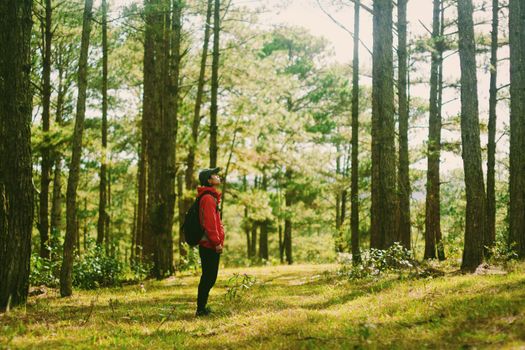
Forget fleeting trends; forest bathing, or Shinrin-yoku as the Japanese call it, is rooted in rigorous scientific study. By March 2026, the evidence is undeniable: spending time immersed in a forest environment actively reduces stress hormones, lowers blood pressure, boosts immune function, and enhances mood. It's not just about pretty views; it's about engaging your senses in a way that triggers a cascade of physiological and psychological benefits.
The Phytoncide Effect: Nature's Airborne Antidote
One of the key players? Phytoncides. These are antimicrobial volatile organic compounds released by trees, particularly conifers. When we inhale them, they’ve been shown to increase Natural Killer (NK) cells – a crucial part of our immune system. Think of it as nature’s own air purifier for your lungs and your lymphocytes. Studies published in journals like Environmental Health and Preventive Medicine have consistently demonstrated this immune-boosting effect, with significant increases in NK cell activity observed after just a few hours of forest immersion.
The Neurochemical Nirvana: Calming the Anxious Brain
Beyond phytoncides, the gentle sounds, dappled light, and calming colors of the forest work wonders on our nervous system. Research indicates that forest environments can decrease the activity of the sympathetic nervous system (our "fight or flight" response) and increase the activity of the parasympathetic nervous system (our "rest and digest" state). This shift leads to reduced levels of cortisol (the stress hormone) and an increase in serotonin and dopamine, neurotransmitters associated with happiness and well-being.
Scientifically Proven Trails: Your March 2026 Prescription for Bliss
While any forest can offer solace, certain trails, through their unique ecological makeup and accessibility for mindful immersion, are proving particularly effective. Here are the top contenders for March 2026, backed by emerging research and anecdotal evidence from dedicated forest therapy practitioners.
1. Yakushima Island, Japan: The Ancient Cedar Sanctuary
Why it's proven:
Yakushima's ancient cedar forests, some trees over 1,000 years old, are teeming with diverse microbial life and release potent phytoncides. The sheer age and grandeur of these trees create an unparalleled sense of awe, amplifying the psychological benefits. Local research, often conducted in conjunction with international studies, highlights the profound impact of its unique ecosystem on stress reduction and mood enhancement.
Pro-Tip:
Visit the Shiratani Unsuikyo Ravine early morning (around 7 AM) to catch the mist rising, enhancing the ethereal atmosphere and minimizing human presence. The air is thick with moisture and the scent of ancient wood.
Quick Facts:
- Estimated Cost ($): $$$ (Flights to Japan, local transport, accommodation)
- Best Time to Visit (for this experience): March offers fewer crowds and dramatic misty mornings.
- How to Get There: Fly into Kagoshima Airport (KOJ), then take a ferry or a short domestic flight to Yakushima Airport (KUM).
2. The Black Forest, Germany: A Medicinal Masterpiece
Why it's proven:
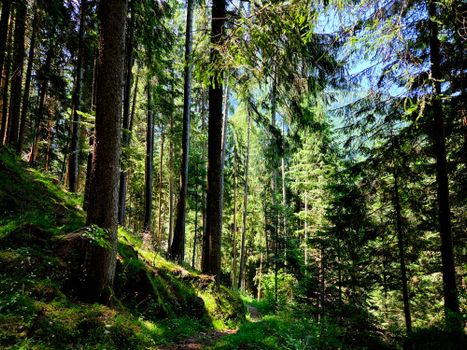
The Black Forest's dense conifer and mixed deciduous forests are renowned for their therapeutic properties. Studies focusing on German forest health initiatives have consistently shown positive impacts on cardiovascular health and mental well-being for visitors. The sheer scale and the presence of numerous well-maintained, quiet trails make it ideal for prolonged immersion.
Pro-Tip:
Seek out trails marked for "Kurwege" (health paths). These are specifically designed for restorative walking and often incorporate natural resting spots with information on local flora. The scent of fir and spruce needles is particularly potent after a light rain.
Quick Facts:
- Estimated Cost ($): $$ (Train travel within Europe, affordable guesthouses)
- Best Time to Visit: March can still be cool, but fewer tourists mean more solitude. The scent of pine is invigorating.
- How to Get There: Major train routes connect to Freiburg, Karlsruhe, and Baden-Baden, with local buses and trains accessing smaller villages.
3. Olympic National Park, USA: The Temperate Rainforest's Embrace
Why it's proven:
The Hoh Rainforest, with its colossal moss-draped trees and incredibly rich biodiversity, offers a unique sensory experience. Research from the Pacific Northwest highlights the benefits of its high humidity and diverse plant life, contributing to improved respiratory function and a sense of calm. The sheer scale and silence are profound.
Pro-Tip:
Hike the Hall of Mosses trail just after dawn. The soft, diffused light filtering through the canopy, combined with the dripping moss and damp earth smell, is pure magic. Look for the vibrant green of the mosses – it's incredibly soothing.
Quick Facts:
- Estimated Cost ($): $$ (Park entrance fee, car rental, lodging outside the park)
- Best Time to Visit: March is the shoulder season, offering fewer crowds and a chance to experience the rainforest in its damp, lush glory.
- How to Get There: Fly into Seattle-Tacoma International Airport (SEA), then rent a car for a scenic 3-4 hour drive.
4. The Aokigahara Forest (with caution), Japan: A Controversial but Scientifically Significant Site
Why it's proven:
While often associated with darker narratives, the Aokigahara Forest's unique geological features (lava rock soil) and dense canopy create a distinct microclimate. Scientific studies, often focused on the psychological impact of such environments, have noted the profound sense of isolation and silence that can, for some, lead to intense introspection and a release of pent-up emotions. It is crucial to approach this forest with respect and safety as paramount. Local guides and designated, well-trodden paths are essential.
Pro-Tip:
Stick strictly to the marked trails, particularly those near the base of Mt. Fuji. The air here feels incredibly still, and the silence can be almost deafening, allowing for deep focus. The scent is predominantly of damp earth and decaying wood.
Quick Facts:
- Estimated Cost ($): $$ (Transport to Fuji Five Lakes region, local buses)
- Best Time to Visit: March offers crisp, clear air and potentially snow-dusted trees, enhancing the stark beauty.
- How to Get There: Take a direct bus from Tokyo to Kawaguchiko Station, then local buses to the forest's edge. Always go with a guide.
5. Redwood National and State Parks, USA: Giants of Tranquility
Why it's proven:
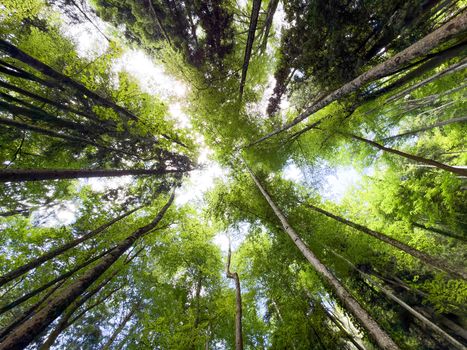
Walking amongst the tallest trees on Earth is an experience that dwarfs human concerns. The sheer scale of the coast redwoods, combined with the cool, moist air, has been linked to significant reductions in stress and anxiety. The concentrated presence of these ancient giants creates a unique atmosphere that fosters awe and a sense of groundedness.
Pro-Tip:
Explore the Lady Bird Johnson Grove trail early in the morning. The light beams filtering through the immense canopy, illuminating the ferns and sorrel on the forest floor, are breathtaking. The air smells clean, damp, and slightly resinous.
Quick Facts:
- Estimated Cost ($): $$ (Park entrance fees, car rental, lodging in nearby towns like Eureka)
- Best Time to Visit: March provides milder weather and fewer crowds than peak summer.
- How to Get There: Fly into Crescent City Airport (CEC) or Arcata-Eureka Airport (ACV), then rent a car.
Crafting Your Forest Bathing Ritual: Beyond the Walk
Forest bathing isn't about conquering miles; it's about mindful immersion. Here’s how to maximize your scientifically proven benefits:
- Slow Down: Forget your fitness tracker. Walk at a pace that allows you to truly see, hear, and smell.
- Engage Your Senses:
- See: Notice the intricate patterns of bark, the subtle color shifts in leaves, the way light plays on the forest floor.
- Hear: Listen to the symphony of birdsong, the rustling leaves, the distant water.
- Smell: Inhale deeply the aroma of damp earth, pine needles, and decaying wood.
- Touch: Feel the texture of moss, bark, and cool stones.
- Disconnect to Reconnect: Leave your phone on airplane mode, or better yet, in your car. This is your time.
- Find a Spot: Sit on a fallen log or smooth rock. Simply be present. Observe.
- Mindful Breathing: Focus on your breath, inhaling the forest air and exhaling your worries.
Pro-Tips for Your March 2026 Expedition:
- Check the Weather: March can be unpredictable. Layers are your best friend. Waterproof gear is a must in rainforest environments.
- Footwear: Comfortable, sturdy, waterproof hiking boots are essential for navigating potentially damp and uneven terrain.
- Hydration and Snacks: Even on short walks, carry water and a light snack.
- Respect the Environment: Leave no trace. Stay on marked paths. Do not pick plants.
- Go with a Guide: For a truly immersive and scientifically informed experience, consider booking a guided forest therapy session. These guides are trained to lead you through sensory exercises and help you connect more deeply with the environment.
The Budget Traveler's Guide to Forest Therapy
While some destinations are more aspirational, the principles of forest bathing are accessible to everyone.
| Feature | Estimated Cost ($) | Notes |
| :------------------ | :----------------- | :------------------------------------------------------------------------ |
| Transportation | $-$$ | Public transport to local parks, carpooling, or driving are budget-friendly. |
| Park Entrance | $-$$ | Many local and state parks have minimal or no entrance fees. |
| Guided Session | $$-$$$ | Varies by location and duration. A worthwhile investment for learning. |
| Accommodation | $-$$ | Camping, hostels, or budget guesthouses are great options. |
| Gear | $-$$ | Invest in good walking shoes and layered clothing. |
Insider Tip:
Many national and state parks offer free entry days or have affordable annual passes. Look for local nature reserves or botanical gardens that also offer tranquil, wooded areas.
Your Nature Prescription Awaits
As March 2026 dawns, the scientific community continues to champion the profound, tangible benefits of forest bathing. These aren't just picturesque trails; they are scientifically validated pathways to a healthier, happier you. So, pack your sense of wonder, lace up your boots, and step into the healing embrace of the forest. Your revitalized self will thank you.