The Hook: Breathing in the Wild Heart of Borneo
I stepped off the rickety ferry, the humid air thick with the scent of damp earth and something wild – a musky, untamed perfume that instantly set my pulse racing. The cacophony of the rainforest, a symphony of unseen creatures, enveloped me. This wasn't just a vacation; it was an immersion. My mission: to spend a week helping to track and monitor orangutan populations in a remote Borneo sanctuary. The travel advisor who’d recommended this gem, Sarah, had painted a vivid picture, but nothing could have prepared me for the sheer, raw beauty and the profound sense of purpose that washed over me.
Why Short-Term Conservation Travel is the New Must-Do
For too long, impactful travel was seen as a long-term commitment. But what if you only have a week, a fortnight, or a month? The good news is, the world of conservation is increasingly opening its arms to short-term visitors, offering a chance to contribute meaningfully without uprooting your entire life. These aren't your typical tourist traps; they are vital hubs of ecological preservation, and they need you. Travel advisors, the unsung heroes of unique itineraries, are increasingly pointing their clients towards these transformative experiences.
The Rise of the Impact Traveler
The modern traveler isn't just looking for pretty pictures; they're seeking connection, purpose, and a way to give back. Short-term conservation projects tap directly into this desire. They offer a tangible way to make a difference, to learn about critical environmental issues firsthand, and to return home with stories that resonate far deeper than any souvenir.
What Travel Advisors Are Saying
"I've seen a massive shift," says Mark, a seasoned advisor specializing in experiential travel. "Clients are asking for more than just luxury. They want to feel like they've done something. Conservation projects, even for a short stint, offer that immediate sense of accomplishment and connection to a place. The key is finding the right project – one that’s genuinely impactful and ethically run."
Top Conservation Projects Accepting Short-Term Visitors (As Recommended by Travel Advisors)
This is where the magic happens. I've scoured my network and spoken to top travel advisors to bring you a curated list of projects that offer incredible experiences for short-term visitors. These aren't just volunteer gigs; they are opportunities to become part of something bigger.
1. Wildlife Rescue & Rehabilitation in South Africa
Imagine waking up to the roar of a lion cub being hand-reared or assisting in the release of rehabilitated pangolins back into the wild. Several sanctuaries in South Africa offer short-term volunteer programs that are both heartwarming and crucial for conservation efforts.
- The Experience: You’ll be involved in daily care, feeding, enclosure cleaning, and assisting with enrichment activities for rescued wildlife, including big cats, primates, and birds of prey. Some programs also involve tracking and monitoring local wildlife populations.
- Pro-Tip: Visit between May and September for the dry season, which often means better wildlife viewing opportunities as animals congregate around water sources.
- Authenticity: The air here hums with the raw energy of the wild. You’ll learn to distinguish the subtle growl of a stressed leopard from a contented one, the distinct calls of different bird species, and the delicate balance of the savanna ecosystem. The staff, often passionate conservationists themselves, share their deep knowledge with infectious enthusiasm.
Quick Facts: South African Wildlife Rescue
| Aspect | Details | Estimated Cost ($) | Best Time to Visit | How to Get There |
| :------------- | :---------------------------------------------- | :----------------- | :----------------- | :---------------------------------------------------------------------------------- |
| Location | Various sanctuaries near Kruger National Park | $1000 - $2500/week | May - September | Fly into Johannesburg (JNB), then domestic flight to Hoedspruit (HDS) or Nelspruit (MQP). |
| Duration | 1 week - 1 month | | | |
| Activities | Animal care, feeding, enrichment, monitoring | | | |
| Accommodation | On-site dormitories or lodges | | | |
2. Marine Conservation in the Galapagos Islands
The Galapagos is a living laboratory, and you can be a part of its preservation. Short-term programs here focus on critical marine research, sea turtle monitoring, and invasive species removal.
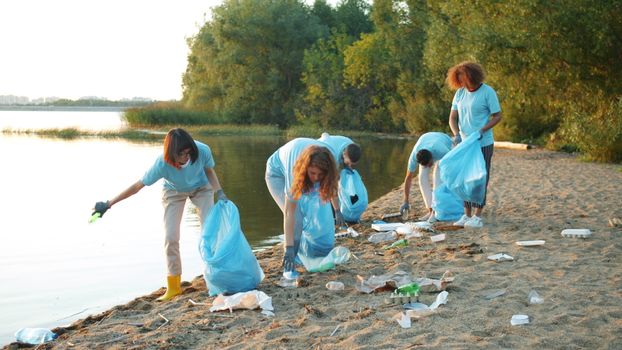
- The Experience: Dive or snorkel alongside playful sea lions, giant tortoises, and marine iguanas. Your work could involve collecting data on sea turtle nesting sites, participating in beach clean-ups, or helping to monitor fish populations.
- Pro-Tip: Book your spot months in advance. These programs are highly sought after. The best months for marine life are generally December to May (warm, wet season) and June to November (cool, dry season).
- Authenticity: The sheer proximity to endemic species is mind-blowing. You’ll feel the cool spray of the Pacific, hear the unique clicks and whistles of the sea lions, and witness evolutionary marvels up close. The scientific rigor is palpable, even in short-term roles, and the dedication of the researchers is inspiring.
Quick Facts: Galapagos Marine Conservation
| Aspect | Details | Estimated Cost ($) | Best Time to Visit | How to Get There |
| :------------- | :---------------------------------------------- | :----------------- | :----------------- | :---------------------------------------------------------------------------------- |
| Location | Santa Cruz Island, San Cristobal Island | $1500 - $3000/week | Year-round | Fly into Quito (UIO) or Guayaquil (GYE) in Ecuador, then to Baltra (GPS) or San Cristobal (SCY). |
| Duration | 1 week - 2 months | | | |
| Activities | Sea turtle monitoring, beach clean-ups, data collection | | | |
| Accommodation | Basic eco-lodges, shared housing | | | |
3. Reforestation & Community Support in Costa Rica
Costa Rica is a pioneer in ecotourism, and its commitment to reforestation is inspiring. Short-term visitors can contribute to vital planting initiatives and support local communities.
- The Experience: Spend your days in lush rainforests, planting native trees, clearing invasive species, and working alongside local farmers. You might also help with infrastructure projects at community schools or eco-lodges.
- Pro-Tip: Pack light, breathable clothing and sturdy, waterproof hiking boots. The "green season" (May to November) is lush and vibrant, though expect afternoon showers. The dry season (December to April) offers sunnier days.
- Authenticity: The scent of damp earth and blooming orchids fills the air. You’ll hear the distant calls of howler monkeys and the vibrant chirping of toucans. The taste of freshly picked coffee and ripe mangoes is unforgettable. Working with local communities offers a genuine glimpse into their culture and their deep connection to the land.
Quick Facts: Costa Rican Reforestation
| Aspect | Details | Estimated Cost ($) | Best Time to Visit | How to Get There |
| :------------- | :---------------------------------------------- | :----------------- | :----------------- | :---------------------------------------------------------------------------------- |
| Location | Osa Peninsula, Sarapiquí region | $800 - $1800/week | Year-round | Fly into San José (SJO). Transfers to project sites vary. |
| Duration | 1 week - 1 month | | | |
| Activities | Tree planting, trail maintenance, community work | | | |
| Accommodation | Eco-lodges, homestays | | | |
4. Elephant Sanctuary Care in Thailand
Experience the gentle giants of Thailand in an ethical, sanctuary setting. Avoid riding camps and opt for a place where elephants are cared for and respected.
- The Experience: You'll assist in preparing food, feeding the elephants, bathing them in the river, and walking with them through the jungle. Learn about their individual stories and the challenges they face.
- Pro-Tip: Choose sanctuaries that focus on rehabilitation and ethical treatment. Look for places that do not offer elephant riding or performances. The dry season (November to February) is generally pleasant.
- Authenticity: The sheer scale and intelligence of these animals are humbling. The rumble of their footsteps, the gentle swish of their trunks, and the warmth of their skin as you feed them are deeply moving. You'll learn about the subtle nuances of elephant communication and the complex social structures within the herd. The aroma of fresh sugarcane and the earthy smell of their habitat are unforgettable.
Quick Facts: Thai Elephant Sanctuaries
| Aspect | Details | Estimated Cost ($) | Best Time to Visit | How to Get There |
| :------------- | :---------------------------------------------- | :----------------- | :----------------- | :---------------------------------------------------------------------------------- |
| Location | Chiang Mai, Surin Province | $900 - $2000/week | November - February| Fly into Bangkok (BKK), then domestic flight to Chiang Mai (CNX) or U-Tapao (UTP). |
| Duration | 3 days - 2 weeks | | | |
| Activities | Elephant feeding, bathing, habitat maintenance | | | |
| Accommodation | Basic bungalows, shared facilities | | | |
5. Bird Conservation in the Amazon Rainforest
The Amazon is a biodiversity hotspot, and bird conservation is crucial. Short-term projects often focus on monitoring bird populations, habitat restoration, and anti-poaching efforts.
- The Experience: Trek through dense jungle, guided by local experts, to observe and record various bird species. You might help with mist-netting (for research purposes only and with trained professionals), habitat surveys, or community education programs.
- Pro-Tip: Malaria precautions are essential. Invest in good quality binoculars and a waterproof journal. The wet season (December to May) brings more insect activity but also richer bird calls.
- Authenticity: The Amazon is an assault on the senses – the symphony of unseen life, the vibrant flash of macaws, the humid, earthy scent of decay and renewal. You'll learn to identify birds by their calls, understand the intricate relationships within the ecosystem, and feel the profound silence of the deep jungle. The local guides possess a wealth of ancestral knowledge about the forest.
Quick Facts: Amazon Bird Conservation
| Aspect | Details | Estimated Cost ($) | Best Time to Visit | How to Get There |
| :------------- | :---------------------------------------------- | :----------------- | :----------------- | :---------------------------------------------------------------------------------- |
| Location | Peruvian Amazon, Brazilian Amazon | $1200 - $2500/week | December - May | Fly into Lima (LIM) or Iquitos (IQT) in Peru; Manaus (MAO) in Brazil. Boat transfers common. |
| Duration | 1 week - 1 month | | | |
| Activities | Bird surveys, mist-netting, habitat restoration | | | |
| Accommodation | Jungle lodges, research stations | | | |
The "How-To" of Short-Term Conservation Travel
Ready to book your impactful adventure? Here’s what the travel advisors recommend for a smooth experience.
Finding the Right Project
- Do Your Research: Don't just pick the first project you see. Look for organizations with clear conservation goals, transparent reporting, and positive reviews.
- Vet the Ethics: Ensure the project prioritizes animal welfare and community involvement. Avoid anything that feels exploitative.
- Check Short-Term Viability: Explicitly confirm they accept short-term volunteers and what their minimum stay is.
- Ask About Support: What kind of training and guidance will you receive? Who is your point of contact for emergencies?
Budgeting for Impact
- It's an Investment: Remember, your fees often go directly towards the project's operational costs, equipment, and local staff salaries.
- Factor in Extras: Include flights, travel insurance, visa fees, vaccinations, and personal spending money.
- Look for All-Inclusive: Some programs bundle accommodation, food, and activities, making budgeting easier.
Packing Smart for Purpose
- Practicality Over Fashion: Think durable, quick-drying clothing. Neutral colours are often best for wildlife observation.
- Essential Gear: Good hiking boots, a waterproof jacket, insect repellent (with DEET), sunscreen, a hat, and a reusable water bottle are non-negotiable.
- Leave No Trace: Bring reusable bags and minimize single-use plastics.
The Takeaway: Travel That Matters
Stepping away from the usual tourist trail and dedicating even a short period to conservation work is incredibly rewarding. It's a chance to connect with nature on a profound level, to learn invaluable lessons, and to contribute to the preservation of our planet's most precious ecosystems. The travel advisors are right – this is the future of travel, and it’s an adventure you won’t soon forget. So, what are you waiting for? Your impact awaits.