1. The Hook: The Snap of a Chanterelle
I stepped off the local train in the Pacific Northwest, the air thick with the scent of damp Douglas fir and decomposing cedar—the specific, intoxicating perfume of "mushroom weather." My guide, a third-generation woodsman named Silas who smelled faintly of woodsmoke and pine resin, didn't offer a handshake. Instead, he handed me a woven basket and a curved brass knife.
"Listen," he whispered, pointing to a patch of moss that looked undisturbed to my untrained eyes. "The earth doesn't give up its secrets to those who rush."
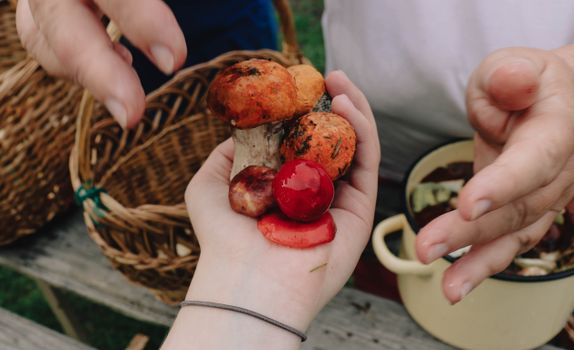
I knelt, brushed back a layer of golden needles, and there it was: a Pacific Golden Chanterelle, glowing like a lost doubloon against the dark soil. As I sliced the stem—feeling that characteristic "clean snap"—I realized that I wasn't just a tourist anymore. I was a participant in an ancient rhythm. This isn't just travel; it’s a re-wilding of the soul.
2. The Rise of the "Wild Pantry"
Foraging isn't new, but the way we’re doing it this year is. We’ve moved past the "survivalist" trope and into a sophisticated era of culinary exploration. Travelers are ditching Michelin-starred dining rooms for the muddy riverbanks and salty tide pools where those ingredients actually originate.
The foraging experiences with local experts emerging this year focus on three pillars: sustainability, indigenous sovereignty, and hyper-seasonal flavor profiles. Here are the definitive circuits you need to book before the secret gets out.
3. The "Black Gold" of Istria, Croatia
While Alba gets the fame, the Motovun Forest in Croatia is where the real truffle magic is happening this year. Local families like the Karlićs have turned truffle hunting into an art form that balances high-end hospitality with raw, muddy reality.
- The Experience: You’ll follow specially trained Lagotto Romagnolo dogs through dense oak forests. When they start digging frantically, you’re the one who gets to unearth the tuber.
- The Flavor: Intense, earthy, and slightly garlicky.
- Pro-Tip: Skip the summer whites. The Tuber magnatum pico (white truffle) season peaks in October and November. This is when the aroma is potent enough to stop you in your tracks.
- Insider Detail: Look for the "Tartufo Vero" sign on local konobas (taverns). It guarantees the truffles served are local, not imported oils.
4. Seaweed and "Sea Truffles" on the Wild Atlantic Way, Ireland
On the rugged coast of County Clare, the "emerging" trend isn't on land—it’s in the intertidal zone. Expert foragers like Prannie Rhatigan are leading deep dives into the nutritional and culinary powerhouse of the North Atlantic.
- The Experience: Wading through rock pools at low tide to find Pepper Dulse, often called the "truffle of the sea" for its spicy, umami-rich profile.
- The Flavor: Briny, peppery, and unexpectedly complex.
- Pro-Tip: Check the lunar calendar. The best foraging happens during "Spring Tides" (the biggest tides of the month), which expose the rarest deep-water kelps.
- The Hidden Entrance: Most tours meet at the Lahinch promenade, but the best spots are tucked behind the limestone pavements of the Burren, accessible only via unmarked gravel tracks.
5. Indigenous Knowledge in the Sonoran Desert, Arizona
This year sees a massive surge in Indigenous-led tourism. In the Southwest US, members of the Tohono O’odham nation are opening up experiences centered around the Saguaro fruit harvest and the "Desert Superfoods."
- The Experience: Using long harvesting poles (kuipad) made from cactus ribs to knock down the crimson fruit of the Saguaro.
- The Flavor: The syrup made from these fruits tastes like a smoky, concentrated strawberry.
- Pro-Tip: Visit in late June. Yes, it’s hot (100°F+), but it’s the only time the Saguaro fruit ripens. It’s a spiritual event as much as a culinary one.
- Authenticity Note: This isn't just "picking fruit." It’s a ceremony. You’ll learn about the Bahidaj harvest and the traditional songs used to "pull down the clouds" for rain.
6. The Urban Wild: Berlin’s Clandestine Orchards
Who says you need a forest? Berlin has emerged as the global capital of urban foraging. The city’s history of "allotment gardens" and vast parklands has created a wild edible playground.
- The Experience: Biking through Tempelhofer Feld or the thickets of Tiergarten with an urban herbalist to find wild garlic (Bärlauch), elderflower, and even hop shoots.
- The Flavor: Sharp, green, and incredibly fresh.
- Pro-Tip: The best wild garlic grows near the Panke River in Wedding. Visit at 7 AM to beat the local "market foragers" who supply the city’s high-end bistros.
- Insider Language: Ask your guide about "Mundraub"—a German term meaning "theft of food for immediate consumption." There’s an entire digital map dedicated to public fruit trees.
7. Alpine Bitter Greens in the Italian Dolomites
In the high-altitude meadows of South Tyrol, foraging is a way of life that predates the ski resorts. Local experts are now leading "Bitter Hikes" to find medicinal herbs and wild radicchio.
- The Experience: High-altitude trekking to find Schupfen (small hay huts) where you can dry wild Arnica and Yarrow.
- The Flavor: Intensely bitter and floral—the base of the region’s famous digestifs.
- Pro-Tip: The hidden entrance to the best foraging valley is behind the blue door of the Gasthof in San Vigilio; the owner holds the keys to the private alpine paths.
---
8. Quick Facts: Logistics & Budget
| Location | Best Time | Estimated Cost (USD) | How to Get There |
| :--- | :--- | :--- | :--- |
| Istria, Croatia | Oct - Dec | $120 - $250 | Fly to Pula; rent a car for the 45-min drive to Motovun. |
| County Clare, Ireland | April - Sept | $80 - $150 | Bus from Galway to Lahinch; local taxi to the shore. |
| Sonoran Desert, AZ | June - July | $100 - $200 | Fly to Tucson; 1-hour drive to Saguaro National Park. |
| Berlin, Germany | April - June | $50 - $90 | S-Bahn to Tiergarten or Wedding; bring a bike. |
| Dolomites, Italy | May - July | $150 - $300 | Train to Bolzano; local bus to Val Badia. |
---
9. The Ethics of the Harvest (Don't Be a "Plant Pirate")
Before you head out, remember the 1-in-20 rule: only harvest an item if you can see at least twenty others around it. Local experts aren't just there to show you where the food is; they are the stewards of the land.
- Sustainability: Never take the root unless specified.
- Safety: If you aren't 100% sure, don't eat it. In the world of mycology, there are "Old foragers and Bold foragers, but no Old, Bold foragers."
- Gear: Invest in a pair of Muck Boots and a high-quality Opinel No.08 mushroom knife. Showing up with the right gear signals to your local expert that you’re serious.
10. Conclusion: Why This Matters Now
We live in a world of barcodes and plastic-wrapped produce. Engaging in foraging experiences with local experts emerging this year is an act of rebellion. It’s a way to reclaim your place in the ecosystem. When you taste a wild leek that you pulled from the earth yourself, you aren't just eating; you’re remembering something your ancestors knew by heart.
Pack your boots. The wild is calling, and it's delicious.
---