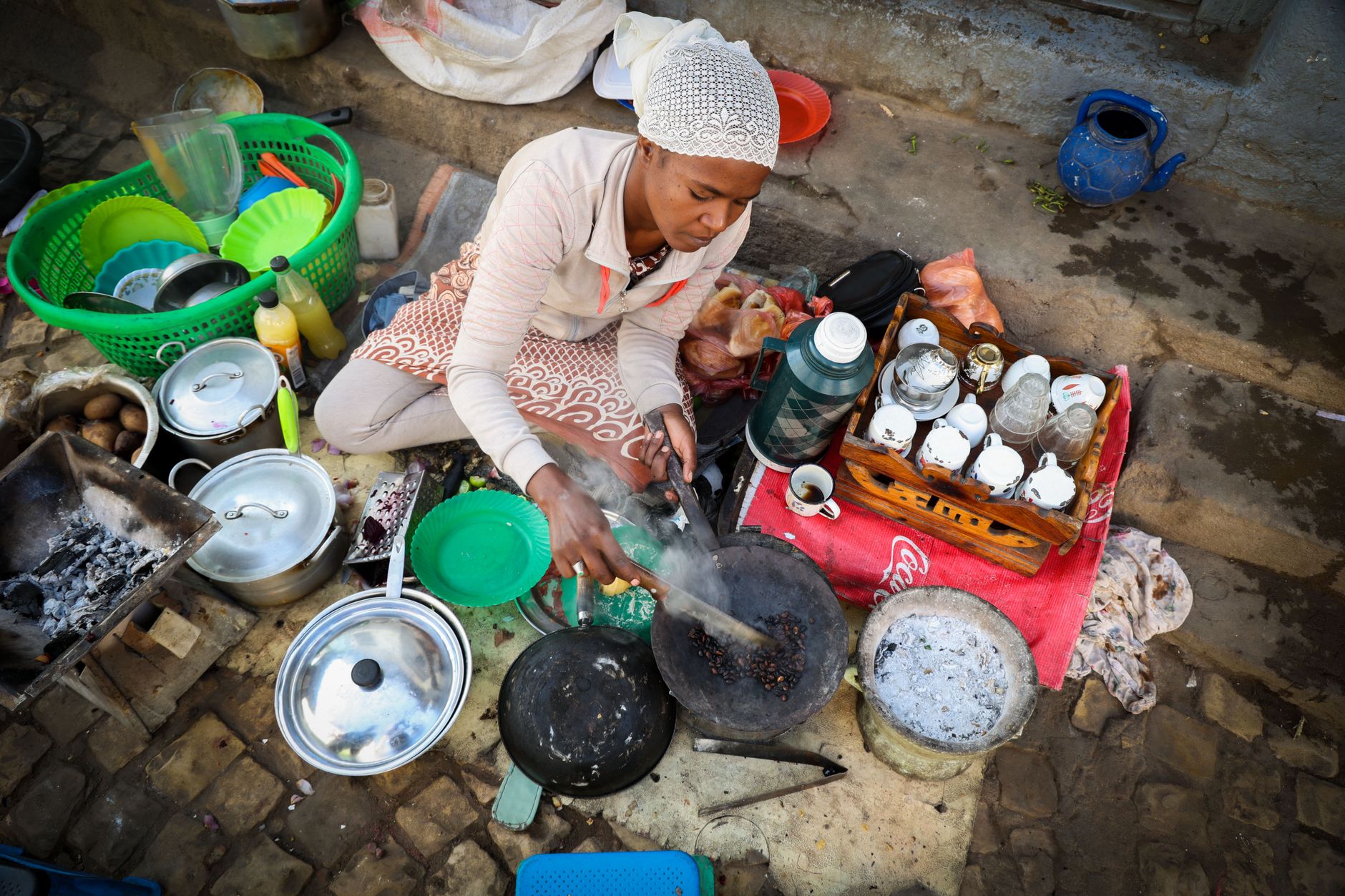
My palate, for years, was a well-guarded fortress. I thought I knew what "good food" was. I’d navigated bustling street food markets, dined in Michelin-starred establishments, and even attempted my fair share of exotic ingredients at home. I was, in my humble opinion, a seasoned foodie. Then, a few years ago, somewhere between a smoky Ethiopian coffee hut and a windswept Peruvian coastline, my fortress walls crumbled.
It wasn't just about tasting something new; it was about experiencing food in a way that fundamentally altered my understanding of culture, community, and the very essence of flavor. These weren't just meals; they were revelations. And the best part? While some are gaining quiet whispers of fame, they haven't yet exploded onto the global mainstream, meaning you can still experience them in their purest, most authentic forms.
Tripsora readers, get ready. This isn't just a list of delicious dishes; it's an invitation to a culinary awakening. These are the foods that will completely change your perspective – before they become mainstream.
1. The Ritual of Buna & Cascarra: Ethiopia's Soulful Brew
Perspective Shift:
Coffee isn't just a drink; it's a sacred, communal ritual, and its fruit is a delicious secret.
I remember my first Ethiopian coffee ceremony in a small, unassuming buna bet (coffee house) in Addis Ababa. The air was thick with the scent of frankincense and freshly roasted beans. A woman, dressed in traditional white cotton, meticulously washed green coffee beans, then roasted them over a charcoal brazier right before my eyes. The crackling beans, the rising smoke, the earthy aroma – it wasn't just coffee, it was theater, a sensory symphony.
The resulting brew, served in tiny, handle-less cups called si'ni, was unlike anything I’d ever tasted. Rich, full-bodied, with complex notes I couldn’t quite place, served without milk or sugar, allowing its true character to shine. This wasn't a grab-and-go caffeine fix; it was a slow, deliberate act of hospitality and connection, often lasting an hour or more through three rounds of pouring. Each sip was a lesson in patience and presence.
But the real game-changer came later, when a local friend introduced me to cascarra, or bunna qishr as they call it. While many coffee-producing nations discard the fruit of the coffee cherry, in Ethiopia, it's dried and brewed into a surprisingly refreshing, naturally sweet, and often spiced tea. Imagine a delicate, fruity infusion with hints of hibiscus, rosehip, and a subtle coffee undertone. It’s light, vibrant, and utterly delicious – a stark contrast to the robust coffee itself. Sipping cascarra on a warm afternoon in a bustling market, I realized how much of the coffee plant's potential the Western world overlooks, focusing solely on the bean.
Your Actionable Tip:
When in Ethiopia, always accept an invitation to a coffee ceremony. Look for local buna bets rather than tourist traps. Don't be afraid to ask for bunna qishr – it’s often a local’s secret. In Addis Ababa, places like Tomoca Coffee offer a more commercial but still authentic experience, but for the true magic, venture into the neighborhoods. Expect to pay around 100-200 ETB for a full ceremony experience in a local spot. It's not just a beverage; it's a cultural immersion.
2. Nikkei's Delicate Dance: Peru's Culinary Masterpiece
Perspective Shift:
Fusion isn't always gimmicky; it can be a seamless, elevated art form that creates entirely new flavor profiles.
Before my trip to Peru, I was skeptical of "fusion cuisine." It often felt forced, a mishmash of ingredients that didn't quite belong. Then I encountered Nikkei cuisine in Lima, and my culinary world was irrevocably expanded. Nikkei is the exquisite culinary marriage between Japanese techniques and Peruvian ingredients, born from Japanese immigration to Peru in the late 19th century. It’s not just "sushi in Peru"; it's a distinct, sophisticated cuisine that stands on its own.
The dish that truly blew my mind was Tiradito Acevichado. Imagine paper-thin slices of fresh, translucent white fish (like snapper or sole), fanned out beautifully on a plate. Instead of being "cooked" in lime juice like traditional ceviche, it's dressed à la minute with a vibrant, creamy sauce. This sauce is where the magic happens: a blend of Peruvian aji amarillo (yellow chili), lime juice, soy sauce, and a touch of sesame oil. The result is an explosion of umami, citrus, and a gentle, lingering heat that dances on your tongue. The texture is silken, the flavors complex yet harmonious, a testament to centuries of cultural exchange.
I tasted it at a small, unassuming cevicheria in the Barranco district – not one of the famous, high-end Nikkei restaurants like Maido or Central (though those are incredible too, if your budget allows for a splurge, expect to pay upwards of $200 USD per person for a tasting menu). This local spot, El Muelle, served a Tiradito Acevichado for about 40-50 soles ($10-13 USD) that was nothing short of perfection. The freshness of the Pacific catch, combined with the bold Peruvian chilies and the subtle Japanese soy, created a flavor profile I had never conceived. It wasn't fusion; it was an evolution.
Your Actionable Tip:
Don't just look for ceviche in Peru, actively seek out Nikkei restaurants. Start with Tiradito, but also explore dishes like pulpo al olivo (octopus in olive sauce) or niguiri acevichado. Ask locals for their favorite Nikkei spots – sometimes the best discoveries are found off the main tourist path. Be open to how different cultures can elevate each other's culinary traditions.
3. Khachapuri Adjaruli: Georgia's Cheesy Embrace
Perspective Shift:
Comfort food can be a theatrical, communal event that warms your soul and your stomach.
Before Georgia, my idea of comfort food revolved around mac and cheese or a hearty stew. Then I arrived in Tbilisi and met Khachapuri Adjaruli. This isn't just bread and cheese; it's a glorious, boat-shaped vessel of pure joy, filled to the brim with molten cheese, topped with a runny egg yolk and a generous pat of butter. It’s Instagram-worthy before you even take a bite, but the real magic begins when you do.
The first time I ordered one, at a bustling restaurant called "Pasanauri" near Freedom Square (expect to pay around 15-25 GEL, or $5-8 USD, depending on size), the waiter instructed me: "Mix! Mix it all together!" I plunged my fork into the golden yolk, swirling it into the bubbling mix of Sulguni and Imeretian cheeses, melting butter, and the fluffy bread. Then, using the crust as a spoon, I scooped up the gooey, rich concoction. It was warm, savory, slightly tangy, and incredibly satisfying. Every bite was an affirmation of life, a communal experience even if I was eating it alone, as everyone in the restaurant seemed to be sharing their own cheesy boats with gusto.
What makes Khachapuri Adjaruli so special isn't just the incredible taste, but the entire experience. It’s often served as a centerpiece, meant to be shared, torn apart, and devoured with friends over lively conversation and endless toasts (if you’re lucky enough to be at a Supra, a traditional Georgian feast). It embodies Georgian hospitality and their love for rich, comforting flavors. It taught me that comfort food isn't just about personal indulgence; it's about shared warmth and simple, profound happiness.
Your Actionable Tip:
When in Georgia, you must try Khachapuri Adjaruli. Don’t be shy – get your hands dirty, mix everything together, and enjoy the delicious mess. Look for bakeries or traditional Georgian restaurants that have a visible tone (a traditional clay oven), as the bread will have that perfect char and chew. And if you're feeling adventurous, try different types of Khachapuri too, like the round Imeruli or the layered Penovani.
4. The Symphony of Mole Negro: Oaxaca's Culinary Masterpiece
Perspective Shift:
A sauce can be a culinary masterpiece, a historical narrative, and the heart of a culture.
"Mole is just chocolate sauce, right?" I foolishly thought before visiting Oaxaca, Mexico. Oh, how wrong I was. Oaxaca is known as "The Land of Seven Moles," and Mole Negro is its undisputed king, a sauce so complex and profound it completely redefined my understanding of what a "sauce" could be.
My first encounter with Mole Negro was at a small, family-run fonda in Oaxaca City, just a few blocks from the Templo de Santo Domingo. It was served over tender chicken, accompanied by fluffy rice and warm tortillas. The color was an almost-black, deep mahogany, glistening with a slight sheen. The aroma was intoxicating – a blend of smoke, earth, subtle sweetness, and an underlying spice. Taking that first bite was like listening to an orchestra. There were layers upon layers of flavor: the smokiness of charred chilies (chilhuacle, pasilla, mulato, ancho), the richness of nuts and seeds (almonds, peanuts, sesame), the sweetness of plantains and raisins, the bitterness of Mexican chocolate, and a medley of spices like cinnamon, cloves, and anise. It was savory, sweet, spicy, earthy, and utterly balanced – a true symphony for the senses.
I later took a cooking class at a local market, learning that a single Mole Negro can contain over 30 ingredients and take days to prepare, often passed down through generations. It's not just a recipe; it's a family legacy, a celebration of indigenous ingredients, and a testament to slow food. It taught me that a sauce isn't merely an accompaniment; it can be the main event, a living history, and the very soul of a dish. Forget the simplified versions you find abroad; true Oaxacan Mole Negro is a journey into Mexico's culinary heart. Expect to pay around 150-250 MXN ($8-13 USD) for a traditional mole dish in a good local restaurant.
Your Actionable Tip:
In Oaxaca, don't just order Mole Negro; seek out places that specialize in it or even consider a cooking class. Visit the bustling Mercado Benito Juárez or Mercado 20 de Noviembre to see the incredible array of ingredients that go into making mole. Talk to the vendors, sample different types. Each family, each region, has its own unique mole, and exploring them is a true adventure.
5. Foraging the Nordic Wild: Finland's Untamed Flavors
Perspective Shift:
Food can be found, not just bought, connecting you deeply to the land and its seasons.
My perspective on food was largely confined to grocery stores and restaurants. Then I spent a summer in Finnish Lapland, and my eyes were opened to the incredible bounty of the wild. Thanks to Finland's "Everyman's Rights" (Jokamiehen oikeudet), anyone can forage for wild berries, mushrooms, and plants on public land, regardless of ownership. This isn't just a right; it's a deeply ingrained cultural practice.
I joined a local guide for a walk through a pristine forest. Within minutes, we were surrounded by nature's pantry. We picked plump, tart lingonberries, bursting with flavor, and sweet, fragile blueberries. But the true revelation came with the cloudberries – golden, jewel-like berries that grow in marshy areas, with a unique sweet-tart flavor that’s hard to describe, almost like a floral apricot. They're rare, prized, and absolutely exquisite. We also gathered young spruce tips, the bright green new growth from spruce trees, which, when brewed into a tea or infused into syrup, offer a wonderfully fresh, piney, citrusy flavor that's both invigorating and surprisingly delicious.
Later, we found chanterelle mushrooms, their earthy aroma filling the air. This experience wasn't just about gathering food; it was about understanding the seasons, respecting nature, and appreciating the ephemeral gifts of the forest. The food tasted different because I had participated in its journey from the earth to my plate. It was free, fresh, and imbued with a sense of connection that no supermarket aisle could ever replicate. It taught me that the most profound flavors often come directly from the land, unadulterated and pure.
Your Actionable Tip:
If you visit Finland (especially during summer or early autumn), embrace the foraging culture. Learn to identify a few common, safe-to-eat berries (blueberries, lingonberries, cloudberries) and mushrooms. Consider joining a guided foraging tour, particularly in Lapland or the Lakeland region, to learn from experts. Respect nature, only take what you need, and never eat anything you can't positively identify. This is an experience that costs nothing but offers priceless rewards in flavor and connection.
---
My culinary fortress may be gone, but in its place, a boundless curiosity has bloomed. These five experiences are just a tiny glimpse into the vast, unexplored culinary landscape waiting for you. They’ve taught me that the most impactful flavors aren't always found in the trendiest restaurants or the most exotic ingredients, but often in the traditions, the rituals, and the deep connections between people, place, and plate.
So, Tripsora explorers, what's your next culinary adventure? Are you ready to step beyond the familiar and truly change your perspective on food? Go forth, explore, taste, and tell us your own discoveries! The world is waiting to surprise your palate.