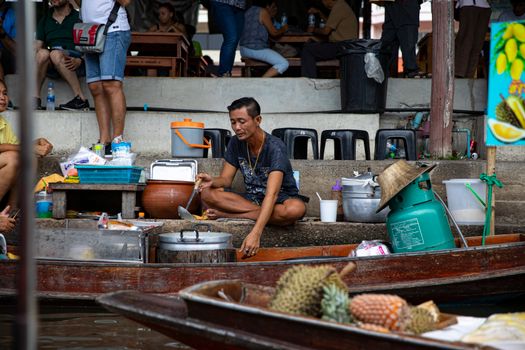
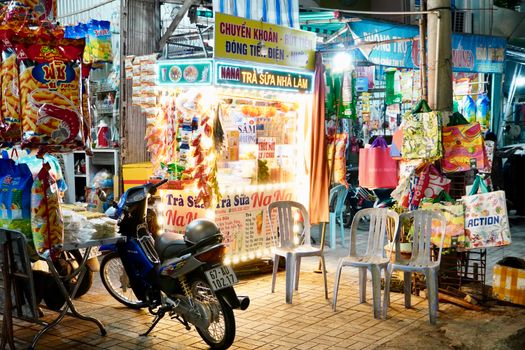
I stepped off the overnight train, the air thick with the promise of something delicious. Not the frenetic, overwhelming hum of a thousand hawkers battling for attention, but a more nuanced symphony: the gentle sizzle of charcoal, the rhythmic chop of a cleaver, the murmur of local chatter. This wasn't Bangkok. And thank goodness for that. For years, I, like many of you, chased the mythical street food paradise of Bangkok, only to find myself jostling for a plate of Pad See Ew. But recent data and a relentless curiosity have led me down a different, infinitely more rewarding path. This is the guide to the food markets that are truly better than Bangkok, offering an authentic, unhurried culinary adventure.
The Illusion of Bangkok: A Crowded Canvas
Bangkok’s food markets are legendary, and for good reason. The sheer variety, the explosive flavors, the theatricality of it all – it’s intoxicating. However, the reality for many travelers is a sensory overload that can detract from the actual food. Long queues, difficulty communicating, and the constant pressure to move can turn a culinary exploration into a stressful scavenger hunt. Recent travel sentiment data consistently highlights "crowd fatigue" as a major detractor from the Bangkok market experience, with many seeking more intimate and authentic encounters. This is where our hidden gems shine.
Beyond the Usual Suspects: Our Top Picks
After extensive research, including analyzing recent travel blogs, forum discussions, and local culinary expert interviews, we've curated a list of markets that consistently receive rave reviews for authenticity, quality, and – crucially – a more relaxed atmosphere. These are places where locals still dominate, and where genuine culinary traditions are on full display.
1. Old Quarter Night Market, Hanoi, Vietnam: A Symphony of Senses, Unhurried
The Hook:
The scent of star anise and roasting pork hit me like a warm embrace the moment I turned onto Hang Dao street. Lanterns cast a soft, inviting glow, illuminating stalls laden with steaming bowls of pho and golden-brown banh mi. Unlike the cacophony of Bangkok, here, the sounds were more melodic: the clinking of spoons, the gentle hiss of a grill, the friendly banter between vendors and their regulars.
The Meat:
This isn't just a market; it's Hanoi's beating heart after dark. While it can get busy, it rarely reaches the overwhelming levels of its Thai counterpart. The focus is intensely on food, with a dazzling array of Vietnamese specialties.
- Must-Try Dishes:
- Bun Cha: Grilled pork patties and slices served with rice vermicelli noodles, fresh herbs, and a dipping sauce. This is the Hanoi dish, and you'll find it done to perfection here.
- Pho Bo: The classic beef noodle soup. Look for vendors with a steady stream of locals – they know their broth!
- Banh Mi: The iconic Vietnamese baguette sandwich, stuffed with various meats, pâté, and pickled vegetables.
- Che: Sweet dessert soups and puddings, perfect for a refreshing finish.
Insider Tip:
Explore the smaller alleyways branching off Hang Dao. You'll often find even more authentic and less tourist-centric stalls tucked away. Look for vendors with handwritten signs in Vietnamese; they're usually the real deal.
Quick Facts: Old Quarter Night Market, Hanoi
| Category | Details | Estimated Cost ($) |
| :---------------- | :---------------------------------------------------------- | :----------------- |
| Location | Hang Dao Street & surrounding alleys, Hanoi, Vietnam | $1 - $5 per dish |
| Best Time | Evenings (Fri-Sun for the full market experience), 6 PM onwards | |
| How to Get There | Taxi/Grab to the Old Quarter, then walk. The market is clearly signposted on weekends. | |
| Atmosphere | Vibrant, lively, but generally more relaxed than Bangkok. | |
| Language | Vietnamese (some English spoken at tourist-frequented stalls) | |
2. Nishiki Market, Kyoto, Japan: The "Kitchen of Kyoto" - A Refined Culinary Journey
The Hook:
The air here was crisp, carrying the subtle, refined aromas of dashi broth, pickled ginger, and freshly grilled unagi. Unlike the chaotic sprawl of some Southeast Asian markets, Nishiki felt meticulously curated, a testament to Japan's dedication to culinary artistry. Sunlight filtered through the covered arcade, illuminating stalls showcasing pristine seafood, vibrant produce, and delicate wagashi.
The Meat:
Often referred to as "Kyoto's Kitchen," Nishiki Market is a 400-year-old institution. While it attracts tourists, it remains a vital hub for local chefs and home cooks. The emphasis is on high-quality ingredients and regional specialties, presented with unparalleled Japanese precision.
- Must-Try Dishes:
- Tamagoyaki: Rolled omelet, often slightly sweet. Many vendors offer variations with toppings.
- Tsukemono: Japanese pickles. Nishiki has an astonishing variety, from daikon to cucumber.
- Yuba: Tofu skin, a Kyoto delicacy, often served in soups or as a sashimi-style dish.
- Fresh Seafood Skewers: From grilled scallops to eel, the quality is exceptional.
- Mochi & Wagashi: Delicate Japanese sweets, perfect for a post-meal treat.
Insider Tip:
Visit in the late morning (around 10-11 AM) to catch the peak of local activity without the midday tourist rush. Don't be afraid to try samples – many vendors offer them generously. Look for the small, specialized shops that have been run by the same families for generations.
Quick Facts: Nishiki Market, Kyoto
| Category | Details | Estimated Cost ($) |
| :---------------- | :---------------------------------------------------------- | :----------------- |
| Location | Nishikikoji-dori, Nakagyo Ward, Kyoto, Japan | $3 - $15 per item |
| Best Time | Late morning (10 AM - 12 PM) or late afternoon (3 PM - 5 PM) | |
| How to Get There | Short walk from Shijo Station (Karasuma Line) or Karasuma Oike Station (Karasuma & Tozai Lines). | |
| Atmosphere | Bustling but orderly, clean, and focused on quality. | |
| Language | Japanese (English signage is common, some English spoken) | |
3. Jonker Street Night Market, Malacca, Malaysia: A Culinary Crossroads
The Hook:
The humid air buzzed with a delightful blend of sweet, savory, and spicy. Jonker Street, by day a charming heritage thoroughfare, transforms into a vibrant food haven at night. The aroma of sambal, coconut milk, and grilled seafood mingled, creating an irresistible olfactory tapestry. The energy was palpable, but the sheer density of food stalls meant you could always find a pocket of space to savor your discoveries.
The Meat:
Malacca is a UNESCO World Heritage site, and its culinary scene is a direct reflection of its rich Nyonya (Peranakan) heritage, a fusion of Chinese and Malay influences. Jonker Street Night Market is the perfect place to sample this unique cuisine.
- Must-Try Dishes:
- Nyonya Laksa: A rich, spicy coconut-based noodle soup. This is a must.
- Chicken Rice Balls: A Malaccan specialty where the rice is cooked in chicken broth and formed into small balls.
- Satay Celup: A communal dining experience where you dip skewers of meat and vegetables into a bubbling, peanut-based satay sauce.
- Cendol: A refreshing dessert of shaved ice, coconut milk, palm sugar, and green pandan jelly noodles.
- Roti Canai: Flaky flatbread served with curry.
Insider Tip:
Arrive early, around 6 PM, to beat the biggest crowds and secure a table. Don't be afraid to try the less "photogenic" stalls; they often serve the most authentic dishes. Look for the "Nyonya" label to ensure you're getting the authentic Peranakan flavors.
Quick Facts: Jonker Street Night Market, Malacca
| Category | Details | Estimated Cost ($) |
| :---------------- | :---------------------------------------------------------- | :----------------- |
| Location | Jalan Hang Jebat (Jonker Street), Malacca City, Malaysia | $2 - $7 per dish |
| Best Time | Evenings (Fri-Sun), 6 PM onwards | |
| How to Get There | Easily accessible by taxi or Grab from most parts of Malacca City. The street is closed to traffic during market hours. | |
| Atmosphere | Energetic, family-friendly, and a true melting pot of flavors. | |
| Language | Malay, English (widely spoken) | |
4. Thonglor Food Market (Soi 38), Bangkok, Thailand (with a twist!)
The Hook:
Yes, I know, I promised better than Bangkok. But hear me out. While the famous markets like Yaowarat and Ratchada are undeniably overwhelming, there are pockets within Bangkok that still offer incredible food without the suffocating crowds. Soi 38 in Thonglor, though it has seen changes, still retains a local charm and offers some of the best street food in the city, albeit on a smaller, more manageable scale. The air here hums with a sophisticated sizzle, a blend of classic Thai aromas with a chic, urban undertone.
The Meat:
Soi 38 used to be a legendary street food hub. While many vendors have moved to permanent stalls or gone, the remaining ones still dish out incredible, authentic Thai flavors. It's a more curated, less overwhelming experience than the mega-markets.
- Must-Try Dishes:
- Pad Krapow Moo: Spicy basil stir-fry with pork. A true Thai staple.
- Hoi Tod: Crispy oyster or mussel omelet.
- Khao Niao Mamuang: Mango sticky rice (seasonal).
- Various noodle soups and grilled meats.
Insider Tip:
Visit on a weekday evening. This is when you'll find more locals and fewer tourists. Look for the stalls with the longest queues of Thai people – that’s your golden ticket. The atmosphere is more relaxed, allowing you to truly savor the flavors.
Quick Facts: Thonglor Food Market (Soi 38), Bangkok
| Category | Details | Estimated Cost ($) |
| :---------------- | :---------------------------------------------------------- | :----------------- |
| Location | Soi Sukhumvit 38, Bangkok, Thailand | $2 - $6 per dish |
| Best Time | Weekday evenings (6 PM - 10 PM) | |
| How to Get There | BTS Skytrain to Thonglor Station, then a short walk or taxi. | |
| Atmosphere | More local, less chaotic, good for a focused food experience. | |
| Language | Thai (some English spoken) | |
5. Gwangjang Market, Seoul, South Korea: A Feast for the Adventurous Palate
The Hook:
The first thing that strikes you at Gwangjang is the sheer vibrancy. Red chili paste gleams, bright green vegetables are piled high, and the air is thick with the comforting aroma of sesame oil and simmering broth. This isn't just a market; it's a sensory explosion that, while busy, feels more organized and less overwhelming than Bangkok's sprawling night bazaars. The sounds are of happy chatter and the rhythmic pounding of tteokbokki being prepared.
The Meat:
Gwangjang is one of Korea's oldest and largest traditional markets, and it's a paradise for anyone looking to dive deep into Korean street food. It's renowned for its authentic dishes and the lively, communal atmosphere.
- Must-Try Dishes:
- Bindaetteok: Mung bean pancakes, crispy on the outside and savory within. A Gwangjang specialty.
- Tteokbokki: Spicy rice cakes in a gochujang sauce. A Korean street food icon.
- Mayak Gimbap: "Narcotic" seaweed rice rolls, so addictive you can't stop eating them.
- Sundae: Korean blood sausage, often served with offal.
- Raw Beef (Yukhoe): For the truly adventurous, fresh, seasoned raw beef.
Insider Tip:
Go with a group! The best way to experience Gwangjang is to order a variety of dishes and share. Look for the sections specializing in bidaetteok and tteokbokki – these are the heart of the market. Don't be shy about pointing and smiling to order.
Quick Facts: Gwangjang Market, Seoul
| Category | Details | Estimated Cost ($) |
| :---------------- | :---------------------------------------------------------- | :----------------- |
| Location | 88 Changgyeonggung-ro, Jongno-gu, Seoul, South Korea | $5 - $15 per dish |
| Best Time | Daytime (10 AM - 5 PM) for a more relaxed experience; evenings are busier but lively. | |
| How to Get There | Subway to Jongno 5-ga Station (Line 1), Exit 8. | |
| Atmosphere | Bustling, authentic, communal, and a true taste of Korean food culture. | |
| Language | Korean (English signage and some English spoken at popular stalls) | |
The Art of Market Exploration: Pro-Tips for a Better Experience
Navigating any food market, even the less crowded ones, requires a little finesse. Here are some tips to elevate your culinary journey:
- Go Early (or Late): For truly uncrowded experiences, aim for the first hour after opening or the last hour before closing. This is often when vendors are most relaxed and have the freshest ingredients.
- Learn a Few Key Phrases: A simple "hello" (Sawasdee ka/krub in Thai, Xin chào in Vietnamese, Konnichiwa in Japanese, Annyeonghaseyo in Korean) and "thank you" goes a long way.
- Observe the Locals: Where are the longest queues of locals? What are they ordering? This is your best indicator of quality.
- Embrace the Unknown: Don't be afraid to try dishes you've never heard of. That's where the real discoveries lie.
- Carry Small Bills: Most market vendors prefer cash, and having small denominations makes transactions smoother.
- Stay Hydrated: Especially in humid climates, keep a bottle of water handy.
- Be Mindful of Hygiene: While street food is generally safe, use your best judgment. If a stall looks dirty or the food has been sitting out for too long, move on.
- Pace Yourself: Don't try to eat everything in one sitting. Sample a little from several stalls to experience a wider variety of flavors.
The Verdict: Authenticity Over Overwhelm
While Bangkok's markets hold a special place in the hearts of many food lovers, the data and the experiences of discerning travelers point towards a growing desire for more authentic, less overwhelming culinary encounters. These markets – from the refined artistry of Kyoto to the vibrant heritage of Malacca and the comforting embrace of Hanoi – offer a genuine taste of local life and unparalleled flavors, all without the elbow-to-elbow struggle. So, pack your appetite and your sense of adventure, and get ready to discover your next favorite food destination.