Food Markets: Tourist Traps vs. Hidden Gems – Your Ultimate Guide to Eating Like a Local
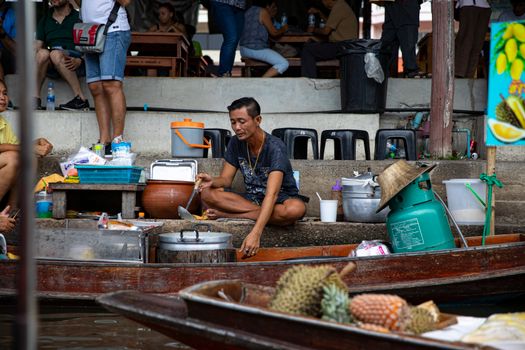
The aroma hits you first – a heady mix of sizzling spices, sweet pastries, exotic fruits, and the earthy scent of fresh produce. Then the cacophony: vendors hawking their wares, the sizzle of woks, the chatter of a thousand conversations, and the rhythmic chop of knives. Food markets, my friends, are the beating heart of any culture. They’re a kaleidoscope of colors, sounds, and flavors, offering a direct, unfiltered glimpse into a destination’s soul.
For me, the hunt for the perfect food market isn't just about satisfying my hunger; it's about connecting with the local rhythm, understanding the ingredients, and tasting stories passed down through generations. My very first solo trip to Southeast Asia taught me this lesson the hard way. I stumbled into a "famous" night market, lured by glowing reviews online. It was packed, yes, but mostly with other tourists. The food was… fine. Overpriced, small portions, and tasted suspiciously like the "authentic" dishes I could get back home. I left feeling deflated, my wallet lighter, and my tastebuds utterly uninspired.
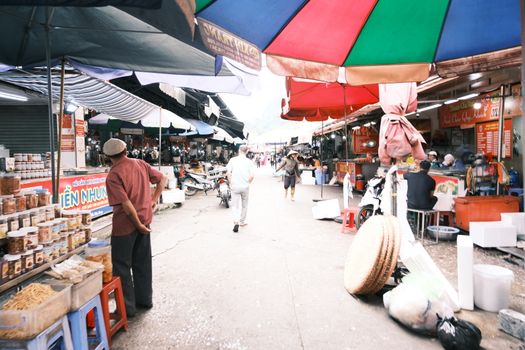
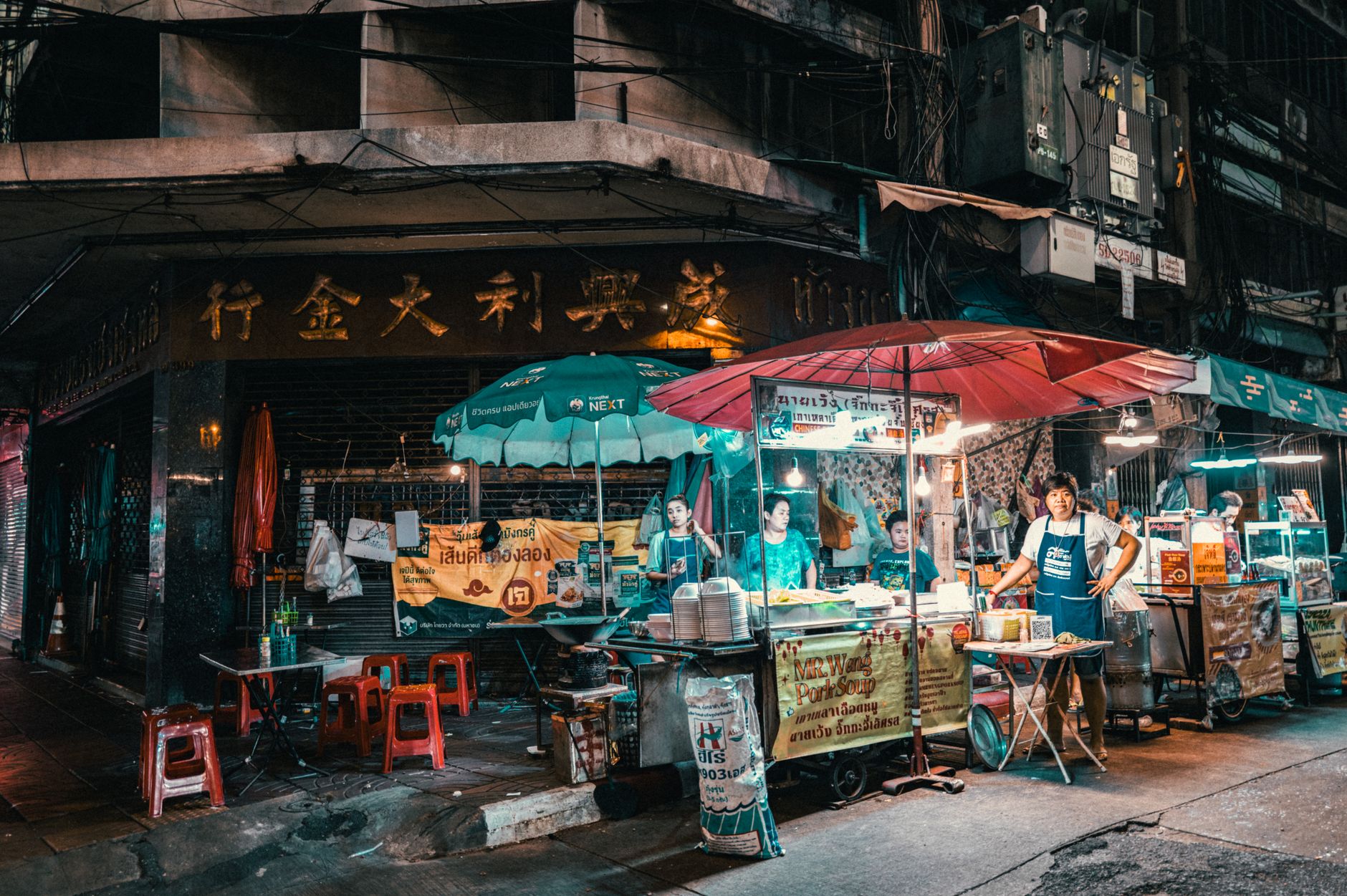
A few days later, a local hostel owner pointed me to a small, unassuming market tucked away in a residential alley. No flashing lights, no English menus. Just a handful of stalls, a few plastic tables, and a vibrant energy that felt utterly real. I pointed, I mimed, I smiled, and then I ate the best bowl of noodles of my life for a fraction of the price. The broth was rich, the noodles perfectly chewy, and the experience? Pure magic.
That’s when I realized the crucial difference: the tourist traps versus the hidden gems. And that, dear Tripsora readers, is exactly what we're diving into today. Consider this your definitive guide to navigating the world’s food markets, ensuring every bite is an authentic, mind-blowing adventure.
The Allure of the Market: Why We Love Them (and How They Lure Us In)
There’s an undeniable romance to a bustling food market. It’s the promise of discovery, the thrill of the unknown, and the chance to eat something truly unique. We envision ourselves rubbing shoulders with locals, haggling over prices, and sampling exotic delicacies that will make our Instagram followers green with envy.
This potent blend of sensory delight and cultural immersion is precisely why markets are so appealing – and why some have become victims of their own success. As travelers increasingly seek "authentic" experiences, some markets morph, subtly at first, then overtly, to cater to this demand. The focus shifts from serving the local community to entertaining foreign visitors. Suddenly, that charming local spot is filled with souvenir stalls selling fridge magnets, "authentic" street food vendors who speak perfect English, and prices that make your eyes water.
It's not always malicious; sometimes it's just the natural evolution of popularity. But for us, the discerning food travelers, it means we need to sharpen our senses and learn to differentiate.
Spotting the Tourist Trap: Red Flags to Watch For
Before you even take your first bite, a good food market detective can spot the warning signs. Here’s what to look out for:
*