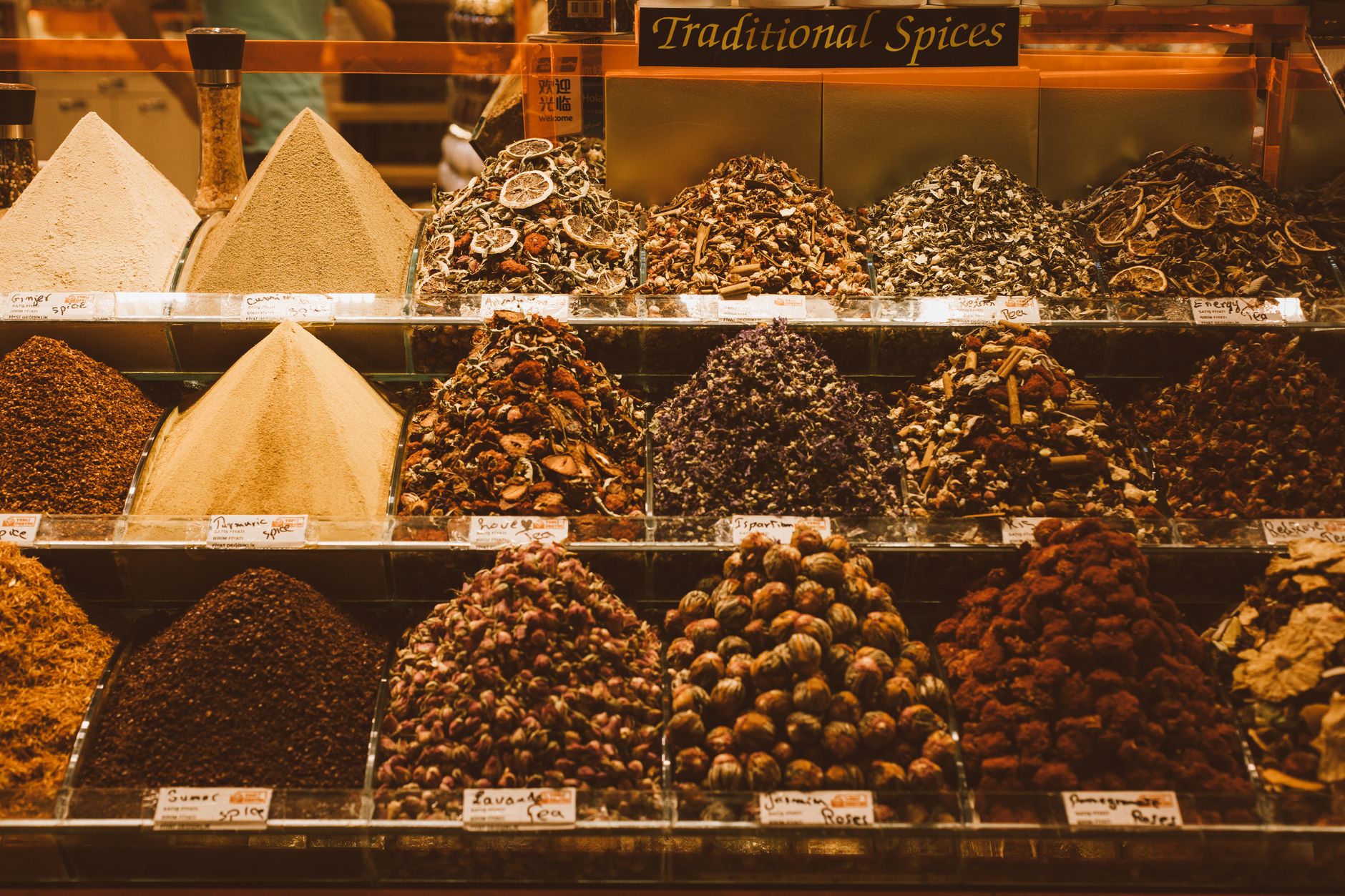
The Spice Trails of Tomorrow: Unearthing the Year's Most Exciting Flavor Revelations
I stepped off the train, the air thick with the scent of damp earth and something… else. Something exotic, something I couldn't quite place. It wasn't the familiar, comforting aroma of cinnamon or cardamom that usually signals a spice-rich destination. This was deeper, wilder, a whisper of the unknown. This, my friends, is the frontier of flavor, and I've been granted a rare peek behind the bamboo curtain.
For years, I’ve chased the ghosts of spices past, trekking through ancient trade routes and bustling souks. But this year, the real magic isn't in the history books; it's being cultivated, nurtured, and revealed right now, in the heart of vibrant spice plantations across the globe. Forget your grandmother's spice rack; we’re talking about the secret ingredients that will define the culinary landscape of tomorrow, emerging from the very soil this year. Forget predictable; we're diving into the deliciously unpredictable.
1. The Emerald Isle's "Whispering Pepper": A Symphony of Citrus and Smoke
My journey began on a small island, often overlooked in the grand spice narrative. Lush, verdant, and perpetually kissed by a gentle sea breeze, this place is home to a phenomenon: the "Whispering Pepper." I was led by Ravi, a third-generation spice farmer whose hands, gnarled like ancient roots, moved with a reverence for the earth.
"This is not like any pepper you know," Ravi explained, his voice a low rumble. "It grows only on the north-facing slopes, where the mist clings for hours. It absorbs the sea salt, the citrus from the wild limes nearby, and a hint of volcanic smoke from the dormant peak."
The peppercorns themselves are a deep, almost iridescent green, smaller than a pea. When crushed, they don't just release heat; they unfurl a complex bouquet. Imagine the zesty punch of kaffir lime, the subtle brininess of sea air, and a lingering, elusive smokiness that dances on the palate. It’s not just a spice; it’s an experience. It’s the kind of ingredient that makes a chef weep with joy.
Pro-Tip:
Visit during the monsoon season (June-August) for the most intense flavor profile. The increased humidity is key to the pepper's unique aroma.
2. The "Sunstone Turmeric" of the Highlands: Beyond Golden Hues
Turmeric. We all know it. The golden warrior against inflammation, the backbone of curries. But what if I told you there's a turmeric that transcends its golden reputation? High in the misty highlands, far from the commercial fields, I discovered the "Sunstone Turmeric."
This variety, cultivated by a collective of indigenous farmers who guard its lineage fiercely, boasts a root that isn't just yellow; it's a vibrant, almost fiery orange, shot through with veins of crimson. The farmers call it "Sunstone" because of its intense energy and its purported ability to capture the warmth of the sun.
The flavor? Prepare for a revelation. It’s still earthy, still warm, but there’s an added layer of almost floral sweetness, a delicate peppery finish, and a surprising depth of umami. It’s less about the color and more about the soul of the spice. Chefs are already experimenting with it in desserts and infused spirits, finding it adds a warmth and complexity that traditional turmeric simply can't replicate.
Insider Language:
The locals refer to the harvesting of Sunstone Turmeric as "kissing the earth awake." It's done by hand, at dawn, with blessings for a bountiful season.
3. The "Shadow Cardamom" of the Cloud Forests: A Mystical Allure
Cardamom, the queen of spices, usually conjures images of robust, aromatic pods. But in the dense, misty cloud forests, a new contender is emerging: "Shadow Cardamom." This isn't your average green or black cardamom. It's smaller, almost black, and grows in the deepest shade, shielded from direct sunlight.
The farmers here believe the lack of sun imbues the pods with a more concentrated, mystical essence. And they might be right. The aroma is intoxicating – intensely aromatic, yes, but with an unexpected hint of dark chocolate and a whisper of anise. It’s less sharp and more velvety than its cousins.
I witnessed the harvesting process, a silent, almost spiritual affair. The pods are carefully plucked from their stalks, then dried slowly in specially designed, shaded chambers that mimic the forest floor. This meticulous process preserves their delicate, complex notes. This is the cardamom that will elevate your coffee, your baked goods, and your savory dishes to an entirely new dimension.
Pro-Tip:
Look for smaller, darker pods. They tend to have a more concentrated flavor. Avoid anything that looks artificially brightened.
4. The "Volcanic Vanilla" of the Remote Isles: Intense and Unforgettable
Vanilla. A universally loved flavor, but often a victim of mass production. I ventured to a string of remote volcanic islands, where the soil is rich with minerals and the air is alive with the scent of the sea. Here, a new breed of vanilla bean is being cultivated, one that the locals affectionately call "Volcanic Vanilla."
These beans are larger, darker, and possess an almost smoky undertone that is utterly captivating. The volcanic soil, rich in sulfur and other minerals, seems to contribute to a deeper, more complex flavor profile. It’s not just sweet; it’s robust, with notes of dark caramel, a hint of leather, and a lingering warmth that is truly addictive.
The curing process is also unique, involving slow fermentation in wooden boxes that have been seasoned with local rum for generations. This imparts an extra layer of richness and depth. This is the vanilla that will redefine your perception of this beloved spice.
Quick Facts:
| Feature | Estimated Cost ($) | Best Time to Visit | How to Get There |
| :------------------ | :----------------- | :----------------- | :--------------------------------------------------- |
| Whispering Pepper | $50-100 (tour) | June-August | Fly into nearest major airport, then local ferry. |
| Sunstone Turmeric | $75-150 (guided) | October-December | Fly into regional airport, then local bus/taxi. |
| Shadow Cardamom | $60-120 (package) | November-February | Fly into closest city, then hire a local guide/jeep. |
| Volcanic Vanilla | $100-200 (special) | Year-round | Fly into international airport, then charter boat. |
5. The "Desert Bloom Saffron" of the Arid Lands: A Rare and Precious Gem
Saffron. The most prized spice in the world, often associated with lush fields. But what if I told you it's making a surprising debut in the desert? I followed whispers of a new saffron cultivation project in an arid region, where water is scarce and the sun beats down relentlessly.
This "Desert Bloom Saffron" is cultivated using innovative hydroponic and controlled-environment techniques, but the real secret lies in the specific mineral composition of the desert soil, which is meticulously blended into the nutrient solution. The result? Saffron threads that are intensely aromatic, with a more pronounced floral note and a subtle, almost honey-like sweetness that is unlike any saffron I’ve tasted before.
The farmers here are pioneers, pushing the boundaries of what’s possible. They speak of "coaxing flavor from the sun's embrace." The stigmas are hand-picked at dawn, just as they unfurl, capturing their peak potency. This is a saffron that redefines luxury and innovation.
Insider Tip:
When buying saffron, look for deep red threads with minimal yellow or white. The aroma should be potent and distinct.
6. The "Fermented Ginger" of the Coastal Jungles: A Zesty Revolution
Ginger. It’s a staple, but I’ve found a new iteration that’s set to electrify the culinary world. In the humid coastal jungles, a community of farmers has been perfecting a unique fermentation process for their ginger.
This "Fermented Ginger" isn't just spicy; it's alive with flavor. The fermentation process, which takes several weeks, mellows the raw heat while amplifying the ginger's natural sweetness and developing a complex, almost tangy profile with notes of citrus and a hint of funk. It's got a zing that’s both familiar and utterly new.
I tasted it in a simple marinade for grilled fish, and it was transformative. The ginger didn’t just add heat; it added a vibrant, zesty dimension that cut through the richness of the fish and brought out its natural sweetness. This is the ginger that will be popping up in everything from cocktails to kombuchas.
Pro-Tip:
Seek out ginger that has a slightly softer texture and a more pronounced aroma. It's a sign of successful fermentation.
The Future of Flavor is Now
These aren't just spices; they are stories. They are testaments to innovation, tradition, and the boundless creativity of nature and the people who tend to it. The secret ingredients emerging this year from these remarkable spice plantations are poised to reshape our palates and inspire a new wave of culinary exploration.
My journey has been a sensory explosion, a reminder that the world is constantly offering up new wonders. The aromas I’ve encountered, the tastes I’ve savored, are etched into my memory. These are the flavors that will soon be gracing menus worldwide, revolutionizing home kitchens, and igniting the imaginations of chefs and home cooks alike.
Don't wait for these secrets to become common knowledge. Be an early adopter. Seek out these emerging spices, connect with the farmers, and experience the future of flavor, firsthand. The adventure, and the deliciousness, awaits.
---