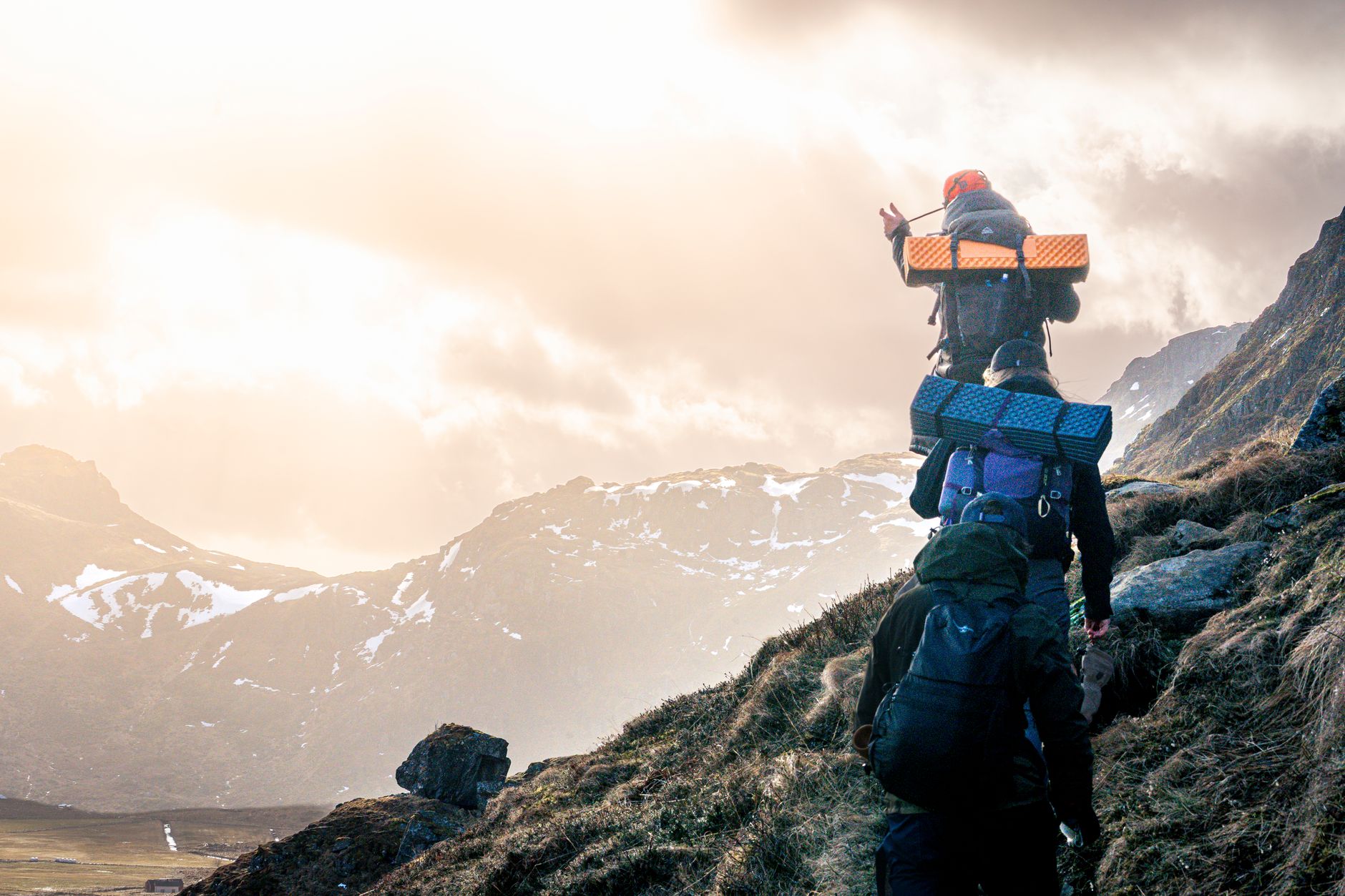
The Hook: Gravity Doesn’t Care About Your Wheels
I stepped off the mountain train at Lauterbrunnen and was immediately hit by the sharp, bracing scent of damp slate, crushed alpine pine, and pure ozone. To my left, the Staubbach Falls thundered down a sheer 300-meter cliff face, throwing a fine, cool mist over my face. Around me, travelers were adjusting their hiking boots and checking their trekking poles. But I wasn’t here to hike. I was here to fling myself off a cliff.
For years, the travel industry treated disabled adventurers like porcelain dolls. If you had a spinal cord injury, cerebral palsy, or an amputation, "adventure travel" meant a paved nature trail or a scenic boat ride where you stayed firmly behind the safety glass.
But there’s a quiet, dirty, adrenaline-soaked revolution happening in the travel world this summer.
Thanks to cutting-edge adaptive engineering, a new wave of passionate, certified guides, and a cultural shift that demands real accessibility, the world’s most extreme sports are wide open. I’ve spent the last six months testing these boundary-pushing experiences firsthand. If you’re ready to trade quiet sightseeing for high-G turns, chest-deep powder, and vertical rock faces, here is your definitive guide to the extreme sports trending this summer.
---
1. Adaptive Paragliding: Riding the Thermals of Lauterbrunnen, Switzerland
```
\ \ \
\ \ \ _|_
\ \ \ / \
\ \ \ | | <-- Adaptive Tandem Flight
\ \ \ \___/
\ \ \ / \
\ \ \/ \
\ \/_____\
```
The Sensation of Pure Flight
There is no feeling on earth like the moment your wheels leave the alpine grass and you are suddenly suspended in nothing but cold mountain air. In Lauterbrunnen, the mecca of free flight, adaptive paragliding is taking off—literally.
Using specialized, shock-absorbing tandem buggies fitted with rugged, all-terrain wheels and reinforced roll cages, pilots can take passengers with paraplegia, quadriplegia, or mobility impairments directly into the sky. You don't need to run to take off; the pilot and a launch assistant utilize the valley's reliable thermal updrafts to lift the buggy smoothly into the air.
As you soar past the giant limestone walls of the Bernese Oberland, the rush of wind in your ears is deafening, yet the motion feels incredibly fluid. You aren't just a passenger; many adaptive pilots use dual-control rigs, allowing you to take the toggles and feel the immediate, heavy resistance of the wing as you carve turns over the valley floor.
- The Gear: Custom-built "Fly2" wheelchair tandem buggies with low centers of gravity and high-impact suspension.
- Pro-Tip: Book the 8:00 AM slot with Airtime Paragliding. The morning valley winds are exceptionally predictable, and the rising sun hits the Staubbach Falls at a perfect 45-degree angle, creating a private rainbow beneath your wheels.
- Insider Secret: The "hidden" accessible entrance to the launch site at First is located behind the main gondola station's maintenance bay. It bypasses the steep gravel incline that stops most manual wheelchairs in their tracks.
---
2. Downhill Mountain Biking: Shredding Whistler’s Singletrack, British Columbia
Gravity-Fed Glory on Three Wheels
If you think mountain biking requires two functioning legs and a traditional frame, you haven't seen a Bowhead RX in action. This is an articulated, electric-assist, total-terrain handcycle that looks like something out of a sci-fi movie. It features a unique tilting front-end suspension that allows riders to lean into berms, crawl over boulders, and bomb down steep, root-choked singletrack.
Whistler Blackcomb has established itself as the global capital of adaptive mountain biking. The bike park has spent years widening bridges, smoothing out tight "chicanes," and modifying lift chairs to carry adaptive handcycles.
Ripping down the trail Easy Dust at 30 miles per hour, with the smell of warm brake pads and damp hemlock filling your helmet, you quickly realize that this isn't "recreational therapy." This is pure, unadulterated gravity racing.
- The Gear: The Bowhead RX or Lasher Sport Athena handcycles, featuring high-torque mid-drive motors and heavy-duty Fox Shox suspension.
- Pro-Tip: Head straight to the Whistler Adaptive Sports Program cabin located at the base of Whistler Mountain, right next to the Fitzsimmons Express chairlift. They have a fleet of top-tier handcycles for rent and highly trained guides who know the exact trail widths.
- Insider Secret: Avoid the crowded midday queues by hitting the lifts at 10:00 AM. Ask the lift operators for the " Fitzsimmons Side-Load"—they will slow down the chairlift to a crawl, allowing for a seamless transfer without the stress of a ticking clock.
---
3. Para-Climbing: Defying Gravity on Moab’s Red Rock Towers, Utah
```
| |
| | [Ascender]
|()| |
|/\| / \
| | / \ <-- Mechanical Advantage System
| | / \
/| |/_______\
/ | |
```
Finding Friction on Sandstone
The desert sun beats down on the red sandstone of Moab, releasing that dry, metallic scent of baked earth and wild sage. Climbing is a sport of pure presence, and for adaptive climbers, it is a masterclass in creative problem-solving.
Whether you are an amputee utilizing specialized climbing prosthetics (like foot-attachments designed specifically for microscopic cracks) or a wheelchair user utilizing a mechanical advantage pulley system, Moab’s sheer walls are no longer off-limits.
Organizations like Splore and Adaptive Adventures utilize specialized ascenders and chest harnesses that allow climbers with limited or no leg function to ascend vertical faces using a "pull-up" motion. The feeling of hanging 150 feet above the canyon floor, with the Colorado River winding like a green ribbon in the distance, is nothing short of transcendent.
- The Gear: Wellman adaptive harnesses, dynamic climbing ropes, and Petzl ascenders modified with wider, ergonomic grips for quadriplegic climbers.
- Pro-Tip: The "Looking Glass Arch" is the ultimate summer spot. It offers incredible shade on the interior of the alcove. Park at the dirt pull-off on BLM road 131, and coordinate with a local adaptive guide who can pre-rig the lines.
- Insider Secret: Sandstone can lose its structural integrity when wet. If there was a summer thunderstorm the night before, do not climb. The rock will crumble, and your anchors could fail. Use this day to explore the paved, fully accessible paths at nearby Arches National Park instead.
---
4. Adaptive Surfing: Carving the Pacific at Waikiki, Hawaii
Ocean Therapy with an Edge
The salty, warm spray of the Pacific hits your face as you paddle out into the lineup at Waikiki. The water is a brilliant, clear turquoise, and the sound of ukulele music drifts over from the beach hotels. But out here on the break, it’s all about timing, power, and flow.
Adaptive surfing has exploded in popularity, culminating in a push for inclusion in the Paralympic Games. Using custom-built surfboards constructed with high-density foam, carbon-fiber belly channels, and strategically placed chest wedges, surfers with spinal cord injuries or limb differences can ride waves prone, seated, or kneeling.
Specialized handles allow you to lock your grip, while soft, padded rails protect your body from skin shears during high-speed carves.
- The Gear: Custom 10-foot epoxy longboards with built-in foam chest wedges, grab handles, and soft-flex fins to prevent injury.
- Pro-Tip: Connect with AccesSurf Hawaii at White Plains Beach. They host monthly "Day at the Beach" events where they provide all the adaptive equipment, beach wheelchairs, and trained water safety teams for free.
- Insider Secret: White Plains Beach has much firmer sand than Waikiki, making beach wheelchair rolling significantly easier. Park in the designated ADA stalls near the main pavilion for direct, ramped access to the shoreline.
---
5. Adaptive Whitewater Rafting: Taming the Colorado River, Grand Canyon
```
~ ~ ~ ~ ~ ~ ~ ~ ~ ~ ~ ~
~ ~ ~ ____ ~ ~ ~ ~ <-- Class IV Rapids
~ ~ ~ / \ ~ ~ ~ ~
~ ~ ~ ~ | | ~ ~ ~ ~ ~
~~~~~~~~~~~\____/~~~~~~~~~~~ <-- J-Rig with Custom Seating
```
Crashing Through the Canyon
The roar of the river hits you long before you see the whitewater. It’s a deep, sub-bass vibration that rattles your teeth. The air inside the inner gorge of the Grand Canyon is hot and dry, smelling of ancient silt and river moss. Then, the cold water of the Colorado hits you like a bucket of ice.
Whitewater rafting is inherently chaotic, but for disabled travelers, custom-engineered rafting rigs have turned this wild environment into a safe, thrilling reality.
Using "J-Rig" rafts fitted with custom-molded, high-back bucket seats (similar to those used in high-performance off-road racing) and quick-release safety harnesses, adventurers with limited core stability can safely ride through Class IV rapids like Hermit and Lava Falls.
- The Gear: 37-foot motorized J-Rig rafts fitted with custom aluminum cargo frames, high-back bucket seats, and chest-stabilizing neoprene wraps.
- Pro-Tip: Book a specialized adaptive trip through Canyon Explorations or Grand Canyon Youth. They feature custom menus, accessible camp setups (including portable commodes with transfer benches), and guides trained in swiftwater rescue for adaptive passengers.
- Insider Secret: Opt for a motorized raft rather than a paddle raft if you have limited upper body mobility. It provides a much more stable platform while still delivering the heart-stopping drops of the canyon’s biggest rapids.
---
6. Adaptive Skydiving: The Ultimate Freefall over Wollongong, Australia
Dropping into the Void
If you want the ultimate test of nerve, head to Wollongong, just south of Sydney. Here, the emerald canopy of the Australian bush meets the deep blue of the Tasman Sea. The plane climbs to 15,000 feet, the cabin door slides open, and a blast of freezing, high-altitude air rushes in.
Tandem skydiving is highly accessible, but adaptive skydiving takes it to the next level. Using specialized harness systems that include leg-straps designed to prevent spasticity-induced movement and keep your legs bound and lifted during landing, instructors can safely take jumpers with paraplegia, quadriplegia, or amputations into a 60-second freefall.
At 200 kilometers per hour, your brain stops processing your physical limitations. You are simply a missile of pure joy cutting through the sky.
- The Gear: Specialized tandem harnesses with integrated leg-hoist systems (often called the "banana strap") that allow the instructor to pull the student’s legs up into a safe landing position during touchdown.
- Pro-Tip: Book with Skydive Australia at their Wollongong drop zone. They have instructors who specialize in adaptive jumps and can accommodate various physical needs, including oxygen dependencies (with prior medical clearance).
- Insider Secret: Request the "beach landing" option. Landing on the soft sand of North Wollongong Beach is incredibly gentle on the joints and spine compared to a grass drop zone.
---
The Budget & Logistics: Planning Your Adrenaline Rush
To make your trip planning seamless, we’ve broken down the essential costs, logistics, and best times to visit for these trending adaptive extreme sports:
| Sport | Location | Estimated Cost ($ USD) | Best Time to Visit | How to Get There |
| :--- | :--- | :--- | :--- | :--- |
| Paragliding | Lauterbrunnen, Switzerland | $220 - $300 per flight | June to September | Fly into Zurich (ZRH), take the highly accessible SBB train directly to Lauterbrunnen. |
| Downhill Biking| Whistler, BC, Canada | $150 - $250 (Rental + Pass) | July to August | Fly into Vancouver (YVR), take the accessible Skylynx bus to Whistler Village. |
| Para-Climbing | Moab, Utah, USA | $180 - $350 (Guided Day) | May or September | Fly into Salt Lake City (SLC), rent an accessible vehicle for the 4-hour drive. |
| Adaptive Surfing| Oahu, Hawaii, USA | Free - $100 (Donation-based) | June to August (South Shore) | Fly into Honolulu (HNL), book an accessible rental van with a ramp. |
| Whitewater Rafting| Grand Canyon, Arizona, USA | $3,500 - $5,000 (Multi-day) | May to September | Fly into Flagstaff (FLG) or Phoenix (PHX). Outfitters provide accessible shuttle buses. |
| Skydiving | Wollongong, Australia | $350 - $450 per jump | December to February | Fly into Sydney (SYD), take the accessible South Coast train line to Wollongong. |
---
Final Thoughts: The Only Limit is Your Imagination
The era of the passive, sidelined disabled traveler is officially dead. This summer, the world’s most extreme environments are yours to conquer. The gear exists, the guides are ready, and the mountains, oceans, and skies are calling.
At Tripsora, we believe that travel should challenge you, change you, and make your heart beat just a little bit too fast. So, what are you waiting for? Book that flight, strap into that harness, and show the world what is truly possible.
---