Solo Travel Gear That Changes Everything: Your Mind-Blowing Kit for Epic Journeys
There’s a moment every solo traveler knows. That thrill of stepping off a plane into a new, vibrant world, completely on your own terms. It’s a feeling of unparalleled freedom, a dance between excitement and the unknown. I remember my very first solo trip – a whirlwind backpacking adventure through Southeast Asia. I was ecstatic, but also, let’s be honest, a hot mess. My backpack was a bottomless pit, my phone died at crucial moments, and I spent half my time wrestling with maps or worrying about my belongings.
Fast forward a decade and countless passport stamps later, and my solo travel game has evolved. It wasn't just experience that changed things; it was the gear. I discovered an arsenal of ingenious gadgets and smart essentials that didn't just make my trips easier – they fundamentally transformed them. They turned potential disasters into minor inconveniences, long journeys into serene escapes, and fleeting moments into perfectly captured memories.
What if I told you there are tools out there that can virtually eliminate your solo travel worries, amplify your comfort, and empower you to explore with unprecedented confidence? This isn't just about packing light; it's about packing smart. It's about investing in gear that doesn’t just accompany you, but actively enhances your journey, making every solo adventure feel safer, smoother, and infinitely more mind-blowing.
Ready to upgrade your solo travel game from 'surviving' to 'thriving'? Let's dive into the game-changing gear that will blow your mind and revolutionize the way you explore the world.
---
1. The Fortress on Your Back: Unbreakable Security for Unstoppable Explorers
Let’s talk about peace of mind, especially when you’re out there on your own. My biggest solo travel anxiety used to be the safety of my belongings. Wandering through crowded markets in Marrakech, navigating bustling train stations in India, or simply leaving my bag in a hostel locker – the worry was always there. Until I discovered the power of smart security gear.
The Game Changer: Anti-Theft Backpacks & Discreet Personal Safety.
Forget flimsy zippers and basic locks. The new generation of anti-theft backpacks is designed like a fortress. Brands like Pacsafe and XD Design's Bobby Anti-Theft Backpack have truly revolutionized how I carry my essentials. These aren't just bags; they're travel companions engineered with slash-proof material (often interwoven with steel mesh), hidden zippers, RFID-blocking pockets (to protect your passport and credit cards from digital theft), and lockable compartments.
I vividly remember a close call in Rome. I was admiring the Colosseum, completely engrossed, when I felt a slight tug on my old backpack. Instinctively, I spun around, and a hand quickly retreated. If I hadn't upgraded to my Pacsafe Venturesafe, with its robust Ziplock security clip and puncture-resistant zippers, I have no doubt I would have lost my wallet. The peace of mind this bag offers is invaluable, allowing me to immerse myself fully in my surroundings instead of constantly feeling guarded.
But security isn't just about your main bag. For those moments when you're walking alone at night or feel uneasy, a portable personal safety alarm is a tiny but mighty ally. These keychain-sized devices emit an ear-splitting siren (often 120dB+) with the pull of a pin, drawing immediate attention. I carry one clipped to my daypack, particularly when exploring new cities after dark. It’s a discreet layer of security that empowers you with an immediate response if you ever feel threatened. You can find reliable ones on Amazon for around $10-20.
And for hostel stays or budget accommodations, a portable door lock (like the Addalock or a simple door wedge) is a godsend. It provides an extra layer of security beyond the room's standard lock, making you feel much more secure, especially when sleeping alone in an unfamiliar place. I’ve used mine countless times in hostels across Europe and Latin America, and it’s a small investment (around $15-25) for a huge boost in comfort and safety.
Practical Tips:
* Invest in quality: Don't skimp on anti-theft features. Check for cut-resistant fabric, lockable zippers, and RFID protection.
* Practice discreet use: While the features are great, practice being aware of your surroundings. Don't flaunt valuables.
* Always use the alarm: If you're carrying a personal safety alarm, ensure it's easily accessible and you know how to activate it quickly.
---
2. Your Digital Lifeline: Uninterrupted Connectivity & Power on the Go
In the age of digital nomads and Instagram stories, staying connected is non-negotiable for solo travelers. It’s not just about sharing your adventures; it’s about navigation, emergencies, communication with loved ones, and access to vital information. There’s nothing worse than being lost in a foreign city with a dead phone, trust me. I’ve been there, staring at a static screen in a bustling Tokyo subway station, feeling utterly helpless. Never again.
The Game Changer: eSIMs, High-Capacity Power Banks & Offline Savvy.
Your smartphone is already your most powerful travel tool, but its potential is unlocked with eSIM technology. Forget hunting for local SIM cards, dealing with language barriers, or paying exorbitant roaming fees. Services like Airalo or Nomad allow you to purchase and activate data plans for hundreds of countries before you even land. You simply scan a QR code, and boom – instant connectivity. I used an Airalo eSIM during a month-long trip through Italy and Greece, seamlessly switching between local networks without ever touching a physical SIM. It was about $20-30 for a 5GB plan, which lasted me weeks. This level of seamless connectivity is truly mind-blowing.
But what good is an eSIM if your phone is dead? Enter the high-capacity portable power bank. This isn't just any power bank; we're talking about a beast that can charge your phone multiple times, often with fast-charging capabilities. Look for models with at least 20,000mAh capacity (like the Anker PowerCore series, typically $40-70). This will keep your phone, camera, and other gadgets juiced up for days, even when you're off the grid in the Amazon rainforest or on a multi-day hike in Patagonia.
I remember hiking the Inca Trail to Machu Picchu. My group’s guide had a satellite phone, but for general use, my fully charged 26,800mAh Anker power bank was a lifesaver, keeping my phone and GoPro alive for stunning panoramic shots and crucial navigation checks.
Beyond power, embrace offline capabilities. Before you leave Wi-Fi, download offline maps (Google Maps allows this), translate languages (Google Translate’s offline packs), and save important documents to cloud storage that’s accessible offline (like Google Drive or Dropbox). This ensures you're never truly stranded, even if your digital lifeline momentarily falters.
Practical Tips:
* Charge everything: Always charge your power bank, phone, and camera batteries overnight.
* Test eSIMs: Activate your eSIM before your trip to ensure it’s working.
* Offline first: Make it a habit to download offline versions of maps and translation tools for your destination.
---
3. Rest, Recharge, Repeat: Unlocking Ultimate Comfort Anywhere
Solo travel can be incredibly rewarding, but it can also be exhausting. Long flights, bumpy bus rides, unfamiliar beds, and constant stimulation can take a toll. Prioritizing rest and comfort isn't a luxury; it's an essential strategy for sustainable solo adventures. I used to tough it out, ending up cranky and sleep-deprived. Not anymore.
The Game Changer: Ergonomic Sleep Aids & Hydration Heroes.
A good travel pillow can make or break a long journey. And no, I'm not talking about those flimsy U-shaped neck pillows. I’m talking about the Trtl Pillow (around $30-50). This scarf-like pillow provides scientific neck support, holding your head in an ergonomic position that actually allows for comfortable sleep upright. I’ve used mine on countless overnight buses in Vietnam, 15-hour flights to Australia, and even uncomfortable airport layovers. It folds down small and truly changes the game for getting quality rest on the move.
Pair that with noise-canceling headphones (like the Sony WH-1000XM5 or Bose QuietComfort series, $250-400) and a silk sleep mask. These aren't just for luxury; they create a personal sanctuary in the most chaotic environments. The headphones block out engine hum, crying babies, or hostel chatter, while the sleep mask ensures darkness, crucial for regulating your sleep cycle. I remember one particularly noisy hostel dorm in Budapest where my combo of noise-canceling headphones and silk mask saved my sanity, allowing me to wake up refreshed and ready to explore.
And let's not forget hydration. A portable water filter bottle like the Lifestraw Go or a Grayl GeoPress (around $40-90) is an absolute game-changer, especially in regions where tap water isn't safe. It allows you to fill up from almost any freshwater source, providing safe, clean drinking water on demand. This not only saves you money on bottled water but also drastically reduces plastic waste and ensures you stay hydrated, which is crucial for fighting jet lag and staying healthy. I carried my Lifestraw Go throughout my trip to Central America, filling it from taps, streams, and even dubious hostel sinks, and never once got sick.
Practical Tips:
* Invest in quality sleep aids: Cheap options often don’t provide the necessary support or noise cancellation.
* Stay hydrated: Drink plenty of water, especially during flights and in hot climates. Your filter bottle makes this easy and sustainable.
* Practice mindfulness: Use your headphones and mask to create a peaceful bubble, even for short power naps.
---
4. The Art of Effortless Packing: Smart Organization for the Win
One of the biggest solo travel frustrations can be a disorganized bag. Rooting through a chaotic backpack for a specific item, or struggling to fit everything back in after laundry, is a time-waster and a mood killer. I used to pack like a whirlwind, resulting in exploded bags and wrinkled clothes. Learning the art of efficient packing truly changed my travel life.
The Game Changer: Compression Packing Cubes & The Versatile Daypack.
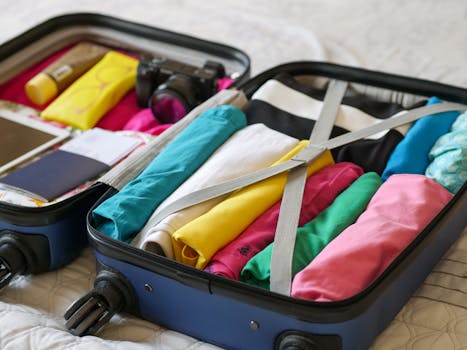
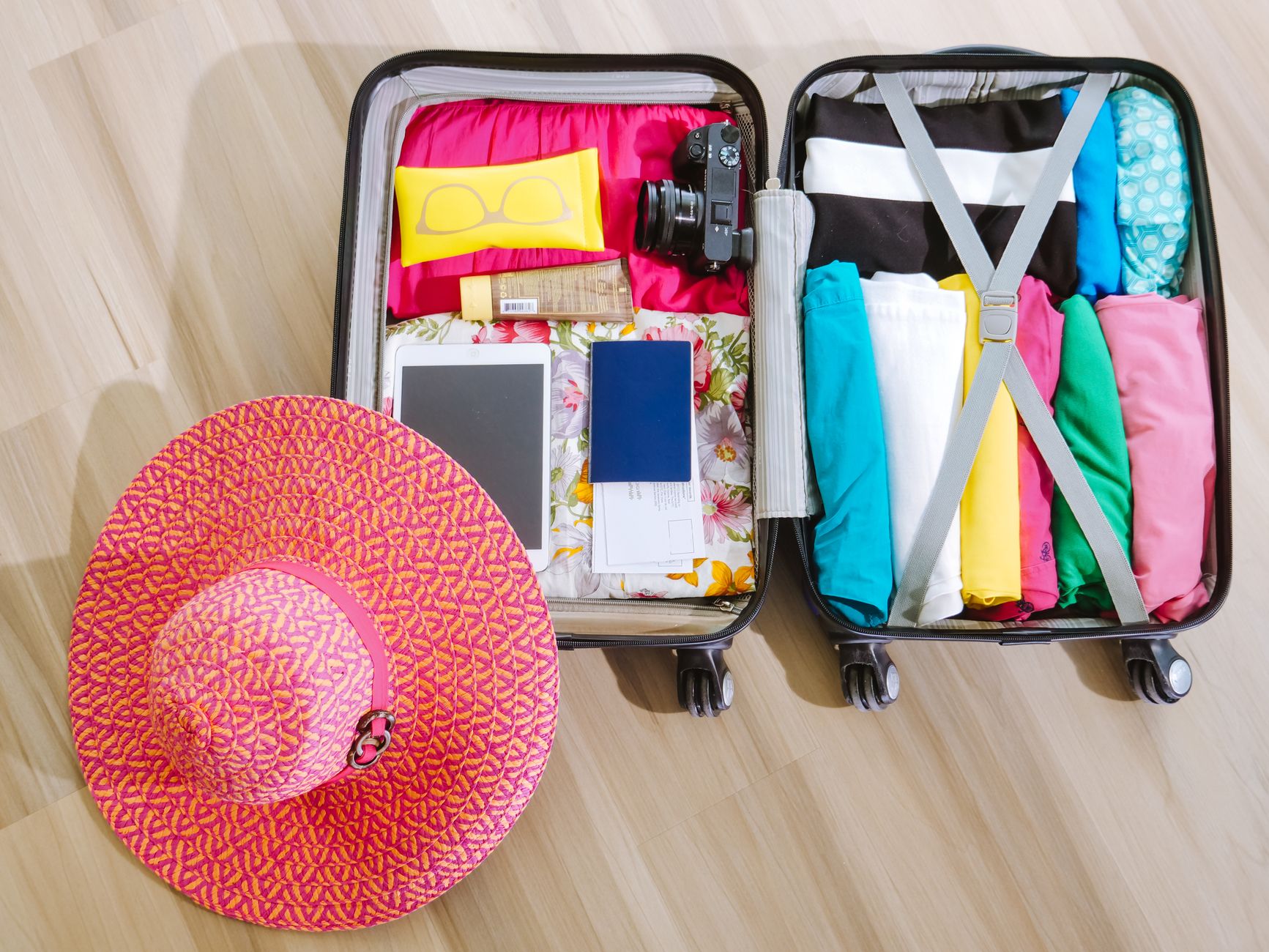
If there’s one item that transformed my packing strategy, it’s compression packing cubes. These aren't just regular packing cubes; they have an extra zipper that compresses your clothes, saving an incredible amount of space. Brands like Eagle Creek or Osprey offer fantastic options (a set usually costs $30-60). They organize your clothes by type (tops, bottoms, underwear, etc.) and then shrink them down, making your backpack feel twice as big.
I used to dread packing and unpacking during my multi-city trips across Europe. Now, with a few compression cubes, I can easily separate my outfits, keep dirty laundry separate in its own cube, and always know exactly where everything is. It makes moving between hostels or hotels a breeze, and I actually enjoy the process!
Another unsung hero for solo travelers is the foldable, lightweight daypack. While your main backpack is for your journey, a good daypack is for your daily adventures. Look for ones that pack down into their own small pouch (like the Matador Freerain or Osprey Ultralight Stuff Pack, around $30-70). These are perfect for carrying water, snacks, a camera, and souvenirs on day trips, hikes, or city explorations, without adding bulk to your main luggage.
I remember spontaneously deciding to hike to a waterfall in Costa Rica. My main backpack was safely stored, but my Matador Freerain daypack was perfect for carrying my water, towel, and camera. It’s durable, waterproof, and packs away so small you barely notice it until you need it.
Practical Tips:
* Categorize: Use different-sized cubes for different types of clothing.
* Roll, don't fold: Rolling clothes can save space and reduce wrinkles, especially within cubes.
* Always have a daypack: It's indispensable for daily excursions and impromptu adventures.
---
5. Capture the Magic: Documenting Your Journey, Solo Style
One of the unique challenges of solo travel is getting great photos of yourself in those incredible locations. Relying on strangers can lead to awkward angles, blurry shots, or worse, a stolen phone. But with a few smart tools, you can capture stunning, professional-looking memories without needing a personal photographer.
The Game Changer: Compact Cameras, Flexible Tripods & Remote Shutters.
While modern smartphones are incredibly powerful, for truly mind-blowing photography, a compact mirrorless camera (like a Sony Alpha 6000 series, Fujifilm X-T series, or Canon EOS M series, starting around $600-1000 with a kit lens) offers superior image quality, low-light performance, and creative control. These cameras are significantly lighter and smaller than traditional DSLRs, making them ideal for solo travelers who want stunning photos without the bulk.
But the real magic for solo photographers comes from pairing it with a flexible tripod (like a Joby GorillaPod, around $30-70) and a Bluetooth remote shutter. The GorillaPod can grip onto almost any surface – a tree branch, a railing, a rock – allowing you to position your camera for the perfect shot. Then, with a click of your remote from a distance, you can capture yourself naturally interacting with your surroundings.
I’ve used this setup to get incredible shots of myself hiking through the Dolomites, sitting by a serene lake in Patagonia, and even a perfect solo portrait in front of the Eiffel Tower at sunset. No more awkward selfies or asking strangers who don't understand your vision. The freedom to frame and capture your own moments exactly as you envision them is truly empowering.
If a mirrorless camera isn't in your budget, a good smartphone with a wide-angle lens attachment and a robust mini-tripod (like the Manfrotto Pixi Evo) can still elevate your solo photography significantly.
Practical Tips:
* Practice makes perfect: Experiment with your camera and tripod settings before your trip.
* Composition is key: Learn basic photography composition rules to make your solo shots more dynamic.
* Protect your gear: Invest in a good camera bag insert and always be mindful of your surroundings when setting up your shot.
---
6. The Unsung Heroes: Health, Hygiene & The Unexpected Saviors
It's often the small, easily overlooked items that can make the biggest difference when you're far from home and relying only on yourself. These aren't glamorous gadgets, but they are essential for comfort, health, and navigating unexpected challenges.
The Game Changer: Personalized First-Aid, Quick-Dry Towels & Universal Adapters.
A well-stocked, personalized travel first-aid kit is non-negotiable for solo travel. Don’t just buy a pre-made one; customize it for your specific needs. Include blister plasters (Compeed are a lifesaver!), antiseptic wipes, pain relievers, anti-diarrhea medication, motion sickness pills, any prescription meds, and basic wound care. I once got a nasty blister while hiking in the Thai jungle, and my tiny kit prevented it from turning into a trip-ruining infection. It's a small pouch (you can assemble one for $20-40) that can prevent big problems.
Next up: the quick-dry microfibre towel. Leave your bulky cotton towel at home. A good quick-dry towel (like those from Sea to Summit or PackTowl, $20-40) is lightweight, super absorbent, and dries in a fraction of the time. This is invaluable in hostels, camping, or when you need to pack up quickly. It prevents that dreaded damp towel smell and saves precious space.
And finally, the humble but mighty universal travel adapter with USB ports. This isn't just an adapter; it's a multi-tool for your electronics. Look for one that covers all major plug types (Type A, B, C, G, I, etc.) and includes at least two USB-A and one USB-C port. This allows you to charge your phone, power bank, and camera simultaneously with just one compact device. I picked up a reliable one for about $25 before my South American trip, and it was the only adapter I needed across four different countries. No more juggling multiple clunky adapters!
A headlamp or mini flashlight is also a small item with huge utility. Navigating a dark hostel dorm without waking others, finding your way on a poorly lit street, or setting up camp in the dark – it's endlessly useful.
Practical Tips:
* Check expiry dates: Regularly review your first-aid kit and replace expired items.
* Pack light and smart: Choose the smallest, lightest versions of these essentials.
* Always have a backup: Keep a mini flashlight app on your phone, but have a physical headlamp for serious dark situations.
---
Ready to Redefine Your Solo Adventure?
Solo travel is an incredible journey of self-discovery, resilience, and unparalleled freedom. But it doesn't have to be a test of endurance or a constant battle against logistical challenges. By strategically investing in these mind-blowing pieces of solo travel gear, you're not just buying products; you're buying peace of mind, ultimate comfort, enhanced safety, and the ability to fully immerse yourself in every breathtaking moment.
These tools have transformed my solo adventures, turning potential stresses into seamless experiences and allowing me to connect more deeply with the places I visit. From navigating bustling cities with confidence to capturing stunning self-portraits in remote landscapes, this gear empowers you to travel smarter, bolder, and with an undeniable sense of exhilaration.
So, what are you waiting for? Start curating your ultimate solo travel kit today. Share your favorite game-changing gear in the comments below, and let's inspire each other to unlock even more incredible solo journeys. Your next mind-blowing adventure awaits!
---