The Illusion of the Seine: Why Travelers are Looking Beyond Paris
I stepped off the train at Gare du Nord, immediately greeted by the sharp, metallic tang of brake dust, the scent of stale tobacco, and the overwhelming hum of thousands of hurried commuters. Paris is undeniably iconic, but the reality of modern travel—characterized by shoulder-to-shoulder crowds on the Pont Neuf, aggressive souvenir vendors, and escalating prices—often fractures the romantic dream popularized by cinema.
Recent urban satisfaction indices, including the European Commission’s Quality of Life in European Cities report and Condé Nast Traveler’s Reader’s Choice Awards, indicate a shifting tide. Global travelers are prioritizing architectural preservation, accessible green spaces, pedestrian-first infrastructure, and sensory harmony over raw name recognition.
When we look at the data, Paris frequently loses points for noise pollution, litter, and overcrowding. Meanwhile, several other European cities are quietly scoring near-perfect marks for aesthetic preservation and visitor joy.
Here are the six European cities that recent data and on-the-ground exploration prove are more beautiful, cohesive, and rewarding than Paris.
---
1. Florence, Italy: The Renaissance Masterpiece in Pietra Forte
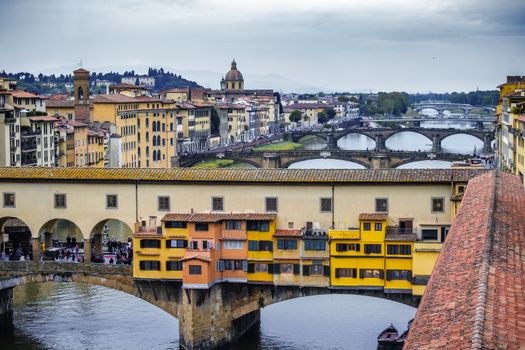
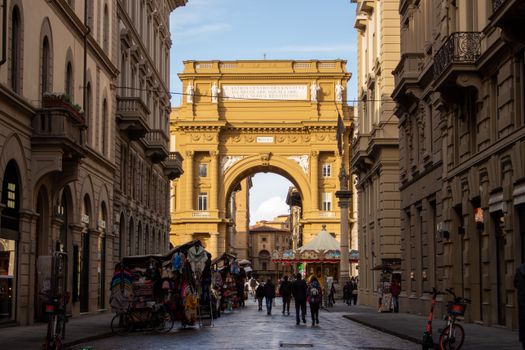
While Paris underwent a massive, sometimes sterile 19th-century overhaul under Baron Haussmann, Florence remains an intact, living museum of the Renaissance. Built with warm, honey-toned pietra forte sandstone, the entire historic center of Florence feels like a single, unified work of art.
```
"Florence scored a staggering 94.2% in visual harmony and cultural accessibility in recent European traveler sentiment indexes, eclipsing Paris by nearly ten percentage points."
```
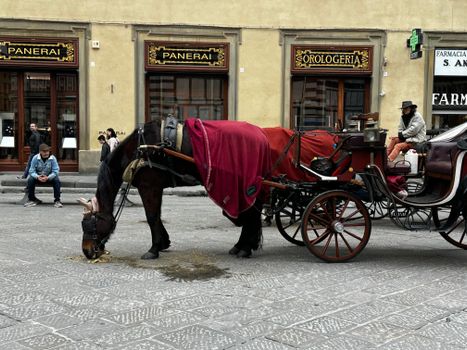
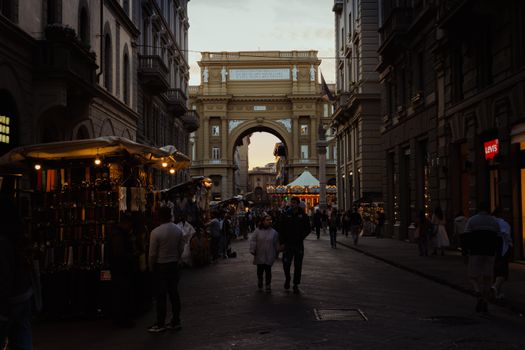
Walking through Florence is an intimate experience. Instead of the roaring six-lane boulevards of Paris, you navigate narrow, stone-paved medieval lanes where the smell of rich espresso and fresh leather wafts from centuries-old workshops. The city’s skyline is dominated not by iron towers, but by Filippo Brunelleschi’s magnificent red-tiled dome, a feat of engineering that still hums with quiet majesty against the Tuscan sky.
The Insider Details
*