Beyond the Brochure: Educational Adventures That Will Rewrite Your Story
I remember standing on the edge of the Ngorongoro Crater, the vast caldera stretching out before me, teeming with life. It wasn't just a pretty view; it was a living classroom. Our guide, a Maasai elder, pointed out the intricate dance of predator and prey, explaining the delicate ecosystem with a wisdom that only generations of observation could bestow. I watched a lioness stalk her prey, saw zebras graze peacefully, and felt the primal rhythm of nature pulse through me. That trip wasn't a vacation; it was an education, an awakening. It fundamentally shifted how I saw the world, transforming me from a tourist into a participant.
We all travel for different reasons: relaxation, escape, discovery. But what if your next trip could be more than just a getaway? What if it could be a profound journey of learning and self-discovery? I'm talking about educational adventures – those immersive experiences that blend the thrill of exploration with the wisdom of knowledge, leaving you not just with memories, but with new skills, perspectives, and a deeper understanding of our incredible planet and its diverse cultures.
These aren't your typical school field trips. These are epic, hands-on experiences that will challenge you, inspire you, and ultimately, transform you. They're the kind of journeys you talk about for years, the ones that reshape your worldview, and frankly, the ones you absolutely need to experience before you kick the bucket.
Ready to swap passive observation for active immersion? Let's dive into seven educational adventures that feel like they're ripped straight from a documentary, but are entirely within your grasp.
---
1. Unearthing Ancient Worlds & Lost Civilizations: Be Your Own Indiana Jones
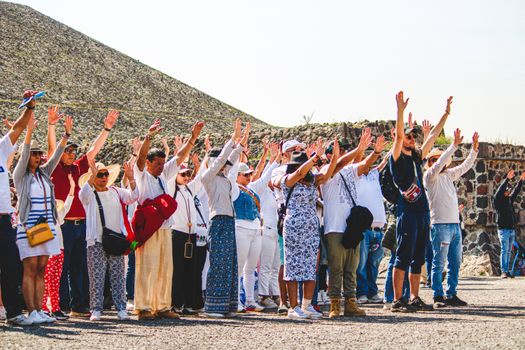
There’s a unique thrill that comes from standing amidst ruins that have witnessed millennia of human history. It's one thing to read about ancient civilizations in a book, but it's another entirely to walk the same paths, touch the same stones, and feel the echoes of their stories resonate through time. This isn't just sightseeing; it's time travel.
Where to Go & What to Do:
- Petra, Jordan: The Rose City's Secrets. Imagine walking through the narrow Siq canyon, the towering sandstone walls closing in, only for it to dramatically open up and reveal Al-Khazneh – The Treasury – carved directly into the rock face. I felt like Indiana Jones himself the first time I saw it. But it was our local Bedouin guide, Abu, who truly brought the Nabataean history to life, sharing stories passed down through his family, not just from textbooks. Spend days exploring the monasteries, tombs, and temples, hiking to viewpoints that offer breathtaking panoramas.
- Details: Entry to Petra is around 50 JOD for a day pass. Consider a "Petra by Night" experience for an ethereal candlelit tour. Hire a local guide for deeper cultural and historical context – they often share insights you won't find in guidebooks.
- Machu Picchu, Peru: The Lost City of the Incas. Trek the Inca Trail (or take the scenic train) to this iconic citadel nestled high in the Andes. Witnessing the sunrise over Machu Picchu, mist clinging to the peaks as you ponder Inca ingenuity, is a profoundly spiritual experience. Many tours offer insights into Inca cosmology, engineering, and daily life.
- Details: Permits for the Inca Trail are limited and must be booked months in advance through an authorized operator (around $700-$1500 USD, including guides, porters, food, and tents). Train options are available for those preferring a less strenuous journey (tickets from ~$60-$100 USD one way).
- Pompeii & Herculaneum, Italy: Frozen in Time. Explore these Roman cities perfectly preserved by volcanic ash from Mount Vesuvius. It's an eerie, yet fascinating, look into daily Roman life, from grand villas to humble bakeries.
- Details: Combined tickets for Pompeii and Herculaneum are available (around €27). Consider a guided tour to understand the significance of each building and artifact.
Practical Tips:
* Hire Local Guides: They offer invaluable insights into history, culture, and local life that no textbook can replicate.
* Go Off-Season: Avoid peak crowds and heat, allowing for a more contemplative experience.
* Respect the Sites: These are irreplaceable pieces of human heritage. Follow all rules and leave no trace.
Instagram Moment:
Imagine sunrise over Machu Picchu, mist clinging to the peaks as you ponder Inca ingenuity. #AncientWonders #MachuPicchuMagic #TimeTraveler
---
2. Into the Wild: Conservation & Wildlife Expeditions
For those who feel a deep connection to the natural world, an educational adventure focused on wildlife and conservation is a truly transformative experience. This isn't just about spotting animals; it's about understanding ecosystems, contributing to conservation efforts, and witnessing the raw beauty of our planet's biodiversity firsthand.
Where to Go & What to Do:
- Amazon Rainforest, Ecuador/Peru: Biodiversity Immersion. Spend time at an eco-lodge or volunteer with a research project deep in the Amazon. I spent two weeks in the Ecuadorian Amazon assisting researchers with amphibian surveys. It was gritty but exhilarating – mud-caked boots, mosquito bites, and the symphony of the jungle at night – but every discovery felt like a personal victory for conservation. You'll learn about ethnobotany, jungle survival, and the incredible interconnectedness of life.
- Details: Eco-lodges in the Amazon can range from $150-$500+ per night, often including guided excursions. Volunteer programs (e.g., through Earthwatch or local NGOs) can cost anywhere from $1000-$4000+ for 1-4 weeks, covering accommodation, food, and program fees.
- Galapagos Islands, Ecuador: Darwin's Living Laboratory. This archipelago is a natural wonder, home to unique species found nowhere else on Earth. Join a small-ship expedition with a certified naturalist guide to learn about evolution, geology, and marine biology while snorkeling with sea lions and observing blue-footed boobies.
- Details: Multi-day cruises are the best way to experience the islands, ranging from $2000-$8000+ for 4-8 days, including guides, meals, and excursions.
- Kruger National Park, South Africa: Ethical Safari & Conservation. Go beyond the typical game drive. Many operators offer walking safaris, tracking experiences with local rangers, or even opportunities to participate in anti-poaching initiatives or wildlife monitoring. Witnessing the "Big Five" in their natural habitat while learning about the challenges they face is incredibly impactful.
- Details: Safari costs vary widely, from budget self-drive options ($50-$100/day for park fees, plus accommodation) to luxury guided tours ($500-$1500+ per person per day). Look for operators committed to ethical tourism and conservation.
Practical Tips:
* Research Ethical Operators: Ensure your chosen tour or volunteer program genuinely benefits local communities and conservation efforts.
* Pack Appropriately: Think quick-dry clothing, sturdy hiking boots, insect repellent, and a good camera with a zoom lens.
* Learn Basic Phrases: Even a few words in the local language can enhance your connection with guides and communities.
Instagram Moment:
Tracking rhinos at dawn in Kruger, knowing your presence supports their survival. #WildlifeConservation #SafariLife #NatureLover
---
3. Culinary Journeys & Cultural Deep Dives: Taste the World, Learn Its Stories
Food is more than just sustenance; it's a gateway to culture, history, and community. A culinary journey allows you to truly immerse yourself, learning not just recipes, but the traditions, stories, and people behind the dishes. It’s an adventure for your taste buds and your soul.
Where to Go & What to Do:
- Bologna, Italy: The Heart of Italian Cuisine. Known as "La Grassa" (The Fat One), Bologna is the culinary capital of Italy. Take hands-on pasta-making classes, visit traditional balsamic vinegar producers, and explore vibrant food markets. In Bologna, Nonna Elena taught me to make tagliatelle from scratch. It wasn't just about the pasta; it was about the stories, the laughter, the generations of tradition woven into every strand. Food truly is a universal language.
- Details: Cooking classes range from €70-€150 per person. Market tours are often free or part of a cooking class package. Expect to spend around €100-€200 per day on food and activities.
- Chiang Mai, Thailand: Street Food & Spice. Dive deep into Thai cuisine with a cooking class that starts with a market tour to identify fresh ingredients. Learn to balance the sweet, sour, salty, and spicy notes that define Thai food. Beyond cooking, consider a language immersion course or a homestay in a rural village to experience authentic Thai life.
- Details: Thai cooking classes typically cost 800-1500 THB ($25-$50 USD). Homestays can be arranged through various organizations, offering a unique cultural exchange for around $30-$50 USD per night.
- Oaxaca, Mexico: Mole, Mezcal & Artisan Traditions. Explore the vibrant markets of Oaxaca, learn to make traditional mole sauces, and discover the ancient art of mezcal production. This region is a UNESCO World Heritage site known for its rich indigenous cultures and incredible gastronomy.
- Details: Cooking classes focusing on Oaxacan cuisine are around $70-$120 USD. Mezcal farm tours vary, but often include tastings for around $30-$60 USD.
Practical Tips:
* Seek Out Small Classes: Opt for intimate, family-run cooking schools rather than large tourist operations for a more authentic experience.
* Visit Local Markets: This is where the heart of local cuisine beats. Engage with vendors and try new ingredients.
* Be Open-Minded: Try everything! Some of the best discoveries are made outside your comfort zone.
Instagram Moment:
The vibrant chaos of a Thai market, learning to balance sweet, sour, salty, and spicy. #FoodieAdventures #CulturalImmersion #TasteTheWorld
---
4. Science & Space: Exploring the Unknown
For the curious mind, these adventures offer a chance to delve into the mysteries of the universe, the raw power of our planet, or the wonders of human innovation. It's about connecting with the scientific phenomena that shape our world, making abstract concepts tangible and awe-inspiring.
Where to Go & What to Do:
- Iceland: Land of Fire and Ice. This island nation is a geological marvel. Take guided tours to explore glaciers, volcanoes, geothermal hot springs, and black sand beaches. Our guide, a passionate geologist, explained plate tectonics and volcanic activity with such enthusiasm, making every landscape a living textbook. In winter, chase the Northern Lights (Aurora Borealis) with an astrophysicist guide who can explain the solar flares and magnetic fields responsible for the ethereal dance. Witnessing the aurora felt like stepping onto another planet.
- Details: Guided tours for geology and Northern Lights vary, but expect to pay €50-€150 per person per tour. Car rental for self-exploration can be around €50-€100 per day.
- Atacama Desert, Chile: Stargazer's Paradise. One of the driest places on Earth, the Atacama boasts incredibly clear skies, making it a prime location for astronomy. Visit professional observatories or join a stargazing tour with powerful telescopes to witness nebulae, galaxies, and planets in stunning detail.
- Details: Stargazing tours typically cost $30-$60 USD and include transportation and expert guidance.
- Yellowstone National Park, USA: Geothermal Wonderland. Explore the geysers, hot springs, and mud pots of Yellowstone. Join a ranger-led program to learn about the park's unique geology, ecology, and wildlife. Witnessing the geothermal power of Yellowstone, a raw display of Earth's incredible forces, is truly humbling.
- Details: Park entrance is $35 per private vehicle for a 7-day pass. Ranger programs are often free. Accommodation varies widely from camping ($20-$30/night) to lodges ($150-$500+/night).
Practical Tips:
* Best Times to Visit: Research the optimal seasons for specific phenomena (e.g., winter for Northern Lights, dry season for clear desert skies).
* Book with Experts: Ensure your guides are knowledgeable scientists or naturalists who can provide in-depth explanations.
* Gear Up: A good camera for night photography, warm layers, and sturdy shoes are essential for many of these trips.
Instagram Moment:
Witnessing the geothermal power of Yellowstone, a raw display of Earth's incredible forces. #ScienceTravel #GeologyRocks #StarGazer
---
5. Adrenaline & Learning: Extreme Skill-Building Expeditions
Sometimes the best way to learn is to push your limits and acquire a new skill in an epic setting. These adventures combine the thrill of physical challenge with the satisfaction of mastering something new, leaving you with tangible skills and an undeniable sense of accomplishment.
Where to Go & What to Do:
- Great Barrier Reef, Australia (or Belize/Thailand): Scuba Diving Certification. Get your PADI Open Water Diver certification in one of the world's most spectacular marine environments. Learning to breathe underwater and explore vibrant coral reefs teeming with life is an experience unlike any other. Earning my PADI certification in the crystal-clear waters of Belize was a game-changer. The first time I swam alongside a sea turtle, completely weightless, I realized the ocean held endless lessons. It taught me patience, respect, and the sheer wonder of the underwater world.
- Details: A PADI Open Water Diver course typically costs $400-$600 USD and takes 3-4 days. Accommodation and travel to the dive site are extra.
- Swiss Alps (or Patagonia/Nepal): Mountaineering & Trekking Courses. Enroll in a beginner's mountaineering course to learn knot tying, glacier travel, crevasse rescue, and proper use of ice axes and crampons. Or, take on a multi-day trek with expert guides who teach you navigation, wilderness survival, and Leave No Trace principles. Conquering a new peak in the Alps, pushing limits and learning resilience, is incredibly empowering.
- Details: Beginner mountaineering courses can range from $500-$1500+ for a multi-day program, including guides and gear rental. Trekking tours vary widely based on duration and luxury.
- Costa Rica (or Portugal/Hawaii): Surfing School. Learn to ride the waves in a tropical paradise. Many surf schools offer multi-day camps for beginners, teaching you everything from paddling techniques to wave selection and standing up. It's a fantastic workout and a deeply satisfying connection with the ocean.
- Details: Multi-day surf camps typically cost $300-$800+ for a week, often including lessons, board rental, and accommodation.
Practical Tips:
* Choose Certified Instructors: Always prioritize safety. Ensure your instructors are fully certified and experienced.
* Check Physical Requirements: Some activities require a certain level of fitness. Be honest with yourself about your capabilities.
* Invest in Gear (or Rent): Good quality gear is crucial for safety and comfort. Many courses offer rental options.
Instagram Moment:
Conquering a new peak in the Alps, pushing limits and learning resilience. #AdventureSkills #MountainLife #ScubaDivingGoals
---
6. Making it Happen: Practical Tips for Your Transformative Journey
Feeling inspired? Great! Now, let's talk about how to turn these dream adventures into reality. Planning an educational trip requires a bit more thought than just booking a resort, but the rewards are exponentially greater.
- Do Your Homework (Beyond the Brochure):
- Identify Your Passion: What truly ignites your curiosity? History, wildlife, culinary arts, science, or a new physical skill?
- Seek Specialized Operators: Look for organizations like Earthwatch Institute, National Geographic Expeditions, university extension programs, or local NGOs that offer immersive educational experiences or volunteer opportunities.
- Read Reviews & Testimonials: Look for authentic experiences, not just tourist traps. Pay attention to how past participants describe the learning aspect and local interaction.
- Budgeting & Funding Your Adventure:
- Volunteer Programs: While some are free, many require a fee that covers accommodation, food, training, and contributes directly to the project. Factor this into your budget.
- Scholarships & Grants: Many organizations offer financial aid for volunteer or research trips, especially for students or those with relevant skills.
- Off-Season Travel: Generally cheaper for flights and accommodation, and often means fewer crowds, allowing for deeper immersion.
- Work-Trade/Work-Exchange: Some programs or eco-lodges offer reduced rates or free stays in exchange for work.
- Ethical & Sustainable Travel is Key:
- Choose Responsible Operators: Select companies that prioritize environmental conservation, fair wages for local staff, and respectful cultural engagement. Avoid activities that exploit animals or communities.
- Minimize Your Impact: Practice Leave No Trace principles. Reduce plastic use, conserve water, and dispose of waste properly.
- Support Local Economies: Eat at local restaurants, buy from local artisans, and hire local guides. Your money directly benefits the community.
- Respect Local Culture: Learn basic greetings, dress appropriately, and be mindful of local customs and traditions. A little effort goes a long way.
- Solo vs. Group Travel:
- Solo: Offers unparalleled freedom and opportunities for deeper personal reflection and local interaction. You set your own pace and itinerary.
- Group: Can provide camaraderie, shared learning experiences, and often includes expert guides and logistics handled for you. Great for skill-building courses or expeditions.
- Pack Smart, Pack Light:
- Essential Gear: Depending on your trip, this could mean sturdy hiking boots, quick-dry clothing, a good camera, a journal, a reusable water bottle, and a first-aid kit.
- Adaptability: Be prepared for varying weather conditions. Layers are your friend.
- Digital Detox (Optional but Recommended): While you'll want to capture photos, consider limiting screen time to fully immerse yourself in the experience.
- Cultivate an Open Mind & Heart:
- Embrace Discomfort: Growth often happens outside your comfort zone. Be prepared for unexpected challenges, new foods, and different ways of living.
- Be Patient & Flexible: Travel rarely goes exactly as planned. A flexible attitude will make your journey more enjoyable.
- Engage Actively: Ask questions, participate fully, and seek out interactions with locals and fellow learners. The more you put in, the more you'll get out.
---
The Journey of a Lifetime Awaits
These aren't just trips; they're investments in yourself, opportunities to expand your mind, challenge your body, and nourish your soul. They're about collecting experiences, not just souvenirs. They're about learning that the world is vast and complex, and that you are an integral part of it.
So, stop dreaming and start planning. Which of these incredible educational adventures calls to you? Will you be trekking through ancient ruins, tracking wildlife with scientists, mastering a new skill, or cooking up a storm in a foreign land? The world is your classroom, and the lessons it has to offer are truly priceless.
Don't just travel; learn, grow, and transform. These are the adventures that will leave an indelible mark on your spirit, the kind you absolutely need to experience before you die.
---
Which of these adventures ignites your wanderlust? Share your dream educational trip in the comments below, and let's inspire each other to make these life-changing journeys a reality! And if you've already embarked on one, tell us your story!
---