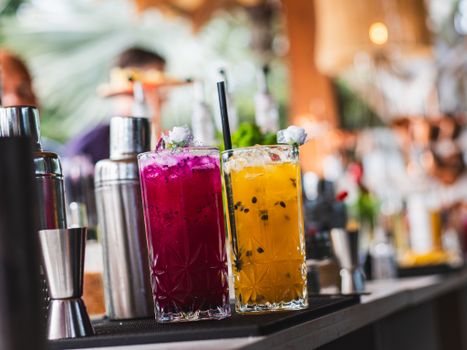
The Allure of the Forbidden Sip: Why Banned Drinks Are Your Next Travel Obsession
The air was thick with anticipation, the low hum of conversation punctuated by the clinking of glasses. I was in a dimly lit bar in Prague, a city famous for its ancient legends and potent brews. My local guide, Jan, leaned in conspiratorially. "Tonight," he whispered, "you try the Green Fairy." My heart gave a little flutter. Absinthe. The notorious, hallucinogenic spirit, banned for decades in my home country, the USA, and much of the world. It was a drink shrouded in myth, associated with poets, artists, and madness. And tonight, it was within my grasp.
That first sip, diluted with water dripping slowly over a sugar cube, wasn't a hallucination, but an awakening. It was complex, herbaceous, and utterly unlike anything I’d ever tasted. It wasn't about getting "high"; it was about experiencing a piece of history, a cultural ritual, a forbidden pleasure made legal in a different land.
And that, my fellow globetrotters, is the magic of traveling for a taste of the "forbidden." It’s not about breaking laws (please, always be responsible and respect local regulations!), but about uncovering liquid treasures that, for various reasons, haven't made it to mainstream shelves back home – or were outright banned. These aren't just drinks; they're stories, traditions, and a peek into the unique cultural fabric of a place. Ready to tantalize your taste buds and challenge your palate? Let's dive into some of the most intriguing "banned" sips you absolutely must seek out on your next adventure!
1. The Green Fairy's Return: Absinthe
The Story & Why It Was Banned:
Oh, absinthe. The very name conjures images of bohemian artists, Belle Époque Paris, and a notorious "green fairy" that supposedly drove drinkers to madness. The truth is a little less dramatic. Originally, absinthe was banned in the early 20th century across many countries (including the U.S. and France) due to temperance movements and a misconception that thujone (a compound found in wormwood, its key ingredient) was a powerful hallucinogen. While thujone can be toxic in very high doses, the levels in traditional absinthe are far too low to cause hallucinations. The real culprit behind the "madness" was often simply excessive alcohol consumption from the high-proof spirit!
Where to Find It (Legally!):
Today, true absinthe (with legal levels of thujone) is widely available in many European countries. Switzerland, its birthplace, is a fantastic spot, as are the Czech Republic (Prague has excellent absinthe bars), France, and Spain. Even in the U.S., you can find absinthe, but it must be thujone-free or contain only trace amounts, making European versions the true experience.
My Experience/Anecdote:
My Prague encounter was just the beginning. I later found myself in a tiny, family-run distillery in the Val-de-Travers region of Switzerland, where absinthe was first created. The distiller, a kind woman named Sylvie, explained the meticulous process, from macerating wormwood and herbs to the slow distillation. Sipping her homemade, uncolored "La Bleue" absinthe (a clear variety) was a revelation. It was smoother, more subtly herbaceous, and completely devoid of any "trippy" effects. It was pure, potent history in a glass.
Tips for Trying It:
* The Ritual: Always prepare absinthe using the traditional method: place a sugar cube on a slotted spoon over the glass, and slowly drip ice-cold water over it. The water dilutes the spirit and causes it to louche (turn cloudy), releasing its aromas.
* Quality Matters: Look for brands that list their botanicals and distillation method. Avoid brightly colored, artificially flavored "absinthe" often found in tourist traps.
* Pace Yourself: It’s high proof (often 50-75% ABV), so treat it with respect.
* Instagram-worthy moment: A close-up of the absinthe louche, with the sugar cube on the spoon and a vintage-style glass, perhaps with an old map or travel journal in the background.
2. The Pacific's Chill Brew: Kava
The Story & Why It Was Banned (and Unbanned):
Kava, or Piper methysticum, is a traditional ceremonial drink from the Pacific Islands, made from the root of the kava plant. It's known for its calming, muscle-relaxing, and mild euphoric effects – a social lubricant without the inebriation of alcohol. In the late 1990s and early 2000s, kava faced bans or severe restrictions in several Western countries (including Germany, the UK, and parts of the USA) due to concerns about liver toxicity. These concerns were later largely attributed to poor quality kava (using stems/leaves instead of just the root), improper extraction methods, or interactions with other medications. Many of these bans have since been lifted or relaxed as research has clarified its safety when consumed traditionally.
Where to Find It (Legally!):
Kava is the heart of social life in Fiji, Vanuatu, Tonga, and Samoa. You'll find "kava bars" (or nakamals in Vanuatu) everywhere. In the U.S., kava bars are increasingly popular, especially in Florida and California, where you can experience it legally.
My Experience/Anecdote:
During a backpacking trip through Fiji, I was invited to a traditional kava ceremony in a small village. Sitting cross-legged on a mat, surrounded by locals, I watched as the powdered kava root was mixed with water in a large wooden bowl (tanoa). When my turn came, I clapped once, accepted the half-coconut shell (bilo) filled with the earthy, peppery liquid, and downed it in one go, saying "Bula!" The taste was... unique. Muddy, slightly bitter, and numbing on the tongue. Within minutes, a wave of profound relaxation washed over me. It wasn't a "high," but a gentle, peaceful calm that perfectly matched the tranquil island evening.
Tips for Trying It:
* Embrace the Ritual: Always accept kava respectfully. Clap once, say "Bula!" (meaning "hello" and "health"), drink, then clap three times.
* Expect the Taste: It's earthy, peppery, and can make your mouth tingle. It's an acquired taste, but the effects are worth it.
* Quality is Key: Opt for kava from reputable vendors or traditional ceremonies. Avoid extracts or processed forms if possible.
* Instagram-worthy moment: A photo of a traditional kava ceremony, featuring the large tanoa bowl and bilo cups, perhaps with a backdrop of a Fijian sunset.
3. The Coca Leaf Elixir: Agwa de Bolivia
The Story & Why It's Banned:
Agwa de Bolivia is a bright green herbal liqueur made from Bolivian coca leaves, among other botanicals. The coca leaf, as many know, is the raw material for cocaine. However, in its natural form, the coca leaf is a mild stimulant, similar to coffee, and has been chewed or brewed into tea by indigenous Andean communities for centuries to combat altitude sickness and fatigue. Agwa uses de-cocainized coca leaves (meaning the cocaine alkaloids are removed during processing), but due to its origin and association, it faces bans or strict import restrictions in many countries, including the U.S.
Where to Find It (Legally!):
This vibrant liqueur is widely available in Europe, particularly in the Netherlands, Germany, and the UK. Of course, in Bolivia and Peru, you can find coca leaf products readily, though Agwa itself is a European creation.
My Experience/Anecdote:
My first encounter with Agwa was in a bustling bar in Amsterdam. The bartender, sensing my curiosity about the glowing green bottle, offered a "Bolivian Kiss" shot: Agwa, a lime wedge, and coffee beans. The taste was surprisingly complex – herbaceous, slightly sweet, with a distinct botanical bitterness. The mild stimulant effect was noticeable, giving a subtle lift rather than a jolt. It felt like sipping on a piece of South American history, albeit a processed, European-made version.
Tips for Trying It:
* The "Bolivian Kiss": It's a popular serving ritual. Bite the lime, chew the coffee beans, then shoot the Agwa. The combination is said to enhance the flavor and experience.
* Cocktail Base: Agwa makes for interesting cocktails. Ask your bartender for suggestions or try mixing it with tonic water for a refreshing long drink.
* Respect the Source: Remember the cultural significance of the coca leaf to Andean communities.
* Instagram-worthy moment: A vibrant green shot of Agwa, perhaps with a lime wedge and coffee beans, against a backdrop of a lively European bar.
4. The Ancient Andean Brew: Chicha
The Story & Why It Can Be Banned/Regulated:
Chicha is a traditional fermented beverage from the Andes, most commonly made from corn, but also from quinoa, rice, or fruit. Its history stretches back thousands of years to the Inca Empire. The "banned" aspect comes from its often homemade, unregulated nature. Traditional chicha is often made by chewing the corn (saliva helps break down starches into fermentable sugars) then spitting it into a pot to ferment. This, understandably, raises hygiene concerns for modern health regulations. Also, its alcohol content can vary wildly, from barely alcoholic to quite potent, making it difficult to regulate for sale in many places.
Where to Find It (Legally!):
Chicha is a staple in Peru, Bolivia, Ecuador, and parts of Colombia. You'll find it primarily in local markets, small family-run eateries (called chicherías), and during festivals in rural areas. Look for a red flag or a flower on a stick outside a home – that's the traditional sign of a chichería.
My Experience/Anecdote:
In the Sacred Valley of Peru, after a long day of hiking, our guide led us to a humble chichería. It was essentially someone's living room, with a few plastic tables and chairs. The matriarch of the house, a woman with a kind, weathered face, served us from a huge earthenware pot. The chicha de jora (corn chicha) was opaque, yellowish, and slightly fizzy. It tasted sweet and sour, with a yeasty, earthy finish. It was cool and refreshing, and after a few glasses, I felt a pleasant, mellow buzz. It was a true taste of local life, far removed from tourist traps, and a reminder of ancient traditions.
Tips for Trying It:
* Go Local: Seek out chicherías away from the main tourist drag for the most authentic experience.
* Ask About the Process: While the "chewing" method is traditional, many places now use malted corn or other enzymes. Don't be shy to ask about the preparation.
* Check Freshness: Chicha is best fresh. If it tastes overly sour or vinegary, it might be past its prime.
* Instagram-worthy moment: A colorful glass of chicha served in a rustic setting, perhaps with the red flag indicating a chichería in the background, or a local artisan's market scene.
5. The "Blackout in a Can": Original Four Loko
The Story & Why It Was Banned:
This one is a bit different – a modern ban on a mass-produced product. The original Four Loko, launched in the U.S. in 2005, was an alcoholic energy drink that contained a potent mix of alcohol (12% ABV), caffeine, guarana, and taurine. The combination of high alcohol and stimulants led to numerous incidents of alcohol poisoning, blackouts, and risky behavior, particularly among young adults. The stimulants masked the effects of alcohol, leading people to drink more than they realized. This earned it the nickname "blackout in a can" and led to widespread bans in several U.S. states and eventually a federal ruling in 2010 that forced manufacturers to remove caffeine and other stimulants from alcoholic beverages.
Where to Find It (Legally!):
The original caffeinated version of Four Loko is no longer legally sold in the U.S. However, variations of caffeinated alcoholic beverages (or similar products) might still exist in some countries with different regulations, or you might find the current, non-caffeinated Four Loko in the U.S. and abroad. This is less about seeking out a "banned" cultural drink and more about understanding a product that was once a cultural phenomenon and is now a cautionary tale.
My Experience/Anecdote:
My experience with the original Four Loko was, thankfully, limited. Back in my college days, it was the stuff of legend, often leading to stories shared the next morning (or not shared, due to memory gaps). I remember one particularly wild party where a friend, after just two cans, was incoherent. It was a stark lesson in the dangers of mixing stimulants and depressants. While I don't advocate seeking out illegally produced versions, understanding why it was banned is a valuable insight into public health and alcohol regulation.
Tips for Trying It (or similar products):
* Read Labels Carefully: If you encounter any high-alcohol, high-caffeine drinks abroad, be extremely cautious. Understand the ingredients and their potential interactions.
* Know Your Limits: Always drink responsibly, especially with unfamiliar or potent beverages.
* Prioritize Safety: Your health and safety are paramount. If a drink has a questionable reputation, it's best to avoid it.
* Instagram-worthy moment: A retro-themed photo featuring an empty can of the modern, legal Four Loko, perhaps with a caption reminiscing (responsibly!) about the "good old days" and the lessons learned.
6. The Potent Local Secrets: High-Proof Home-Distilled Spirits
The Story & Why They're Banned/Regulated:
Across the world, from the Balkans to rural Appalachia, communities have long practiced the art of home distillation. Think Rakia (fruit brandy in Eastern Europe), Palinka (Hungary), or even variations of moonshine. While many commercial versions of these spirits are perfectly legal, the home-distilled, unregulated versions often exceed legal alcohol limits, bypass excise taxes, and sometimes lack proper quality control. These factors lead to bans or strict regulations on their production and sale in many countries, even if they are cultural staples.
Where to Find It (Legally-ish/Locally):
This is where it gets tricky. You won't find these in supermarkets. You might encounter them as a guest in a local's home in a rural area, offered with pride. In places like Serbia, Bulgaria, Romania, or Hungary, if you’re invited into a home, you might be offered a shot of homemade rakija or pálinka. These are often family recipes, passed down generations.
My Experience/Anecdote:
While traveling through a remote village in Serbia, I was invited to a family dinner. After a feast of grilled meats and salads, the patriarch, a jovial man named Dragan, brought out a clear, unmarked bottle. "My šljivovica," he declared with a proud grin, pouring me a shot. Šljivovica is plum brandy, and this homemade version was easily 60%+ ABV (alcohol by volume), far exceeding the typical 40-45% of commercial spirits. It burned going down, but was surprisingly smooth, with a deep plum flavor. Each sip was accompanied by stories and laughter, and it felt like a true honor to share in this family tradition. It was a drink that connected me instantly to generations of Serbian hospitality.
Tips for Trying It:
* Be a Guest: The best (and safest) way to try these is when offered by trusted locals in a private setting. Don't go looking to buy illicit moonshine from strangers.
* Sip, Don't Gulp: These are potent. Treat them like a fine whiskey, savoring each sip.
* Ask About the Fruit: Often, the fruit used (plum, apricot, pear) is a source of pride.
* Trust Your Gut: If something feels off, politely decline.
* Instagram-worthy moment: A shot glass of clear, potent spirit clinking with a local's glass in a toast, perhaps with a rustic, homey background or a beautiful landscape.
---
The Responsible Adventurer's Toast
Exploring "banned" drinks isn't about flouting laws; it's about cultural immersion, understanding history, and responsibly pushing your comfort zone. These beverages, whether they were once banned for perceived dangers or simply because they don't fit into a tidy regulatory box, offer a unique window into local traditions and the stories that shape a community.
So, on your next adventure, keep an open mind and a curious palate. Ask locals, do your research, and always prioritize safety and legality. You might just discover your new favorite sip, a liquid souvenir that tells a story far richer than any postcard.
What forbidden sips have you discovered on your travels? Share your stories and tips in the comments below! Let's inspire each other to responsibly explore the world's most intriguing liquid landscapes.
---