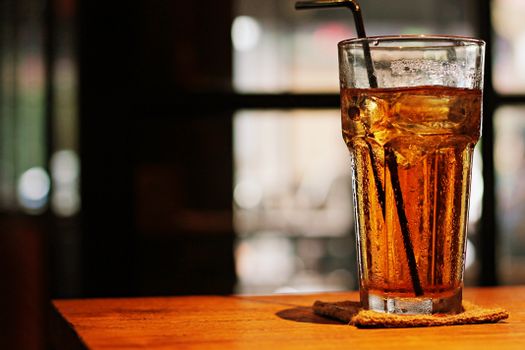
The air was thick with the scent of anise, a faint herbal sweetness, and a palpable sense of anticipation. I was sitting in a dimly lit bar in Prague, the kind with plush velvet and a history etched into every wooden beam. Before me, a bartender, with the gravitas of a seasoned alchemist, was performing a ritual: slowly dripping ice water over a sugar cube perched on a slotted spoon, dissolving it into a glass of cloudy, emerald-green liquid. This wasn't just any drink; this was Absinthe, the legendary "Green Fairy," and back home in the States, it was largely a forbidden myth, shrouded in tales of madness and artistic inspiration.
That night, as the complex flavors danced on my tongue and the subtle warmth spread through me, I realized something profound. Travel isn't just about seeing new places; it’s about experiencing new sensations, challenging your perceptions, and sometimes, tasting the very things that are deemed off-limits in your own backyard. It sparked a quest: to seek out those trending, culturally significant, or simply infamous drinks that are banned or heavily restricted in my home country (the USA), but are thriving, celebrated, or simply available elsewhere.
This isn't an endorsement for reckless consumption, but rather an invitation to explore the fascinating world of beverages with an open mind, a sense of adventure, and above all, responsibility. So, pack your bags (and your curiosity), because we’re diving into the world of forbidden sips that are making waves across the globe!
1. The Green Fairy's Revival: Absinthe in the Old World
My first encounter with Absinthe in Prague wasn’t just a drink; it was an initiation. For decades, Absinthe was synonymous with hallucinogenic properties and driving artists like Van Gogh and Oscar Wilde to madness, leading to widespread bans across Europe and the US in the early 20th century. The culprit was believed to be thujone, a chemical compound found in wormwood, the spirit's key ingredient. While modern science largely debunks the hallucinatory claims, the mystique remains.
Today, Absinthe is legal in many countries, including the US, but with strict limits on thujone content. The real magic, however, lies in experiencing the traditional, higher-thujone versions and the intricate serving ritual in places where its history is deeply embedded.
My Experience:
My Prague experience was just the beginning. I later found myself in Paris, at a quaint bistro in Montmartre, trying another variant. The ritual is half the fun: watching the cloudy "louche" form as water dilutes the potent spirit, releasing its complex botanical aromas of anise, fennel, and wormwood. It's a slow drink, meant for contemplation and conversation, not chugging. The feeling is less a "high" and more a gentle, clear-headed euphoria – a true "fairy" whisper, not a scream.
Where to Find It & What to Expect:
* Prague, Czech Republic: A hub for Absinthe culture. Bars like Absintherie or U Medvidku (which also brews its own beer) offer a range of traditional Absinthes. Expect to pay anywhere from €8-€15 per glass, depending on the brand and ABV. Many places will guide you through the traditional preparation.
* Paris, France: The birthplace of the Green Fairy. Seek out specialty bars like La Fée Verte (The Green Fairy) in the 11th arrondissement. Prices are similar to Prague, but the atmosphere often feels more authentically Parisian.
* Zurich, Switzerland: Where Absinthe was invented. While harder to find dedicated bars, many upscale cocktail bars will feature it.
Tips for the Traveler:
* Respect the Ritual: Don't just shoot it. The traditional preparation with sugar and water is crucial for enhancing the flavor and experience.
* Start Slow: Absinthe is potent (often 50-75% ABV). Sip slowly and understand your limits.
* Look for "Verte" or "Blanche": These refer to the green (from botanicals) or clear (uncolored) varieties.
* Instagram Moment: The louche effect, the slotted spoon, and the elaborate glass make for a stunning photo op! Use #GreenFairy or #AbsintheRitual.
2. The Pacific's Chill-Out Drink: Kava in Fiji & Beyond
From the bustling streets of Europe, let’s teleport to the serene, sun-drenched islands of the South Pacific. Here, a completely different kind of "banned" drink (at least in some US states and often viewed with suspicion by Western health authorities) reigns supreme: Kava. Made from the root of the Piper methysticum plant, Kava is a non-alcoholic sedative and anxiolytic beverage central to social and ceremonial life across Polynesia and Melanesia.
My Experience:
My first encounter with Kava was in a small village on Fiji's main island, Viti Levu. I was invited to a traditional Kava ceremony, sitting cross-legged on a mat alongside local villagers. The Kava, a murky, earthy-smelling liquid, was served in a communal tanoa (a wooden bowl) and passed around in a small coconut shell (bilo). The taste was... an acquired one. Earthy, peppery, and slightly numbing on the tongue and lips. After a few shells, a profound sense of relaxation washed over me. My worries melted away, replaced by a gentle calm and an openness that facilitated genuine connection with my Fijian hosts. It wasn't intoxicating in the way alcohol is, but rather a tranquil, almost meditative state.
Where to Find It & What to Expect:
* Fiji: Kava (or yaqona as it’s known locally) is ubiquitous. You'll find it in villages, local markets, and even dedicated Kava bars in tourist towns like Nadi or Suva. Expect to pay FJD 10-20 for a small bag of dried Kava root at a market, or FJD 5-15 for a few bilos at a Kava bar.
* Vanuatu: Considered the home of the strongest Kava varieties. Look for "nakamals" (Kava bars) in Port Vila.
* Hawaii, USA: While Kava is restricted in some US states, it's legal and culturally significant in Hawaii. Kava bars are popping up in cities like Honolulu, offering a taste of the Pacific without leaving US soil.
Tips for the Traveler:
* Participate Respectfully: If invited to a traditional ceremony, observe local customs (e.g., clapping before and after drinking).
* Taste is Secondary: Don't expect it to taste like a cocktail. It's about the experience and the effect.
* Hydrate: Kava can be dehydrating. Drink plenty of water.
* Don't Mix: Avoid mixing Kava with alcohol or other sedatives.
* Instagram Moment: The communal tanoa bowl, the bilo, and the relaxed, smiling faces of fellow drinkers make for an authentic and heartwarming photo. Use #KavaTime or #FijiVibe.
3. The Canned Chaos: Original Four Loko Abroad
Remember the original Four Loko? The "blackout in a can" that combined potent alcohol with caffeine, guarana, and taurine? It became a notorious symbol of reckless partying and was eventually banned in the US and Canada due to health concerns over the dangerous mix of stimulants and depressants. But here's the kicker: the original formula still exists and thrives in certain international party destinations, particularly in parts of Asia and Mexico, where regulations are different.
My Experience:
During a backpacking trip through Southeast Asia, specifically in a bustling hostel district in Bangkok, I stumbled upon a small convenience store advertising "Original Four Loko." The bright, almost neon-colored cans were unmistakable. Curiosity (and a dash of youthful folly) got the better of me. Sharing a can with a few new friends from the hostel, the experience was... intense. It delivered on its reputation for a rapid, disorienting buzz that felt different from regular alcohol. It was definitely an experience that made me understand why it was banned back home – the energy it provided masked the level of intoxication, making it easy to overdo it.
Where to Find It & What to Expect:
* Southeast Asia: Countries like Thailand, Vietnam, and the Philippines often have stores stocking the original formula, especially in tourist-heavy party zones. Prices vary but are generally cheaper than in the US (expect $3-$6 USD per can).
* Mexico: Border towns and popular tourist destinations might carry the original formulation.
* Europe: Less common, but sometimes specialty import stores or certain party islands might have it.
Tips for the Traveler:
* Extreme Caution: This drink is banned for a reason. Its combination of stimulants and depressants can be dangerous.
* Know Your Limits (and then some): One can is often equivalent to several standard alcoholic drinks AND a strong coffee. Sip very slowly, or better yet, avoid it if you're not absolutely sure of your tolerance and surroundings.
* Stay Hydrated: The stimulating effects can mask dehydration.
* Never Mix: Do NOT mix Four Loko with other alcohol or drugs.
* Instagram Moment: The distinctive, brightly colored can against a backdrop of a bustling Asian night market or a lively hostel common room. #FourLokoAbroad #BannedButBack
4. The Andean Altitude Ally: Mate de Coca in Peru & Bolivia
Venturing high into the Andes, we encounter a drink deeply woven into the fabric of indigenous culture, yet strictly illegal in many countries, including the US: Mate de Coca, or coca leaf tea. Made from infusing coca leaves (the same plant from which cocaine is derived) in hot water, this tea has been consumed for millennia by Andean communities for its mild stimulating properties, its ability to combat altitude sickness, and its cultural significance.
My Experience:
Arriving in Cusco, Peru, at over 11,000 feet, the first thing I noticed was the shortness of breath and a dull headache – classic symptoms of altitude sickness. Upon checking into my hotel, a steaming cup of Mate de Coca was offered, almost as a standard welcome. The taste was surprisingly pleasant, a bit like green tea with an earthy, slightly bitter undertone. Within an hour, my headache had receded, and I felt a gentle lift in energy, enough to explore the ancient streets without feeling completely winded. It wasn't a "high" in any recreational sense; it was more like the subtle pick-me-up of strong coffee, but without the jitters, coupled with a genuine sense of well-being. I continued to drink it throughout my stay, finding it an indispensable companion.
Where to Find It & What to Expect:
* Peru: Ubiquitous in high-altitude regions like Cusco, the Sacred Valley, and Puno. Hotels often offer it for free. You can buy bags of dried coca leaves in local markets for S/5-10 (Peruvian Soles) and brew your own.
* Bolivia: Similar to Peru, it's widely available and consumed, especially in La Paz and other mountainous areas.
* Colombia, Ecuador, Argentina (Northwest): Also found in regions with significant indigenous Andean populations.
Tips for the Traveler:
* Embrace the Tradition: It's a vital part of Andean culture. Drink it with an understanding of its history and significance.
* Altitude Relief: It genuinely helps with symptoms of altitude sickness.
* No "High": Don't expect a psychoactive experience. The amount of alkaloids in the tea is minimal and metabolized differently than cocaine.
* Customs Concern: While legal and common in these countries, bringing coca leaves or tea bags back to the US is illegal. Consume it responsibly in situ.
* Instagram Moment: A steaming cup of Mate de Coca with the stunning backdrop of the Andes mountains or a bustling Cusco market. #MateDeCoca #AndeanCulture #AltitudeBuddy
5. The Thrill of the Forbidden & Responsible Exploration
The allure of the forbidden is undeniable. There’s a certain thrill in trying something that holds a taboo status back home, a feeling of stepping outside the lines and into a different cultural understanding. But with this thrill comes a significant responsibility. The reasons behind bans and restrictions are often rooted in public health concerns, historical context, or cultural preservation.
Practical Tips for Responsible Exploration:
- Do Your Research: Before you travel, understand the legal status of any "banned" drink in both your home country and your destination. What's legal in Prague might land you in trouble in Dubai.
- Understand the "Why": Why is it banned or restricted? Is it health concerns (Four Loko), historical stigma (Absinthe), or cultural sensitivity (Mate de Coca)? This context enriches your experience and guides your caution.
- Seek Reputable Sources: Don't buy drinks from shady street vendors. Go to established bars, reputable shops, or participate in cultural ceremonies.
- Ask Locals: They are the best guides to understanding the drink, its proper consumption, and its role in their society.
- Know Your Body: Everyone reacts differently to substances. Start with small amounts, especially with potent or unfamiliar drinks. Pay attention to how you feel.
- Never Drive/Operate Machinery: This is a universal rule for any intoxicating beverage.
- Don't Bring It Home (Unless Legal): Customs regulations are strict. Don't risk legal trouble by trying to smuggle banned substances.
- Prioritize Safety: Travel with friends, stay aware of your surroundings, and let someone know your plans.
Exploring these drinks isn't about breaking rules; it's about breaking down cultural barriers and understanding the diverse ways humanity interacts with its environment and traditions. It's about experiencing a piece of the world that remains out of reach for many.
Conclusion: Sip, Savor, and Share Your Story
My journey into the world of banned-but-trending drinks has been nothing short of eye-opening. From the anise-laced whispers of Absinthe in a Parisian café to the earthy calm of Kava under a Fijian sunset, each sip has been a lesson in history, culture, and responsible adventure. These drinks, often misunderstood or demonized, tell stories of resilience, tradition, and human ingenuity.
So, the next time you find yourself far from home, with an adventurous spirit and a thirst for the unique, consider seeking out one of these intriguing beverages. Approach it with respect, curiosity, and a commitment to responsible travel. You might just discover a new favorite, a deeper understanding of a culture, or a fantastic story to share.
What forbidden sips have you encountered on your travels? Share your experiences, tips, and favorite destinations in the comments below! Let’s keep the conversation going and inspire more responsible adventures. Cheers to stepping outside our comfort zones and embracing the world, one unique drink at a time!
---