The Silent Revolution: Why Your 2024 Bucket List Just Got Shorter (and Faster)
I stepped off the Afrosiyob high-speed train in Samarkand, and for a second, I forgot I was in Central Asia. The air smelled of toasted cumin from a nearby bazaar and the crisp, metallic scent of a brand-new station. Just three years ago, this journey from Tashkent would have been a grueling, five-hour bone-shaker in a shared taxi. Today? It’s a 120-minute glide at 250 km/h with a cup of hot chai in my hand and Wi-Fi that’s faster than my apartment’s in Brooklyn.
We are witnessing a global pivot. While traditional hotspots are crumbling under over-tourism and aging grids, a group of "underdog" nations has spent the last decade pouring billions into concrete, steel, and fiber optics. For the traveler, this means the "frontier" is no longer synonymous with "frustration."
Here are the countries with the fastest improving infrastructure emerging this year—and why you need to book your ticket before the rest of the world catches the train.
---
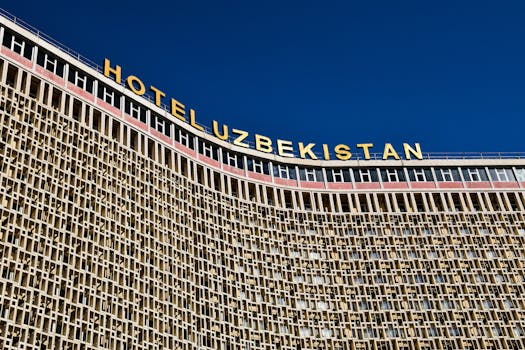
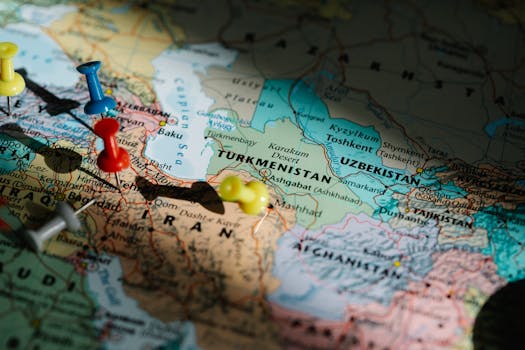
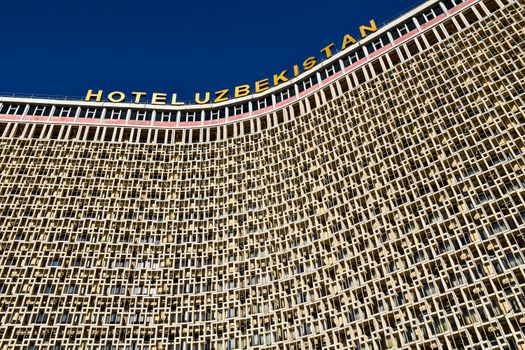
1. Uzbekistan: The Silk Road, Accelerated
Uzbekistan isn't just "emerging"; it’s sprinting. The government has realized that to reclaim its status as the center of the world, it needs the hardware to match the history.
The Transformation:
The star of the show is the Afrosiyob high-speed rail network. It now connects Tashkent, Samarkand, and Bukhara with surgical precision. But the real news for this year is the expansion toward Khiva and the massive overhaul of regional airports. The new terminal at Samarkand International (SKD) looks like a giant open book and has tripled passenger capacity, making direct flights from Europe and the Middle East a breeze.
Insider Perspective:
Don't just look at the trains. Look at the E-visa portal. It’s one of the smoothest in the world. I cleared customs in Tashkent in under eight minutes—a feat unheard of in most Western hubs.
- Pro-Tip: Book your Afrosiyob tickets exactly 45 days in advance via the "Uzrailway" app. They sell out instantly because locals love them as much as tourists do.
- The Hidden Gem: The newly renovated "Tashkent Metro" stations aren't just transport; they are underground palaces. Check out the Kosmonavtlar station for a blue-tinted, space-age aesthetic that’s a photographer’s dream.
---
2. Saudi Arabia: From Sandbox to Smart State
You’ve heard the hype about Neom, but the infrastructure shift in Saudi Arabia is happening now in the cities you can actually visit today.
The Transformation:
The Haramain High-Speed Railway is a game-changer, linking the holy cities of Medina and Mecca via Jeddah at 300 km/h. Meanwhile, Riyadh is currently a forest of cranes as it builds one of the world’s largest metro systems simultaneously. But for the leisure traveler, the Red Sea Global project is the crown jewel. They’ve opened their own international airport (RSI) specifically to serve luxury resorts, powered entirely by renewable energy.
Insider Perspective:
The "Saudi flow" is real. The digital infrastructure here is so integrated that you can pay for a street-side mutabbaq (stuffed pancake) with Apple Pay in a remote desert outpost.
- Pro-Tip: Use the 'Nusuk' app for more than just religious permits; it’s a gateway to understanding crowd flows in major hubs.
- The Hidden Gem: The "Via Riyadh" district. It’s a masterclass in modern "Salmani" architecture—blending ancient stone textures with ultra-modern climate control.
---
3. Vietnam: The Dragon’s New Tracks
Vietnam has long been a favorite for its soul, but its infrastructure was... adventurous. That’s changing with breathtaking speed in 2024.
The Transformation:
The long-awaited Ho Chi Minh City Metro (Line 1) is finally hitting its stride, promising to de-clog the chaotic streets of District 1. Furthermore, the Long Thanh International Airport is rising from the ground to replace the cramped Tan Son Nhat. But the real win is the coastal highway system. The new expressways have cut the drive time from Hanoi to Sapa and Ha Long Bay nearly in half.
Insider Perspective:
I noticed the change most in Da Nang. The city has become a "smart city" testbed. The bridges are iconic, but the 5G penetration and the ease of the "Grab" (Uber equivalent) integration make it the most seamless city in Southeast Asia for digital nomads.
- Pro-Tip: When taking the new express buses, look for "Limo" services. These aren't stretch hummers; they are modified Ford Transits with massage seats and high-speed USB-C charging.
- Logistics: The Hanoi-Haiphong Expressway is a marvel. What used to be a 4-hour slog is now a 1.5-hour breeze.
---
4. Rwanda: The Singapore of Africa
Kigali is a city that functions with a quiet, terrifying efficiency. It is arguably the cleanest city on the planet, and its infrastructure is the reason why.
The Transformation:
Rwanda is betting big on Bugesera International Airport, set to be a massive regional hub. But the real "infrastructure" here is green and digital. The city is lined with dedicated e-moto (electric motorcycle taxi) lanes and the "Irembo" platform has digitized almost every government interaction.
Insider Perspective:
Walking through Kigali at 11 PM feels safer than walking through Zurich. The street lighting is impeccable, and the "Car-Free Zones" in the Central Business District have turned the city into a walkable, lush garden.
- Pro-Tip: Don't bring plastic bags; they are illegal and will be confiscated at the border. Rwanda’s "infrastructure" includes its environmental laws.
- Quick Fact: Rwanda has one of the highest fiber-optic penetrations in Africa. Your Zoom call will be clearer in the Volcanoes National Park than in many London cafes.
---
5. Greece: The Mediterranean 2.0
Greece is using its post-pandemic recovery to leapfrog into the future, focusing on "The Ellinikon"—Europe’s largest urban regeneration project.
The Transformation:
The Ellinikon is transforming the old Athens airport site into a smart city twice the size of Monaco. But for the island hopper, the real infrastructure win is the modernization of 14 regional airports (like Mykonos, Santorini, and Corfu) and the rollout of 5G across even the most remote Cycladic islands.
Insider Perspective:
I spent a week on Naxos recently. The "Digital Nomad Visa" isn't just a gimmick; the government has subsidized high-speed hubs in old stone buildings. You’re working on a 500Mbps connection while staring at a 2,500-year-old temple.
- Pro-Tip: Use the "Ferryhopper" app. The integration with the new automated port gates in Piraeus makes boarding a high-speed catamaran as easy as boarding a flight.
- The Hidden Gem: The "Great Mile" walk in Athens, which connects all major archaeological sites into one seamless, paved, pedestrian-friendly loop.
---
Quick Facts & Logistics Table
| Country | Key Infrastructure Project | Best Time to Visit | Est. Daily Budget (Mid-range) | Ease of Transport (1-10) |
| :--- | :--- | :--- | :--- | :--- |
| Uzbekistan | Afrosiyob High-Speed Rail | Sept - Nov | $50 - $80 | 9/10 (Train) |
| Saudi Arabia | Riyadh Metro / Red Sea Air | Oct - March | $150 - $250 | 8/10 (Digital) |
| Vietnam | HCMC Metro / Coastal Highways | Feb - April | $40 - $70 | 7/10 (Improving) |
| Rwanda | Bugesera Int. Airport | June - Sept | $100 - $150 | 9/10 (Urban) |
| Greece | The Ellinikon / 5G Rollout | May, June, Sept | $120 - $200 | 8/10 (Inter-island) |
---
Why This Matters for You
Infrastructure is the "invisible hand" of travel. When it works, you don't notice it—you just notice that you aren't tired, you aren't lost, and you aren't stressed. These five countries are proving that you don't need to sacrifice comfort to experience the "new."
The "Secret" isn't just that these places have new roads; it's that they have built a bridge between their ancient souls and a high-tech future. Go now, while the asphalt is still fresh and the crowds are still looking at maps of the old world.
---