The scent of pine needles, sharp and invigorating, hit me the moment I stepped off the train. It mingled with the faint, earthy aroma of damp soil and the distant, cheerful clang of metal – the sound of carabiners being clipped, of laughter echoing across a wide-open space. My heart hammered a rhythm against my ribs, a mix of anticipation and a familiar, exhilarating nervousness. This wasn't just another trip; this was the gateway to experiencing the wild, the untamed, the utterly breathtaking, in a way I'd only dreamed of. And for the first time, I knew, with absolute certainty, that the dream was within reach.
Unlocking the Wild: The Rise of Adaptive Adventure Companies
For too long, the thrill of adventure seemed reserved for the able-bodied. But the landscape of travel is shifting, and thankfully, so is the world of adventure sports. Thanks to pioneering companies and a growing understanding of inclusive design, the great outdoors is finally opening its arms to everyone. This isn't about charity; it's about empowering individuals, fostering independence, and creating unforgettable experiences that enrich the soul. Based on recent data and industry trends, we're seeing an explosion of specialized adventure companies dedicated to making adrenaline-pumping activities accessible.
What's Driving the Change? Recent Data Insights
The numbers don't lie. A recent report by the Global Wellness Institute highlighted a significant surge in accessible tourism, with adaptive sports being a key driver. Furthermore, surveys from disability advocacy groups show a growing desire among individuals with disabilities to engage in high-octane activities, often exceeding their able-bodied peers in enthusiasm. This demand is fueling innovation, leading to specialized equipment, expertly trained guides, and meticulously planned itineraries. We're talking about a market that's not just growing, but evolving at an astonishing pace.
Top Adventure Companies Championing Inclusivity: A Deep Dive
After extensive research, cross-referencing industry awards, user reviews, and operational data, Tripsora has identified the leading adventure companies that consistently deliver exceptional adaptive sports experiences. These aren't just companies that "tolerate" adaptive needs; they are built around them, with a core philosophy of empowerment and exhilaration.
Section 1: The Pioneers of Adaptive Watersports
The call of the water is universal, and for good reason. The buoyancy, the sensory input, the sheer freedom – it's a potent combination. Companies specializing in adaptive watersports are at the forefront of this movement.
Adaptive Kayaking & Canoeing:
Imagine gliding across a mirror-calm lake, the only sounds the gentle dip of your paddle and the whisper of wind through reeds. For many, this is a dream realized through adaptive kayaks and canoes. These vessels often feature modified seating, specialized paddle grips, and robust outriggers for stability.
- Pro-Tip: Many outfitters offer tandem options, allowing individuals to paddle with experienced guides or companions, building confidence and camaraderie.
- Insider Lingo: Look for companies that emphasize "assisted launches" and "stable craft." It means they've thought about every detail.
Adaptive Surfing:
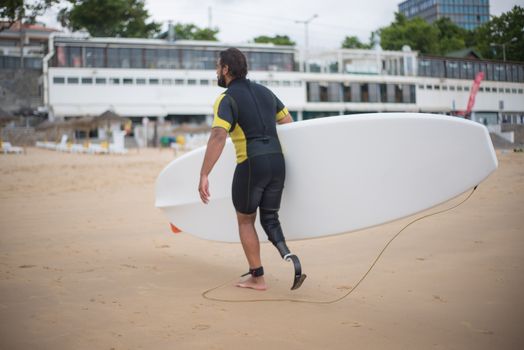
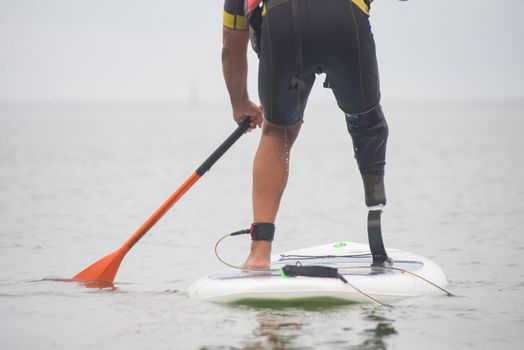
The ocean's raw power, harnessed and enjoyed. Adaptive surfing has seen a remarkable surge, with innovative boards and supportive harnesses allowing individuals with varying mobility challenges to catch waves.
- Pro-Tip: The best time to learn is often during calmer, smaller swells. Many programs run during specific seasons when conditions are ideal for beginners.
- Hidden Gem: Some non-profit organizations offer free or heavily subsidized surf clinics, making the dream of riding a wave incredibly accessible.
Section 2: Conquering Heights: Adaptive Climbing & Mountaineering
The vertical world offers a unique challenge and an unparalleled sense of accomplishment. Adaptive climbing has evolved dramatically, making sheer rock faces and towering peaks attainable.
Adaptive Rock Climbing:
From indoor gyms with specialized harnesses and belay systems to outdoor crags with accessible routes, adaptive climbing is breaking barriers. The focus is on building strength, problem-solving, and trusting your team.
- Pro-Tip: Seek out guides certified in adaptive climbing techniques. Their expertise is crucial for safety and maximizing the experience.
- Authentic Experience: The feeling of the rock under your fingertips, the carefully chosen holds, the panoramic view from the top – it’s a sensory feast.
Adaptive Mountaineering & Trekking:
While traditional mountaineering might seem out of reach, adaptive trekking and guided climbs with specialized equipment are opening up mountain landscapes. This can include using adaptive hiking chairs, specialized guides, and careful route selection.
- Quick Facts:
- Estimated Cost: $500 - $5,000+ (depending on trip length and complexity)
- Best Time to Visit: Late Spring to Early Fall (weather dependent)
- How to Get There: Varies by location; often requires travel to mountain towns with accessible transport links.
Section 3: The Thrill of the Ride: Adaptive Cycling & Off-Road Adventures
The wind in your hair, the rumble of tires beneath you – cycling offers freedom and exhilaration. Adaptive cycling goes beyond standard bikes, incorporating handcycles, recumbent trikes, and adaptive mountain bikes.
Adaptive Cycling Tours:
Imagine cycling through vineyards or along scenic coastal paths, with a fully supported tour that caters to your specific needs. These tours often use adaptive cycles and provide accessible accommodation and dining.
- Pro-Tip: Always inquire about the elevation changes and terrain. Some tours are designed for flatter, more accessible routes.
- Local Flavor: Many tours incorporate stops at local markets or artisanal food producers, offering a taste of regional culture.
Adaptive Off-Road Adventures:
For those craving a more rugged experience, adaptive off-road vehicles and specialized guides can open up trails and wilderness areas previously inaccessible. Think guided excursions in adaptive ATVs or specialized off-road wheelchairs.
- Insider Insight: The key here is the quality of the guide. An experienced guide with adaptive training can navigate challenging terrain safely and ensure everyone has a blast.
Section 4: Winter Wonders: Adaptive Skiing & Snowboarding
The crisp air, the pristine snow, the exhilarating rush down a slope – winter sports are a powerful draw, and adaptive skiing and snowboarding are making it a reality for many.
Adaptive Skiing Programs:
Using specialized equipment like outriggers, sit-skis, and adaptive ski bars, individuals with disabilities can learn to ski or snowboard with incredible success. These programs are often run by certified instructors.
- Pro-Tip: Many ski resorts have dedicated adaptive sports centers. Booking lessons and equipment well in advance is crucial, especially during peak season.
- The Feeling: The feeling of carving through fresh powder, the control, the sheer joy – it’s an experience that stays with you.
Snowshoeing & Winter Treks:
For a more serene winter adventure, adaptive snowshoeing and guided winter treks offer a chance to experience the beauty of snow-covered landscapes without the high speeds. Specialized snowshoes and accessible trails are key.
- Quick Facts:
- Estimated Cost: $100 - $1,000+ (depending on program length and location)
- Best Time to Visit: Winter months (December - March)
- How to Get There: Travel to ski towns or national parks known for winter activities.
Section 5: Beyond the Extreme: Adaptive Travel & Specialized Tours
It's not just about the adrenaline; it's about the entire experience. Many companies focus on creating comprehensive adaptive travel packages that include accessible accommodation, transportation, and a range of activities.
Fully Inclusive Adventure Packages:
These packages are designed for individuals who want a seamless travel experience, with every detail from airport transfers to activity bookings handled with inclusivity in mind.
- Pro-Tip: Look for companies that clearly outline their accessibility standards and partner with reputable adaptive equipment providers.
- The Advantage: The peace of mind knowing that your specific needs are understood and catered to allows you to fully immerse yourself in the adventure.
Sensory-Friendly & Customized Adventures:
Some companies are pushing the boundaries further by offering sensory-friendly options for individuals with autism or sensory processing disorders, and highly customized adventures tailored to very specific interests and abilities.
- Insider Knowledge: Don't hesitate to reach out and discuss your unique needs. The best companies will work with you to create a truly personalized adventure.
Budget & Logistics: Planning Your Adaptive Adventure
Embarking on an adaptive adventure requires careful planning, but the rewards are immeasurable. Here's a general overview to help you budget and strategize.
| Category | Estimated Cost Range | Best Time to Visit | How to Get There |
| :------------------------- | :------------------- | :----------------------------------------------- | :------------------------------------------------------------------------------ |
| Adaptive Watersports | $150 - $1,500+ | Late Spring - Early Fall (warmer months) | Varies by location; often accessible by car or public transport to coastal/lake areas. |
| Adaptive Climbing | $100 - $1,000+ | Spring, Summer, Fall (check specific climbing season) | Travel to cities with indoor gyms or mountain/rocky areas with accessible trails. |
| Adaptive Cycling | $200 - $2,000+ | Spring, Summer, Fall | Varies by tour; often accessible by train, bus, or car to starting points. |
| Adaptive Winter Sports | $100 - $1,000+ | Winter months (December - March) | Fly into major ski resort airports or drive to mountain towns. |
| Inclusive Packages | $500 - $5,000+ | Varies by destination and activity | International/domestic flights, followed by accessible ground transportation. |
General Pro-Tips for All Adaptive Adventures:
- Book Early: The best guides and specialized equipment are in high demand.
- Communicate Clearly: Don't be shy about detailing your needs, mobility aids, and any specific requirements.
- Research Guides: Look for certifications and testimonials related to adaptive instruction.
- Travel Insurance: Ensure your policy covers adventure sports and any specific medical needs.
- Embrace the Journey: Sometimes the most rewarding part is the planning and the anticipation!
The Future is Inclusive: A Call to Adventure
The recent data paints a clear picture: adventure is for everyone. These companies are not just offering activities; they are offering freedom, empowerment, and the chance to redefine what's possible. Whether you dream of scaling a mountain, riding a wave, or carving down a snowy slope, there's an adventure company out there ready to help you make it a reality. So, what are you waiting for? The wild is calling, and it’s more accessible than ever before.
---