The Currency Arbitrage Revolution: How I Found Five-Star Luxury for Three-Star Prices
I stepped off the sleek, lilac-accented Shinkansen train at Kyoto Station, and was immediately enveloped by the rich, earthy aroma of roasted hojicha tea wafting from a nearby station kiosk. The rhythmic clack-clack of wooden geta sandals on wet stone pavement echoed through the chilly evening air.
As I checked my banking app to calculate the cost of the multi-course kaiseki dinner I had booked months ago—featuring marbled A5 Wagyu, delicate sea urchin, and hand-whisked matcha—I had to double-check the decimal point. Thanks to the historic depreciation of the Japanese Yen, this once-in-a-lifetime meal cost me less than a casual steak dinner back home in London.
This isn't an anomaly; it is the new reality of travel.
```
+-------------------------------------------------------------------------+
| THE SMART TRAVELER'S CREED |
| "Don't search for cheap flights; search for mispriced economies." |
+-------------------------------------------------------------------------+
```
Global currency markets are experiencing unprecedented shifts. While domestic inflation has made staying at home expensive, foreign exchange trends have quietly unlocked massive discounts in some of the world’s most spectacular destinations.
If you know where to look, you can live like royalty for a fraction of the usual cost. Here is your definitive, boots-on-the-ground guide to the destinations with the absolute best currency exchange trends emerging this year.
---
1. Japan: The Golden Era of the Yen Arbitrage
For decades, Japan was the "someday" destination—a place you saved up for years to visit. Today, the Japanese Yen (JPY) is hovering near historic multi-decade lows against the US Dollar and the Euro. This means your purchasing power in Tokyo, Kyoto, and beyond has effectively doubled compared to five years ago.
```
Exchange Trend: JPY has weakened by over 30% against major western currencies over the last three years.
```
The Insider Experience
Walk into a high-end omakase sushi bar in Ginza, Tokyo. Normally, a 20-course meal prepared by a master chef who massages the octopus for 40 minutes before serving would run you $350 USD. Today, that same meal converts to roughly $130 USD.
The value extends far beyond dining. Luxury ryokans (traditional inns) in Hakone, complete with private open-air hot springs (onsen) overlooking Mount Fuji, are suddenly priced within reach of mid-range travelers.
- Pro-Tip: To avoid hefty ATM conversion fees in Japan, load a digital Suica or Pasmo card directly into your Apple or Google Wallet using a credit card that has zero foreign transaction fees. You can use this digital card to pay for trains, convenience stores, and even casual restaurants with a tap.
---
2. Argentina: Navigating the MEP Rate and the Blue Dollar
Argentina has long been a masterclass in currency complexity, but recent financial reforms and the stabilization of the MEP (Mercado Pago Electrónico) rate have made it incredibly easy—and astonishingly cheap—for international travelers to visit.
```
Exchange Trend: Foreign credit cards now automatically receive the favorable "MEP rate," eliminating the need to carry physical bricks of cash to trade on the street.
```
The Insider Experience
In Buenos Aires, the "Paris of South America," you can dine at world-renowned steakhouses like Don Julio or La Cabrera for a fraction of what you would pay in New York or London. Order an ojo de bife (ribeye) the size of an encyclopedia, accompanied by a bottle of deep, velvety Malbec from Mendoza. The bill? Barely $30 USD.
Head south to Patagonia, where the jagged granite peaks of Mount Fitz Roy await. What used to be a prohibitively expensive trekking expedition is now highly accessible.
- Pro-Tip: While your foreign credit card will automatically get the excellent MEP rate for most transactions, always keep a small amount of cash. Ask for the tarjeta de extranjero rate at boutique hotels to save an additional 21% on lodging (VAT tax refund for tourists).
---
3. Turkey: Aegean Glamour Without the Riviera Price Tag
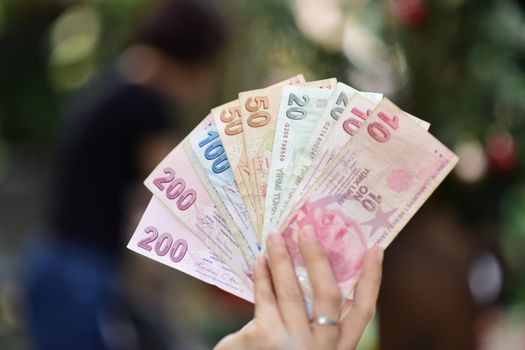
While Turkey has battled high domestic inflation, the Turkish Lira (TRY) has continued its downward trajectory, making the country an absolute steal for travelers holding hard currencies. The key here is to look beyond the ultra-touristy pockets of Istanbul and head toward the stunning Aegean coast.
```
Exchange Trend: The Turkish Lira continues to offer massive value advantages for foreign currency holders, outstripping local price increases in mid-to-high-end sectors.
```
The Insider Experience
Skip the overpriced French Riviera and head to Bodrum or the sleepy, bougainvillea-draped stone streets of Alaçatı. Here, you can stay in a beautifully restored Greek stone mansion, enjoy a traditional Turkish breakfast spread (kahvaltı) consisting of 25 small plates of fresh cheeses, olives, clotted cream (kaymak), and local honey, and spend your afternoon on a private wooden gulet yacht cruising turquoise waters.
- Pro-Tip: Avoid exchanging cash at airport booths, which charge up to a 15% commission. Instead, walk to the nearest municipal bank ATM (like Ziraat Bankası) in town to withdraw Lira at the official interbank rate.
---
4. Colombia: High-Altitude Coffee and Caribbean Soul
The Colombian Peso (COP) has experienced significant volatility, offering windows of incredible value for international visitors. Colombia is no longer a budget-backpacker-only secret; it is a premier destination for luxury eco-tourism and design-forward boutique hotels.
```
Exchange Trend: The COP remains highly favorable, allowing travelers to enjoy premium experiences in South America's most biodiverse country on a modest budget.
```
The Insider Experience
Imagine staying in a private villa suspended over the cloud forest canopy in the Coffee Triangle (Eje Cafetero), waking up to the calls of exotic toucans, and sipping freshly brewed Geisha coffee harvested just yards from your bed.
In Cartagena, the historic walled city offers colonial-era mansions converted into stunning boutique hotels. Sip a passionfruit-infused cocktail at a rooftop bar overlooking the Caribbean Sea as the sun dips below the horizon, painting the sky in shades of bruised plum and gold.
- Pro-Tip: When paying with a credit card in Colombia, the terminal will often ask if you want to be charged in your home currency or Colombian Pesos. Always choose Colombian Pesos (COP). Choosing your home currency triggers Dynamic Currency Conversion (DCC), which carries terrible exchange rates.
---
5. South Africa: Five-Star Safaris for a Fraction of the Cost
The South African Rand (ZAR) has long been sensitive to global market shifts, making South Africa a perennial favorite for currency-savvy travelers. This year, the exchange rate trends are heavily tilted in favor of incoming tourists.
```
Exchange Trend: The Rand's persistent weakness against the USD and EUR makes high-end wilderness safaris and world-class culinary tours remarkably affordable.
```
The Insider Experience
A luxury safari in the Greater Kruger area—complete with private game drives led by expert trackers, gourmet bush dinners under the Milky Way, and plunge pools overlooking watering holes frequented by elephants—normally costs upwards of $1,500 USD per night. With current exchange rates, these bucket-list lodges are frequently booked for under $600 USD per night.
In Cape Town, dine at award-winning restaurants along the Clifton coastline or take a day trip to the historic wine estates of Stellenbosch and Franschhoek for tastings that cost less than a glass of house wine in London.
- Pro-Tip: Renting a car in South Africa is incredibly cheap due to the weak Rand. Book a vehicle with a local provider like Woodford rather than international chains to secure the absolute lowest local rates.
---
6. Vietnam: Southeast Asia's Best-Kept Luxury Secret
While Vietnam has always been a budget-friendly destination, the current strength of western currencies against the Vietnamese Dong (VND) has pushed it into the realm of ultra-affordable luxury.
```
Exchange Trend: The VND has remained stable yet highly favorable, allowing travelers to scale up their accommodation and dining choices to the absolute top tier.
```
The Insider Experience
Instead of staying in basic guesthouses, you can book five-star heritage hotels in Hanoi’s French Quarter or reserve a private pool villa overlooking the dramatic karst formations of Ninh Binh for under $100 USD a night.
Take a luxury overnight cruise through the emerald waters of Lan Ha Bay (the quieter, more pristine neighbor of Halong Bay). Feast on fresh grilled lobster and local oysters on the deck of a boutique wooden junk boat as the mist rolls over the limestone cliffs.
- Pro-Tip: Street food in Vietnam is safe, delicious, and practically free. Look for stalls crowded with locals sitting on tiny plastic stools. Order the bún chả (grilled pork with noodles) or bánh mì—you’ll get a Michelin-level flavor experience for less than $2 USD.
---
Quick Facts & Budget Comparison
Use this handy index to compare your potential savings across our top-rated currency arbitrage destinations:
| Destination | Est. Daily Budget (Luxury) | Best Time to Visit | How to Get There | Local Currency (Code) |
| :--- | :--- | :--- | :--- | :--- |
| Japan | $150 - $220 USD | Oct - Nov (Autumn Foliage) | Fly into Tokyo Haneda (HND) or Narita (NRT) | Japanese Yen (JPY) |
| Argentina | $100 - $150 USD | Oct - Dec (Springtime) | Fly into Buenos Aires Ezeiza (EZE) | Argentine Peso (ARS) |
| Turkey | $120 - $180 USD | Apr - May & Sep - Oct | Fly into Istanbul (IST) or Bodrum (BJV) | Turkish Lira (TRY) |
| Colombia | $90 - $140 USD | Dec - Mar (Dry Season) | Fly into Bogotá (BOG) or Medellín (MDE) | Colombian Peso (COP) |
| South Africa| $180 - $280 USD | May - Sep (Best for Safari) | Fly into Cape Town (CPT) or Johannesburg (JNB) | South African Rand (ZAR) |
| Vietnam | $70 - $120 USD | Nov - Apr | Fly into Hanoi (HAN) or Ho Chi Minh City (SGN) | Vietnamese Dong (VND) |
---
Smart Travel Financial Hacks for Any Destination
To truly capitalize on these emerging currency trends, you must travel smart. Avoid the common financial pitfalls that quietly eat away at your hard-earned exchange advantages:
- Ditch the Traditional Banks: Open a checking account with a bank that offers worldwide ATM fee rebates (such as the Charles Schwab High Yield Investor Checking account in the US, or Starling Bank/Monzo in the UK).
- Use Wise (formerly TransferWise): If you need to pay a local tour operator or boutique hotel via bank transfer, never use a traditional wire transfer. Use Wise to get the real mid-market exchange rate with transparent, rock-bottom fees.
- Monitor Exchange Rates in Real-Time: Download the Xe Currency App to track live rates. Set up rate alerts so you can pre-book hotels or purchase local domestic flights when the currency dips in your favor.
---
The Verdict: Don't Wait to Book
Currency markets are highly dynamic. The incredible exchange rate advantages we are seeing in Japan, Argentina, and South Africa won't last forever as local economies adjust and tourism demand drives prices back up.
If you have been dreaming of sipping Malbec in the shadow of the Andes, soaking in a hot spring in Hakone, or tracking lions across the African savannah, this is your year to go. Your wallet will thank you.
---