The Unseen Current: Where Ancient Healing Meets Modern Wanderlust
I stepped off the train in Kyoto, and the air itself felt different. It wasn't just the crisp, cool autumn breeze carrying the scent of burning incense from a nearby temple; it was an almost palpable sense of calm, a quiet hum of ancient wisdom woven into the very fabric of the city. This wasn't my first rodeo in Japan, but this time, my mission was different. I was chasing the whisper of traditional medicine, not as a fleeting fad, but as a deeply ingrained, accessible part of daily life – a path increasingly recommended by the sharpest minds in travel advisory.
For too long, we’ve relegated "wellness travel" to resort spas and detox retreats. But what if the most profound healing experiences are found not in hushed, white-walled rooms, but in bustling marketplaces, sacred forests, and villages where time-honored practices are as common as morning tea? As a travel journalist with a penchant for the authentic and an SEO strategist always hunting for the next big thing, I’ve seen the shift. Travel advisors, the gatekeepers of unforgettable experiences, are increasingly guiding their discerning clients towards destinations where traditional medicine isn't just an option – it's the mainstream.
1. India: The Cradle of Ayurveda and Unrivaled Holistic Depth
When you think of traditional medicine, India is often the first, and arguably the most comprehensive, destination that springs to mind. Ayurveda, the "science of life," isn't just a treatment; it's a philosophy that permeates every aspect of life, from diet and daily routines to spiritual practices.
The Sensory Immersion:
Imagine the pungent aroma of turmeric and cumin wafting from a local kitchen, the gentle murmur of Sanskrit chants from an ashram, and the feeling of warm, medicated oil being expertly massaged into your skin. My first Ayurvedic consultation in Kerala was less a doctor's visit and more a deep dive into my very being. The practitioner, with eyes that held generations of knowledge, didn't just ask about my symptoms; she observed my pulse, my tongue, my skin, and even my energy. The result? A personalized regimen of herbs, dietary changes, and daily practices that left me feeling more balanced than I had in years.
Pro-Tips:
* Kerala is the Ayurvedic heartland. Look for government-approved treatment centers and reputable Ayurvedic resorts.
* Timing is key. The monsoon season (June-August) is considered the best time for intensive Ayurvedic treatments as the humidity aids in detoxification.
* Go beyond the resort. Explore local Ayurvedic pharmacies (many have been run by the same families for centuries) for authentic herbal remedies. Ask about Chyawanprash for immunity!
Quick Facts: India (Ayurveda Focus)
| Category | Details |
| :---------------- | :------------------------------------------------------------------- |
| Estimated Cost | $500 - $3000+ USD (for a week-long retreat, depending on luxury) |
| Best Time to Visit | October to March (pleasant weather), June to August (for Panchakarma) |
| How to Get There | Major international airports in Delhi (DEL), Mumbai (BOM), Chennai (MAA), Kochi (COK). |
| Insider Tip | Learn a few basic Hindi or regional phrases; it’s greatly appreciated. |
2. China: The Ancient Art of TCM and Harmonizing the Body's Qi
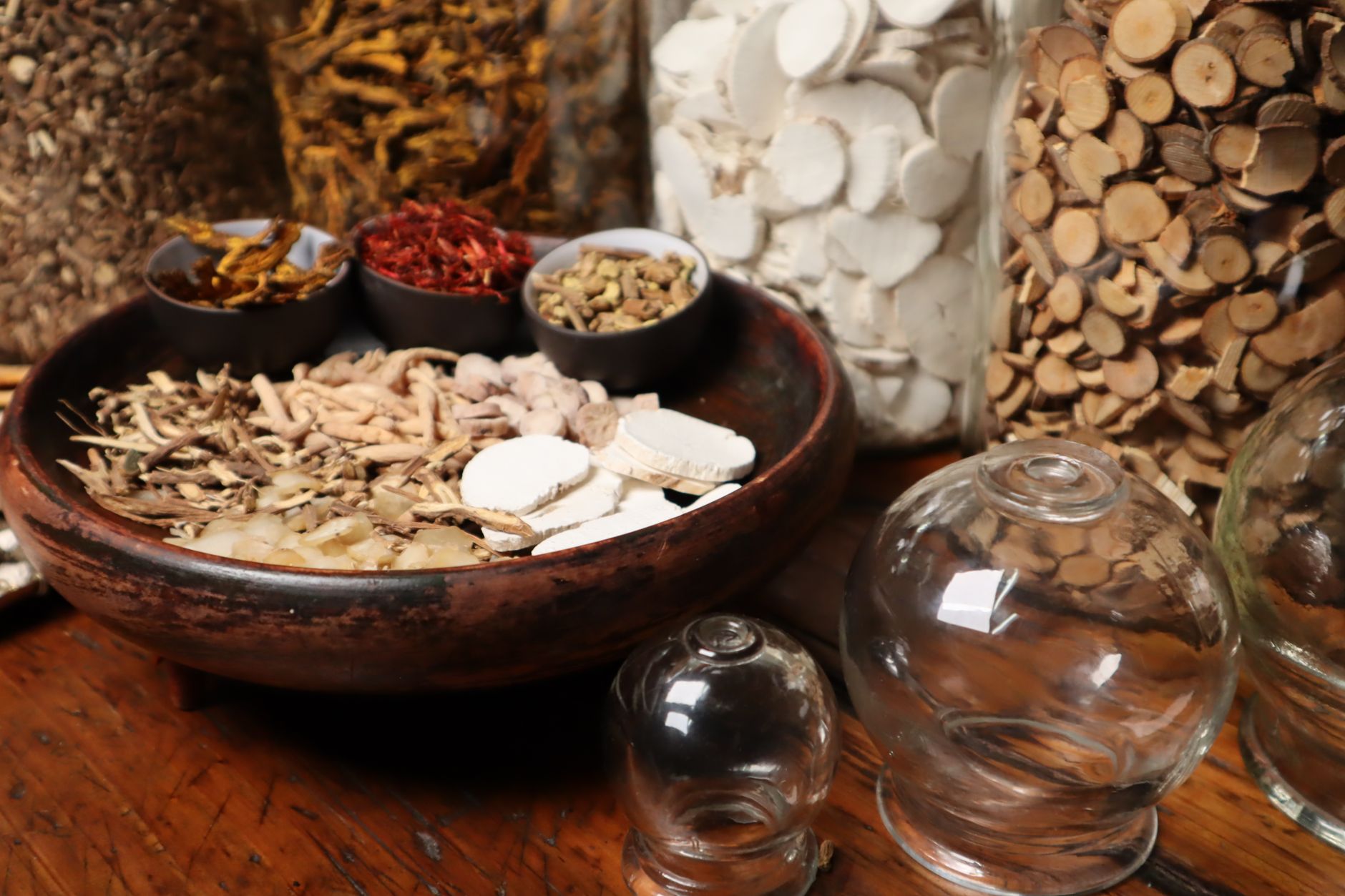
Traditional Chinese Medicine (TCM) is a sophisticated system that has evolved over thousands of years, focusing on maintaining the body's vital energy, or Qi. Acupuncture, herbal medicine, and Tui Na (therapeutic massage) are its cornerstones.
The Tangible Connection:
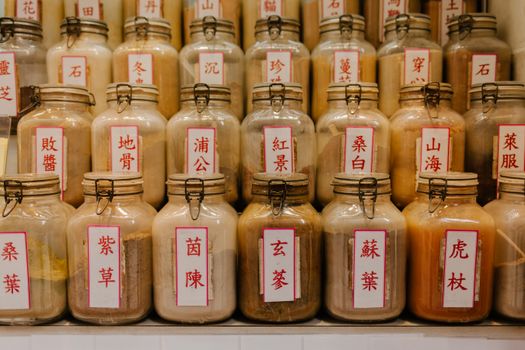
In Beijing, I found myself in a bustling TCM hospital, a far cry from the sterile Western equivalents. Here, the waiting rooms were filled with people of all ages, some receiving acupuncture, others consulting with practitioners amidst shelves overflowing with dried herbs. The air hummed with a quiet efficiency, the scent of specific, often potent, herbal concoctions hanging subtly. I experienced Tui Na after a long flight, and the deep, targeted pressure points worked wonders to release tension I hadn't even realized I was holding. It was a physical dialogue with my body, guided by ancient knowledge.
Pro-Tips:
* Seek out accredited hospitals. Many offer TCM departments that are both professional and accessible.
* Don't be afraid of the herbs. While the smell can be intense, they are often prescribed based on your specific imbalance. A local guide or translator can be invaluable.
* Consider a TCM wellness tour. These often combine cultural sightseeing with visits to TCM practitioners and workshops.
Quick Facts: China (TCM Focus)
| Category | Details |
| :---------------- | :------------------------------------------------------------------- |
| Estimated Cost | $300 - $2000+ USD (for consultations and treatments, varies widely) |
| Best Time to Visit | Spring (April-May) and Autumn (September-October) for comfortable weather. |
| How to Get There | Major international airports in Beijing (PEK), Shanghai (PVG), Guangzhou (CAN). |
| Insider Tip | Many TCM practitioners speak some English in major cities, but a translator is recommended for in-depth consultations. |
3. Peru: The Mystical Power of Shamanic Healing and Amazonian Botanicals
Peru offers a profound journey into indigenous healing traditions, deeply connected to the Amazon rainforest and the Andes mountains. Shamanic practices, often involving plant-based ceremonies and spiritual cleansings, are a powerful form of traditional medicine.
The Primal Resonance:
My experience deep in the Amazon basin was transformative. The jungle itself felt alive, a symphony of buzzing insects, chattering monkeys, and the rustle of unseen creatures. The scent of damp earth and exotic flowers was intoxicating. Under the guidance of a curandero (healer), I participated in a San Pedro cactus ceremony. It was an intense, deeply spiritual experience, offering profound insights and emotional release. This wasn't just about physical ailment; it was about spiritual and emotional well-being, a holistic approach that Western medicine is only beginning to explore.
Pro-Tips:
* Choose your facilitator wisely. Research reputable shamanic retreat centers and experienced, ethical practitioners. Look for those with strong community ties and a commitment to preserving traditional knowledge.
* Be prepared for intensity. Shamanic ceremonies can be physically and emotionally challenging. Ensure you are mentally and physically ready.
* Respect the sacredness. Understand that these are not tourist attractions but deeply spiritual practices. Approach with humility and an open heart.
Quick Facts: Peru (Shamanic Focus)
| Category | Details |
| :---------------- | :------------------------------------------------------------------- |
| Estimated Cost | $1000 - $5000+ USD (for a week-long retreat, highly variable) |
| Best Time to Visit | Dry season (May to October) for easier jungle access. |
| How to Get There | Major international airport in Lima (LIM). Flights to Cusco (CUZ) for Andean regions. |
| Insider Tip | Many retreat centers offer pre-ceremony preparation and post-ceremony integration support. |
4. South Korea: The Korean Wave of Holistic Well-being (Hansik & Hanbang)
South Korea seamlessly blends cutting-edge technology with ancient traditions. Hanbang, the umbrella term for traditional Korean medicine, encompasses herbal remedies, acupuncture, and dietary therapy (Hansik).
The Refined Balance:
Seoul is a city of contrasts, where neon lights meet serene temples. I visited a Hanbang clinic, a modern facility with a distinctly Korean aesthetic, where practitioners prescribed herbal formulas based on individual Sasang constitutional types. The taste of the prescribed herbal tea was earthy and complex, a far cry from a simple supplement. The focus on Hansik – the art of Korean food as medicine – was particularly fascinating. I learned how specific ingredients are used to boost immunity, improve digestion, and balance energy, all within the context of delicious, artfully prepared meals.
Pro-Tips:
* Explore Hanbang clinics in major cities. Many offer English-speaking staff.
* Try Hansik cooking classes. Understanding the medicinal properties of Korean ingredients is a delicious way to engage with Hanbang.
* Visit a traditional Korean spa (jjimjilbang). While not strictly TCM, they often incorporate herbal saunas and therapies.
Quick Facts: South Korea (Hanbang Focus)
| Category | Details |
| :---------------- | :------------------------------------------------------------------- |
| Estimated Cost | $100 - $1000+ USD (for consultations, treatments, and herbs) |
| Best Time to Visit | Spring (April-May) and Autumn (September-November) for mild weather. |
| How to Get There | Major international airport in Seoul (ICN). |
| Insider Tip | Learn about the four Sasang constitutional types (Tae-yang, So-yang, Tae-eum, So-eum) – it’s a foundational concept. |
5. Mexico: The Deep Roots of Indigenous Healing and Spiritual Cleansing
Mexico boasts a rich tapestry of indigenous healing traditions, deeply intertwined with its history and culture. Mayan and Aztec traditions, in particular, offer powerful insights into natural remedies and spiritual healing.
The Ancestral Echo:
In the Yucatán Peninsula, the scent of copal incense filled the air as a Mayan healer performed a cleansing ritual. The vibrant colors of traditional weaving and the rhythmic beat of a drum created an atmosphere of profound connection to the earth and ancestors. I experienced Temazcal, a traditional sweat lodge ceremony, which felt like a primal rebirth. The heat, the steam infused with medicinal herbs, and the guided chants were an intense, purifying experience, leaving me feeling cleansed from the inside out.
Pro-Tips:
* Seek out indigenous communities. Many offer authentic healing experiences, but it's crucial to approach with respect and an open mind.
* Look for workshops on traditional Mayan medicine. These can offer a deeper understanding of local plants and their uses.
* Be aware of tourist traps. Authenticity is key; look for genuine community-led initiatives.
Quick Facts: Mexico (Indigenous Focus)
| Category | Details |
| :---------------- | :------------------------------------------------------------------- |
| Estimated Cost | $50 - $500+ USD (for ceremonies and consultations, varies greatly) |
| Best Time to Visit | Dry season (December to April) for most regions. |
| How to Get There | Major international airports in Mexico City (MEX), Cancún (CUN). |
| Insider Tip | Learning about the spiritual significance of specific plants, like the Copal tree, enhances the experience. |
The Modern Traveler's Quest for Authentic Wellness
As travelers, we are evolving. We crave experiences that nourish our souls, connect us to the earth, and leave us with a lasting sense of well-being. The destinations listed above are not just places to visit; they are invitations to participate in ancient wisdom, to witness firsthand how traditional medicine has been the bedrock of health for millennia.
Travel advisors are noticing this shift. They're seeing clients who are tired of superficial fixes and are instead seeking deeper, more meaningful ways to heal and rejuvenate. These are the places where you can taste the medicine in your food, feel it in the hands of a practitioner, and breathe it in the very air. It's a journey that promises not just a vacation, but a profound personal transformation.
This is the future of travel: a conscious exploration of global healing traditions, guided by the wisdom of those who have preserved them for generations. So, pack your bags, open your mind, and prepare to embark on a journey that will truly change the way you experience the world – and yourself.