The Scent of Serenity: My First Encounter with Ayurvedic Insight
I stepped off the train in Kochi, the humid air thick with the mingled scents of cardamom, jasmine, and the salty tang of the Arabian Sea. It wasn't just the vibrant chaos of the station that jolted me awake; it was a profound sense of anticipation. For months, I'd been battling a relentless fatigue, a brain fog that made simple tasks feel monumental, and digestive issues that Western medicine struggled to pinpoint. I’d read about Ayurveda, the ancient Indian system of medicine, but experiencing it firsthand, especially with the promise of it addressing these very modern ailments, felt like stepping into a different dimension of healing. This wasn't just about a spa day; it was a quest for answers, for restoration, and for a deeper understanding of my own body.
Ayurveda: More Than Just Massage, It's a Diagnostic Revolution
For too long, Ayurveda has been relegated to the realm of relaxation and spa treatments in the West. But the truth is far more profound. At its core, Ayurveda is a sophisticated diagnostic and therapeutic system, honed over millennia, that views health as a delicate balance of mind, body, and spirit. What's exciting for us this year, 2024, is the growing recognition and adaptation of Ayurvedic principles to diagnose and treat the very Western health issues that are emerging at an alarming rate: chronic stress, autoimmune conditions, gut dysbiosis, hormonal imbalances, and persistent fatigue.
This isn't about replacing Western medicine; it's about integrating it. Ayurvedic practitioners are now adept at understanding the nuances of modern lifestyles and their impact on our doshas (Vata, Pitta, Kapha) – the fundamental energies that govern our physiology. They look beyond symptoms to identify the root cause, often found in imbalances stemming from our diet, environment, stress levels, and emotional well-being.
Top Ayurvedic Centers Diagnosing Western Health Issues in 2024
The landscape of Ayurvedic healing is vast, but a select few centers are truly at the forefront of applying this ancient wisdom to contemporary Western health challenges. These are not just places for a quick treatment; they are institutions dedicated to in-depth diagnosis and personalized, long-term healing.
1. Kottakkal Arya Vaidya Sala (Kerala, India) - The Legacy of Purity
When I think of authentic, time-tested Ayurveda, Kottakkal immediately springs to mind. It's not just a center; it's an institution with a legacy dating back to 1902. While they offer a comprehensive range of treatments, their strength lies in their deep understanding of chikitsa (treatment) for chronic conditions.
What makes them stand out for Western issues?
Their physicians are trained in classical Ayurvedic texts and apply them rigorously to modern ailments. They excel at diagnosing conditions like autoimmune disorders and chronic inflammatory responses by analyzing your pulse (nadi pariksha), tongue, eyes, and overall constitution. They don't just treat the inflammation; they seek to rebalance the underlying Pitta and Vata imbalances that often fuel it.
Pro-Tip:
Book your initial consultation well in advance. The demand is high, and the physicians dedicate significant time to each patient. For a truly immersive experience, consider their inpatient programs.
---
2. The Ayurvedic Experience (Various Locations, India & Global Partnerships) - Modern Science Meets Ancient Wisdom
This is where the integration truly shines. The Ayurvedic Experience (TAE) is a network of centers that bridges the gap between traditional Ayurvedic diagnostics and modern scientific understanding. They often incorporate advanced diagnostic tools alongside classical Ayurvedic assessments.
What makes them stand out for Western issues?
They are particularly adept at diagnosing gut health issues (dysbiosis, IBS, SIBO) and hormonal imbalances. Their approach often involves detailed dietary analysis, lifestyle assessments, and sometimes even referrals for conventional lab tests, which they then interpret through an Ayurvedic lens. They understand how modern diets and stress impact the agni (digestive fire) and the resulting ama (toxins).
Insider Language:
They talk about mala (waste products) and how their accumulation, due to poor agni, can lead to a cascade of systemic issues. They focus on restoring ahara (diet) and vihara (lifestyle) to promote optimal dhatu (tissue) health.
Pro-Tip:
Inquire about their personalized diet plans. They are incredibly detailed and tailored to your specific prakriti (constitution) and vikriti (current imbalance).
---
3. Somatheeram Ayurvedic Village Resort (Kerala, India) - Holistic Healing by the Sea
Nestled on the picturesque coast of Kerala, Somatheeram offers a unique blend of authentic Ayurvedic treatment and a serene resort experience. While it's a beautiful place to relax, their medical team is serious about diagnosis and treatment.
What makes them stand out for Western issues?
They have a strong focus on stress management, anxiety, and mental wellness. Their diagnostic approach looks at how Vata imbalance, often exacerbated by modern life, can manifest as restlessness, insomnia, and cognitive difficulties. They also address chronic fatigue by understanding the interplay between mind and body.
What to expect:
Beyond consultations, expect therapies like Shirodhara (a continuous stream of warm oil on the forehead) to calm the nervous system, and Abhyanga (full body oil massage) to ground and nourish. The sound of the waves is an inherent part of the healing process here.
Pro-Tip:
Arrive with an open mind and a willingness to disconnect. The tranquil environment is crucial for the diagnostic process to yield the best results.
---
4. Sree Chaitanya Ayurveda Chikitsalaya (Various Locations, India) - Personalized Treatment Plans
This center, with its multiple branches, is known for its highly personalized approach. They believe that no two individuals are alike, and therefore, no two treatment plans should be either.
What makes them stand out for Western issues?
They are excellent at diagnosing and managing metabolic disorders and inflammation-related conditions. Their physicians delve deep into understanding your lifestyle, stress triggers, and dietary habits to pinpoint the root cause of imbalances. They are skilled at identifying how inflammation, a common thread in many Western diseases, manifests in your unique constitution.
Insider Tip:
Don't hesitate to ask detailed questions about your diagnosis. The physicians are patient and eager to educate you about your body's unique needs according to Ayurvedic principles.
---
5. AyurVAID Hospitals (Bengaluru, India) - Bridging the Gap with Evidence-Based Ayurveda
AyurVAID is a pioneer in integrating Ayurveda into mainstream healthcare, often working in tandem with conventional medical practitioners. They are a hospital setting, which means they are equipped for more complex cases.
What makes them stand out for Western issues?
They are at the forefront of using Ayurvedic principles to manage lifestyle diseases like diabetes, hypertension, and digestive disorders. Their diagnostic process is thorough, often involving Ayurvedic assessments alongside modern medical diagnostics to provide a comprehensive picture. They focus on the concept of Saptadhatus (seven body tissues) and how imbalances in one can affect the others, leading to systemic issues.
Pro-Tip:
If you have a complex or chronic condition, AyurVAID offers a structured approach that can be reassuring and effective.
---
The Ayurvedic Diagnostic Process: What to Expect
So, you're considering diving into Ayurvedic diagnosis for your Western health woes. What does that actually look like? It’s a far cry from a quick questionnaire.
The Pillars of Diagnosis:
- Nadi Pariksha (Pulse Diagnosis): This is the cornerstone. A skilled practitioner will feel your pulse at your wrist, discerning subtle variations that indicate the state of your doshas, organs, and even emotional patterns. I was amazed at how much the physician could tell me just by holding my wrist.
- Jihva Pariksha (Tongue Diagnosis): The color, texture, coating, and shape of your tongue can reveal a wealth of information about your digestive health, liver function, and the presence of toxins.
- Netra Pariksha (Eye Diagnosis): The iris, sclera, and the whites of your eyes can offer insights into your Pitta balance and organ health.
- Sparsha Pariksha (Touch Diagnosis): This includes feeling the skin's temperature, texture, and moisture.
- Mala Pariksha (Stool & Urine Analysis): While not always glamorous, examining these waste products provides crucial information about digestion and detoxification.
- Akruti Pariksha (Physical Examination): This involves observing your overall body type, posture, and any visible imbalances.
- Manasika Pariksha (Mental & Emotional Assessment): Your mental state, sleep patterns, stress levels, and emotional well-being are integral to the diagnosis.
Beyond the Symptoms: Understanding Your Doshas
The core of Ayurvedic diagnosis lies in understanding your Prakriti (your innate constitution, determined at conception) and your Vikriti (your current state of imbalance). Western health issues often arise when our lifestyle and environment push us out of our Prakriti, leading to a Vikriti.
For example, persistent brain fog and anxiety might be diagnosed as a Vata imbalance, characterized by dryness, lightness, and erratic qualities. Inflammation and digestive upset could point to a Pitta imbalance, marked by heat, intensity, and sharpness. Lethargy and congestion might indicate a Kapha imbalance, with qualities of heaviness, slowness, and dampness.
The beauty of this system is that it doesn't just label you with a disease; it explains why you might be experiencing those symptoms based on your unique energetic blueprint.
Tailored Treatments: Beyond a One-Size-Fits-All Approach
Once your diagnosis is complete, the treatment plan is meticulously crafted. This is where Ayurveda truly shines in addressing Western health concerns because it’s hyper-personalized.
Common Ayurvedic Therapies for Modern Ailments:
- Dietary Recommendations (Ahara): This is paramount. You'll receive specific advice on foods to eat and avoid, tailored to your doshic imbalance. This is crucial for addressing gut health, inflammation, and metabolic issues.
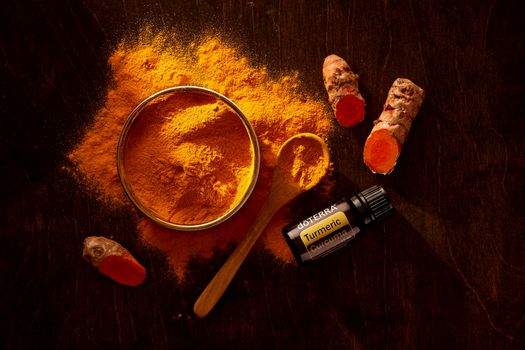
- Herbal Medicine (Dravya Guna): Potent, natural remedies are prescribed to address specific imbalances and support organ function. Think Ashwagandha for stress, Turmeric for inflammation, or Triphala for digestion.
- Panchakarma: This is a series of detoxification and rejuvenation therapies designed to eliminate toxins (ama) and restore balance. It can be incredibly effective for chronic fatigue, autoimmune conditions, and deep-seated stress.
- Vamana (Therapeutic Vomiting): For Kapha imbalances.
- Virechana (Therapeutic Purgation): For Pitta imbalances.
- Basti (Medicated Enema): For Vata imbalances.
- Nasya (Nasal Administration): For imbalances in the head and neck region.
- Raktamokshana (Bloodletting): Used judiciously for certain Pitta disorders.
- Lifestyle Modifications (Vihara): This includes recommendations for sleep, exercise, meditation, and daily routines to support your healing journey.
- Yoga & Pranayama: Specific practices are often recommended to calm the nervous system, improve circulation, and enhance energy flow.
Pro-Tip:
Be prepared for your treatment plan to be holistic. It won't just be about taking a pill; it will involve a comprehensive lifestyle shift.
---
Quick Facts: Planning Your Ayurvedic Journey
| Feature | Estimated Cost ($USD) | Best Time to Visit | How to Get There |
| :------------------ | :-------------------- | :----------------- | :------------------------------------------------------- |
| Kottakkal Arya Vaidya Sala | $50 - $300/day (Consultation/Treatment) | October - March | Fly into Kochi (COK) or Kozhikode (CCJ), then taxi/bus. |
| The Ayurvedic Experience | $70 - $250/day (Consultation/Treatment) | October - March | Varies by location; major cities have international airports. |
| Somatheeram Ayurvedic Village Resort | $150 - $400/day (Includes accommodation & treatments) | September - April | Fly into Kochi (COK), then taxi. |
| Sree Chaitanya Ayurveda Chikitsalaya | $40 - $200/day (Consultation/Treatment) | October - March | Varies by location; major cities have international airports. |
| AyurVAID Hospitals | $60 - $220/day (Consultation/Treatment) | October - March | Fly into Bengaluru (BLR). |
Note:
Costs are estimates and can vary significantly based on the length of stay, specific treatments, and chosen accommodation. Always check the center's official website for the most up-to-date pricing and booking information.
---
The Lasting Impact: More Than Just a Cure
My journey into Ayurvedic diagnosis for my Western health issues was transformative. It wasn't just about finding relief from my symptoms; it was about gaining a profound understanding of my body and how it interacts with the world. The practitioners I encountered didn't just treat a disease; they treated me. They empowered me with knowledge and tools to maintain balance long after my treatments ended.
If you're feeling unheard by conventional medicine, or if you're seeking a deeper, more holistic approach to your health challenges, this year is the perfect time to explore the diagnostic prowess of Ayurveda. These centers are not just offering treatments; they are offering a pathway to true, sustainable well-being. It’s time to listen to your body's ancient wisdom.
---