The Hook: A Whisper of Snow and Opportunity
I stepped off the train, the crisp winter air biting at my cheeks, carrying with it the faint, comforting scent of roasted chestnuts and something vaguely floral – perhaps winter jasmine. The usual frantic rush of arrival was absent. Instead, a hushed anticipation hung in the air, amplified by the soft crunch of my boots on a dusting of fresh snow. This wasn't just another city; it felt like a secret, a whispered promise of something extraordinary. And for remote workers like me, it was. This was the kind of place where the extraordinary – free accommodation – was becoming a reality, a winter trend I was thrilled to explore.
Winter's Unexpected Gift: Free Stays for Digital Nomads
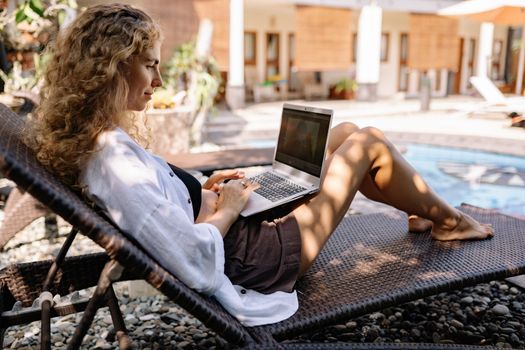
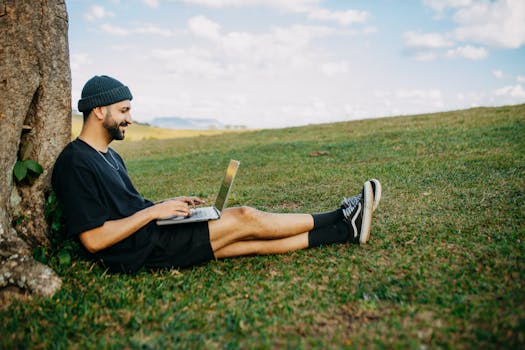
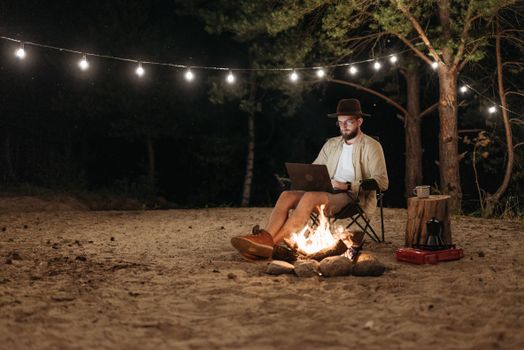
The digital nomad landscape is constantly shifting, always on the lookout for the next best place to work, live, and explore. This winter, a fascinating trend has emerged: a growing number of cities are actively wooing remote workers by offering them free accommodation. It’s a bold move, a testament to their understanding of the economic and cultural boost that a vibrant remote workforce can bring. Forget pricey co-living spaces or the constant hunt for affordable Airbnbs. We’re talking about stepping into a fully furnished apartment, a charming guesthouse, or even a private room, all without the hefty price tag. This isn't a myth; it's a strategic initiative designed to inject life into local economies during the off-season.
Why Now? The Strategic Shift
Cities are realizing that winter, often perceived as a slow period, can be a golden opportunity. By attracting remote workers, they can:
- Boost Local Economies: Digital nomads are consumers. They eat at local restaurants, shop at independent stores, and utilize local services, providing a much-needed economic injection during quieter months.
- Fill Vacancies: Many accommodations, especially in tourist-dependent towns, sit empty during the winter. Offering them to remote workers is a smart way to generate revenue and maintain occupancy.
- Foster Community: A consistent influx of remote workers can bring new energy and ideas, enriching the local community and fostering cross-cultural exchange.
- Promote Long-Term Stays: Unlike fleeting tourists, remote workers often stay for longer periods, creating a more stable customer base.
Cities Leading the Charge: Your Winter Sanctuary Awaits
The allure of a free roof over your head while you work remotely is undeniable. But where are these magical destinations? While these programs can be fluid and change seasonally, here are a few cities that have either launched or are expected to continue offering incredible free accommodation incentives this winter.
1. The European Charm Offensive: Tartu, Estonia
Estonia has long been a pioneer in digital innovation, and Tartu, its vibrant university city, is no exception. Known for its intellectual buzz and picturesque old town, Tartu often rolls out initiatives to attract talent.
Pro-Tip:
Look for programs tied to their "European Capital of Culture" legacy or university collaborations. These often include subsidized or free housing for visiting professionals and creatives. The smell of freshly baked rye bread wafts from bakeries in the morning, a quintessential Estonian aroma.
Insider Scoop:
Many of these offers are facilitated through local co-working spaces or startup incubators. Reach out to them directly, even if the official program isn't widely advertised. The architecture here is a delightful mix of Baroque and Art Nouveau, with cobblestone streets that gleam after a fresh snowfall.
Quick Facts: Tartu, Estonia
| Feature | Details |
| :------------- | :------------------------------------------------- |
| Estimated Cost ($) | $0 (for accommodation), $800-$1500/month (living expenses) |
| Best Time to Visit | December - February (for the winter charm) |
| How to Get There | Fly into Tallinn Airport (TLL) and take a bus or train (approx. 2.5 hours) |
2. The Balkan Gem: Plovdiv, Bulgaria
Plovdiv, one of Europe's oldest continually inhabited cities, boasts a rich history, a thriving arts scene, and a surprisingly affordable cost of living. This winter, they're looking to attract digital nomads with enticing accommodation offers.
Pro-Tip:
Keep an eye on initiatives from the Plovdiv Cultural Capital Foundation or local municipalities. They often partner with private entities to provide housing. The sound of street musicians playing traditional Bulgarian folk tunes often echoes through the Kapana creative district.
Insider Scoop:
The "Old Town" with its colorful Revival-era houses is a UNESCO World Heritage site. Many of these historic buildings are being revitalized, and some offer subsidized apartments for remote workers looking to immerse themselves in history. Don't miss the local Shopska salad – a refreshing mix of tomatoes, cucumbers, peppers, onions, and grated sirene cheese.
Quick Facts: Plovdiv, Bulgaria
| Feature | Details |
| :------------- | :------------------------------------------------- |
| Estimated Cost ($) | $0 (for accommodation), $700-$1200/month (living expenses) |
| Best Time to Visit | January - March (for fewer crowds and cozy vibes) |
| How to Get There | Fly into Sofia Airport (SOF) and take a bus or train (approx. 2 hours) |
3. The Island Escape (with a Twist): Madeira, Portugal (Seasonal Programs)
While not always "free" in the purest sense, Madeira has consistently offered incredibly generous, long-term visa programs that include subsidized or significantly discounted accommodation for digital nomads. This winter, expect similar initiatives to be in place.
Pro-Tip:
Focus on programs advertised by the Madeira Digital Nomads Village or regional government initiatives. These often have specific application windows. The scent of subtropical flowers, even in winter, is intoxicating, mingling with the salty sea air.
Insider Scoop:
Madeira offers a unique blend of European sophistication and island tranquility. While you might not get a completely free stay, the value proposition is immense, allowing you to live in paradise for a fraction of the usual cost. Explore the levada walks – ancient irrigation channels that crisscross the island, offering breathtaking views. The local poncha drink, a potent mix of honey, lemon, and sugarcane spirit, is a must-try.
Quick Facts: Madeira, Portugal
| Feature | Details |
| :------------- | :------------------------------------------------- |
| Estimated Cost ($) | $300-$800/month (subsidized accommodation), $1000-$1800/month (living expenses) |
| Best Time to Visit | November - February (mild climate, fewer tourists) |
| How to Get There | Fly into Cristiano Ronaldo International Airport (FNC) |
4. The Undiscovered Eastern European Gem: Sibiu, Romania
Sibiu, a medieval city in Transylvania, is gaining traction for its charm, affordability, and growing digital nomad scene. Local initiatives are emerging to attract remote workers during the winter months.
Pro-Tip:
Engage with local co-working spaces and expat groups. They are often the first to know about new accommodation deals or relocation programs. The aroma of mulled wine and gingerbread spices fills the air during the festive season.
Insider Scoop:
Sibiu boasts a beautifully preserved historic center with Saxon influences. The "eyes" of the houses – distinctive dormer windows that look like watchful eyes – are a unique architectural feature. The surrounding Transylvanian countryside offers stunning natural beauty, perfect for weekend exploration.
Quick Facts: Sibiu, Romania
| Feature | Details |
| :------------- | :------------------------------------------------- |
| Estimated Cost ($) | $0 (for accommodation), $700-$1300/month (living expenses) |
| Best Time to Visit | January - March (for a true winter wonderland feel) |
| How to Get There | Fly into Sibiu International Airport (SBZ) or fly into Cluj-Napoca (CLJ) and take a train/bus |
Navigating the Free Accommodation Landscape: Your Strategy
Securing free accommodation requires a proactive and strategic approach. These aren't just handed out; they're often part of carefully designed programs.
1. Research is Key: Dig Deep
- Official City Websites: Many cities will announce these programs on their tourism or economic development pages.
- Digital Nomad Hubs: Websites like Nomad List, Remote Year, and various expat forums are invaluable for tracking emerging opportunities.
- Co-working Spaces & Incubators: These organizations are often at the forefront of attracting remote workers and may have direct partnerships for accommodation.
- Social Media: Follow relevant city accounts and digital nomad influencers on Instagram and Pinterest.
2. Understand the "Catch" (There Usually Isn't One, But...)
While the accommodation is often free, there might be:
- Program Requirements: You might need to prove you're a remote worker, commit to a minimum stay, or participate in community events.
- Application Processes: Be prepared for applications, interviews, and potentially a selection process.
- Limited Availability: These are popular offers, so act fast!
- Living Expenses: Remember, "free accommodation" doesn't mean free living. Budget for food, transportation, and activities.
3. Craft a Compelling Application
When applying, highlight:
- Your Remote Work Status: Clearly state your profession and how you contribute to the digital economy.
- Your Community Spirit: Express your desire to engage with the local community and contribute positively.
- Your Adaptability: Show that you're a responsible and respectful guest.
Beyond the Free Stay: Embracing the Local Culture
The true magic of these destinations lies not just in the zero-cost accommodation, but in the immersive experience they offer.
Immerse Yourself in the Local Flavors
Don't just work remotely; live remotely. Seek out authentic culinary experiences. In Tartu, try the kama (a traditional Estonian flour mix) pastries. In Plovdiv, indulge in banitsa (a cheese-filled pastry). In Madeira, savor espetada (skewered beef). These are the tastes that define a place.
Connect with the Community
Attend local events, learn a few basic phrases in the local language, and frequent local cafes. The warmth of the people is often the most valuable currency, and it's free. The sound of laughter spilling from a traditional tavern on a cold evening is infectious.
Explore Beyond the City Limits
These cities are often gateways to incredible natural beauty or historical sites. Take advantage of your free base to explore the surrounding regions. The feeling of discovering a hidden waterfall or a centuries-old monastery is unparalleled.
The Future is Remote, and It's Welcoming
The trend of cities offering free accommodation to remote workers is more than just a travel hack; it's a glimpse into the future of work and community. It signifies a shift towards valuing talent and contribution, regardless of geographical location. This winter, seize the opportunity to experience a new city, boost your productivity, and live your digital nomad dreams without the financial burden of rent. Pack your bags, polish your laptop, and get ready to embrace the extraordinary.