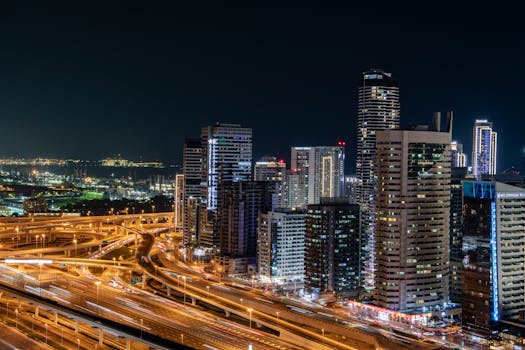
The Reality Check: Why Africa's Modern Metropolises Are Redefining Urban Travel
I stepped off the platform at Rabat-Agdal station into air so quiet you could hear a pin drop on the polished gray granite. Around me, travelers swiped digital QR codes at glass turnstiles while the double-decker Al Boraq high-speed train sat gleaming beneath futuristic overhead arches. It had just swept me across Moroccan soil at 320 kilometers per hour—smoothly enough that my mid-morning espresso hadn’t wobbled a millimeter on the tray table.
Having spent the previous week navigating a strike-ridden, litter-strewn train network in Southern Europe, the contrast was jarring. The narrative we’ve been fed about global urban development is outdated.
While historical European capitals grapple with crumbling centuries-old piping, perpetually delayed commuter rail systems, and endless bureaucratic inertia, a new cohort of African metropolises built their infrastructure directly for the 21st century. They skipped physical checks for unified mobile payments, bypassed old diesel grids for municipal solar installations, and built elevated expressways above urban traffic jams.
If you want historic cobblestones, book a trip to Old Europe. But if you want to experience cutting-edge urban planning, hyper-efficient mass transit, cashless eco-economies, and sleek contemporary architecture, here are five African cities more developed than European worth considering for your next adventure.
---
1. Kigali, Rwanda: The Cleanest, Safest Eco-Smart Capital on Earth
```
+-----------------------------------------------------------------------+
| INFRASTRUCTURE SNAPSHOT |
| Key Flex: 100% Cashless Public Transit & Zero Litter Policy |
| European Counterpart Outpaced: Brussels, Rome, Athens |
+-----------------------------------------------------------------------+
```
The Urban Reality
If you landed in Kigali blindfolded, you would assume you were in Zurich or Singapore. The streets of the Rwandan capital are manicured to a degree that makes most West European hubs look neglected. There are no discarded plastic wrappers on the asphalt, no graffiti tagged across public walls, and no diesel-choked alleyways.
Kigali’s transformation is driven by strict civic policies, including Umuganda—a monthly community cleanup and public works morning—and a national ban on single-use plastics that began long before Europe took action.
Why It Surpasses European Legacy Hubs
* Frictionless Smart Transit: Kigali runs an integrated, cashless public transit grid. Boarding an electric bus requires a single tap of an AC Group Tap-and-Go smart card or a phone wave. No hunting for paper ticket kiosks or handling loose coins.
* Hyper-Efficient Safety: You can walk through Kigali’s downtown neighborhood of Nyarugenge at 2:00 AM with a camera around your neck in absolute safety—something you cannot comfortably do in central Paris, Rome, or Barcelona today.
* Fiber-Optic Coverage: Modern Kigali is wired with city-wide 4G/5G broadband networks and public Wi-Fi zones integrated into outdoor streetlights.
```
[Downtown Nyarugenge]
│
(Tap-and-Go Bus System)
│
[Kimihurura Eco-Hub] ──► (Solar-Powered Street Grids)
│
[Inzora Rooftop Lounge]
```
Pro-Tips for Travelers
* The Secret Coffee Spot: Skip the tourist cafe lists. Head to the top floor of Inzora Rooftop Co. behind the public library in Kacyiru at 4:30 PM. Order a pour-over made with single-origin Western Province Bourbon beans, and watch the green hills fold into golden twilight.
* Local App: Download VubaVuba for local food and grocery delivery; it outperforms Uber Eats in speed and local service integration.
* Morning Walk: Walk through the Nyandungu Eco-Park, a restored wetland complex right in the city that features pristine paved bike paths, quiet timber boardwalks, and solar-powered rest stations.
---
2. Sandton (Johannesburg), South Africa: Africa’s Financial Wall Street
```
+-----------------------------------------------------------------------+
| INFRASTRUCTURE SNAPSHOT |
| Key Flex: The Gautrain & High-Density Smart Skyscrapers |
| European Counterpart Outpaced: Frankfurt, Milan |
+-----------------------------------------------------------------------+
```
The Urban Reality
While central Johannesburg has struggled with urban regeneration, Sandton—its glass-and-steel commercial heart—has surged ahead into high-density modern luxury. Often called "Africa's Richest Square Mile," Sandton’s core features futuristic architecture, interconnected luxury sky-bridges, and private high-speed security grids that mirror Singapore's financial district.
Why It Surpasses European Legacy Hubs
* The Gautrain System: The high-speed Gautrain links Sandton directly to O.R. Tambo International Airport in under 15 minutes. The stations are pristine, climate-controlled, guarded by biometric security, and maintain an exceptional on-time record that leaves legacy commuter systems like London’s Underground or the Paris RER behind.
* Architectural Heights: Sandton is home to The Leonardo, a 234-meter mixed-use skyscraper featuring smart-climate glass facades, private art collections, and energy-efficient cooling systems that dwarf standard European mid-rise business districts.
```
[O.R. Tambo Airport] ──(15-Min Gautrain Rail)──► [Sandton Central]
│
[The Leonardo / Alto234]
│
[Sandton City Skywalks]
```
Pro-Tips for Travelers
* The Sunset View: Skip the crowded hotel bars downstairs. Take the express glass elevator to Alto234, the highest urban rooftop bar on the African continent, located on the 55th floor of The Leonardo. Reserve a spot online 48 hours ahead for the 5:00 PM seating.
* Transit Hack: Get a contactless Gautrain card at the airport terminal; it links seamlessly to Sandton’s luxury shuttle network without requiring separate tickets.
---
3. Rabat & Casablanca, Morocco: High-Speed Rail & Coastal Smart Logistics
```
+-----------------------------------------------------------------------+
| INFRASTRUCTURE SNAPSHOT |
| Key Flex: Al Boraq 320km/h Rail & Modern Waterfront Marinas |
| European Counterpart Outpaced: Marseille, Naples, Lisbon |
+-----------------------------------------------------------------------+
```
The Urban Reality
Morocco's Atlantic coast displays a stark dynamic: centuries-old Andalusian-influenced Medinas sitting directly alongside high-speed infrastructure. Modern Rabat features wide, tree-lined boulevards, zero-emission tram lines, and the Grand Théâtre de Rabat—a landmark venue designed by the late Zaha Hadid.
Meanwhile, Casablanca has transformed into a financial engine via Casablanca Finance City (CFC), an eco-certified business zone with smart buildings, underground service corridors, and modern light rail.
```
[Tangier Port] ◄──── (Al Boraq High-Speed: 320 km/h) ────► [Rabat Agdal]
│
(Zero-Emission Trams)
│
[Casablanca CFC Hub]
```
Why It Surpasses European Legacy Hubs
* The Al Boraq Bullet Train: Connecting Tangier, Rabat, and Casablanca, this train runs smoothly at 320 km/h. First-class carriages feature comfortable leather seating, quiet work compartments, and pristine dining cars—at a fraction of the cost of France’s TGV or Italy’s Frecciarossa.
* Urban Greenery: Rabat was designated a Ville Verte (Green City). The urban master plan prioritizes manicured green corridors, public parklands, and solar panel arrays over industrial sprawl.
Pro-Tips for Travelers
* Train Booking: Don't queue at ticket windows. Use the ONCF-Trafic mobile portal to book First-Class seats on the Al Boraq 72 hours in advance. Request upper-deck seats (Voiture 1 or 2) facing west for coastline views.
* Architecture Tour: Visit the Grand Théâtre de Rabat early in the morning around 7:30 AM when the sun hits the fluid, ribbon-like concrete structures before the afternoon heat and crowds arrive.
---
4. Nairobi, Kenya: The Silicon Savannah & Elevated Transit
```
+-----------------------------------------------------------------------+
| INFRASTRUCTURE SNAPSHOT |
| Key Flex: Fully Cashless Mobile Economy (M-Pesa) & Sky Expressways |
| European Counterpart Outpaced: Athens, Dublin |
+-----------------------------------------------------------------------+
```
The Urban Reality
Nairobi is the tech innovation capital of East Africa. Known as the "Silicon Savannah," this city bypassed traditional banking and credit card infrastructure entirely, moving straight to a mobile-first digital currency economy. Combined with major engineering projects like the Nairobi Expressway—an elevated tollway slicing through the central city—Nairobi has modernized rapidly.
```
[Jomo Kenyatta Int'l] ──(Elevated Expressway)──► [Westlands Tech District]
│
(M-Pesa Cashless Grid)
│
[Alchemist / Rooftops]
```
Why It Surpasses European Legacy Hubs
* The M-Pesa FinTech Revolution: From high-end sushi bars in Westlands to local avocado vendors on street corners, 99% of transactions happen digitally via M-Pesa. You can travel across Nairobi for weeks without touching a physical bank note or credit card swipe machine.
* Elevated Expressways: The dual-carriageway Nairobi Expressway bypasses traditional bottleneck points, linking Jomo Kenyatta International Airport directly to the business district in under 20 minutes.
Pro-Tips for Travelers
* Digital Connectivity: Pick up a Safaricom eSIM at the airport arrival terminal and register for M-Pesa immediately using your passport. It removes payment friction across the entire city.
* Dinner with a View: Head to Cultiva in Karen—an eco-restaurant with an organic farm-to-table menu where you can watch chefs pick microgreens from the courtyard beds next to your table.
---
5. Port Louis & Ébène Cybercity, Mauritius: Island Smart Infrastructure
```
+-----------------------------------------------------------------------+
| INFRASTRUCTURE SNAPSHOT |
| Key Flex: Metro Express Light Rail & Eco-Certified Tech Hubs |
| European Counterpart Outpaced: Valletta, Southern Island Capitals |
+-----------------------------------------------------------------------+
```
The Urban Reality
Beyond its white-sand beaches, Mauritius operates as a top-tier offshore financial center and modern smart island. Just south of the capital, Port Louis, lies Ébène Cybercity—a planned high-tech hub featuring fiber-optic infrastructure, high-density glass office complexes, and eco-friendly corporate campuses.
```
[Port Louis Central] ──(Metro Express Rail)──► [Ébène Cybercity Hub]
│
(Eco-Certified Architecture)
```
Why It Surpasses European Legacy Hubs
* Metro Express Light Rail: Launched to eliminate coastal traffic, the air-conditioned Metro Express glides through urban corridors, operating with silent precision on dedicated elevated tracks.
* Smart City Frameworks: Mauritius offers smart-city developments featuring self-sustaining water systems, localized solar grids, integrated business centers, and walking-friendly layouts that put older Mediterranean port cities to test.
Pro-Tips for Travelers
* Modern Transit Route: Board the Metro Express at Victoria Urban Terminal in Port Louis at 8:00 AM. Ride it through the central hills to Rose Hill for a clean, air-conditioned tour of the island's interior urban transformation.
* Where to Work: If you need a high-speed workspace, book a desk at Workshop17 at the Telfair waterfront in Moka—a modern eco-hub featuring artisanal local drip coffee and high-speed fiber-optic connections.
---
Strategic Comparison: Infrastructure & Costs
| City | Daily Budget ($) | Top Infrastructure Flex | Essential Transit/Tech App | Best Travel Window |
| :--- | :--- | :--- | :--- | :--- |
| Kigali | $80 – $180 | Cashless buses, zero litter, 100% lit streets | Tap-and-Go / VubaVuba | June – Sept (Dry Season) |
| Sandton | $120 – $300 | Gautrain High-Speed Airport Express link | Gautrain App / Uber | Sept – Nov (Spring Bloom) |
| Rabat | $70 – $160 | 320km/h Al Boraq TGV & Zaha Hadid Architecture | ONCF-Trafic / Careem | March – May / Oct – Nov |
| Nairobi | $90 – $220 | Nairobi Expressway & 100% M-Pesa Integration | Safaricom M-Pesa / Bolt | July – Oct (Dry & Clear) |
| Port Louis | $110 – $250 | Metro Express Rail & Ébène Cybercity Grid | MEC Transit / MyT Money | May – Dec (Mild Season) |
---
Logistical Blueprint: How to Plan Your Trip
Flight Connectivity
Getting to these modern metropolises is remarkably smooth via major global transit hubs:
* To Kigali (KGL): Direct non-stop service via RwandAir from London Heathrow, Paris CDG, and Brussels, or connections via Doha (Qatar Airways).
* To Johannesburg (JNB): Daily direct long-haul routes on British Airways, Emirates, Delta, and Lufthansa directly into O.R. Tambo.
* To Rabat (RBA) & Casablanca (CMN): Royal Air Maroc operates daily direct flights from New York (JFK), Paris, and Madrid.
* To Nairobi (NBO): Kenya Airways flies non-stop from New York (JFK) and major European hubs like London and Amsterdam.
Safety & Health Policies
* Kigali: Consistently ranked among the world's top 10 safest capitals. Yellow fever cards are required if traveling from endemic zones. Tap water in luxury districts is heavily filtered, though bottled water remains standard for visitors.
* Sandton: Highly safe within the private commercial precinct and connected shopping corridors. Standard urban safety practices apply outside monitored areas.
* Morocco: Extremely safe, low crime rates, and modern hospital facilities available across Rabat and Casablanca.
---
Final Verdict: Step Into the Urban Future
The idea that high-tech convenience, modern infrastructure, and pristine transit belong solely to the West is outdated.
Whether you are gliding quietly at 320 km/h across the Moroccan countryside, strolling down Kigali's spotless, solar-lit avenues at midnight, or making digital payments deep in Nairobi's tech hubs, these modern African capitals offer a compelling vision for modern travel.
Skip the overcrowded, aging European tourist traps on your next getaway. Step into the future on a continent that is building it in real-time.
---