The humid air hung heavy, thick with the scent of damp earth and something wild, untamed. A rustle in the dense foliage, and then, a massive, wrinkled form emerged, its intelligent eyes blinking slowly. This wasn't a safari from a jeep; I was knee-deep in mud, a bucket of fruit in my hand, standing mere feet from a rescued elephant at a sanctuary in northern Thailand. In that moment, the line between "tourist" and "participant" dissolved, replaced by a profound sense of purpose. This wasn't just a vacation; it was a connection, an awakening.
For years, I'd chased sunsets and ticked off bucket lists, but something always felt missing. I wanted my travels to mean something, to contribute beyond just boosting local economies. That yearning led me to the incredible world of conservation volunteering – and let me tell you, it's an experience that doesn't just change the places you visit; it fundamentally changes you.
Forget passive sightseeing. We're talking about rolling up your sleeves, getting your hands dirty (or sandy, or wet!), and becoming an active part of protecting our planet's most precious natural wonders and the incredible creatures that call them home. These aren't just "feel-good" trips; these are opportunities to engage with real, critical conservation challenges alongside passionate experts and fellow global citizens. Ready to trade your selfie stick for a shovel or a snorkel? Good. Because these mind-blowing conservation projects are calling your name.
Guardians of the Wild: Elephant & Wildlife Rehabilitation (Southeast Asia & Africa)
Imagine spending your days assisting in the care of magnificent creatures, witnessing their journey from trauma to healing. This isn't about riding elephants or petting big cats; it's about ethical, hands-on support in environments dedicated to their genuine welfare and, where possible, their return to the wild.
One of my most profound experiences was with a wildlife rescue center on the edge of a national park. My mornings started with preparing enormous fruit platters for rescued elephants, ensuring they received proper nutrition. It wasn't glamorous work – hauling heavy baskets, scrubbing enclosures – but knowing each effort contributed to their recovery was immensely rewarding. I learned about their individual stories, the devastating impact of human encroachment, and the tireless dedication of the local staff. In the afternoons, we might help with habitat enrichment, creating new foraging opportunities, or observing their social dynamics from a respectful distance.
Where to Go:
* Thailand: Organizations like the Elephant Nature Park (Chiang Mai) are world-renowned for their ethical approach to elephant rescue and rehabilitation. Volunteers help with food preparation, cleaning, and sometimes even building new enclosures. Program fees typically range from $400-$800 USD per week, including accommodation and meals.
* South Africa: The Greater Kruger Area is home to numerous wildlife rehabilitation centers focusing on everything from rhinos and cheetahs to orphaned primates. Volunteers might assist with feeding, monitoring, anti-poaching support (indirectly, through research and surveillance), and enclosure maintenance. Programs can range from $1,000-$2,500 USD per month, often including training and field excursions.
* Borneo (Malaysia/Indonesia): Focus on orangutan rehabilitation with organizations like the Orangutan Foundation International or International Animal Rescue. Volunteers assist with daily care, enrichment, and forest restoration efforts. Expect costs of $800-$1,500 USD per week.
What to Expect:
Rustic accommodation, early mornings, physically demanding work, and an emotional connection to the animals that will stay with you forever. Be prepared for basic facilities and a strong emphasis on ethical interaction – no direct contact unless it's for medical care under expert supervision.
Diving Deep for a Cause: Marine Conservation & Reef Restoration (Caribbean & Pacific)
For those who feel the pull of the ocean, marine conservation projects offer an unparalleled opportunity to explore vibrant underwater worlds while actively protecting them. Whether you're a seasoned diver or a keen snorkeler, there's a role for you in safeguarding our planet's fragile aquatic ecosystems.
I once spent two weeks off the coast of Belize, working with a team dedicated to coral reef restoration. My days were a surreal blend of scientific rigor and breathtaking beauty. After a morning briefing on coral species identification and propagation techniques, we'd dive into the warm, clear waters. Our task: transplanting "super corals" grown in nurseries onto damaged reef sections, carefully securing them with zip ties. It felt like planting tiny, living jewels, knowing each one was a seed for future marine life. On other days, we'd conduct fish counts, monitoring biodiversity, or participate in crucial beach cleanups, hauling out countless plastic bottles and discarded fishing gear. The satisfaction of seeing a newly planted coral colony thriving or a pristine stretch of beach was immense.
Where to Go:
* Belize: Home to the second-largest barrier reef in the world, Belize offers diverse marine conservation opportunities. Projects often involve coral planting, lionfish removal (an invasive species), sea turtle monitoring, and data collection. Costs can range from $700-$1,500 USD per week, often including dive training or certifications.
* Fiji: Known for its pristine waters, Fiji offers projects focused on reef health, sustainable fishing practices, and shark research. Volunteers might assist with underwater surveys, community education, or even mangrove reforestation. Expect program fees from $900-$2,000 USD per week.
* Costa Rica: Both the Caribbean and Pacific coasts offer unique marine projects. On the Pacific side, sea turtle conservation is big, with volunteers patrolling beaches at night during nesting season, relocating eggs, and assisting with hatchling releases. I’ve heard incredible stories from fellow travelers about watching hundreds of tiny turtles make their perilous journey to the sea – an unforgettable sight. Program fees for turtle projects are typically $500-$1,000 USD for 2-4 weeks.
What to Expect:
If diving is required, you'll likely need an Open Water PADI certification or be willing to obtain one on-site (often included in program fees). Be prepared for living in close quarters, often on remote islands or coastal villages, and a schedule dictated by tides and marine life.
Stewards of the Green Lungs: Rainforest & Biodiversity Preservation (Amazon & Borneo)
The world's rainforests are biodiversity hotspots, vital for regulating global climate and home to an astonishing array of life. Volunteering in these lush, vibrant ecosystems is an adventure into the heart of nature, where every rustle in the leaves could be a hidden marvel.
My friend Sarah, a fellow travel blogger, spent a month deep in the Peruvian Amazon. She described waking up to the cacophony of howler monkeys and exotic birds, the air thick with humidity and the scent of unknown blossoms. Her days involved tracking specific primate groups for research, monitoring camera traps for jaguars and tapirs, and participating in reforestation efforts – planting saplings in areas cleared by illegal logging. She learned basic jungle survival skills from local guides and witnessed firsthand the delicate balance of the ecosystem, as well as the constant threats it faces. The sheer scale of the forest, the vibrant colors of its inhabitants, and the challenge of navigating its depths blew her mind.
Where to Go:
* Ecuador/Peru (Amazon Basin): Numerous projects focus on primate rehabilitation, sustainable agroforestry, and scientific research. Volunteers might assist with trail maintenance, species monitoring, data entry, and community outreach. Costs can range from $600-$1,200 USD per month.
* Borneo (Malaysia/Indonesia): Beyond orangutans, Borneo offers projects focused on pygmy elephant corridors, sun bear rehabilitation, and general rainforest restoration. You might be involved in planting trees, maintaining research plots, or assisting with educational programs for local communities. Expect fees of $800-$1,500 USD per week.
* Costa Rica: With its incredible national parks, Costa Rica offers opportunities in cloud forest and tropical rainforest conservation, often focusing on bird monitoring, amphibian research, or sustainable farming practices. Programs typically cost $500-$1,000 USD for 2-4 weeks.
What to Expect:
Remote locations, basic living conditions (sometimes without electricity or hot water), intense humidity, insects, and physically demanding work. A good level of fitness and an adventurous spirit are essential. You'll gain a deep appreciation for the interconnectedness of all life.
Beyond the Big Five: Community-Based Conservation (East & Southern Africa)
Conservation isn't just about animals and habitats; it's crucially about people. Many of the most effective projects integrate local communities, recognizing that their involvement is key to long-term success. These experiences offer a unique blend of cultural immersion and environmental impact.
During a trip through Kenya, I visited a project that focused on mitigating human-wildlife conflict, particularly with elephants and local Masaai communities. The volunteers weren't just observing; they were helping to build "beehive fences" – a simple yet ingenious solution where the buzzing of bees deters elephants from entering farmlands, protecting crops and reducing retaliatory killings. I spent my days working alongside Masaai elders, learning about their traditions, their deep connection to the land, and the challenges they face. In the evenings, we'd share stories around a fire, under a blanket of African stars. It wasn't just about saving elephants; it was about fostering peaceful coexistence and empowering communities.
Where to Go:
* Kenya/Tanzania: Projects often focus on human-wildlife conflict resolution, anti-poaching initiatives, community education, and sustainable agriculture. You might assist with data collection, community workshops, or building protective infrastructure. Program fees can be higher, ranging from $1,500-$3,000 USD per month, often including safari-style accommodation and excursions.
* Namibia/Botswana: Focus on desert-adapted wildlife, often involving tracking animals like desert elephants, rhinos, or lions, and collecting vital research data. These are often more research-intensive roles. Expect similar price ranges to East Africa.
* South Africa: Beyond direct animal rehabilitation, many projects focus on broader ecosystem management, community development, and environmental education within rural areas adjacent to national parks.
What to Expect:
A profound cultural exchange, a deeper understanding of complex socio-environmental issues, and the chance to contribute to solutions that benefit both people and wildlife. Living conditions can vary from comfortable volunteer houses to more rustic bush camps.
Small Steps, Big Impact: Accessible & Citizen Science Projects (Global)
Not everyone can commit to a month in the Amazon or a deep-sea diving expedition. The good news is that impactful conservation volunteering comes in all shapes and sizes, including shorter, more accessible projects often focused on citizen science or local environmental initiatives.
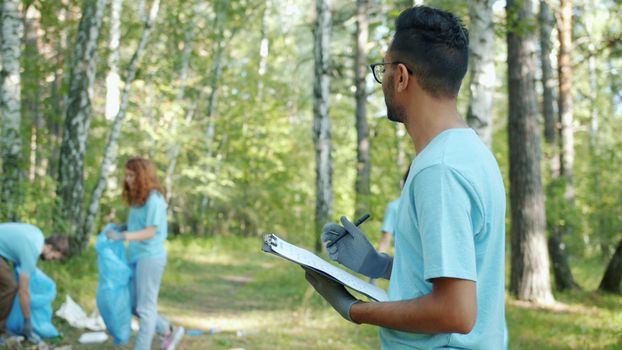
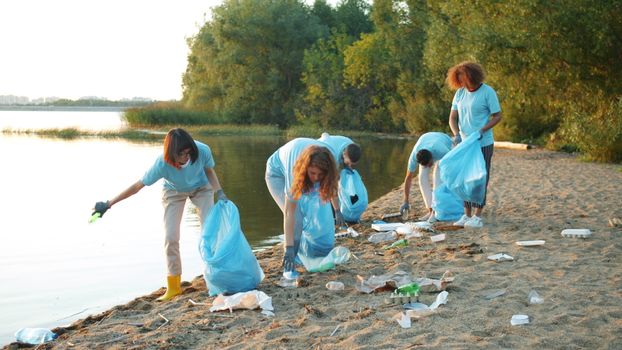
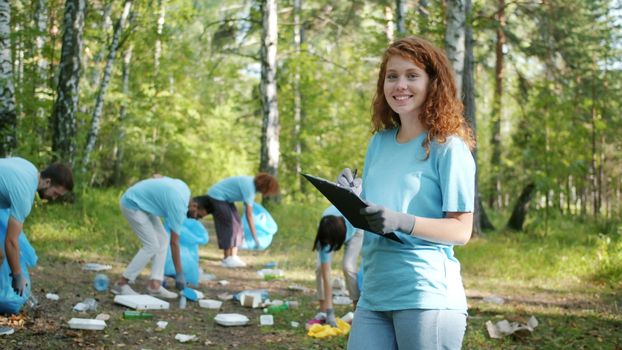
Last year, I joined a weekend beach cleanup project near my home. It wasn't exotic, but the sheer volume of plastic we collected was sobering. What made it mind-blowing was the collective effort, the shared determination with dozens of strangers, and the immediate, tangible result: a sparkling clean stretch of coastline. I've also participated in urban bird counts, helping scientists track migratory patterns – a simple act that contributes to a much larger dataset. These projects are fantastic entry points into conservation and prove you don't need to fly halfway around the world to make a difference.
Where to Go:
* Your Local Area: Check with local parks, environmental groups, or universities for citizen science projects (e.g., bird counts, water quality monitoring, invasive species removal).
* Coastal Regions Globally: Beach cleanups are ubiquitous and always needed. Organizations like Surfrider Foundation or Ocean Conservancy often coordinate international events.
* National Parks & Protected Areas: Many parks worldwide rely on volunteers for trail maintenance, invasive plant removal, or visitor education. Look for "Friends of the Park" groups.
What to Expect:
Shorter commitments (from a few hours to a week), often free or low-cost, and a great way to connect with like-minded individuals in your own community or during shorter travels.
Your Epic Adventure Awaits: Practical Tips for Choosing & Preparing
Ready to take the plunge? Here’s how to ensure your conservation volunteering experience is truly mind-blowing and impactful:
- Do Your Homework (Seriously!):
- Reputation & Ethics: This is paramount. Look for organizations with transparent financials, strong local partnerships, and a clear, measurable conservation mission. Avoid "voluntourism" traps that prioritize volunteer fees over genuine impact or exploit animals for tourist interaction (e.g., unethical elephant riding camps, lion cub petting). Look for certifications from ethical tourism bodies.
- Reviews & Testimonials: Read past volunteer reviews on platforms like GoAbroad, Volunteer Forever, or independent travel blogs. Ask specific questions about daily tasks, accommodation, and the organization's real impact.
- Direct Contact: Don't hesitate to email or call the organization. Ask about their long-term goals, how volunteer fees are used, and what specific training you'll receive.
- Budgeting for Impact:
- Program Fees: These can range from a few hundred dollars to several thousand per week/month. Understand what's included (accommodation, meals, training, in-country transport, sometimes even language lessons or dive certifications) and what's not (flights, visas, travel insurance, personal expenses). Remember, these fees often directly fund the conservation work.
- Flights & Visas: Factor these into your overall cost. Some countries require specific volunteer visas.
- Travel Insurance: Non-negotiable! Get comprehensive insurance that covers medical emergencies, evacuations, and trip cancellations.
- Skills & Fitness:
- Skills: While some projects require specific skills (e.g., veterinary, diving), many welcome enthusiastic volunteers with no prior experience. A willingness to learn, a positive attitude, and good teamwork are often the most valuable assets.
- Fitness: Be honest with yourself. Many projects involve physical labor, hiking, or working in challenging climates. Read the project description carefully to understand the physical demands.
- Duration & Commitment:
- Short Stays: Some projects accept volunteers for as little as a week, ideal for shorter trips or testing the waters.
- Longer Immersion: Many organizations prefer volunteers for 2-4 weeks or longer, as it allows for deeper training and a more significant contribution. Consider a longer stay for a truly transformative experience.
- What to Pack:
- Practical Gear: Quick-drying clothes, sturdy waterproof shoes/boots, hat, sunscreen, insect repellent (eco-friendly where possible), headlamp, reusable water bottle, basic first-aid kit.
- Essentials: Personal medications, adapter, power bank, a good book.
- Mindset: An open mind, patience, resilience, and a sense of humor are your most important packing items!
The Ultimate Takeaway: Beyond the 'Gram
I've shared stories of incredible places and powerful moments, but the true 'mind-blowing' aspect of conservation volunteering isn't just the exotic locations or the incredible animals. It's the profound shift within yourself. It’s seeing the world through a new lens, understanding the interconnectedness of all living things, and realizing the immense power of collective action.
It's the camaraderie with fellow volunteers from across the globe, united by a shared purpose. It's the quiet satisfaction of knowing your sweat and effort contributed to something bigger than yourself. It's the stories you'll carry, not just in your photos, but in your heart – stories of resilience, hope, and the undeniable magic of our natural world.
So, are you ready to stop just observing and start participating? Are you ready to trade fleeting moments for lasting impact? The world's most incredible conservation projects are waiting for you, promising not just a trip, but a transformative adventure that will truly blow your mind.
What's your dream conservation project? Share your thoughts in the comments below, or better yet, start planning your own epic adventure today!