March 2026: Your Passport to Purposeful Adventure
I stepped off the rattling bus, the air thick with the scent of damp earth and something wild – a primal, exhilarating aroma I’d only ever read about. Before me, a kaleidoscope of emerald green stretched towards a sky so impossibly blue it looked painted. This wasn't just a vacation; it was an immersion. And in March 2026, you can experience this too, by joining incredible conservation projects that are actively seeking short-term visitors like you.
Forget passive sightseeing. We’re talking about rolling up your sleeves, getting your hands dirty (in the best possible way!), and contributing to something truly meaningful. March offers a sweet spot for many of these initiatives – fewer crowds, often favorable weather, and a chance to witness nature at its most vibrant.
1. Guardians of the Amazon: Reforestation & Wildlife Monitoring in Ecuador
The Amazon. The very name conjures images of impenetrable jungle and unseen creatures. I spent a week here, the symphony of unseen insects and distant primate calls my constant soundtrack. The sheer scale of life is humbling. My days were a blend of planting saplings, each one a promise for the future, and tracking elusive wildlife with local guides whose knowledge was as deep as the rainforest itself.
The Experience:
Imagine waking to the guttural roar of howler monkeys, the mist still clinging to the canopy. Your tasks might include:
* Sapling Planting: Contribute directly to reforestation efforts, learning about indigenous plant species and their importance.
* Wildlife Spotting: Assist researchers in identifying and recording animal sightings using camera traps and observational techniques.
* Community Engagement: Participate in workshops with indigenous communities, learning about their sustainable practices and cultural heritage.
Pro-Tip:
Pack lightweight, quick-drying clothing. The humidity is no joke, but good gear makes all the difference. Also, bring a good pair of binoculars – you won't regret it!
Quick Facts: Amazon Reforestation Project
* Estimated Cost ($): $1200 - $1800 for a 1-week program (includes accommodation, meals, and project materials).
* Best Time to Visit: March is part of the shoulder season, offering a good balance of rainfall and sunshine.
* How to Get There: Fly into Quito (UIO), Ecuador, then take a domestic flight to Coca (OCC). Transfers to the project site are usually arranged.
2. Beneath the Waves: Coral Reef Restoration in the Philippines
The underwater world is a silent, breathtaking ballet. I remember my first plunge into the crystal-clear waters off Palawan, the sunlight dappling through the surface, illuminating a vibrant coral garden teeming with life. But this beauty is fragile. My mission here was to help rebuild what has been lost, a task that felt both urgent and deeply rewarding.
The Experience:
Dive into a world of color and crucial conservation work:
* Coral Nurseries: Help cultivate coral fragments in underwater nurseries, preparing them for transplantation.
* Reef Monitoring: Assist marine biologists in assessing reef health, identifying species, and documenting changes.
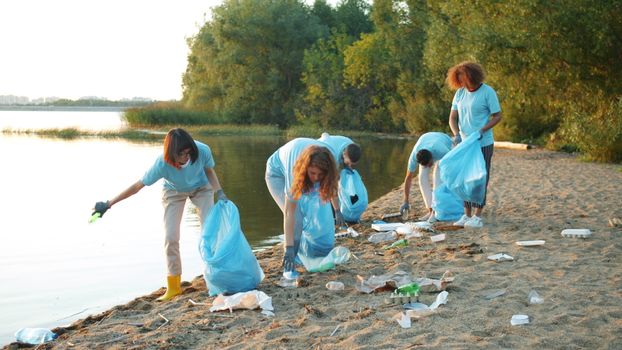
* Beach Clean-ups: Participate in vital efforts to remove plastic and debris from coastal areas, protecting marine ecosystems.
Insider Language:
You'll learn about 'bleaching events' and the critical role of 'keystone species.' Understanding these terms makes the work even more impactful.
Pro-Tip:
If you’re not a certified diver, many projects offer introductory courses or focus on shore-based activities like beach clean-ups and educational outreach. Be upfront about your experience level.
Quick Facts: Philippine Coral Reef Project
* Estimated Cost ($): $900 - $1500 for a 1-week program (includes accommodation, meals, and diving/snorkeling gear).
* Best Time to Visit: March falls within the dry season, offering excellent visibility and calm seas.
* How to Get There: Fly into Manila (MNL) or Cebu (CEB), then take a domestic flight to your chosen island gateway (e.g., Puerto Princesa, El Nido). Boat transfers are common.
3. Giants of the Savannah: Elephant Sanctuary Support in Kenya
The ground trembled slightly as a magnificent bull elephant ambled past, his tusks gleaming in the late afternoon sun. It was a moment of pure awe. At this sanctuary, the air hummed with a different kind of energy – the dedicated efforts of rangers and conservationists working tirelessly to protect these gentle giants. My role was to support their vital work.
The Experience:
Become an integral part of elephant conservation:
* Habitat Maintenance: Assist in clearing invasive species, building waterholes, and maintaining fences to protect elephants and local communities.
* Enrichment Activities: Help prepare food and create stimulating environments for rescued elephants.
* Anti-Poaching Patrol Support: Accompany rangers on foot patrols (under strict supervision and with appropriate safety measures) to observe and report.
The Smell of Kenya:
It's a unique blend of dry grass, acacia blossoms, and the faint, earthy musk of wildlife. It’s intoxicating.
Pro-Tip:
Be prepared for early mornings and physically demanding work. The rewards, however, are immeasurable. Respect the animals’ space and always follow the guidance of the experienced staff.
Quick Facts: Kenyan Elephant Sanctuary
* Estimated Cost ($): $1500 - $2500 for a 1-week program (includes accommodation, meals, and contributions to sanctuary operations).
* Best Time to Visit: March is typically warm and dry, ideal for wildlife viewing and outdoor activities.
* How to Get There: Fly into Nairobi (NBO), Kenya. Transfers to the sanctuary are usually provided.
4. Feathered Friends: Bird Sanctuary Assistance in Costa Rica
The air in the cloud forest was alive with a thousand chirps, whistles, and trills. I’d never heard such a complex avian orchestra! My days were spent amidst the vibrant plumage of toucans, hummingbirds, and elusive quetzals, contributing to the protection of their precious habitats.
The Experience:
Immerse yourself in a birdwatcher’s paradise:
* Habitat Restoration: Help plant native trees and clear invasive species to create better nesting and feeding grounds.
* Aviary Maintenance: Assist with cleaning and maintaining enclosures for rescued or injured birds.
* Nesting Box Construction: Build and install nesting boxes to support local bird populations.
The Taste of Costa Rica:
Don't miss the gallo pinto (rice and beans) for breakfast – it’s a staple, and when done right, incredibly flavorful. And the coffee? Pure liquid gold.
Pro-Tip:
Bring a good quality camera with a zoom lens. The birds are often high up in the trees, and you’ll want to capture their beauty. Also, invest in insect repellent – the jungle is buzzing!
Quick Facts: Costa Rican Bird Sanctuary
* Estimated Cost ($): $800 - $1300 for a 1-week program (includes accommodation, meals, and project supplies).
* Best Time to Visit: March is generally dry and sunny, perfect for exploring the forests.
* How to Get There: Fly into San José (SJO), Costa Rica. Ground transportation to the sanctuary is typically arranged.
5. Empowering Communities: Sustainable Agriculture & Wildlife Coexistence in Peru
The Andes are a land of stark beauty and deep-rooted traditions. I found myself working alongside a Quechua community, learning ancient farming techniques and understanding the delicate balance between human life and the surrounding wildlife. It was a lesson in resilience and mutual respect.
The Experience:
Contribute to sustainable livelihoods and environmental harmony:
* Organic Farming Support: Help with planting, harvesting, and maintaining organic crops using traditional and sustainable methods.
* Wildlife Monitoring & Education: Assist in tracking local wildlife (like vicuñas or Andean condors) and participate in community education programs.
* Infrastructure Projects: Contribute to building or repairing simple structures that benefit the community and wildlife, such as irrigation channels or protective barriers.
The Andes' Whisper:
The wind carries the scent of wild herbs and the distant bleating of alpacas. The silence is profound, broken only by nature's own soundtrack.
Pro-Tip:
Learn a few basic phrases in Spanish or Quechua – it goes a long way in building rapport with the local community. Be open to learning and adapting to different ways of life.
Quick Facts: Peruvian Community Project
* Estimated Cost ($): $1000 - $1600 for a 1-week program (includes homestay or basic accommodation, meals, and project support).
* Best Time to Visit: March is at the end of the rainy season, meaning fewer tourists and lush landscapes.
* How to Get There: Fly into Cusco (CUZ), Peru. Further transport to the community is usually organized by the project.
Making Your March 2026 Conservation Trip a Reality
Choosing a conservation project is a significant decision, and it’s crucial to do your research. Look for organizations with a proven track record, transparent operations, and a genuine commitment to their cause. Read reviews, check their social media, and don't hesitate to ask questions.
Your Impact:
When you volunteer, you’re not just a tourist; you’re a temporary custodian. You're providing much-needed manpower, financial support (through program fees that often fund the projects directly), and raising awareness. Your short-term commitment can have a long-term ripple effect.
Logistics Checklist:
* Passport & Visas: Ensure your travel documents are up-to-date.
* Travel Insurance: Essential for any international trip, especially one involving physical activity.
* Vaccinations & Health: Consult your doctor about recommended vaccinations and malaria precautions.
* Packing: Pack light, durable, and eco-friendly gear.
* Mindset: Be prepared to step outside your comfort zone, embrace new experiences, and contribute with enthusiasm.
March 2026 is an open invitation to explore, to learn, and to leave a positive mark on our planet. These projects aren’t just about saving wildlife or habitats; they’re about reconnecting with nature, understanding global challenges, and discovering your own resilience. So, which adventure will you choose? The wild is waiting.