The Hidden Heartbeat: Unveiling Community Tourism That Benefits Local Economies
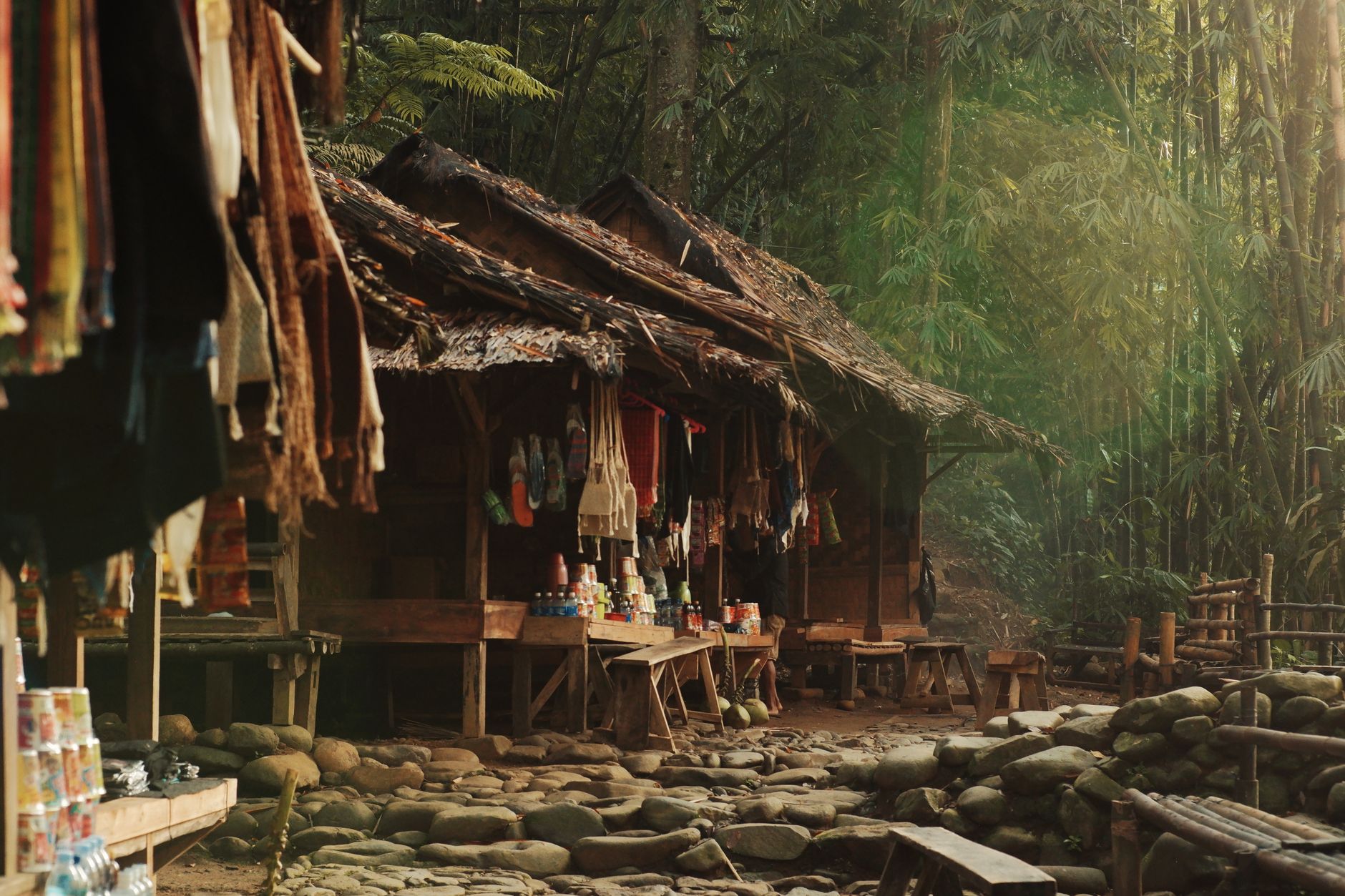
I stepped off the overnight bus, the air thick with the sweet, earthy scent of damp soil and blooming jasmine. The first rays of dawn painted the sky in hues of rose and amber, illuminating a village that felt less like a tourist destination and more like a living, breathing organism. The gentle murmur of early risers, the clatter of pots from an unseen kitchen, the distant crow of a rooster – these weren’t just sounds; they were the pulse of a community thriving, a pulse I was about to connect with on a deeply personal level. This, my friends, is the magic of community tourism. It's about stepping beyond the well-trodden paths and immersing yourself in experiences that don't just showcase a place, but actively benefit local economies and enrich the lives of the people who call it home.
For too long, travel has been a one-sided affair, with profits often siphoned off by distant corporations. But a quiet revolution is underway, one where travelers like us can be agents of positive change. Community tourism isn't just about ticking boxes; it's about forging genuine connections, fostering cultural understanding, and ensuring that our wanderlust leaves a tangible, positive footprint. It’s about experiencing the world through the eyes of those who live it, every single day.
Why "Community Tourism That Benefits Local Economies" is More Than Just a Buzzword
Let’s get real. When we travel, we want authenticity. We want to feel like we’re experiencing something unique, something that hasn't been manufactured solely for our consumption. Community tourism delivers this in spades. It’s about stepping into the shoes of locals, understanding their traditions, and appreciating their way of life.
The Tangible Impact:
- Direct Economic Empowerment: Your tourist dollar doesn't disappear into a corporate black hole. It goes directly to local guesthouses, family-run restaurants, artisan workshops, and local guides. This creates jobs, boosts incomes, and strengthens the local economy from the ground up.
- Preservation of Culture & Heritage: When communities see the economic value in their traditions, they are more incentivized to preserve them. This can range from traditional crafts and agricultural practices to storytelling and performing arts.
- Environmental Stewardship: Often, community-led initiatives have a strong focus on sustainability, as locals have a vested interest in protecting their natural resources for future generations.
- Enhanced Traveler Experience: Forget sterile hotel chains. Imagine sleeping in a beautifully crafted homestay, learning to cook a regional dish with a local matriarch, or hiking through pristine landscapes with a guide whose ancestors have walked those paths for centuries. The depth of connection is unparalleled.
Case Study: The Spice Trails of Kerala, India
My journey into the heart of community tourism truly solidified in the verdant hills of Kerala, India. I’d heard whispers of homestays nestled amidst spice plantations, where travelers could not only learn about cardamom, pepper, and cinnamon but also live alongside the families who cultivated them.
The Experience:
I arrived at a small, family-run homestay called ‘Aroma Haven’ (names are changed to protect the intimate nature of these places). The scent of drying ginger and star anise hung heavy in the humid air. My hosts, a warm couple named Priya and Rajesh, welcomed me not as a guest, but as a visiting relative.
Pro-Tip:
Arrive mid-morning to witness the morning harvest and the initial sorting of spices. The energy is palpable!
Insider Insight:
Priya didn't just show me how to identify good quality pepper; she let me grind it by hand, the pungent aroma filling our small kitchen as we laughed over my clumsy attempts. Rajesh took me on a walk through his family’s plantation, pointing out the subtle differences between various types of turmeric and explaining the intricate ecosystem that supports their growth. We ate meals prepared with ingredients sourced directly from their garden, the flavors vibrant and complex, unlike anything I’d tasted in a restaurant.
The Local Impact:
The income from my stay and the spices I purchased directly supported Priya and Rajesh’s family, enabling them to send their children to a better school and invest in sustainable farming practices. They also employed a local woman from the village to help with cooking and cleaning, further spreading the economic benefits.
Beyond the Familiar: Discovering Community Tourism Gems
It's easy to think of community tourism as remote villages and rustic accommodations. While those experiences are invaluable, the concept is far more adaptable and can be found in surprising places.
1. Artisan Villages & Craft Immersion
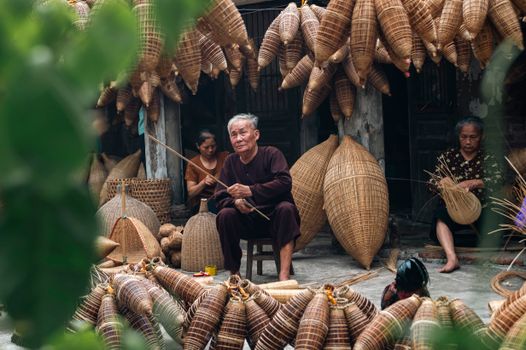
Many destinations boast rich craft traditions. Instead of buying mass-produced trinkets, seek out communities where artisans are actively practicing and teaching their skills.
- Example: The weaving communities of Oaxaca, Mexico, or the pottery villages in Japan.
- Pro-Tip: Look for workshops that offer multi-day immersion. This allows for a deeper understanding of the craft and a more meaningful connection with the artisans.
- Insider Insight: Ask about the symbolism behind the patterns or the traditional methods used. The stories woven into the fabric or sculpted into the clay are often as fascinating as the finished product.
2. Agricultural & Food Tourism with a Conscience
Food brings people together, and community-led agricultural tourism takes this to a whole new level. Think farm stays, cooking classes using hyper-local ingredients, and visits to community gardens.
- Example: Agro-tourism initiatives in rural Italy, or community-supported agriculture (CSA) programs that welcome visitors in various countries.
- Pro-Tip: Visit during harvest season for the most immersive experience. Many farms offer opportunities to participate in the harvest.
- Insider Insight: Don’t just eat the food; learn about its journey from seed to plate. Understanding the dedication and skill involved amplifies the flavor tenfold.
3. Eco-Lodges & Conservation Communities
Many communities are at the forefront of conservation efforts. Staying at eco-lodges or participating in programs run by these communities directly supports their work in protecting wildlife and natural habitats.
- Example: Community-run lodges in Costa Rica that protect rainforests, or marine conservation projects in Southeast Asia.
- Pro-Tip: Choose lodges that are transparent about their conservation efforts and community involvement.
- Insider Insight: Engage with the local guides. They possess invaluable knowledge about the local flora and fauna, passed down through generations.
4. Indigenous Tourism & Cultural Exchange
This is perhaps the most profound form of community tourism, offering a chance to learn directly from indigenous peoples about their history, spirituality, and connection to the land.
- Example: Homestays with Maasai communities in Kenya or cultural tours with First Nations peoples in Canada.
- Pro-Tip: Be respectful of cultural protocols. Always ask permission before taking photos and be open to learning.
- Insider Insight: Listen more than you speak. The wisdom shared in these exchanges can be life-altering.
Quick Facts: Planning Your Community Tourism Adventure
| Aspect | Estimated Costs ($) | Best Time to Visit | How to Get There |
| :----------------- | :------------------ | :----------------- | :------------------------------------------------------------------------------- |
| Homestays | $30 - $100/night | Varies by region | Often accessible via local transport (buses, trains) from major hubs. |
| Artisan Workshops | $50 - $200 (for classes) | Varies by region | Usually located in smaller towns or villages, accessible by local bus or taxi. |
| Farm Stays | $60 - $150/night | Harvest seasons | Typically requires private transport or arranged transfers from nearby towns. |
| Eco-Lodges | $80 - $300+/night | Varies by climate | Often requires flights to a regional airport, followed by boat or 4x4 transfer. |
| Indigenous Tours| $100 - $500+/day | Varies by culture | Depends heavily on the specific community; often involves local guides and transport. |
Important Note:
These are rough estimates. Costs can vary significantly based on the destination, level of luxury, and the specific community initiative. Always research thoroughly and be prepared for slightly higher costs as you are directly supporting local livelihoods.
The ‘How-To’ of Traveling with Impact
Embarking on community tourism requires a slightly different mindset, but the rewards are immense.
1. Research is Your Compass:
* Seek out certified organizations: Look for initiatives recognized by reputable tourism bodies or NGOs focused on sustainable development.
* Read reviews with a critical eye: Focus on reviews that highlight genuine interactions and positive local impact, not just amenities.
* Connect with local tourism boards: They can often point you towards community-led initiatives.
2. Be a Conscious Traveler:
* Learn a few local phrases: A simple "hello" and "thank you" in the local language can go a long way.
* Dress respectfully: Be mindful of local customs and dress codes, especially when visiting religious sites or rural communities.
* Ask before you photograph: This is crucial, especially when photographing people.
3. Engage Authentically:
* Be present: Put down your phone and soak in the experience. Listen to stories, ask questions, and participate wholeheartedly.
* Support local businesses: Eat at local eateries, buy souvenirs directly from artisans, and hire local guides.
* Share your experience (responsibly): When you share your journey online, highlight the community aspect and encourage others to travel with purpose.
Pro-Tip:
Pack a small, thoughtful gift for your hosts or for children in the community (e.g., school supplies), but research what is truly needed and appreciated first. Avoid giving cash directly unless it's part of a recognized program.
My Takeaway: Travel That Nourishes the Soul and the Soil
I’ve trekked to Everest Base Camp, marvelled at the Eiffel Tower, and explored the ancient ruins of Machu Picchu. All incredible. But the moments that have truly etched themselves into my memory are the ones where I felt a genuine connection, where I learned something profound, and where I knew my presence was adding value.
The scent of that jasmine in Kerala, the laughter shared over a simple meal, the pride in an artisan’s eyes as they showed me their craft – these are the moments that define community tourism that benefits local economies. It’s not just about seeing the world; it’s about experiencing it in a way that leaves it a little bit better than you found it. It’s travel that nourishes your soul and, crucially, nourishes the very places you’re so fortunate to explore. So, the next time you plan a trip, consider stepping off the beaten path and into the heart of a community. You might just find the most rewarding adventure of your life.