The Secret to Community Tourism: Economies Thrive This Year!
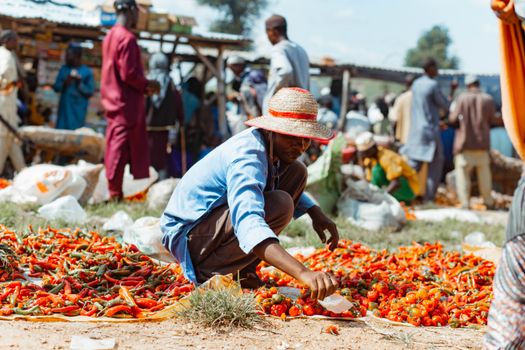
I stepped off the tiny prop plane onto a runway that felt more like a dusty farm track. The air, thick with the scent of woodsmoke and something sweet and floral I couldn't quite place, vibrated with the chatter of unfamiliar languages. A group of children, their eyes wide and curious, giggled as they pointed at my oversized backpack. This wasn't the sterile, polished welcome of a resort; this was the raw, unfiltered embrace of a place where every visitor is a guest, and every interaction matters. This, my friends, is the heart of community tourism, and it's not just emerging this year – it's exploding, offering a powerful antidote to mass tourism and a genuine way to benefit local economies.
For too long, we’ve seen travel become a one-way street, with profits siphoned off to distant corporations while local communities remain largely untouched. But a seismic shift is happening. Travelers are waking up, craving connection, authenticity, and the profound satisfaction of knowing their wanderlust is a force for good. This guide is your key to unlocking these transformative experiences.
The Rise of the Conscious Traveler
The days of ticking off landmarks from a checklist are fading. Today's traveler is informed, engaged, and increasingly driven by purpose. We want to understand the stories behind the places we visit, connect with the people who call them home, and leave a positive impact. This is the fertile ground where community tourism flourishes.
What exactly is community tourism?
It’s travel that prioritizes the well-being and empowerment of local communities. It’s about ensuring that the economic benefits of tourism flow directly to the people who live and work in a destination, rather than being captured by external entities. Think homestays where you share meals with your hosts, guided tours led by local experts who share their ancestral knowledge, and craft workshops where you learn traditional skills.
Why is it booming now?
Several factors are converging:
* Increased awareness of tourism's impact: The negative consequences of overtourism are undeniable.
* Desire for authentic experiences: Travelers are tired of manufactured tourist attractions.
* Growth of digital platforms: The internet makes it easier than ever to discover and book community-based initiatives.
* A global yearning for connection: Post-pandemic, people crave genuine human interaction.
Destinations Where Your Dollar Makes a Difference
This isn't about abstract concepts; it's about tangible, life-changing experiences. Let's explore some incredible examples of community tourism in action.
1. The Spice Islands of Zanzibar: More Than Just Beaches
When you think of Zanzibar, pristine white sands and turquoise waters likely come to mind. And yes, they are breathtaking. But venture beyond the resorts, and you'll find vibrant Swahili culture and communities deeply rooted in centuries of spice trade and maritime history.
My Experience:
I found myself in a small village on the east coast, far from the bustling Stone Town. My guide, a man named Juma whose family had lived there for generations, didn't just show me spice farms; he invited me into his home, introduced me to his wife who was preparing a fragrant pilau using spices we had just picked, and shared stories of his grandfather, a renowned dhow builder. The aroma of cloves, cinnamon, and cardamom hung heavy in the air, mingling with the salty sea breeze.
Pro-Tip:
Seek out community-run spice tours. They often include hands-on experiences like tasting exotic fruits straight from the tree and learning to identify different spices by scent alone. Look for tours that involve local women's cooperatives, as they often offer unique insights into traditional crafts and cuisine.
Authenticity Check:
Don't just buy pre-packaged spice bags. Engage with the farmers, ask about their cultivation methods, and consider purchasing directly from them. You'll get fresher, more potent spices and the satisfaction of knowing your purchase directly supports their livelihood.
2. The Andes of Peru: Weaving Traditions into Livelihoods
High in the Peruvian Andes, indigenous Quechua communities are preserving their ancient textile traditions, and tourism is becoming a vital lifeline. These are not just souvenirs; they are stories woven into fabric, passed down through generations.
My Experience:
I spent a week in a small village near Cusco, staying with a Quechua family. Mornings were spent learning to spin alpaca wool, the rhythmic whirring of the spindle a constant soundtrack. Afternoons involved visiting the local market, where women displayed their intricate weavings – vibrant patterns depicting Andean cosmology and daily life. I learned that each symbol has meaning, from the condor representing freedom to the mountains symbolizing protection.
Pro-Tip:
Look for community weaving centers that offer workshops. You can learn the basics of backstrap weaving, a technique that has been used for thousands of years. This hands-on experience provides a deeper appreciation for the skill and artistry involved.
Quick Facts: Andean Weaving Communities
| Category | Details | Estimated Cost ($USD) | Best Time to Visit | How to Get There |
| :-------------- | :------------------------------------------------------------------- | :-------------------- | :--------------------- | :------------------------------------------------------------------------------------ |
| Accommodation | Homestays, rustic guesthouses | $20 - $50/night | Dry season (May-Oct) | Fly into Cusco, then arrange transport with the community or a local tour operator. |
| Tours/Workshops | Guided village tours, weaving workshops, cooking classes | $30 - $100/day | Dry season (May-Oct) | Book through reputable community tourism organizations or directly with community reps. |
| Food | Local, home-cooked meals | $10 - $20/day | Dry season (May-Oct) | Often included in homestay packages. |
| Overall | Immersive cultural experience, direct economic support for artisans | $60 - $170/day | | |
Insider Lingo:
When you're in the market, don't just ask for "a scarf." Ask about the pallay (patterns) and the stories they tell. The weavers will be delighted to share their knowledge.
3. The Backwaters of Kerala, India: Houseboats and Homestays
Kerala's tranquil backwaters, a labyrinth of interconnected canals, rivers, and lakes, have long been a draw for tourists. But recent years have seen a surge in community-led initiatives that offer a more intimate and sustainable way to experience this unique ecosystem.
My Experience:
Instead of a large, impersonal houseboat, I opted for a homestay on one of the smaller canals. My host family, who lived in a traditional Keralan house with a thatched roof and a veranda overlooking the water, welcomed me with a warm smile and a glass of fresh coconut water. I spent my days learning to cook authentic Keralan cuisine – the fragrant coconut curries and fluffy appams were divine – and taking slow canoe rides through narrow waterways, spotting kingfishers and local fishermen casting their nets.
Pro-Tip:
Look for homestays that are part of eco-tourism initiatives. These often focus on preserving the local environment and providing authentic cultural exchanges. Some offer opportunities to participate in local activities like rice paddy cultivation or attending a Kathakali dance performance.
Authenticity Check:
Try to learn a few basic Malayalam phrases – "Namasthē" (hello) and "Dhanyavādam" (thank you) go a long way. Engage with your hosts about their daily lives, their connection to the backwaters, and their hopes for their community.
4. The Forests of Borneo: Orangutan Conservation and Indigenous Culture
Borneo is synonymous with orangutans, but the region is also home to diverse indigenous communities with rich traditions and a deep understanding of the rainforest. Community-led ecotourism is crucial for both orangutan conservation and supporting these ancient cultures.
My Experience:
I joined a community-based ecotourism project in Sabah, Borneo. My accommodation was a simple, comfortable lodge managed by the local community. Our guides were indigenous rangers who shared their extensive knowledge of the jungle, pointing out medicinal plants, tracking wildlife, and explaining the delicate balance of the ecosystem. We learned about the traditional livelihoods of the community, including their relationship with the forest and their efforts to protect it.
Pro-Tip:
Choose operators that directly support local indigenous communities and contribute to conservation efforts. Look for programs that offer opportunities to learn about traditional crafts, participate in reforestation activities, or even assist with wildlife monitoring.
Insider Lingo:
Ask your guides about the "spirit of the forest." They often have profound insights into the interconnectedness of all living things.
5. The Islands of Fiji: Village Stays and Kava Ceremonies
Fiji is known for its idyllic islands, but the true magic lies in its strong village culture. Embracing community tourism here means experiencing the warmth and hospitality of the Fijian people firsthand.
My Experience:
I had the privilege of staying in a traditional Fijian village for a few days. My host family invited me to participate in their daily life – helping with chores, sharing communal meals, and experiencing the deeply ingrained tradition of the kava ceremony. The earthy, peppery taste of the kava, shared from a shared bowl, symbolized unity and respect. The evenings were filled with song and dance, a joyous expression of their culture.
Pro-Tip:
When visiting a Fijian village, it's customary to bring a gift for the chief (known as sevusevu). This is usually a bundle of kava root. Your tour operator or homestay host can advise you on appropriate gifts and etiquette.
Quick Facts: Fijian Village Stays
| Category | Details | Estimated Cost ($USD) | Best Time to Visit | How to Get There |
| :-------------- | :----------------------------------------------------------------------- | :-------------------- | :--------------------- | :----------------------------------------------------------------------------------------------- |
| Accommodation | Village homestays, community-run guesthouses | $40 - $80/night | Dry season (May-Oct) | Fly into Nadi International Airport (NAN), then arrange inter-island transport (ferry/flight). |
| Activities | Kava ceremonies, village tours, traditional cooking, cultural performances | $25 - $75/day | Dry season (May-Oct) | Book through reputable community tourism providers or directly with village elders. |
| Food | Traditional Fijian meals (lovo - underground oven) | $15 - $30/day | Dry season (May-Oct) | Often included in homestay packages. |
| Overall | Deep cultural immersion, direct support for village livelihoods | $80 - $185/day | | |
Authenticity Check:
Be respectful of local customs and dress modestly when in villages. Always ask permission before taking photographs of people.
The Ripple Effect: Beyond the Tourist Dollar
The benefits of community tourism extend far beyond direct financial gains. When communities are empowered through tourism, you often see:
- Preservation of cultural heritage: Traditional practices, languages, and crafts are kept alive.
- Environmental protection: Local communities become stewards of their natural resources.
- Improved infrastructure: Revenue can be reinvested in schools, healthcare, and local amenities.
- Empowerment of marginalized groups: Women and youth often find new opportunities.
- Increased self-esteem and pride: Communities see the value in their unique heritage.
Your Role as a Community Tourist
As a traveler, you hold immense power. By choosing community tourism, you are actively participating in a more equitable and sustainable future for travel.
How to Be a Responsible Community Tourist:
- Do your research: Look for certified community-based tourism initiatives.
- Choose local providers: Opt for locally owned accommodations, tour operators, and restaurants.
- Respect local customs: Dress modestly, learn a few basic phrases, and be mindful of cultural norms.
- Ask before you photograph: Always seek permission before taking pictures of people.
- Minimize your environmental footprint: Reduce waste, conserve water and energy.
- Buy local: Support local artisans and producers directly.
- Be open and curious: Engage with locals, listen to their stories, and be willing to learn.
- Provide constructive feedback: Share your positive experiences to encourage others.
The Future is Local
This year, community tourism isn't just a trend; it's a movement. It’s a conscious choice to travel with purpose, to connect authentically, and to leave a place better than you found it. So, as you plan your next adventure, consider stepping off the beaten path. Embrace the opportunity to be a guest, not just a spectator. Your journey can be a powerful force for good, enriching your life and the lives of the communities you visit.